My kids now call our weekly batch magic cream because they love dipping everything from sweet potato fries to steamed broccoli into it. Making homemade mayonnaise together has become a fun kitchen ritual that gets them excited about real, whole ingredients. It all started one afternoon when we ran out of the store-bought jar. Instead of a grocery run, I decided to show them the simple magic of turning an egg and oil into something creamy and delicious. Their eyes widened as the thin, liquid mixture transformed into a thick, luscious spread right before them. That moment of kitchen alchemy is what this recipe is all about. Forget the bland, overly sweet jars from the shelf. This homemade mayonnaise recipe is a revelation. It is brighter, richer, and infinitely more customizable. With just a handful of pantry staples and about five minutes, you can create a condiment that will change how you think about sandwiches, salads, and dips. This version gets a beautiful lift from fresh lemon juice and a whisper of Dijon mustard, creating a balanced, zesty flavor that makes everything taste better. Let us make some magic cream.
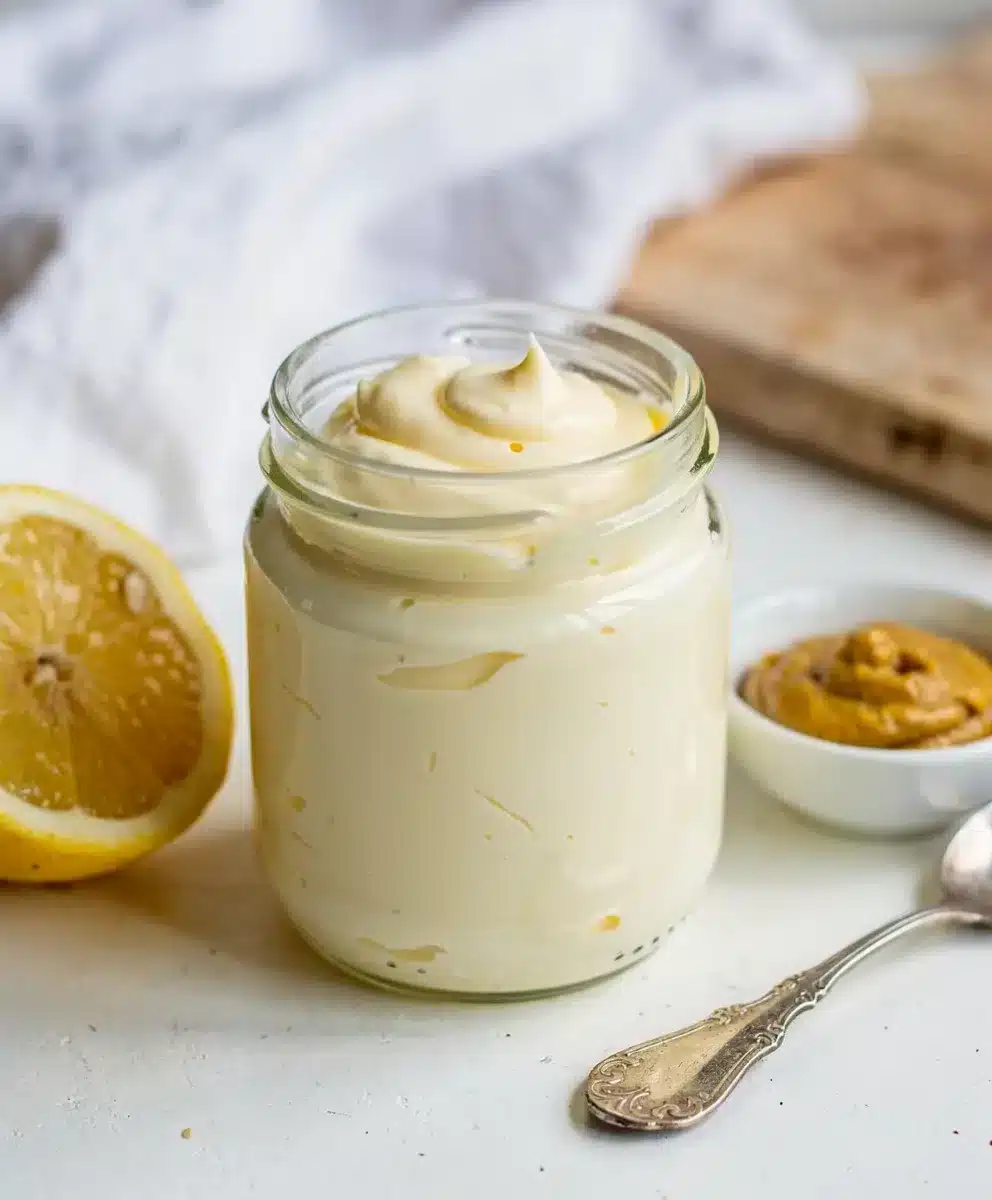
Table of Contents
Homemade Mayonnaise

This homemade mayonnaise is a revelation of fresh flavor. With just a few pantry staples and five minutes, you can create a bright, creamy condiment that transforms sandwiches, salads, and dips.
- Prep Time: 5min
- Cook Time: 0min
- Total Time: 5min
- Yield: About 1 cup 1x
- Category: snack
- Method: blending
- Cuisine: French
Ingredients
- 1 large egg, at room temperature
- 1 tablespoon fresh lemon juice
- 1 teaspoon Dijon mustard
- ¼ teaspoon fine sea salt, plus more to taste
- 1 cup neutral oil (like avocado, grapeseed, or light olive oil)
Instructions
- Combine the egg, lemon juice, Dijon mustard, and salt in a tall jar (for immersion blender) or food processor bowl. Pulse or stir to combine.
- If using an immersion blender, place it at the bottom of the jar. Turn it on and hold it still until the mixture at the bottom emulsifies and turns white.
- With the blender running, slowly lift it up through the jar to incorporate all the oil. If using a food processor, keep it running and add the oil in a very thin, steady stream.
- Once all oil is added and the mayonnaise is thick and creamy, stop blending. Taste and adjust seasoning with more salt or lemon juice if desired.
Notes
For best results, ensure all ingredients are at room temperature. Add the oil slowly to prevent the mayonnaise from breaking. Store in an airtight container in the refrigerator for up to 1 week.
Nutrition
- Serving Size: 16
- Calories: 180
- Sugar: 0
- Sodium: 40
- Fat: 20
- Saturated Fat: 2
- Unsaturated Fat: 18
- Trans Fat: 0
- Carbohydrates: 0
- Fiber: 0
- Protein: 0.5
- Cholesterol: 10
Ingredients List for Homemade Mayonnaise
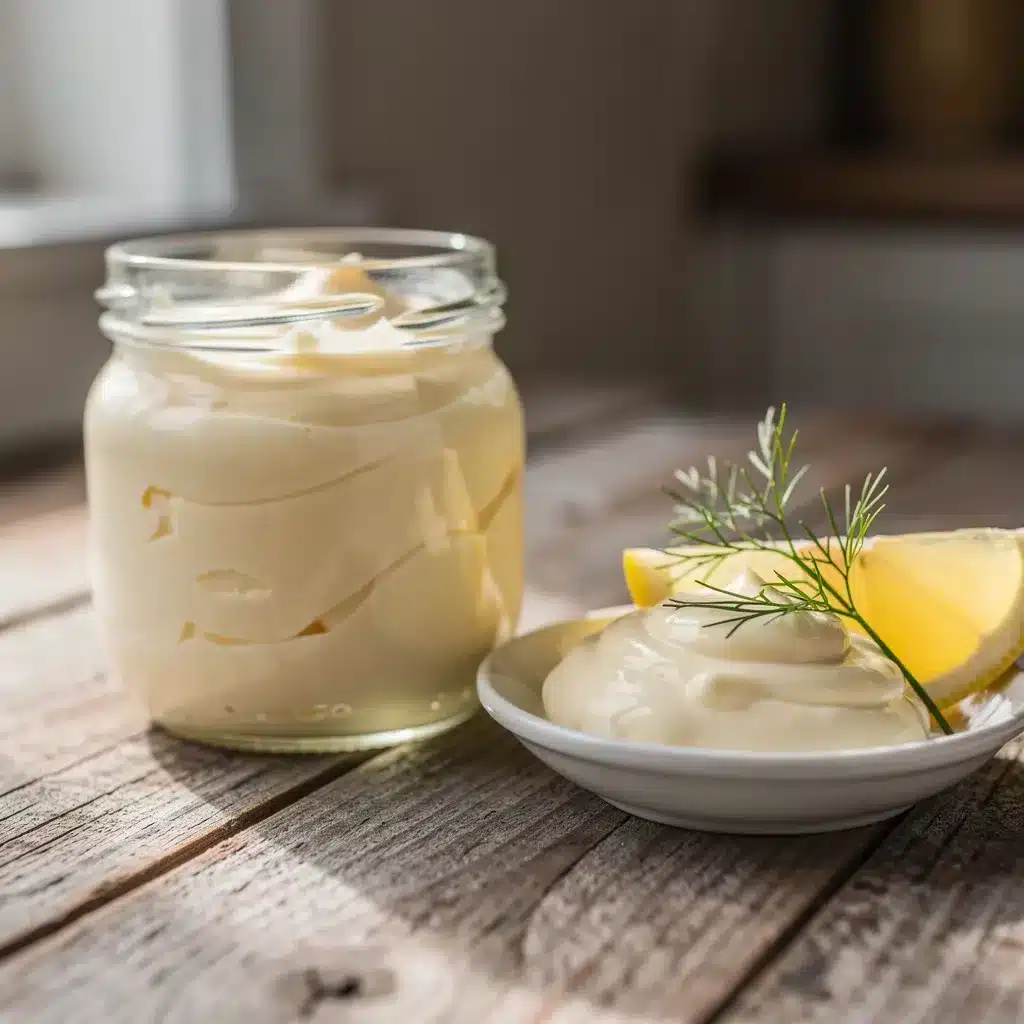
This homemade mayonnaise recipe proves that the best things are often the simplest. You only need a few core ingredients to create a base that is far superior to anything you can buy. The quality of your oil is key here, as its flavor will shine through in the final mayonnaise.
- 1 large egg, at room temperature
- 1 tablespoon fresh lemon juice
- 1 teaspoon Dijon mustard
- ¼ teaspoon fine sea salt, plus more to taste
- 1 cup neutral oil (like avocado, grapeseed, or light olive oil)
Smart Swaps & Notes:
- Oil Choices: For a classic, mild flavor, use avocado or grapeseed oil. For a more robust, traditional taste, use a good quality extra virgin olive oil to make a rich olive oil mayonnaise recipe. I often use a blend of ¾ cup neutral oil and ¼ cup extra virgin olive oil for the perfect balance.
- Acid Swap: No fresh lemon? White wine vinegar or apple cider vinegar works beautifully.
- Flavor Twists: Add a minced garlic clove for aioli, a pinch of smoked paprika, or a handful of fresh herbs like dill or chives after blending.
Timing for Homemade Mayonnaise
The beauty of this condiment is its speed. From grabbing your ingredients to having a jar of fresh mayo, it is a matter of minutes.
- Prep Time: 5 minutes
- Cook Time: 0 minutes
- Total Time: 5 minutes
That is right, you can make a batch of this homemade mayonnaise faster than you can find your keys and drive to the store. It is a genuine 5-minute kitchen win.
Step-by-Step Instructions for Homemade Mayonnaise
The process is straightforward, but a few key techniques ensure success. I recommend using an immersion blender or a small food processor for the easiest, foolproof method.
1. Combine the Base Ingredients.
In a tall, narrow jar (if using an immersion blender) or the bowl of your food processor, add the room-temperature egg, fresh lemon juice, Dijon mustard, and salt. Give it a quick pulse or stir to combine everything.
2. Start Blending Slowly.
If using an immersion blender, place it at the very bottom of the jar. Turn it on and hold it still. You will see the mixture immediately start to emulsify and turn white at the bottom. If using a food processor, turn it on and slowly begin to add the oil in a very thin, steady stream through the feed tube.
3. Incorporate the Oil.
This is the most important step. With the blender running, slowly, slowly lift it up through the mixture, allowing it to pull in the oil from the top. Alternatively, keep that oil stream slow and steady into the food processor. The mixture will thicken and become creamy as you go. Patience here prevents a broken mayonnaise sauce.
4. Adjust and Season.
Once all the oil is incorporated and you have a thick, spoonable mayonnaise, stop blending. Taste it. This is your canvas. You might want another pinch of salt, a squeeze more lemon for brightness, or a crack of black pepper. Stir in any final adjustments by hand.
Nutritional Information for Homemade Mayonnaise
Since you control the ingredients, you know exactly what is in your condiment. A two-tablespoon serving of this homemade mayonnaise provides approximately:
- Calories: 180
- Fat: 20g
- Protein: 0.5g
- Carbohydrates: 0g
- Key Notes: Using a high-quality oil like avocado oil provides monounsaturated fats, which are beneficial for heart health. The fresh lemon juice also adds a small amount of vitamin C.
Equipment Needed for Homemade Mayonnaise
You have options, and all of them are simple. You do not need any fancy gear to make this homemade mayonnaise recipe a success.
- Immersion Blender (My Top Pick): The easiest, most foolproof method. It creates the emulsion right in the jar you can store it in. Less cleanup is always a win.
- Small Food Processor or Blender: A classic and effective tool. Just be sure to add the oil very slowly.
- Large Bowl & Whisk: For the traditionalists who want an arm workout. This method requires vigorous, continuous whisking while drizzling the oil drop by drop. It works, but it is a commitment.
Why You’ll Love This Homemade Mayonnaise Recipe
This recipe is a game-changer for your kitchen routine, and here is why.
- Unbeatable Flavor & Freshness: The zesty lemon and subtle Dijon create a bright, complex flavor that makes store-bought mayo taste bland and one-dimensional in comparison.
- Total Ingredient Control: You choose the oil, you adjust the salt, and you skip the stabilizers and added sugars found in most commercial brands.
- Five-Minute Magic: It comes together faster than a grocery store run. Regular kitchen, regular time, great results.
- Endlessly Adaptable: Once you master the base, a world of sauces opens up. Add garlic for aioli, herbs for a green goddess, or sriracha for a spicy spread.
- A Fun Kitchen Lesson: It is a fantastic way to show kids (or curious adults) the simple science of emulsification. Food that feels like home starts with understanding how it is made.
Healthier Alternatives for Homemade Mayonnaise
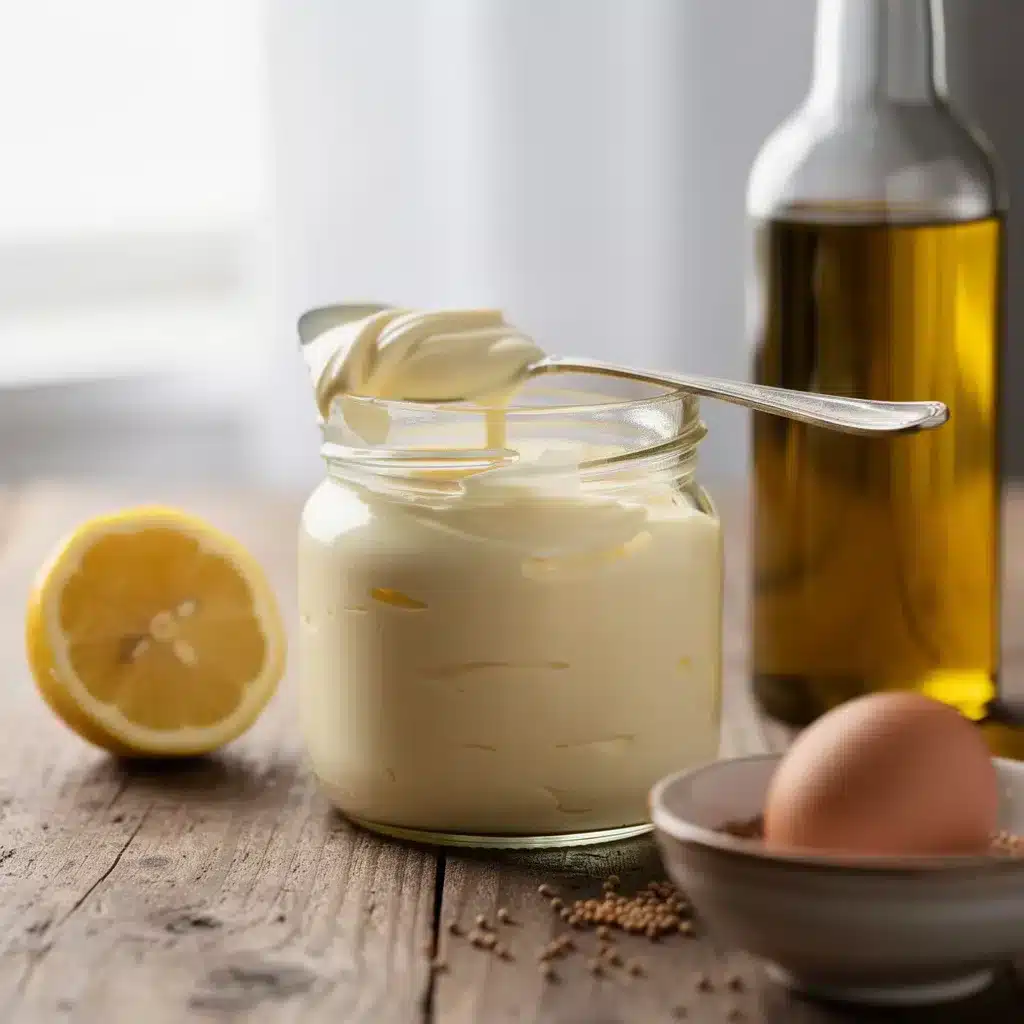
Want to lighten things up or accommodate dietary needs? This recipe is wonderfully adaptable.
- Lighter Version: Substitute up to half of the oil with a mild, plain Greek yogurt after the mayonnaise is made. Fold it in gently for a tangy, protein-boosted spread.
- Different Oil Profiles: Use all extra virgin olive oil for its antioxidant benefits, or try walnut or flax oil for an omega-3 boost (note: these have strong flavors, so blend with a neutral oil).
- Egg-Free Option: While traditional mayonnaise recipes start with an egg, you can make a lovely emulsion using the liquid from a can of chickpeas (aquafaba). Use 3 tablespoons of aquafaba in place of the egg.
Serving Suggestions for Homemade Mayonnaise
This homemade mayonnaise is so much more than a sandwich spread. It is the secret to elevating countless mayonnaise recipes dishes.
- The Ultimate Dip: Serve it straight with crispy baked fries, roasted potatoes, or a platter of raw vegetables.
- Salad Star: It forms the creamy base for classic chicken, tuna, or egg salad. Try it in my Lemon Dill Salmon Salad for a fresh, herby twist or as the binding agent in a creamy Greek Yogurt Chicken Salad.
- Pasta Salad Perfection: Thin it out with a little milk or buttermilk for a delicious dressing. It is essential for a classic BLT Pasta Salad and creates the lush base for a Creamy Ranch Pasta Salad.
- Burger & Sandwich Spread: Slather it on burgers, spread it on club sandwiches, or mix it with ketchup for a quick special sauce.
- Global Twist: Whisk in a tablespoon of soy sauce, a teaspoon of sesame oil, and a pinch of ginger to create a creamy Asian-inspired dressing perfect for a Cold Sesame Noodle Salad.
Common Mistakes to Avoid with Homemade Mayonnaise
Even simple recipes have pitfalls. Avoid these to ensure your homemade mayonnaise is perfect every time.
- Using Cold Ingredients: A cold egg and cold oil are harder to emulsify. Let everything sit on the counter for 20-30 minutes before you start.
- Adding the Oil Too Fast: This is the number one reason mayonnaise breaks. Whether drizzling or with an immersion blender, patience is key. Slow and steady wins the creamy race.
- Not Starting with a Stable Base: The egg, acid (lemon), and mustard all help stabilize the emulsion. Do not skip the Dijon—it is a flavor booster and an emulsifying helper.
- Over-blending or Under-blending: Once the oil is incorporated and the mayo is thick, stop. Over-blending can sometimes cause it to thin out or separate.
Storing Tips for Homemade Mayonnaise
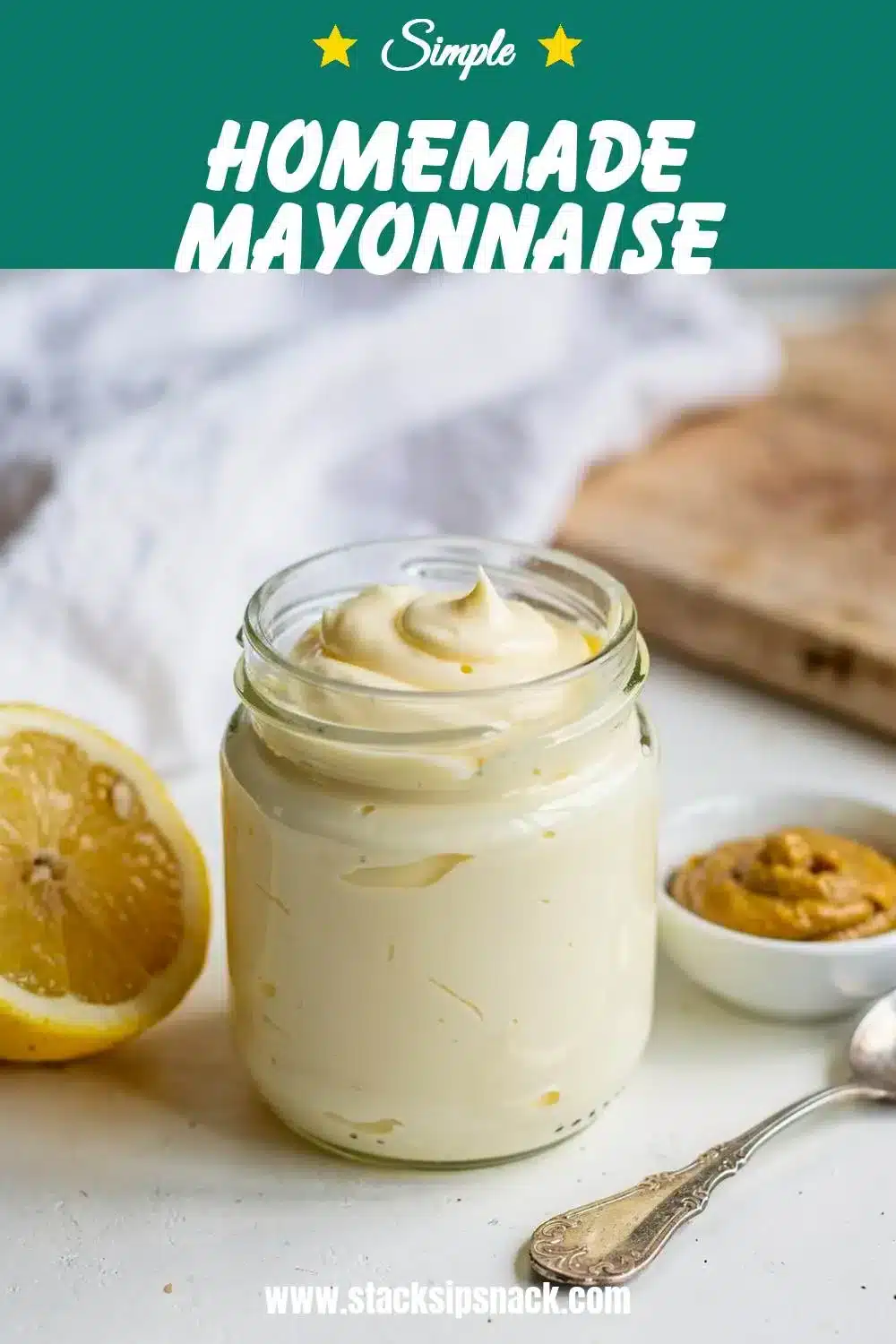
Because this recipe uses a fresh egg, proper storage is important for safety and freshness.
- Refrigeration: Always store your homemade mayonnaise in a clean, airtight container in the refrigerator. It will keep beautifully for up to 1 week.
- Freezing: I do not recommend freezing mayonnaise, as it will likely separate and become grainy when thawed.
- Safety First: If you are concerned about using a raw egg, you can use pasteurized eggs, which are widely available in most grocery stores.
- Leftover Idea: If you find yourself with extra near the end of the week, use it to make a quick batch of potato salad or as a base for a creamy salad dressing.
Conclusion for Homemade Mayonnaise
This homemade mayonnaise recipe is a small act of kitchen rebellion that pays off in huge flavor. It is about reclaiming a simple staple and making it your own—brighter, fresher, and exactly how you like it. Once you taste the difference, it is hard to go back to the jar. I hope it becomes a fun, weekly ritual in your home, too, creating magic cream for your family to enjoy.
I would love to hear how your mayonnaise turns out. What variations did you try? Let me know in the comments below. And if you are looking for more ways to use your fresh mayo, check out my recipes for a classic Greek Yogurt Chicken Salad, a hearty BLT Pasta Salad, or a refreshing Lemon Dill Salmon Salad. Do not forget to tag @StackSipSnack on Pinterest so I can see your delicious creations. Simple ingredients, warm memories.
Here's the RankMath FAQ block, ready to paste into your WordPress Code Editor:
FAQs about Homemade Mayonnaise
Why does my homemade mayonnaise separate?
Homemade mayonnaise can separate if the oil is added too quickly, if the ingredients are too cold, or if the emulsion breaks down due to over-processing. Add the oil very slowly at the beginning and ensure all ingredients are at room temperature.
How long does homemade mayonnaise last?
Homemade mayonnaise typically lasts for 3-5 days in the refrigerator. Because it's made without preservatives, it spoils faster than store-bought varieties.
What is the best oil to use for homemade mayonnaise?
Neutral-flavored oils like avocado oil, light olive oil, or grapeseed oil are best for homemade mayonnaise. Stronger flavored oils can overpower the taste.
Can I use an immersion blender to make mayonnaise?
Yes, an immersion blender is a quick and easy way to make homemade mayonnaise. It helps to emulsify the ingredients very effectively.
What can I do if my mayonnaise is too thick?
If your homemade mayonnaise is too thick, add a small amount of water (1 teaspoon at a time) and whisk or blend until you reach your desired consistency.
Is homemade mayonnaise safe to eat?
Homemade mayonnaise is safe to eat as long as you use pasteurized eggs. Raw eggs can carry salmonella, so pasteurized eggs minimize that risk. Store it properly in the refrigerator and consume it within 3-5 days.
💬 Lets Stay Connected!
For daily recipes, kitchen tips, and exclusive content, follow me on:
👉 Facebook for behind the scenes and community fun
👉 Pinterest for visual inspiration and meal ideas
👉 X (Twitter) for quick tips and trending recipes
📲 Join the flavor journey, your next favorite recipe is just a follow away!