Stack Sip Snack

  • HOME
  • Recipe
    • Breakfast Recipes
    • Lunch Recipes
    • Dinner Recipes
    • Marinades and Seasonings
    • Asian Recipes
  • Soups
  • Desserts
  • Stack
  • Sip
  • Snack
    • Jerky Recipes
    • Dips and Appetizers
menu icon
go to homepage
  • HOME
  • Recipe
    • Breakfast Recipes
    • Lunch Recipes
    • Dinner Recipes
    • Marinades and Seasonings
    • Asian Recipes
  • Soups
  • Desserts
  • Stack
  • Sip
  • Snack
    • Jerky Recipes
    • Dips and Appetizers
search icon
Homepage link
  • HOME
  • Recipe
    • Breakfast Recipes
    • Lunch Recipes
    • Dinner Recipes
    • Marinades and Seasonings
    • Asian Recipes
  • Soups
  • Desserts
  • Stack
  • Sip
  • Snack
    • Jerky Recipes
    • Dips and Appetizers
×

beef jerky brands

Remember that last road trip where you found yourself staring at a wall of shiny plastic bags in a gas station aisle, completely overwhelmed by the sheer number of beef jerky brands? I’ve been there, my hand hovering between the familiar and the unknown, wondering if that extra dollar would actually buy me a better snack. It’s a common dilemma. The world of jerky has exploded far beyond those fluorescent-lit shelves, offering an incredible array of flavors, textures, and quality levels. This guide is your ticket out of that confusing aisle and into the promised land of truly exceptional dried meat. We’re exploring the best beef jerky brands that deliver on flavor, quality, and satisfaction, making that gas station decision a thing of the past.

Table of Contents

  • FAQs about beef jerky brands

H2: What Makes a Great Beef Jerky Brand?

A superior beef jerky brand stands out through its commitment to quality, flavor, and consistency. It is not just about drying meat; it is about crafting an experience. The best brands pay close attention to their sourcing, use high quality seasonings, and master their drying process to achieve the perfect chew. They often offer a range of flavors to cater to diverse palates, from traditional to adventurous.

H3: Quality of Ingredients and Sourcing

The foundation of exceptional jerky is high quality meat. Top brands often use 100% lean beef, like top round or sirloin, and are transparent about their sourcing. Many prioritize grass fed beef or meat free from added hormones and antibiotics. The quality of other ingredients, such as soy sauce, spices, and natural sweeteners, also plays a crucial role in the final product's taste and nutritional profile.

H3: Flavor Variety and Innovation

While original and teriyaki are staples, the best brands push boundaries. Look for companies that offer a diverse lineup, including spicy habanero, sweet chili, peppered, and even unique flavors like maple coffee or pineapple orange. Innovation keeps the snacking experience exciting and allows you to discover new favorite tastes beyond the standard offerings.

H3: Texture and Tenderness

Texture is a defining characteristic. Some jerky is dry and chewy, requiring significant jaw effort, while other types are more tender and moist, almost melting in your mouth. The ideal texture is often a matter of personal preference. A great brand will consistently deliver on its promised texture, whether it is a traditional tough chew or a modern, softer bite.

H2: Top 10 Beef Jerky Brands for 2024

H3: Brand 1: Jack Link's - The Classic Crowd-Pleaser

Jack Link's is arguably the most recognizable name in jerky, found in nearly every grocery and gas station across the country. Known for its consistent flavor and satisfying chew, it is a reliable go to. Their extensive range includes everything from the original beef jerky to bold varieties like Sweet & Hot and Peppered. It is the perfect entry point for those new to jerky. For a deep dive into this iconic brand, check out our full review of Jack Links Beef Jerky.

H3: Brand 2: Old Trapper - Old-School Smoked Flavor

Old Trapper delivers a nostalgic, traditional jerky experience. Their products have a distinct smoky flavor and a firmer, drier texture that jerky purists often prefer. Made with simple ingredients and slow smoked, Old Trapper offers a hearty, no frills jerky that feels authentic and timeless.

H3: Brand 3: Krave - Gourmet and Chef-Inspired

Krave revolutionized the jerky market with its tender, chef inspired flavors. Unlike traditional jerky, Krave is exceptionally moist and leans towards sweet and savory glazes like Basil Citrus, Pineapple Orange, and Black Cherry Barbecue. It is an excellent choice for those who find conventional jerky too tough or bland.

H3: Brand 4: People's Choice - The Butcher's Cut

Hailing from Los Angeles, People's Choice is a legendary brand among jerky connoisseurs. They are known for their "old world" style, hand sliced jerky that is marinated for days. The result is an incredibly flavorful and tender product with a artisanal quality that is hard to match. This is a premium, butcher shop grade jerky. Learn more about their process in our feature on People's Choice Beef Jerky.

H3: Brand 5: Tillamook - Legendary Country Smoked

Famous for its cheese, Tillamook also produces an outstanding beef jerky. Made in Oregon, their jerky is country smoked to perfection, offering a robust, smoky flavor that is not overpowering. The texture is consistently good, striking a balance between chewy and tender. It is a high quality, classic jerky from a trusted brand.

H3: Brand 6: Duke's - Short Ingredient List

Duke's stands out for its commitment to simple, clean ingredients. Their jerky is made from meat, water, and a minimal blend of spices and seasonings, with no MSG or gluten. The texture is lean and smoky, and the short ingredient list makes it a fantastic option for health conscious consumers who want to know exactly what they are eating.

H3: Brand 7: Ayoba-Yo - A South African Twist

While not traditional American jerky, biltong from brands like Ayoba-Yo offers a unique and delicious alternative. Biltong is air dried rather than smoked, often using vinegar and coriander, resulting in a more tender, flavorful, and less sweet product. It is a must try for anyone looking to explore global dried meat snacks.

H3: Brand 8: Vermont Smoke & Cure - No Nitrites Added

This brand is a leader in the natural and organic jerky space. Vermont Smoke & Cure prides itself on using humanely raised meat with no added nitrites or nitrates. Their jerky has a hearty, meaty flavor and a satisfying chew. It is the top pick for shoppers prioritizing clean labels and responsibly sourced ingredients.

H3: Brand 9: Oberto - A Staple of Convenience Stores

Oberto is another classic, widely available brand with a long history. Known for its consistent quality and familiar flavors, Oberto jerky is a dependable choice. Their Original and Teriyaki styles are particularly popular, offering a balanced saltiness and sweetness that has satisfied snackers for generations.

H3: Brand 10: Field Trip - A Modern Take on Jerky

Field Trip represents the new wave of jerky brands focusing on premium ingredients and innovative flavors. They use 100% grass fed beef and create unique rubs and seasonings. The jerky is tender, not overly chewy, and comes in creative flavors like Cracked Pepper & Rosemary and Alderwood Smoked. It is a gourmet snack for the modern palate.

H2: How to Choose the Right Beef Jerky Brand for You

Selecting the perfect jerky depends on your individual tastes and dietary goals. Consider what you value most: is it bold flavor, a specific texture, or clean ingredients? By identifying your priorities, you can narrow down the vast selection to find your ideal snack.

H3: Considering Your Dietary Needs (Keto, Paleo, Gluten-Free)

Many brands now cater to specific diets. For keto and paleo, look for jerky with no added sugar and simple ingredients. Duke's and Vermont Smoke & Cure are excellent choices. For gluten free needs, most brands clearly label their products, but always check the ingredients list as soy sauce is a common source of gluten.

H3: Flavor Profile Preferences (Sweet, Spicy, Smoky, Teriyaki)

Your flavor preference is key. If you enjoy sweet notes, Krave or certain Jack Link's varieties are ideal. For heat, seek out brands with chili or peppercorn coatings. If you are a fan of deep, woody flavors, Old Trapper and Tillamook deliver that classic smoky taste. Teriyaki remains a popular middle ground, offered by nearly every major brand.

H3: Texture Preference (Chewy, Tender, Dry)

Your jaw will thank you for considering texture. If you prefer a challenge and a longer lasting snack, traditional brands like Old Trapper are perfect. If you like a softer, more tender bite that is easy to eat, Krave, Field Trip, and biltong are better options. Most mainstream brands like Jack Link's offer a middle of the road chew.

H2: Where to Buy the Best Beef Jerky Brands

Beef jerky is more accessible than ever. You can find it in a variety of retail environments, from the local gas station to specialized online stores.

H3: Online Retailers and Brand Websites

The widest selection is available online. Amazon carries almost every major brand, and many artisanal producers, like People's Choice and Field Trip, sell directly through their own websites. Buying online often provides access to exclusive flavors and bulk purchasing options.

H3: Grocery Stores and Convenience Stores

For immediate gratification, your local supermarket or gas station is the place to go. Walmarts, Targets, and major grocery chains have extensive snack aisles stocked with Jack Link's, Oberto, and Old Trapper. Convenience stores are perfect for grabbing a single serving for a trip.

H3: Specialty Butcher Shops and Local Markets

For the ultimate fresh and artisanal experience, check out local butcher shops or farmers' markets. These venues often sell house made jerky that is hand crafted in small batches. You can often find unique local flavors and support small businesses. If you are feeling adventurous, our guide on Beef Jerky Near Me can help you locate these hidden gems.

H2: Frequently Asked Questions About Beef Jerky Brands

H3: What is the most popular beef jerky brand?

Jack Link's is the most popular and best selling beef jerky brand in the United States, widely recognized for its "Feed Your Wild Side" marketing and extensive availability.

H3: Which beef jerky brand has the highest protein?

While protein content varies by flavor, brands that use lean cuts with minimal additives, like Duke's and Vermont Smoke & Cure, often have some of the highest protein per ounce ratios, frequently exceeding 10 grams per serving.

H3: Are there any healthy beef jerky brands?

Yes, many brands focus on health. Look for options with low sodium, no added sugar, MSG, or artificial preservatives. Duke's, Vermont Smoke & Cure, and certain varieties from Krave and Field Trip are known for their cleaner, healthier ingredient profiles.

H3: What is the difference between jerky and biltong?

The main differences lie in preparation. Jerky is typically made from lean strips of meat that are trimmed of fat, marinated, and then smoked or baked. Biltong, a South African delicacy, is made from thicker cuts of meat that can include fat, cured with vinegar and spices, and air dried. This results in biltong being more tender and often more flavorful than traditional jerky.

H2: Conclusion

Navigating the world of beef jerky brands can be a delicious adventure. From the classic reliability of Jack Link's to the artisanal craftsmanship of People's Choice, there is a perfect jerky out there for every palate and preference. Remember to consider your desired texture, flavor profile, and dietary needs when making your selection. I would love to hear about your favorite finds. Which of these beef jerky brands are you most excited to try? Share your thoughts in the comments below, and don’t forget to check out our reviews of other great options like No Man's Land Beef Jerky and Righteous Felon Jerky for even more inspiration. Happy snacking

FAQs about beef jerky brands

What is the best beef jerky brand?

The best beef jerky brand is subjective and depends on personal taste preferences. Popular and highly-rated brands include Jack Link's for its wide availability and classic flavor, Old Trapper for its traditional style and tenderness, and People's Choice for its premium, old-world quality. For gourmet options, brands like Brooklyn Biltong and Kalahari offer unique, artisanal styles.

What is the healthiest beef jerky brand?

The healthiest beef jerky brands are those with simple, clean ingredients, high protein, and low sodium and sugar. Look for brands like Chomps, which uses 100% grass-fed beef with no added sugar, or Country Archer, known for its minimal ingredients and no artificial preservatives. Always check the nutrition label for sodium content and ingredient lists to avoid MSG and nitrates.

What is the most expensive beef jerky brand?

The most expensive beef jerky brands are typically artisanal or gourmet varieties. Brooklyn Biltong is known for its premium, air-dried cuts that command a higher price. People's Choice Beef Jerky also offers high-end, hand-sliced options. Additionally, specialty brands like Perky Jerky, which focuses on unique flavors and quality ingredients, often have a higher price point than mass-market options.

What beef jerky brand does Walmart sell?

Walmart sells a wide variety of beef jerky brands, both in-store and online. The most common brands include their own Great Value brand, Jack Link's, Oberto, Old Trapper, and Slim Jim. The selection can vary by location, but Walmart is a major retailer for accessible and affordable jerky options.

Is beef jerky a healthy snack?

Beef jerky can be a healthy snack due to its high protein content, which aids in muscle repair and promotes satiety. However, its health value depends on the brand. Many commercial jerkies are high in sodium, sugar, and preservatives. To make it a healthier choice, opt for brands with minimal ingredients, low sodium, and no added sugars or MSG.

What is the difference between biltong and beef jerky?

The primary difference between biltong and beef jerky is in their preparation. Beef jerky is typically made from lean cuts of meat that are sliced, marinated, and then smoked or baked at a low temperature. Biltong, a South African delicacy, is made by curing meat in vinegar and spices before air-drying it whole, resulting in a more tender and often less sweet texture compared to jerky.

💬 Let’s Stay Connected!
For daily recipes, kitchen tips, and exclusive content, follow me on:
👉 Facebook for behind-the-scenes & community fun
👉 Pinterest for visual inspiration & meal ideas
👉 X (Twitter) for quick tips & trending recipes

📲 Join the flavor journey, your next favorite recipe is just a follow away!

alien fresh jerky

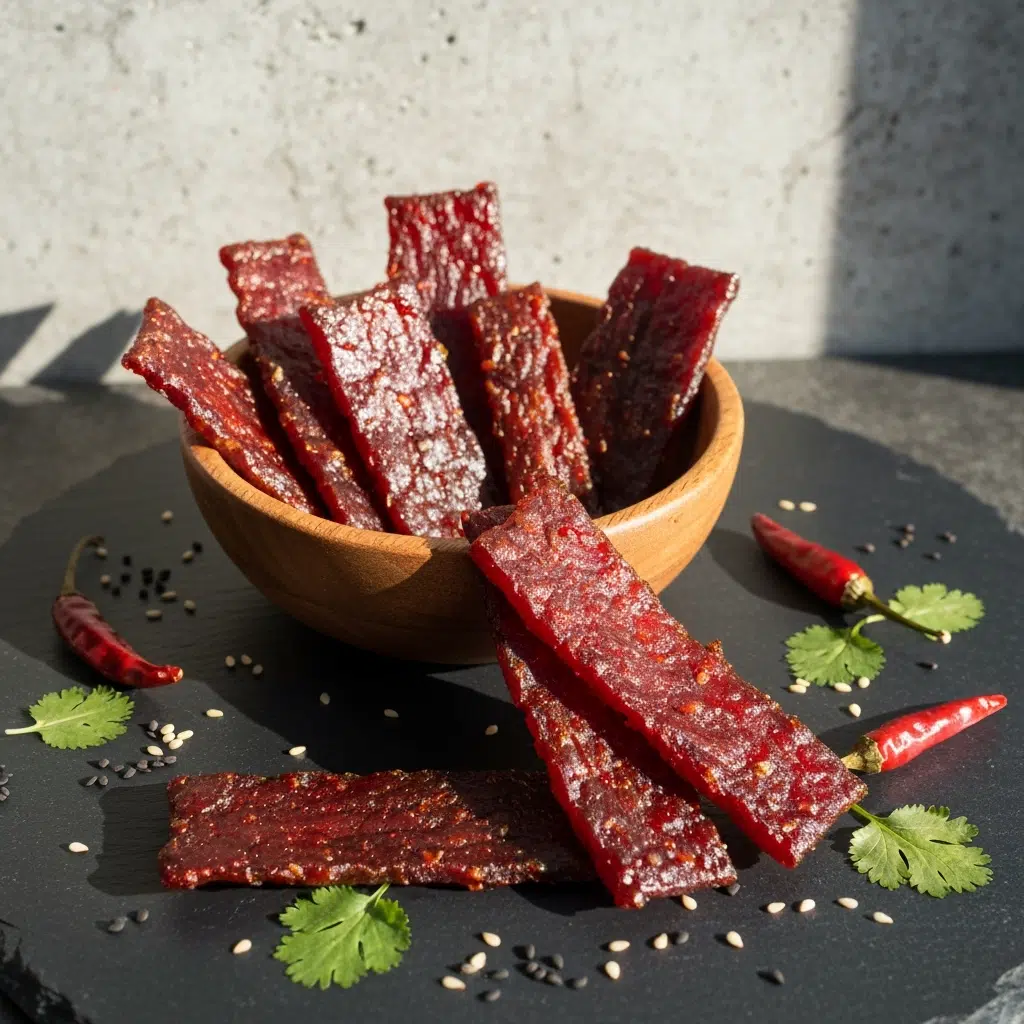
There’s something magical about a good road trip snack—the kind that keeps you going mile after mile, packed with flavor and personality. I still remember the first time I stumbled upon Alien Fresh Jerky during a desert drive through Baker, California. The quirky extraterrestrial theme, the bold beef jerky flavors, the sheer novelty of it all made that pit stop unforgettable. But what if I told you that you don’t need to trek across the Mojave to enjoy that same out-of-this-world taste? Today, I’m sharing how to make your very own Alien Fresh Jerky right at home. It’s savory, slightly sweet, totally addictive, and way easier than you might think.

Whether you’re a jerky fanatic or just looking for a high-protein snack to stash in your glove box, this recipe brings the fun and flavor of that iconic Alien Blood jerky and other unique jerky brands straight to your kitchen. If you love exploring different takes on dried meat snacks, you might also enjoy our No Man's Land Beef Jerky for another bold, homemade option.

Table of Contents

  • Alien Fresh Jerky Ingredients
  • Step-by-Step Alien Fresh Jerky Instructions
  • Alien Fresh Jerky Equipment Needed
  • Why You’ll Love This Alien Fresh Jerky Recipe
  • Healthier Alternatives for Alien Fresh Jerky
  • Alien Fresh Jerky Serving Suggestions
  • Common Mistakes to Avoid with Alien Fresh Jerky
  • Storing Tips for Alien Fresh Jerky
  • Alien Fresh Jerky Conclusion
  • FAQs about alien fresh jerky

Alien Fresh Jerky Ingredients

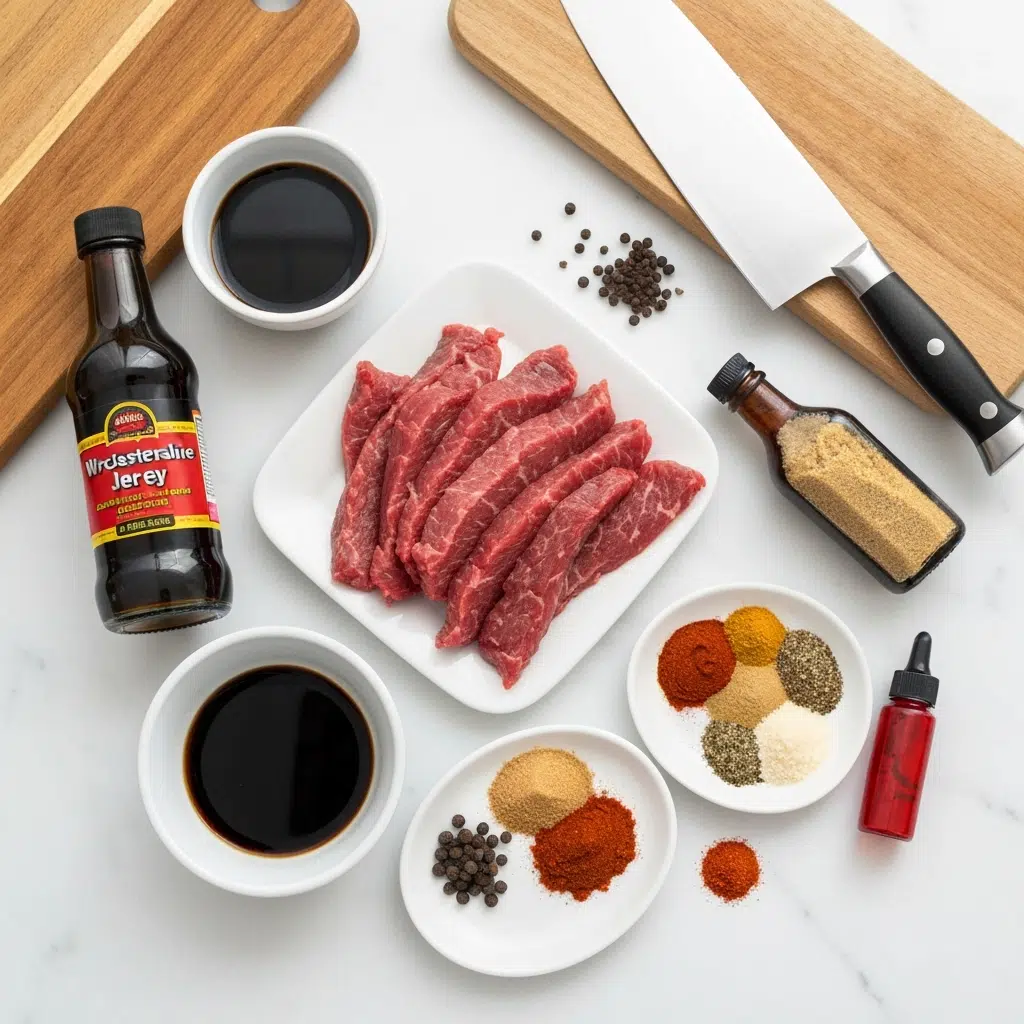
Alien Fresh Jerky starts with a handful of simple, flavor-packed ingredients that work together to create a snack that’s truly memorable.

alien jerky ingredients overhead flat lay 2025 10 07T093352.014Z

  • 2 lbs lean beef (such as top round or flank steak), thinly sliced against the grain
  • ½ cup soy sauce (or tamari for gluten-free)
  • ¼ cup Worcestershire sauce
  • 3 tablespoon brown sugar
  • 2 teaspoon smoked paprika
  • 1 teaspoon garlic powder
  • 1 teaspoon onion powder
  • ½ teaspoon black pepper
  • ¼ teaspoon cayenne pepper (optional, for heat)
  • 2 tablespoon liquid smoke
  • 1 tablespoon apple cider vinegar

Ingredient Swaps & Tips:
No soy sauce? Use coconut aminos. Want less sugar? Swap brown sugar for monk fruit sweetener. For a fun twist, add a splash of hot sauce to mimic that Alien Blood jerky vibe.

Alien Fresh Jerky Timing

  • Prep time: 20 minutes (plus 4+ hours marinating)
  • Cook time: 4–6 hours
  • Total time: 4 hours 20 minutes to 6 hours 20 minutes

Step-by-Step Alien Fresh Jerky Instructions

Making jerky at home is a straightforward process, but a few key steps ensure your Alien Fresh Jerky turns out tender, flavorful, and perfectly dried.

Step 1: Slice the Meat

Place your beef in the freezer for about 30–45 minutes—this firms it up and makes slicing much easier. Using a sharp knife, slice the meat into ¼-inch thick strips, cutting against the grain for a more tender bite. If you’re new to jerky-making, check out our Beef Jerky Near Me guide for extra slicing tips and tricks.

Step 2: Prepare the Marinade

In a medium bowl, whisk together the soy sauce, Worcestershire sauce, brown sugar, smoked paprika, garlic powder, onion powder, black pepper, cayenne (if using), liquid smoke, and apple cider vinegar. Taste and adjust seasoning if needed—this is your chance to make it your own!

Step 3: Marinate the Beef

Place the beef strips in a large resealable bag or shallow dish, and pour the marinade over them. Massage the bag to coat every piece evenly. Seal and refrigerate for at least 4 hours, or ideally overnight. The longer it marinates, the deeper the flavor.

Step 4: Dry the Jerky

Preheat your oven or dehydrator to 165°F (74°C). If using an oven, line baking sheets with wire racks. Arrange the marinated beef strips in a single layer, making sure they don’t overlap. Bake or dehydrate for 4–6 hours, flipping halfway through, until the jerky is dry but still slightly pliable.

Step 5: Cool and Store

Remove the jerky from the oven or dehydrator and let it cool completely on the rack. This helps it achieve the ideal texture. Once cool, store in an airtight container.

Alien Fresh Jerky Nutritional Information

Per serving (1 oz):
Calories: 70 | Protein: 11g | Carbs: 2g | Fat: 2g
This jerky is high in protein and low in carbs, making it a smart choice for keto, paleo, or low-carb diets. It’s also packed with iron and B vitamins thanks to the lean beef.

Alien Fresh Jerky Equipment Needed

You don’t need fancy gear to make great jerky, but a few tools help:

  • Sharp chef’s knife
  • Large mixing bowl
  • Resealable plastic bags or a shallow dish for marinating
  • Baking sheets and wire racks (for oven method)
  • Dehydrator (optional but efficient)

Why You’ll Love This Alien Fresh Jerky Recipe

  • It’s customizable: Adjust the sweetness, saltiness, or heat to match your taste.
  • Cost-effective: Homemade jerky is far cheaper than store-bought brands.
  • Perfect for gifting: Package it in cute bags for a unique, thoughtful present.
  • Great for meal prep: Make a big batch and enjoy it all week.

Healthier Alternatives for Alien Fresh Jerky

Want to lighten things up? Try these simple swaps:

  • Use low-sodium soy sauce to cut down on salt.
  • Replace brown sugar with a sugar-free alternative like erythritol.
  • Try lean turkey or chicken breast instead of beef—our Chicken Jerky recipe is a great starting point.
alien fresh jerky overhead 2025 10 07T093415.756Z

Alien Fresh Jerky Serving Suggestions

This jerky is fantastic on its own, but here are a few ways to enjoy it:

  • Pack it in lunchboxes alongside cheese, nuts, and fruit.
  • Serve as part of a charcuterie board with crackers, olives, and pickles.
  • Crumble over salads for a protein boost.
  • Take it hiking, road tripping, or to the office for a satisfying snack.

Common Mistakes to Avoid with Alien Fresh Jerky

  • Skipping the freeze: Partially freezing the meat makes slicing uniform strips much easier.
  • Overlapping strips: Give each piece space to dry evenly—crowding leads to uneven texture.
  • Over-drying: Jerky should be chewy, not brittle. Check it periodically during the last hour of drying.

Storing Tips for Alien Fresh Jerky

Store your jerky in an airtight container or resealable bag at room temperature for up to 2 weeks. For longer storage, keep it in the fridge for up to 2 months, or freeze for up to 6 months. If you’re into game meats, you might also like our Deer Jerky Recipe—it stores just as well!

alien fresh jerky recipe pinterest photo 2025 10 07T093327.152Z

Alien Fresh Jerky Conclusion

Making your own Alien Fresh Jerky is a fun, rewarding project that delivers a seriously tasty snack. Whether you’re craving that signature Baker, California store flavor or just want a high-protein treat to have on hand, this recipe has you covered. It’s flexible, full of character, and sure to become a staple in your snack rotation.

If you give this recipe a try, I’d love to hear how it turned out! Leave a comment below, and don’t forget to tag @Stacksipsnack on Pinterest so I can see your creations. For more jerky inspiration, check out our People's Choice Beef Jerky—it’s another reader favorite you won’t want to miss.

FAQs about alien fresh jerky

Where is Alien Fresh Jerky located?

Alien Fresh Jerky is located in Baker, California, right off Interstate 15 on the way to Las Vegas. Its exact address is 72302 Baker Blvd, Baker, CA 92309.

What makes Alien Fresh Jerky unique?

Alien Fresh Jerky is unique for its extraterrestrial theme, wide variety of creative jerky flavors, and its status as a popular roadside attraction in the California desert.

What are the most popular jerky flavors at Alien Fresh Jerky?

Popular flavors include traditional beef jerky, teriyaki, peppered, and more adventurous options like hot & spicy and their signature alien-themed varieties.

Can you buy Alien Fresh Jerky online?

Yes, Alien Fresh Jerky can be purchased online through their official website, allowing customers across the country to enjoy their products.

Is Alien Fresh Jerky only a store?

No, it is more than just a store. It is a full experience with alien decor, a wide selection of snacks and sodas, and a fun, quirky atmosphere for travelers.

What are the operating hours for Alien Fresh Jerky?

Alien Fresh Jerky is typically open from 8:00 AM to 8:00 PM daily, but hours can vary, so it is best to check their website or call ahead before visiting.

💬 Let’s Stay Connected!
For daily recipes, kitchen tips, and exclusive content, follow me on:
👉 Facebook for behind-the-scenes & community fun
👉 Pinterest for visual inspiration & meal ideas
👉 X (Twitter) for quick tips & trending recipes

📲 Join the flavor journey, your next favorite recipe is just a follow away!

High-Protein Fluffy Pancakes

There’s something deeply comforting about a stack of warm, fluffy pancakes on a slow weekend morning. But if you’ve ever finished a plate of traditional pancakes only to feel hungry an hour later, you know the struggle. That’s exactly why I set out on a mission to create the ultimate High-Protein Fluffy Pancakes. This recipe is the secret to a perfect healthy breakfast that actually keeps you full and satisfied. It’s the happy marriage of classic, diner-style fluffiness and the sustained energy of a protein-packed meal. Whether you’re fueling up for a busy day, looking for a post-workout treat, or simply want a breakfast that feels indulgent without the crash, these pancakes are your answer. The best part? You can make them with or without protein powder, so they’re accessible for every pantry.

Table of Contents

  • What Makes These the Best High-Protein Fluffy Pancakes?
  • Ingredients You'll Need for High-Protein Fluffy Pancakes
  • Step-by-Step: How to Make High-Protein Fluffy Pancakes
  • Tips for Perfectly Fluffy Protein Pancakes Every Time
  • High-Protein Pancake Variations & Add-ins
  • Storage, Reheating & Meal Prep Tips
  • High-Protein Fluffy Pancakes: FAQs
  • Nutrition Information (Per Serving, makes 2 servings)
  • Serving Suggestions
  • Common Mistakes to Avoid
  • Storing Tips for the Recipe
  • Conclusion
  • FAQs about High-Protein Fluffy Pancakes

What Makes These the Best High-Protein Fluffy Pancakes?

The quest for a pancake that is both nutritious and delicious often leads to dry, rubbery, or dense results. This recipe is different. We’ve cracked the code by focusing on two key elements: protein sources that contribute to tenderness and leavening agents that create an incredible lift. The result is a stack of High-Protein Fluffy Pancakes that are genuinely light, airy, and satisfying. They have a delicate crumb and a subtle sweetness that pairs perfectly with your favorite toppings, proving that you don’t have to sacrifice flavor for function.

The Secret to Ultimate Fluffiness

The fluffiness in these pancakes comes from a combination of science and a little patience. We use a double-acting baking powder, which creates bubbles once when it hits the liquid in the batter and again when it heats up in the pan. But the real secret? Letting the batter rest for a few minutes before cooking. This allows the gluten to relax and the starch molecules to hydrate, resulting in a more tender and uniformly fluffy pancake. It’s a simple step that makes a world of difference.

Benefits of a Protein-Packed Breakfast

Starting your day with a high-protein meal like these pancakes can help regulate your appetite, reduce cravings, and provide a steady release of energy. Unlike a carbohydrate-heavy breakfast that can lead to a mid-morning slump, protein helps keep your blood sugar stable. This makes these pancakes an excellent choice for anyone with a busy schedule, fitness goals, or just a desire to feel their best throughout the day.

Ingredients You'll Need for High-Protein Fluffy Pancakes

The very first step to making perfect High-Protein Fluffy Pancakes is gathering your ingredients. This recipe is designed for flexibility, so you can easily adapt it to what you have on hand.

high protein fluffy pancakes ingredients 2025 10 08T055532.492Z

Dry Ingredients:

  • 1 cup (120g) oat flour (or all-purpose/whole wheat flour)
  • 1 scoop (30g) vanilla or unflavored protein powder (see note for without)
  • 2 tablespoons coconut sugar or maple syrup (optional, for sweetness)
  • 1 tablespoon baking powder
  • ¼ teaspoon salt

Wet Ingredients:

  • 2 large eggs
  • ¾ cup (180g) plain Greek yogurt or cottage cheese
  • ½ cup milk (any kind)
  • 1 teaspoon vanilla extract

Key Protein Sources (With & Without Protein Powder Options)

The protein in this recipe is multi-sourced for the best texture and nutritional profile.

  • With Protein Powder: A scoop of a good-quality whey or plant-based protein powder adds a significant protein boost and helps create a beautiful, golden-brown crust. For a similar mix-in concept, check out our DIY High-Protein Pancake Mix.
  • Without Protein Powder: Simply omit the protein powder and replace it with an additional ¼ cup of oat flour. The eggs and Greek yogurt still provide an impressive 20+ grams of protein per serving. For another fantastic no-powder option, our Protein Cottage Cheese Pancakes are a reader favorite.

Pantry Staples for Perfect Fluffy Texture

Beyond the protein, a few humble ingredients are key to the fluffiness. Baking powder is non-negotiable for lift. Eggs act as a binder and add structure, while the Greek yogurt (or cottage cheese) introduces moisture and a slight tang that balances the sweetness. The milk thins the batter to the perfect, pourable consistency.

Timing

  • Prep time: 5 minutes
  • Cook time: 10 minutes
  • Total time: 15 minutes

Step-by-Step: How to Make High-Protein Fluffy Pancakes

Making these pancakes is as easy as one, two, three. Follow these simple steps for a foolproof breakfast.

Step 1: Prepare Your Batter for Success
In a large bowl, whisk together all the dry ingredients: oat flour, protein powder (if using), coconut sugar, baking powder, and salt. In a separate medium bowl, whisk the wet ingredients—eggs, Greek yogurt, milk, and vanilla extract—until smooth. Pour the wet ingredients into the dry ingredients and gently stir with a spatula until just combined. A few lumps are perfectly fine! Overmixing is the enemy of fluffy pancakes.

Step 2: Cooking Your Perfectly Golden Pancakes
Heat a non-stick skillet or griddle over medium heat. Lightly grease it with butter or cooking spray. Once hot, pour about ¼ cup of batter for each pancake onto the skillet. Cook for 2-3 minutes, or until you see bubbles forming on the surface and the edges look set. This is a great time to add blueberries or chocolate chips if you like. Carefully flip and cook for another 1-2 minutes on the other side, until golden brown and cooked through.

Tips for Perfectly Fluffy Protein Pancakes Every Time

Don't Overmix the Batter!

This is the golden rule of pancake making. Mix the batter until the ingredients are just incorporated. A lumpy batter is a fluffy batter. Overmixing develops the gluten in the flour, leading to tough, chewy pancakes.

The Right Pan & Temperature Control

A consistent medium heat is crucial. If the pan is too hot, the outside will burn before the inside is cooked. If it's too low, the pancakes will be pale and greasy. To test, flick a few drops of water onto the surface; they should sizzle and dance.

Let Your Batter Rest

Allowing the batter to rest for 5-10 minutes before cooking gives the baking powder a head start and allows the flour to fully hydrate, resulting in a taller, more tender pancake.

High-Protein Pancake Variations & Add-ins

One of the best things about this base recipe is how adaptable it is.

Sweet & Savory Flavor Boosters

  • Sweet: Fold in ½ cup of fresh blueberries, dark chocolate chips, or mashed banana into the batter.
  • Savory: Omit the vanilla and coconut sugar. Add ¼ cup shredded cheese and chopped chives for a savory twist.

Making Them Gluten-Free or Dairy-Free

  • Gluten-Free: Ensure you use certified gluten-free oat flour.
  • Dairy-Free: Use a plant-based yogurt (like almond or coconut) and your favorite non-dairy milk. For the protein powder, choose a vegan blend.

Other Protein Sources

If you're out of Greek yogurt, you can blend ¾ cup of cottage cheese with the wet ingredients for a super creamy, high-protein batter. For another baked good that uses a similar protein-packed approach, you’ll love our Healthy Greek Yogurt Blueberry Protein Muffins.

Storage, Reheating & Meal Prep Tips

How to Store Leftover Protein Pancakes

Let the pancakes cool completely. Store them in an airtight container in the refrigerator for up to 4 days. For longer storage, they freeze beautifully for up to 3 months. Place parchment paper between each pancake before freezing to prevent them from sticking together.

Quick Reheating Methods for Busy Mornings

  • Toaster: The fastest method! Pop frozen or refrigerated pancakes directly into the toaster until warm.
  • Oven: Place pancakes on a baking sheet in a 350°F (175°C) oven for 5-10 minutes.
  • Microwave: Heat for 20-30 seconds, though this can make them slightly softer.

High-Protein Fluffy Pancakes: FAQs

Can I make them ahead of time?
Absolutely! You can make the batter the night before and store it covered in the refrigerator. The batter may thicken, so you can stir in a tablespoon or two of milk in the morning to loosen it up.

What's the best protein powder to use?
Whey/casein blends or plant-based pea protein blends tend to work best as they don't make the batter too gritty. Avoid collagen peptides, as they don't provide the same structure and can make pancakes gummy.

How can I increase the protein without powder?
You can add an extra egg white or use a full cup of Greek yogurt instead of ¾ cup. Another great option is to explore our Kodiak Cakes Pancake Recipe, which uses a high-protein commercial mix.

Are these suitable for kids or specific diets?
Kids love them! They are a fantastic way to sneak in extra protein. For gluten-free needs, just ensure your oat flour is certified gluten-free.

Nutrition Information (Per Serving, makes 2 servings)

  • Calories: ~320
  • Protein: 25-35g (depending on protein powder use)
  • Carbohydrates: 35g
  • Fat: 8g
high protein pancakes almond butter raspberries 2025 10 08T055555.756Z

Serving Suggestions

The perfect stack of High-Protein Fluffy Pancakes deserves the perfect toppings. Keep it classic with a drizzle of pure maple syrup and a pat of butter. For a fresh twist, load them up with fresh berries, sliced banana, and a sprinkle of chopped nuts. For a decadent yet healthy option, add a dollop of Greek yogurt and a spoonful of almond butter. If you're looking for another high-protein breakfast idea that feels like a treat, our High-Protein Berry Bake is a must-try.

Common Mistakes to Avoid

  1. Overmixing the Batter: This is the #1 cause of flat, tough pancakes. Stir until just combined.
  2. Cooking at the Wrong Temperature: Too hot and they burn; too low and they steam and become dense. Find that sweet medium heat.
  3. Pressing Down on the Pancakes: Resist the urge to press with your spatula! This squeezes out the air bubbles you worked so hard to create.

Storing Tips for the Recipe

These pancakes are a meal-prep dream. To freeze, lay cooled pancakes in a single layer on a baking sheet until solid, then transfer to a freezer bag. Reheat straight from the freezer in the toaster or oven for a quick, healthy breakfast any day of the week.

High Protein Fluffy Pancakes Pinterest Food Photo 2025 10 08T055506.751Z

Conclusion

These High-Protein Fluffy Pancakes truly are the secret to a perfect, healthy breakfast. They are simple to make, incredibly satisfying, and versatile enough to become a weekly staple in your kitchen. I hope this recipe brings as much joy and energy to your mornings as it has to mine. I’d love to hear how yours turned out! Leave a comment below and don’t forget to tag @Stacksipsnack on Pinterest so I can see your beautiful stacks.

FAQs about High-Protein Fluffy Pancakes

How do you make pancakes fluffy and high protein?

To achieve both fluffiness and high protein, incorporate leavening agents like baking powder or soda, avoid overmixing your batter, and consider separating and whipping egg whites. For protein, add a scoop of protein powder, use Greek yogurt or cottage cheese in the batter, or include extra egg whites.

What makes pancakes fluffy?

Pancakes get their fluffiness primarily from leavening agents such as baking powder or baking soda, which create carbon dioxide bubbles. Not overmixing the batter (leaving it slightly lumpy) and allowing it to rest for a few minutes also helps the gluten relax and the leavening agents activate, resulting in a lighter texture.

How can I add more protein to my pancakes?

You can easily boost pancake protein by mixing in protein powder (whey, casein, or plant-based) directly into the dry ingredients. Other methods include using high-protein dairy like Greek yogurt or cottage cheese, adding extra egg whites, or opting for high-protein flour alternatives such as oat flour or a protein-fortified mix.

Can you add protein powder directly to pancake mix?

Yes, you can add protein powder directly to pancake mix. Start by substituting a small amount of the flour (e.g., ¼ cup per cup of mix) with protein powder, or simply add a scoop to your standard mix. You may need to adjust the liquid content slightly to achieve the desired batter consistency as protein powder can absorb more moisture.

What is the secret to perfect pancakes?

The secret to perfect pancakes lies in several key steps: use fresh leavening agents, do not overmix the batter (a few lumps are good!), let the batter rest for 5-10 minutes, cook on a preheated griddle at medium heat, and flip only once when bubbles appear on the surface and the edges look set.

Are protein pancakes good for weight loss?

Protein pancakes can be beneficial for weight loss because the high protein content promotes satiety, helping you feel fuller for longer and potentially reducing overall calorie intake. They can also help preserve muscle mass during a calorie deficit. However, their effectiveness depends on the total calorie and sugar content from the ingredients and toppings used.

💬 Let’s Stay Connected!
For daily recipes, kitchen tips, and exclusive content, follow me on:
👉 Facebook for behind-the-scenes & community fun
👉 Pinterest for visual inspiration & meal ideas
👉 X (Twitter) for quick tips & trending recipes

📲 Join the flavor journey, your next favorite recipe is just a follow away!

Maple Pecan Overnight Oats

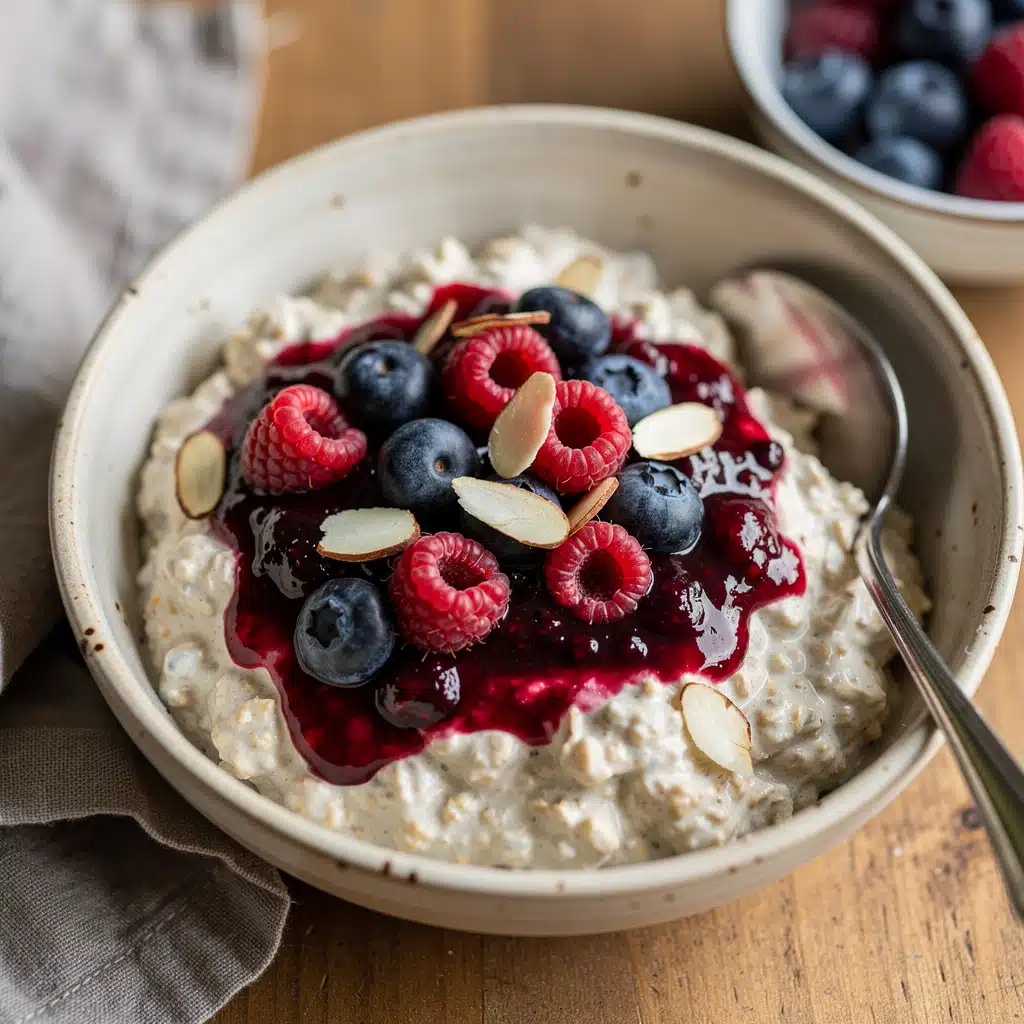
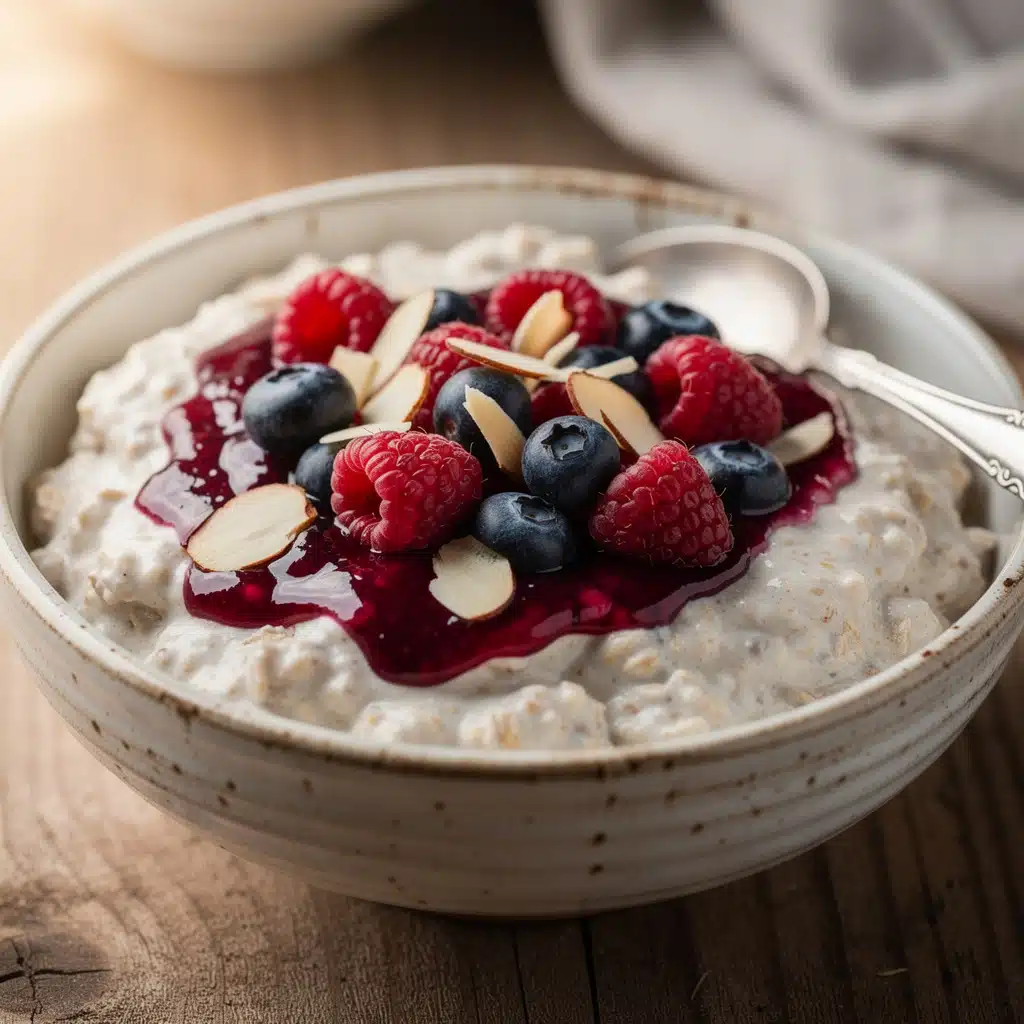
There’s something almost magical about waking up to a breakfast that’s already made, waiting patiently in the fridge like a little gift from your past self. For years, I struggled with chaotic mornings—scrambling for a bite between packing lunches and finding matching socks, often settling for a sad granola bar or, worse, skipping breakfast entirely. That all changed when I discovered the simple brilliance of overnight oats. And let me tell you, this particular version, my Maple Pecan Overnight Oats, has become the undisputed champion of my morning routine. It’s the perfect combination of cozy, comforting flavor and no-fuss preparation, a healthy breakfast that genuinely feels like a treat.

Like my High Protein Berry Bake, this recipe is a game-changer for anyone who wants a nutritious start without the morning madness. Imagine the warm, autumnal flavors of maple and toasted pecans, all soaked into creamy oats that require zero cooking. It’s a vegan overnight oats dream and a gluten free breakfast powerhouse, all prepped in about five minutes the night before. If you’re looking for a meal prep breakfast that you’ll actually be excited to eat, you’ve just found it.

Table of Contents

  • Maple Pecan Overnight Oats Ingredients
  • How to Make Maple Pecan Overnight Oats
  • Equipment You’ll Need
  • Why You’ll Love This Recipe
  • Healthier Twists and Variations
  • Serving Your Overnight Oats
  • Common Mistakes to Avoid
  • Storing and Meal Prep Tips
  • Your New Go-To Breakfast
  • FAQs about Maple Pecan Overnight Oats

Maple Pecan Overnight Oats Ingredients

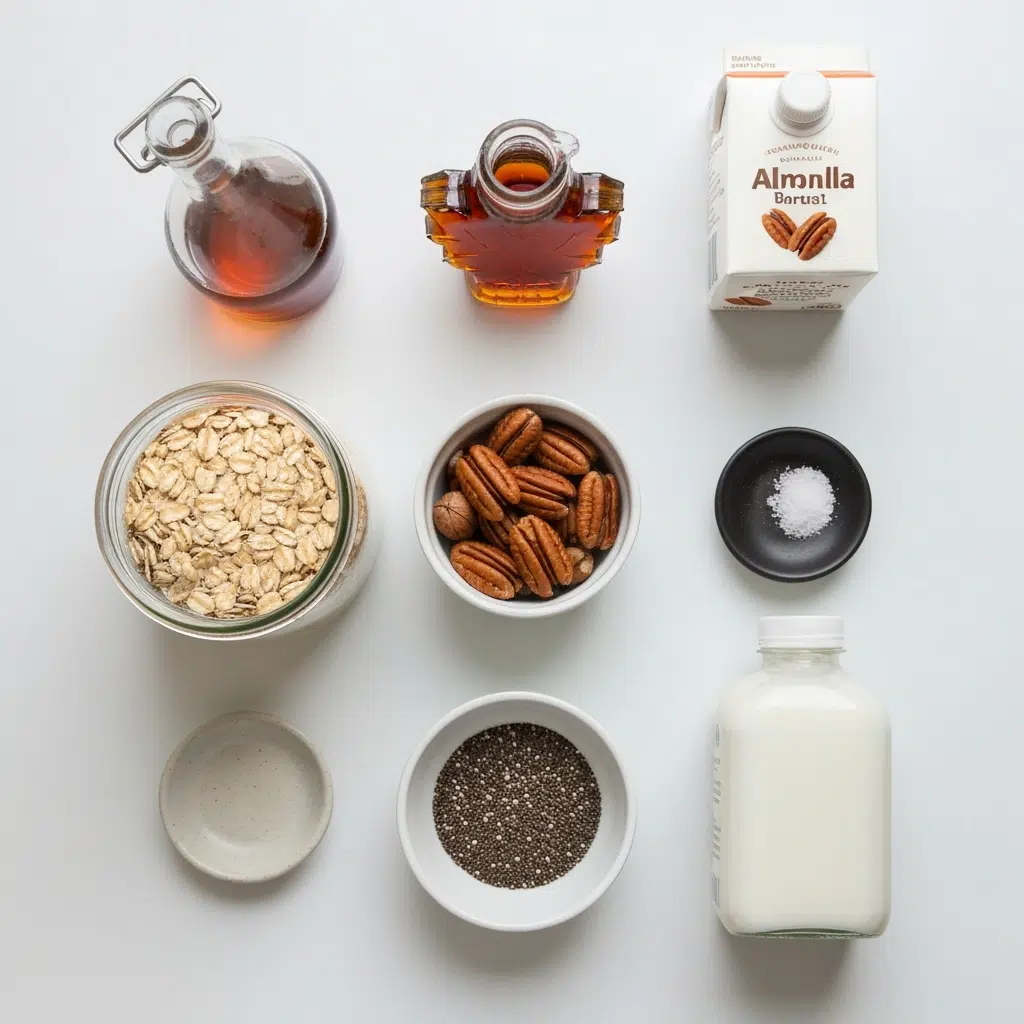
Maple Pecan Overnight Oats come together with a handful of simple, wholesome ingredients. The beauty of this easy breakfast recipe is its flexibility; you likely have most of these staples in your pantry right now.

maple pecan overnight oats ingredients 2025 10 07T234750.060Z

  • Old-Fashioned Rolled Oats: The foundation. Don’t use quick oats, as they can get too mushy.
  • Chia Seeds: These are the secret to a wonderfully thick, pudding-like texture. They also add a boost of fiber and omega-3s.
  • Pure Maple Syrup: For that unmistakable, rich sweetness. Please use the real stuff for the best flavor.
  • Milk of Choice: I often use unsweetened almond milk to keep it light, but oat milk, cashew milk, or even dairy milk work perfectly.
  • Vanilla Extract: A splash to deepen the warm, comforting notes.
  • A Pinch of Salt: Crucial for balancing the sweetness and making all the flavors pop.
  • Pecans: For topping! We’ll use them raw, but toasting them first elevates the flavor to a whole new level.

Quick Prep Timing

One of the biggest wins with this overnight oats recipe is the minimal active time. Your future self will thank you for this five-minute investment.

  • Prep Time: 5 minutes
  • Chill Time: 4 hours (or ideally overnight)
  • Total Time: 4 hours 5 minutes
  • Servings: 1

How to Make Maple Pecan Overnight Oats

The process for this healthy breakfast couldn't be simpler. It’s a true dump-and-stir situation, perfect for when your evening energy is running low.

  1. Combine the Base: Grab a jar, bowl, or container with a lid. Add the old-fashioned oats, chia seeds, and a pinch of salt. Give them a quick stir to combine.
  2. Add the Wet Ingredients: Pour in your milk of choice, the pure maple syrup, and the vanilla extract.
  3. Mix Thoroughly: Stir everything together very well. This is key to preventing clumps of chia seeds and ensuring every oat gets coated in the liquid. The mixture will look quite liquidy at first—that’s normal!
  4. Seal and Chill: Pop the lid on your container and place it in the refrigerator for at least 4 hours, but ideally overnight. This rest time is when the magic happens: the oats soften and the chia seeds expand, creating a thick, creamy consistency.
  5. Serve and Top: The next morning, give the oats a good stir. If they’ve thickened a bit too much for your liking, add a splash of milk to loosen them up. Top with your chopped pecans and dive in!

Nutritional Snapshot

This isn’t just a tasty meal prep breakfast; it’s a nourishing one. Here’s a general look at what you’re getting in one serving (approximate values):

  • Calories: ~350
  • Protein: 8-10g
  • Fat: 14g (from heart-healthy nuts and seeds)
  • Carbohydrates: 50g
  • Fiber: 9g
  • Key Nutrients: A good source of magnesium, manganese, and omega-3 fatty acids from the chia seeds and pecans.

Equipment You’ll Need

You don’t need any fancy gadgets for this easy breakfast recipe. Simplicity is the name of the game.

  • A 12 to 16-ounce jar, mason jar, or any container with a tight-fitting lid.
  • A measuring cup and spoons.
  • A spoon or fork for stirring.

Why You’ll Love This Recipe

This Maple Pecan Overnight Oats recipe has earned a permanent spot in my rotation for so many reasons.

  • Effortless Mornings: Your breakfast is ready the second you open the fridge. No cooking, no blending, no cleanup.
  • Meal Prep Hero: You can make multiple jars at once for a grab-and-go healthy breakfast for the entire week.
  • Incredibly Customizable: This base recipe is a canvas. Once you master it, the flavor variations are endless.
  • Dietary-Friendly: It’s naturally vegan and gluten-free (just ensure your oats are certified gluten-free).
  • Truly Satisfying: The combination of complex carbs, fiber, and healthy fats keeps you full and energized for hours. It’s a far cry from the sugar crash of a pastry.

Healthier Twists and Variations

The basic formula for these vegan overnight oats is wonderfully adaptable. Don’t be afraid to make it your own!

  • Boost the Protein: Stir in a scoop of your favorite vanilla or unflavored protein powder along with the dry ingredients. You may need to add an extra tablespoon or two of milk. For another protein-packed idea, check out my No-Bake Cottage Cheese Brownie Batter Protein Bites.
  • Make it Nut-Free: Simply swap the pecans for toasted sunflower or pumpkin seeds.
  • Lower the Sugar: You can reduce the maple syrup by half or replace it with a mashed, very ripe banana for natural sweetness.
  • Spice it Up: A dash of cinnamon or pumpkin pie spice would be a lovely addition to the base mixture.

Serving Your Overnight Oats

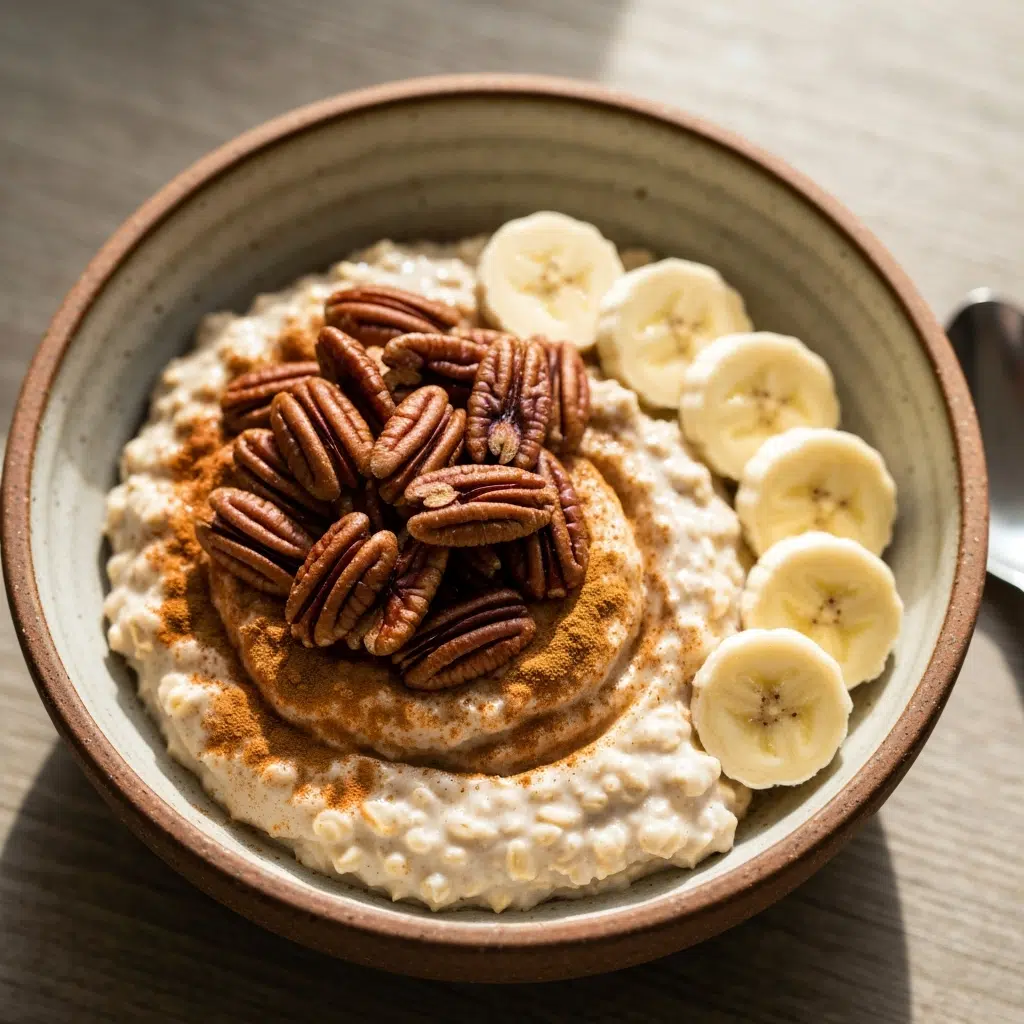
While delicious straight from the jar, you can easily dress up your Maple Pecan Overnight Oats for a special treat.

maple pecan overnight oats bowl 2025 10 07T234813.199Z

  • Topping Ideas: Beyond pecans, try fresh banana slices, a handful of blueberries, a dollop of Greek yogurt, or a light drizzle of extra maple syrup.
  • Texture Contrast: For a bit of crunch, sprinkle some granola on top right before eating.
  • Warm Option: While typically eaten cold, you can gently heat them in the microwave for 30-60 seconds if you prefer a warm breakfast.

Common Mistakes to Avoid

A few small missteps can affect your final bowl. Here’s how to ensure perfect Maple Pecan Overnight Oats every single time.

  1. Skipping the Stir: If you don’t mix the ingredients thoroughly at the beginning, the chia seeds will clump together into a gelatinous mass. A good, vigorous stir is non-negotiable.
  2. Using Quick Oats: Quick oats absorb liquid much faster and can result in a gummy, less textured final product. Old-fashioned rolled oats provide the ideal consistency.
  3. Not Letting Them Rest: Impatience is the enemy here! The oats need a minimum of 4 hours to properly soften and absorb the liquid. Overnight is truly best.
  4. Forgetting the Salt: That tiny pinch of salt is what makes the maple and pecan flavors sing. Don’t leave it out.

Storing and Meal Prep Tips

This recipe is the definition of a make-ahead marvel.

  • Refrigeration: Your prepared overnight oats will keep beautifully in the fridge for up to 4-5 days. This makes them a perfect meal prep breakfast for the work week.
  • Make-Ahead: You can assemble multiple jars on a Sunday and have breakfast ready for the next several days. I don’t recommend adding the pecan topping until you’re ready to eat, as they can lose their crunch.
  • Freezing: You can freeze overnight oats for up to 3 months. Thaw them in the refrigerator overnight before eating. Give them a good stir and add a splash of milk to refresh the texture.

Your New Go-To Breakfast

maple pecan overnight oats pinterest recipe 2025 10 07T234726.668Z

I truly believe that a good morning sets the tone for the entire day, and these Maple Pecan Overnight Oats are one of the simplest, most delicious ways to guarantee a good morning. They’re creamy, satisfying, and packed with the kind of cozy flavor that makes you feel cared for. If you love this easy breakfast recipe, you might also enjoy my Banana Oatmeal High Protein Breakfast Cookies for another on-the-go option, or my Healthy Greek Yogurt Blueberry Protein Muffins for a baked treat.

I’d love to hear how your Maple Pecan Overnight Oats turn out! What are your favorite toppings? Leave a comment below and share your creations with me on Pinterest by tagging @Stacksipsnack. Happy prepping

FAQs about Maple Pecan Overnight Oats

Is it good to eat overnight oats every day?

Yes, overnight oats can be a very healthy daily breakfast. They are rich in fiber, promote satiety, and provide sustained energy. Ensure you vary toppings and mix-ins for a wider range of nutrients.

Can you heat maple pecan overnight oats?

Absolutely. While traditionally eaten cold, you can gently warm maple pecan overnight oats on the stovetop over low heat or in the microwave for 30-60 seconds until warm, but not boiling.

How long do maple pecan overnight oats last in the fridge?

Maple Pecan Overnight Oats typically last 3-5 days when stored in an airtight container in the refrigerator. Pecans might soften slightly over time, but the oats remain good to eat.

What kind of oats are best for overnight oats?

Old-fashioned rolled oats are ideal for overnight oats. They absorb liquid well, resulting in a creamy texture without becoming mushy. Quick oats can be used but may become too soft; steel-cut oats are generally too chewy for overnight preparation.

What are the benefits of pecan overnight oats?

Pecan overnight oats offer a nutritious start to your day. Oats provide soluble fiber for digestion and heart health, while pecans add healthy fats, antioxidants, and minerals like zinc and manganese, contributing to sustained energy and satiety.

Are overnight oats better than cooked oats?

Nutritionally, overnight oats and cooked oats are very similar. Overnight oats may offer slightly better nutrient preservation due to no heat, and the soaking process can make them easier to digest. The "better" choice often comes down to personal preference for texture and preparation convenience.

💬 Let’s Stay Connected!
For daily recipes, kitchen tips, and exclusive content, follow me on:
👉 Facebook for behind-the-scenes & community fun
👉 Pinterest for visual inspiration & meal ideas
👉 X (Twitter) for quick tips & trending recipes

📲 Join the flavor journey, your next favorite recipe is just a follow away!
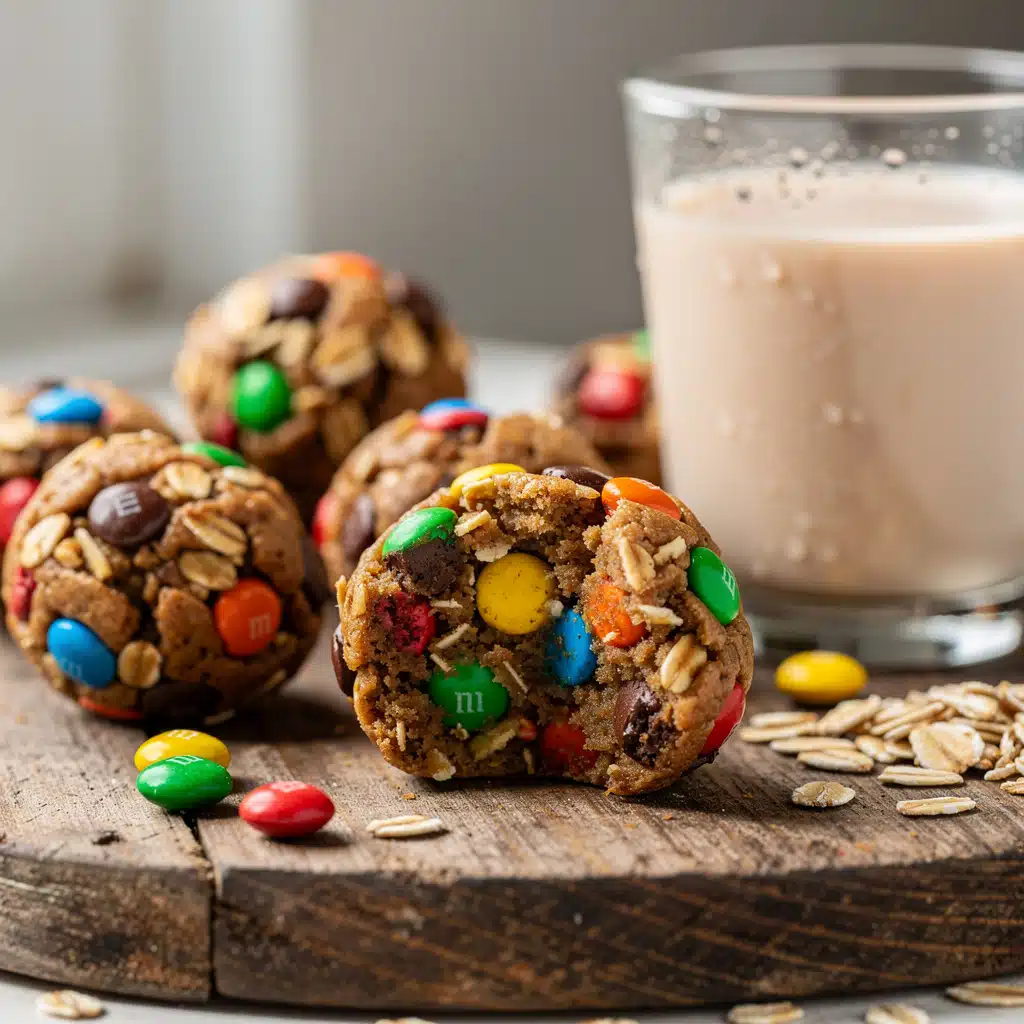
Make-Ahead Protein Oatmeal Bake for Busy Mornings

If your mornings feel like a frantic race against the clock, I have the solution that will change everything. This Make-Ahead Protein Oatmeal Bake for Busy Mornings is my personal secret weapon, born from years of chaotic school runs and a desperate need for a breakfast that wouldn't leave me hangry by 10 AM. It’s the ultimate meal prep hack that delivers a warm, satisfying, and protein-packed start to the day, all without any morning effort. Imagine waking up to a kitchen that already smells like a cozy bakery, knowing a nutritious breakfast is ready and waiting. This isn't just another bowl of oatmeal; it's a hearty, customizable bake that feels like a treat but fuels your body like a champion. It’s the recipe that finally made me a morning person.

Table of Contents

  • Make-Ahead Protein Oatmeal Bake Ingredients
  • Step-by-Step Instructions for Your Protein Baked Oats
  • Equipment Needed
  • Why You’ll Love This Customizable Oatmeal Bake
  • Healthier Alternatives for Your Vegan Protein Breakfast
  • Serving Suggestions for Your Easy Breakfast Meal Prep
  • Common Mistakes to Avoid
  • Storing Tips for Your Make-Ahead Masterpiece
  • Your New Go-To Breakfast Solution
  • FAQs about Make-Ahead Protein Oatmeal Bake for Busy Mornings

Make-Ahead Protein Oatmeal Bake Ingredients

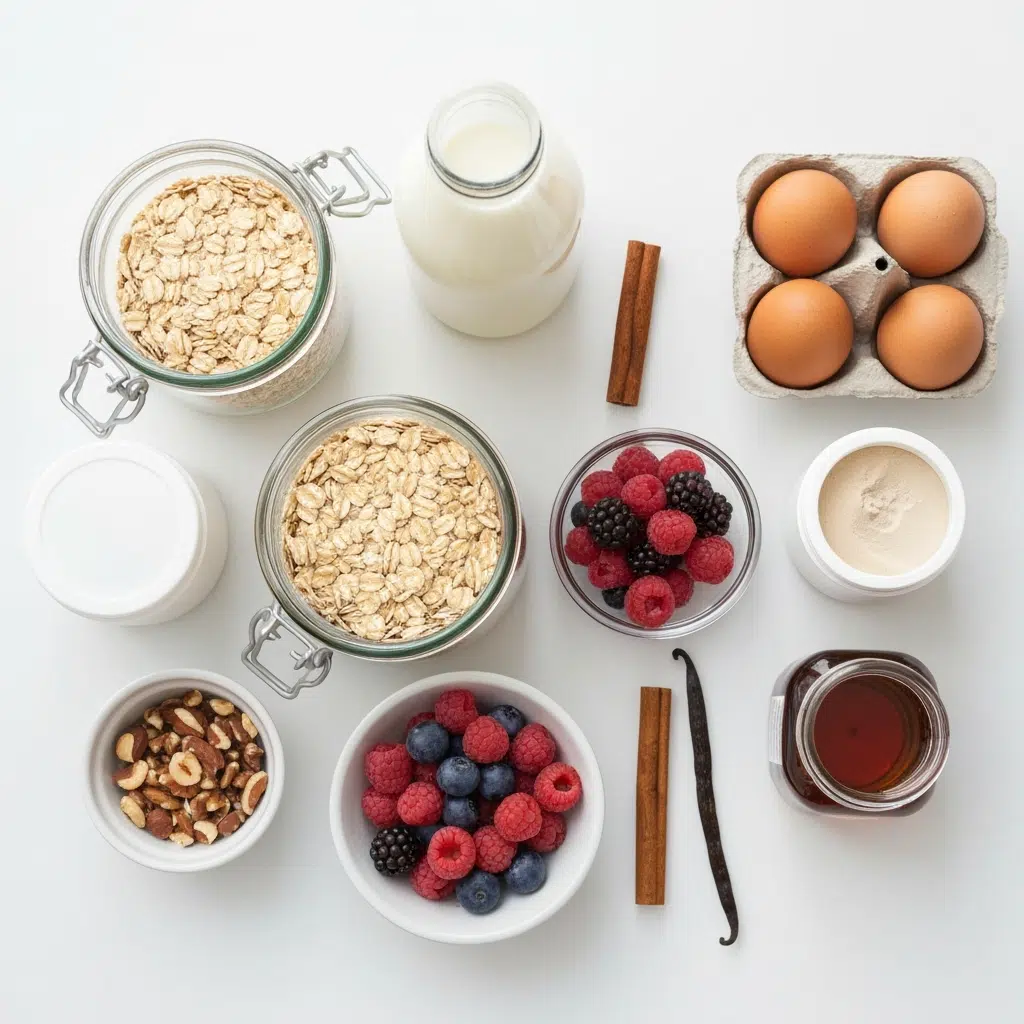
protein oatmeal bake ingredients overhead 2025 10 07T135536.188Z

This Make-Ahead Protein Oatmeal Bake for Busy Mornings comes together with simple, wholesome ingredients. Here’s what you’ll need:

  • Old-Fashioned Rolled Oats: 2 cups. They provide the perfect chewy texture and heartiness. Do not use instant oats, as they will get too mushy.
  • Protein Powder: ½ cup of your favorite vanilla or unflavored variety. This is our key ingredient for a major protein boost.
  • Milk: 2 cups. I use unsweetened almond milk, but any milk—dairy, oat, or soy—works beautifully.
  • Eggs: 2 large eggs, to bind the bake and add richness.
  • Maple Syrup: ¼ cup for a touch of natural sweetness. You can adjust this to your taste.
  • Baking Powder: 1 teaspoon, to help the bake rise slightly and become fluffy.
  • Cinnamon: 1 teaspoon, for that essential warm, cozy flavor.
  • Vanilla Extract: 1 teaspoon.
  • Salt: ½ teaspoon, to balance the sweetness.
  • Mix-ins of Choice: 1 cup total. My go-to is ½ cup blueberries and ½ cup chopped walnuts. This is where you can get creative!

Prep and Cook Time

  • Prep Time: 10 minutes
  • Cook Time: 35-40 minutes
  • Total Time: About 50 minutes

The active time is incredibly short, making this one of the easiest breakfast meal prep recipes you'll ever try.

Step-by-Step Instructions for Your Protein Baked Oats

Let’s walk through the simple process of creating your new favorite healthy oatmeal bake recipe.

  1. Preheat and Prepare: Start by preheating your oven to 375°F (190°C). Grease an 8x8 inch baking dish with a little butter, oil, or cooking spray.
  2. Combine Dry Ingredients: In a large mixing bowl, whisk together the rolled oats, protein powder, baking powder, cinnamon, and salt. This ensures the leavening and spices are evenly distributed.
  3. Whisk Wet Ingredients: In a separate medium bowl, whisk the eggs, milk, maple syrup, and vanilla extract until well combined.
  4. Combine Everything: Pour the wet ingredients into the dry ingredients. Stir with a spatula until just combined. Be careful not to overmix. Gently fold in your chosen mix-ins, like blueberries and walnuts.
  5. Bake to Perfection: Pour the batter into your prepared baking dish and spread it evenly. Bake for 35-40 minutes, or until the top is golden brown and the center is set.
  6. Cool and Slice: Let the bake cool in the pan for at least 10-15 minutes before slicing. This allows it to firm up perfectly.

Pro Tip: For an extra flavor boost, sprinkle the top with a little cinnamon and a drizzle of maple syrup before baking. It creates a delicious, slightly crisp top!

Nutritional Snapshot

A single serving of this gluten free baked oatmeal (based on 6 servings) provides approximately:

  • Calories: ~280
  • Protein: ~18g
  • Carbohydrates: ~32g
  • Fat: ~9g

This bake is a fantastic source of sustained energy, thanks to the complex carbs from the oats and the satiating power of protein. It’s a complete win for your morning routine.

Equipment Needed

You don’t need any fancy gadgets for this recipe! Just a few basics:

  • 8x8 inch baking dish
  • Large mixing bowl
  • Medium mixing bowl
  • Whisk
  • Spatula
  • Measuring cups and spoons

Why You’ll Love This Customizable Oatmeal Bake

This recipe is a game-changer for so many reasons. It’s the answer to the eternal "what's for breakfast?" question.

  • Effortless Mornings: The "make-ahead" nature means your breakfast is ready the moment you are.
  • Seriously Satisfying: Packed with protein and fiber, it keeps you full and focused for hours.
  • Endlessly Customizable: You can change the flavors every single week to keep things exciting.
  • Family-Friendly: It’s a hit with both kids and adults, making family breakfasts a breeze.
  • Meal Prep King: It stores and reheats beautifully, setting you up for a successful week.

If you love the convenience of a baked breakfast, you have to try our Easy Blueberry Cottage Cheese Breakfast Bake for another protein-packed option.

Healthier Alternatives for Your Vegan Protein Breakfast

This recipe is wonderfully adaptable to various dietary needs. Here are some simple swaps:

  • Gluten-Free: Ensure you use certified gluten-free oats.
  • Vegan: Replace the eggs with two "flax eggs" (2 tablespoon ground flaxseed mixed with 6 tablespoon water, let sit for 5 minutes). Use a plant-based protein powder and milk.
  • Lower Sugar: Reduce the maple syrup to 2 tablespoons or use a sugar-free syrup alternative.
  • Nut-Free: Simply omit the walnuts and use seeds like sunflower or pumpkin seeds instead.
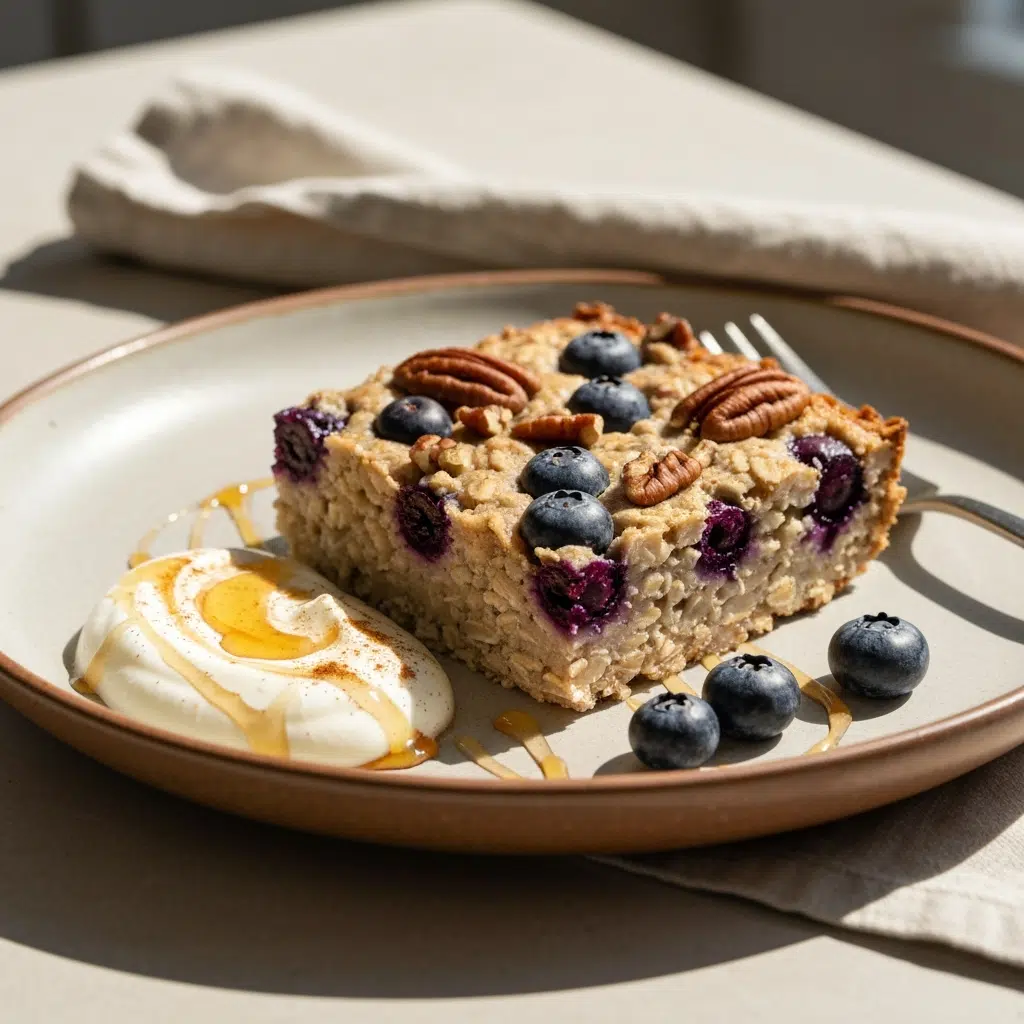
protein oatmeal bake blueberries yogurt 2025 10 07T135602.447Z

Serving Suggestions for Your Easy Breakfast Meal Prep

The fun doesn’t stop after it’s baked! Here’s how to serve it up:

  • Warm and Cozy: Reheat a square for 30-45 seconds in the microwave. Top with a dollop of Greek yogurt and a drizzle of peanut butter.
  • On the Go: Let a square cool completely and wrap it in parchment paper. It’s a portable breakfast you can eat anywhere.
  • Dessert Mode: Serve a warm square with a scoop of vanilla ice cream for a healthy-ish dessert.

For another grab-and-go baked good, our Banana Oatmeal High-Protein Breakfast Cookies are a reader favorite.

Common Mistakes to Avoid

A few small tips can make a big difference in your final bake.

  • Using Instant Oats: This will result in a gummy, soft texture. Stick with old-fashioned rolled oats for the best consistency.
  • Overmixing the Batter: Stir until the ingredients are just combined. Overmixing can lead to a tougher bake.
  • Skipping the Cooling Time: It might be tempting to dig right in, but letting it cool allows it to set properly, making it easier to slice.
  • Baking in the Wrong Pan: An 8x8 pan is ideal. A much larger pan will result in a thin bake that can dry out.

Storing Tips for Your Make-Ahead Masterpiece

This is where the recipe truly shines as a meal prep superstar.

  • Refrigerator: Once cooled, store the bake in an airtight container in the fridge for up to 5 days.
  • Freezer: Individually wrap squares in plastic wrap and place them in a freezer bag. They will keep for up to 3 months. Reheat straight from the freezer in the microwave for 1-2 minutes.
  • Reheating: The microwave is fastest (30-60 seconds). For a crispier top, reheat in a toaster oven or conventional oven at 350°F for about 10 minutes.
make ahead protein oatmeal bake 2025 10 07T135506.215Z

Your New Go-To Breakfast Solution

This Make-Ahead Protein Oatmeal Bake for Busy Mornings is more than just a recipe; it’s a strategy for calmer, healthier, and more delicious starts to your day. It’s forgiving, flexible, and consistently delicious. I truly hope it becomes a cherished part of your weekly routine, just like our Healthy Greek Yogurt Blueberry Protein Muffins have for so many readers.

I’d love to hear how you make it your own! What mix-ins did you try? Let me know in the comments below, and don’t forget to tag @Stacksipsnack on Pinterest so I can see your beautiful creations

FAQs about Make-Ahead Protein Oatmeal Bake for Busy Mornings

How long does baked oatmeal last in the fridge?

Make-ahead protein oatmeal bakes typically last for 3-5 days when stored properly in an airtight container in the refrigerator.

Can you eat baked oatmeal cold?

Yes, make-ahead protein oatmeal bakes can be enjoyed cold directly from the fridge, or you can gently reheat individual portions in the microwave or oven.

Is it better to make oatmeal with water or milk?

For a make-ahead protein oatmeal bake, using milk (dairy or non-dairy) is generally preferred as it contributes to a creamier texture and adds more flavor and nutritional value, especially protein. Water can be used for a lighter version, but it may result in a less rich taste.

How do you store protein oatmeal?

To store a make-ahead protein oatmeal bake, allow it to cool completely, then cut it into individual servings or keep it whole. Place it in an airtight container in the refrigerator for up to 3-5 days.

What is the difference between baked oatmeal and overnight oats?

Baked oatmeal is cooked in the oven, resulting in a cake-like, sliceable texture, often served warm or reheated. Overnight oats are uncooked oats soaked in liquid (milk/yogurt) overnight in the fridge, creating a creamy, pudding-like consistency typically eaten cold. Both are excellent make-ahead options.

How do you keep baked oatmeal from getting soggy?

To prevent a make-ahead protein oatmeal bake from getting soggy, avoid over-soaking the oats before baking, ensure proper baking time to cook through, and allow it to cool completely before storing it in an airtight container. Using old-fashioned rolled oats instead of instant oats also helps maintain texture.

💬 Let’s Stay Connected!
For daily recipes, kitchen tips, and exclusive content, follow me on:
👉 Facebook for behind-the-scenes & community fun
👉 Pinterest for visual inspiration & meal ideas
👉 X (Twitter) for quick tips & trending recipes

📲 Join the flavor journey, your next favorite recipe is just a follow away!
Cheesy Texas Trash Dip

There’s something magical about a dip that brings people together. I’ll never forget the first time I brought my Cheesy Texas Trash Dip to a neighborhood potluck. It was one of those chaotic, fun-filled gatherings where everyone brings a dish, and you never know what you’re going to get. I’d spent the afternoon layering ingredients into my slow cooker, a little nervous about how it would be received. An hour later, I looked over and saw a small crowd gathered around the Crock-Pot, scooping up every last bit with tortilla chips. The dip was gone in twenty minutes, and I had three people ask me for the recipe before I even made it to the dessert table. That’s the power of a truly great party dip. It doesn’t just feed people; it becomes the centerpiece of the party, the conversation starter, the thing everyone remembers. This Cheesy Texas Trash Dip recipe is my go-to for game days, holidays, and any time I need a guaranteed crowd-pleaser. It’s hearty, a little spicy, incredibly cheesy, and so simple to make. Let’s get into it.

Table of Contents

  • Cheesy Texas Trash Dip Ingredients
  • Making Your Cheesy Texas Trash Dip
  • Equipment Needed for Cheesy Texas Trash Dip
  • Why You’ll Love This Cheesy Texas Trash Dip Recipe
  • Healthier Alternatives for Cheesy Texas Trash Dip
  • Serving Your Cheesy Texas Trash Dip
  • Common Mistakes to Avoid with Texas Trash Dip
  • Storing Your Cheesy Texas Trash Dip
  • Cheesy Texas Trash Dip Conclusion
  • FAQs about Cheesy Texas Trash Dip

Cheesy Texas Trash Dip Ingredients

cheesy texas trash dip ingredients 2025 10 06T120829.050Z

The very first thing you need for this incredible Cheesy Texas Trash Dip is, of course, the ingredients. This is a wonderfully forgiving recipe, so don't stress if you need to make a swap or two.

  • 1 pound ground breakfast sausage (mild or hot, based on your preference)
  • 1 (8-ounce) block of cream cheese, softened
  • 1 (16-ounce) container of sour cream
  • 1 (10-ounce) can of Rotel tomatoes and green chilies, undrained
  • 2 cups shredded sharp cheddar cheese
  • 1 packet (1 ounce) taco seasoning
  • 1 (4.5-ounce) can of chopped green chilies, undrained
  • Optional garnishes: sliced green onions, chopped cilantro, diced jalapeños

Ingredient Swaps & Notes:

  • Sausage: You can use ground beef or even ground turkey. For a spicier kick, use hot Italian sausage.
  • Dairy-Free: Use dairy-free cream cheese, sour cream, and shredded cheese. They work surprisingly well in this application.
  • Rotel: If you can't find Rotel, use a can of diced tomatoes and add a small can of diced green chilies separately.
  • Spice Level: Control the heat with your choice of sausage and Rotel (mild or original). The taco seasoning also contributes flavor more than intense heat.

Cheesy Texas Trash Dip Timing

  • Prep Time: 10 minutes
  • Cook Time: 2 hours (in a slow cooker on LOW) or 20 minutes (in the oven)
  • Total Time: 2 hours 10 minutes (slow cooker method)

The slow cooker method is about 80% hands-off, making it perfect for when you're busy hosting.

Making Your Cheesy Texas Trash Dip

The process for this Texas Trash Dip recipe is wonderfully straightforward. You have two main methods: the "set it and forget it" slow cooker or the faster oven method.

  1. Cook the Sausage: In a large skillet over medium-high heat, cook the ground sausage until it's browned and cooked through, breaking it up into crumbles as it cooks. Drain off any excess grease.
  2. Combine Everything: In the bowl of your slow cooker OR a large mixing bowl (if using the oven method), add the cooked sausage, softened cream cheese, sour cream, undrained Rotel, shredded cheddar, taco seasoning, and the can of green chilies.
  3. Slow Cooker Method: Stir all the ingredients in the slow cooker until well combined. Cover and cook on LOW for 2 hours, stirring once halfway through, until the dip is hot and bubbly.
  4. Oven Method: Preheat your oven to 350°F (175°C). Transfer the mixed dip to a 9x9-inch or similar sized baking dish. Bake for 20-25 minutes, until the edges are bubbly and the cheese is fully melted.
  5. Serve: Give the dip a final stir. Top with your chosen garnishes like green onions and serve immediately with sturdy tortilla chips, Fritos, or sliced baguette.

Pro Tip: For the creamiest texture, make sure your cream cheese is truly softened to room temperature before mixing. This prevents little lumps of cold cream cheese in your final dip.

Cheesy Texas Trash Dip Nutritional Information

(Per ¼ cup serving, approximate)

  • Calories: 180
  • Fat: 15g
  • Carbohydrates: 4g
  • Protein: 8g

This dip is a good source of protein from the sausage and cheese. The tomatoes in the Rotel also provide a bit of vitamin C and lycopene.

Equipment Needed for Cheesy Texas Trash Dip

You don't need any fancy tools for this easy party dip.

  • A large skillet
  • Either a 4-6 quart slow cooker OR a 9x9-inch baking dish
  • A sturdy spatula or spoon for mixing
  • Measuring cups

Why You’ll Love This Cheesy Texas Trash Dip Recipe

This isn't just another dip. It's a guaranteed hit for so many reasons.

  • Effortless for Hosting: Whether you use the slow cooker or oven, it’s simple to prepare, freeing you up to enjoy your guests.
  • Crowd-Pleasing Flavor: The combination of savory sausage, creamy cheese, and a little spice from the Rotel is universally loved.
  • Incredibly Versatile: Serve it at a football watch party, a holiday gathering, or a casual Friday night. It fits every occasion.
  • Make-Ahead Friendly: You can assemble the entire dip a day in advance and just pop it in the slow cooker or oven when you're ready.

If you love the hearty, meaty profile of this dip, you should definitely try our Meaty Texas Trash Dip for another robust variation.

Healthier Alternatives for Cheesy Texas Trash Dip

You can easily adjust this recipe to fit different dietary needs without sacrificing the fantastic flavor.

  • Lighter Version: Use lean ground turkey sausage, light or fat-free cream cheese, light sour cream, and reduced-fat cheddar cheese.
  • Dairy-Free: As mentioned, the market for dairy-free cream cheese, sour cream, and shredded cheese has improved dramatically. They melt and combine beautifully in this dip.
  • Lower Carb/Keto: This dip is naturally fairly low in carbs. Serve it with pork rinds, celery sticks, or low-carb tortilla chips for dipping.

For another creamy, zesty dip that’s always a hit, check out our simple Cream Cheese Salsa Dip.

Serving Your Cheesy Texas Trash Dip

cheesy texas trash dip closeup 2025 10 06T120854.250Z

Presentation and pairing can take your game day appetizer from great to unforgettable.

  • The Perfect Vessel: Keep it warm in a small slow cooker on the "WARM" setting. This is the ultimate way to serve, as it stays perfectly dippable for hours.
  • Dipping Vehicles: Sturdy tortilla chips are the classic choice. Fritos Scoops are also fantastic because they hold a lot of dip. For a fun twist, offer pretzel chips, sliced bell peppers, or toasted pita bread.
  • Garnish for the Win: Don't skip the garnishes! A sprinkle of fresh green onions or cilantro adds a pop of color and a fresh flavor that cuts through the richness.
  • What to Serve With It: This dip is rich, so pair it with lighter fare. A big platter of fresh vegetables or a crisp, simple salad balances the meal perfectly. It also pairs wonderfully with other party favorites like our famously delicious Out of This World Corn Dip.

Common Mistakes to Avoid with Texas Trash Dip

A few small missteps can change your dip, so here’s what to watch for.

  1. Not Draining the Sausage: That excess grease will make your dip oily. Take the minute to drain it properly after browning.
  2. Using Cold Cream Cheese: This is the number one reason for a lumpy dip. Let the cream cheese sit on the counter for at least 30 minutes before you start.
  3. Overcooking in the Slow Cooker: If left on high for too long, the dairy can sometimes separate. Stick to LOW heat for the best, creamiest texture.
  4. Skipping the Stir: Give the dip a good stir halfway through the cooking time in the slow cooker. This helps everything melt together evenly.

Storing Your Cheesy Texas Trash Dip

This make ahead dip is just as good the next day, if you're lucky enough to have leftovers.

  • Refrigeration: Let the dip cool completely, then transfer it to an airtight container. It will keep in the fridge for up to 3-4 days.
  • Reheating: Reheat gently in the microwave in 30-second intervals, stirring between each, or in a saucepan over low heat on the stove. You may need to add a tiny splash of milk or sour cream to bring back the creamy consistency.
  • Freezing: I don't recommend freezing this dip. The dairy and sour cream can separate and become grainy upon thawing, resulting in a less-than-ideal texture.

For a cool, refreshing dip that’s perfect for summer gatherings and shares that Tex-Mex spirit, learn How to Make Texas Caviar.

Cheesy Texas Trash Dip Conclusion

cheesy texas trash dip pinterest 2025 10 06T120803.962Z

At the end of the day, the best recipes are the ones that create moments. This Cheesy Texas Trash Dip is one of those recipes. It’s the dip that disappears first, the one that has people asking, “Who made this?” It’s simple, satisfying, and absolutely packed with flavor. Whether you’re prepping for the big game, hosting a holiday party, or just want a special snack for movie night, this dip delivers every single time. I hope it becomes a staple in your home just like it is in mine.

I’d love to hear how your Cheesy Texas Trash Dip turns out! Leave a comment below and tell me about your experience. And if you’re looking for another incredibly easy and popular dip, don’t forget to try our Rotel Ranch Dip. Happy dipping

FAQs about Cheesy Texas Trash Dip

What is Cheesy Texas Trash Dip?

Cheesy Texas Trash Dip is a rich, warm, and flavorful layered dip, often baked, featuring creamy cheeses, seasoned ground beef or sausage, refried beans, and various Tex-Mex seasonings. It's a popular party appetizer known for its hearty and satisfying taste.

What ingredients are typically in Cheesy Texas Trash Dip?

Common ingredients include seasoned ground beef (or sausage), refried beans, cream cheese, sour cream, Monterey Jack cheese, cheddar cheese, Rotel (diced tomatoes and green chilies), and various Tex-Mex spices like chili powder and cumin. Some versions also add corn or black olives.

What do you serve with Cheesy Texas Trash Dip?

This versatile dip pairs perfectly with sturdy dippers such as tortilla chips (corn or scoop-style), Fritos, corn chips, pretzel crisps, or even vegetable sticks like bell peppers and celery for a lighter option.

Can Cheesy Texas Trash Dip be made ahead of time?

Yes, you can prepare Cheesy Texas Trash Dip ahead of time. Assemble all the layers in a baking dish, cover it tightly, and refrigerate for up to 24-48 hours before baking. Allow it to come closer to room temperature before baking for best results.

How do you reheat Cheesy Texas Trash Dip?

Reheat leftover Cheesy Texas Trash Dip in the oven at 300-325°F (150-160°C) until warmed through and bubbly, usually 15-20 minutes, covering loosely with foil if it starts to brown too much. Alternatively, microwave in short intervals, stirring frequently, until heated.

How long does Cheesy Texas Trash Dip last in the fridge?

Properly stored in an airtight container in the refrigerator, Cheesy Texas Trash Dip can last for 3-4 days. For best flavor and texture, it's recommended to consume it within 2-3 days.

💬 Let’s Stay Connected!
For daily recipes, kitchen tips, and exclusive content, follow me on:
👉 Facebook for behind-the-scenes & community fun
👉 Pinterest for visual inspiration & meal ideas
👉 X (Twitter) for quick tips & trending recipes

📲 Join the flavor journey, your next favorite recipe is just a follow away!

Hot Honey Cream Cheese Dip

There’s something magical about a dip that can steal the show at any gathering, and this Hot Honey Cream Cheese Dip is exactly that kind of crowd-pleaser. I first discovered the joy of this sweet and spicy combination during a chaotic family potluck where my usual offerings were getting lost in a sea of chips and store-bought salsa. Desperate to bring something memorable, I whipped up this simple cream cheese appetizer with a jar of hot honey I had in the pantry. The result? An empty dish and a dozen requests for the recipe before the night was over. It’s the kind of easy, no-fuss dish that feels gourmet but requires minimal effort, making it perfect for busy hosts and last-minute invites alike.

The beauty of this hot honey cream cheese dip lies in its perfect balance. The rich, tangy cream cheese provides a cool, creamy base that beautifully tempers the fiery kick and floral sweetness of the hot honey. It’s a flavor dance that happens right on your tongue—first sweet, then spicy, all smoothed over by that luxurious creaminess. Whether you’re serving it at a game day party, a holiday appetizer spread, or just as a special snack for movie night, this easy hot honey dip is guaranteed to disappear fast. It’s become my go-to for impressing guests without stressing in the kitchen, and I’m thrilled to share all my tips and tricks so you can make it your signature dish, too.

Table of Contents

  • Hot Honey Cream Cheese Dip Ingredients
  • Making Your Hot Honey Cream Cheese Dip
  • Equipment You Will Need
  • Why You Will Love This Cream Cheese Appetizer
  • Healthier Alternatives for Your Sweet Spicy Dip
  • Serving Your Hot Honey Cream Cheese Dip
  • Common Mistakes to Avoid With This Dip
  • Storing Your Best Hot Honey Dip
  • Final Thoughts on This Hot Honey Cream Cheese Dip
  • FAQs about Hot Honey Cream Cheese Dip

Hot Honey Cream Cheese Dip Ingredients

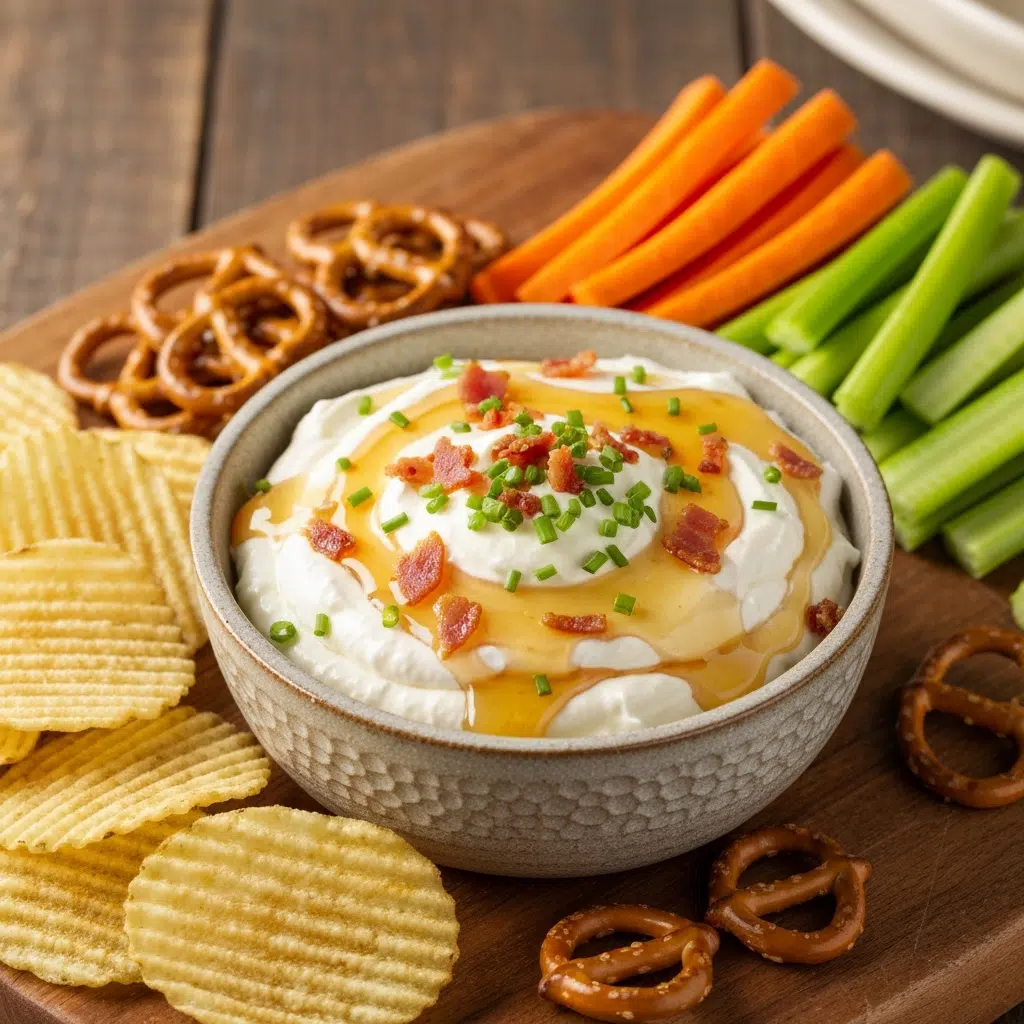
hot honey cream cheese dip 2025 10 06T040851.591Z

Hot honey cream cheese dip starts with just a few simple ingredients that pack a serious flavor punch. Here’s what you’ll need:

  • 1 (8-ounce) block full-fat cream cheese, softened
  • ⅓ cup hot honey (like Mike’s Hot Honey or homemade)
  • ¼ cup sour cream or Greek yogurt
  • 1 teaspoon fresh lemon juice
  • ½ teaspoon garlic powder
  • ¼ teaspoon smoked paprika, plus more for garnish
  • ¼ teaspoon fine sea salt
  • Optional toppings: chopped fresh chives, crispy bacon bits, crushed red pepper flakes, flaky sea salt

Smart Substitutions:

  • Dairy-Free: Use your favorite plant-based cream cheese and a vegan sour cream alternative.
  • Spice Level: For a milder dip, use regular honey and add a pinch of cayenne pepper to taste. For more heat, stir a teaspoon of sriracha into the honey.
  • Ricotta Version: If you love the texture of ricotta, you can try a version with our Delicious Ricotta Dip with Hot Honey.

Recipe Timing

  • Prep Time: 10 minutes
  • Cook Time: 0 minutes
  • Total Time: 10 minutes

This recipe comes together in about 10 minutes, which is nearly 50% faster than many baked appetizer dips, making it a true lifesaver when you need something delicious in a flash.

Making Your Hot Honey Cream Cheese Dip

This is one of the easiest recipes you’ll ever make, with no cooking required. Just a bit of mixing and spreading for maximum impact.

  1. Soften the Cream Cheese: Ensure your cream cheese is completely softened at room temperature. This is the most crucial step for achieving a perfectly smooth and creamy dip, not a lumpy one. This should take about 30-60 minutes on the counter.
  2. Combine the Base: In a medium mixing bowl, combine the softened cream cheese, sour cream, fresh lemon juice, garlic powder, smoked paprika, and salt. Use a hand mixer or a sturdy whisk to beat everything together until it is completely smooth and well-combined.
  3. Spread and Swirl: Transfer the creamy base to a shallow serving bowl or plate. Use the back of a spoon to create swoops and swirls on the surface. This textured surface will help the hot honey pool beautifully.
  4. Drizzle and Garnish: Generously drizzle the hot honey all over the creamy base. Don’t be shy! Sprinkle with an extra pinch of smoked paprika, some chopped fresh chives, and any other desired toppings like bacon or red pepper flakes.

Pro Tip: For the best flavor, let the dip sit for about 15-20 minutes before serving. This allows the flavors to meld together beautifully.

Nutritional Snapshot (per serving, approx. 2 tbsp)

  • Calories: ~110
  • Fat: 8g
  • Carbohydrates: 9g
  • Protein: 2g

While this is an indulgent treat, the cream cheese provides a good source of vitamin A, and using Greek yogurt instead of sour cream can add a bit of extra protein.

Equipment You Will Need

You don’t need any fancy gadgets for this easy hot honey dip.

  • Medium Mixing Bowl
  • Hand Mixer or Sturdy Whisk
  • Spatula
  • Shallow Serving Bowl or Plate

Why You Will Love This Cream Cheese Appetizer

This dip is a guaranteed hit for so many reasons.

  • Incredibly Easy: No cooking, no baking, just mixing. It’s foolproof.
  • Perfect Flavor Balance: The sweet, spicy, and creamy elements work in perfect harmony.
  • Crowd-Pleasing: It appeals to almost every palate and is a unique alternative to standard party dips.
  • Versatile: Serve it with everything from crackers to vegetables.
  • Make-Ahead Friendly: You can prepare it a day in advance, making party planning a breeze.

Healthier Alternatives for Your Sweet Spicy Dip

If you’re looking for a lighter version of this party dip, a few simple swaps can do the trick.

  • Lighter Dairy: Use Neufchâtel cheese (⅓ less fat cream cheese) and plain, non-fat Greek yogurt.
  • Keto-Friendly: Opt for a keto-approved cream cheese and a sugar-free hot honey substitute sweetened with monk fruit or allulose.
  • Boost Protein: Increase the ratio of Greek yogurt to cream cheese for a tangier, higher-protein spread.
  • Different Cheese Base: If you're exploring other creamy, cheesy appetizers, our Jalapeno Popper Cheese Balls offer another deliciously spicy option.
hot honey cream cheese dip 2025 10 06T040916.669Z

Serving Your Hot Honey Cream Cheese Dip

Presentation and pairings can take this dip from great to unforgettable.

  • What to Serve It With:
    • Crackers: Buttery Ritz, sturdy wheat crackers, or seeded crisps.
    • Bread: Thinly sliced baguette, crostini, or warm pita bread.
    • Vegetables: Crisp cucumber slices, carrot sticks, bell pepper strips, or celery.
    • Pretzels: The salty crunch is a fantastic contrast to the creamy dip.
  • For a Party Spread: This dip pairs wonderfully with other easy appetizers like our Cream Cheese Salsa Dip or savory bites like Rotel Cream Cheese Sausage Balls.
  • Gourmet Touch: Serve it on a wooden board surrounded by an assortment of dippers for a beautiful, rustic presentation.

Common Mistakes to Avoid With This Dip

A perfect dip is easy, but a few missteps can happen. Here’s how to avoid them.

  1. Using Cold Cream Cheese: This is the number one error. Cold cream cheese will never become smooth and will result in a lumpy dip. Always plan for softening time.
  2. Over-mixing with Low-Fat Cream Cheese: While you can use low-fat varieties, they can sometimes become thin or watery if mixed too vigorously. Mix just until combined.
  3. Skipping the Acid: The small amount of lemon juice is not just for flavor; it helps cut through the richness of the dairy. Don’t leave it out.
  4. Being Sparing with the Honey: The "hot honey" is the star. Make sure you use enough to create beautiful pools and ensure every bite has that signature sweet and spicy kick.

Storing Your Best Hot Honey Dip

This dip stores beautifully, though it rarely lasts long!

  • Refrigeration: Store any leftovers in an airtight container in the refrigerator for up to 4-5 days.
  • Make-Ahead: You can prepare the entire dip (without the final honey drizzle and garnish) up to 24 hours in advance. Keep it covered in the fridge, then let it sit at room temperature for 20-30 minutes before adding the honey and serving.
  • Freezing: Freezing is not recommended, as the dairy can separate and become watery upon thawing, ruining the creamy texture.
Hot Honey Cream Cheese Dip 2025 10 06T040801.051Z

Final Thoughts on This Hot Honey Cream Cheese Dip

This hot honey cream cheese dip has truly earned its place as a staple in my entertaining repertoire. It’s the perfect combination of simple, impressive, and downright delicious. The sweet and spicy profile is irresistibly moreish, and I love how it complements so many other dishes, like our Sweet Chili Meatballs Crockpot, for a full spread of flavor-packed party foods.

I hope this recipe brings as much joy and empty-plate satisfaction to your table as it has to mine. It’s a little dish that proves the best things in life don’t have to be complicated.

I’d love to hear how your hot honey cream cheese dip turns out! Leave a comment below and tell me what you served it with. And don’t forget to tag @Stacksipsnack on Pinterest so I can see your beautiful creations

FAQs about Hot Honey Cream Cheese Dip

What goes with hot honey cream cheese?

Hot Honey Cream Cheese Dip pairs wonderfully with a variety of dippers. Excellent choices include crackers (butter, Ritz, multi-grain), pretzel crisps, apple slices, pear slices, pita chips, crostini, bagel chips, or even bell pepper strips for a fresh crunch.

What is hot honey cream cheese dip made of?

A basic hot honey cream cheese dip is typically made from softened cream cheese, hot honey (either pre-made or homemade by infusing honey with chili flakes), and sometimes a touch of salt or other seasonings. Some recipes may also include a bit of milk or cream for a smoother consistency.

What is the hot honey cream cheese dip from TikTok?

The TikTok hot honey cream cheese dip typically involves spreading softened cream cheese on a plate or board, drizzling generously with hot honey, and often garnishing with chili flakes or fresh herbs. It became popular for its easy preparation and unique sweet, spicy, and tangy flavor profile.

How long does hot honey cream cheese dip last in the fridge?

Properly stored in an airtight container, hot honey cream cheese dip can last in the refrigerator for 3-4 days. It's best consumed within this timeframe for optimal freshness and safety.

Can you serve hot honey cream cheese dip warm?

While often served chilled or at room temperature, hot honey cream cheese dip can also be served slightly warm. Gentle warming in the microwave or oven can make it even creamier and easier to scoop, especially if the cream cheese was very firm.

What can I use hot honey cream cheese dip for besides crackers?

Beyond crackers, hot honey cream cheese dip is versatile. Try it as a spread on toast or bagels, a delicious topping for baked potatoes or sweet potatoes, a spread in savory sandwiches or wraps, or even as a unique accompaniment to grilled chicken or pork tenderloin.

💬 Let’s Stay Connected!
For daily recipes, kitchen tips, and exclusive content, follow me on:
👉 Facebook for behind-the-scenes & community fun
👉 Pinterest for visual inspiration & meal ideas
👉 X (Twitter) for quick tips & trending recipes

📲 Join the flavor journey, your next favorite recipe is just a follow away!

Bisquick Sausage Balls

There’s something magical about a recipe that requires just three ingredients, comes together in minutes, and disappears from the platter even faster. For me, that recipe has always been Bisquick Sausage Balls. I have vivid memories of my grandmother pulling a golden, fragrant batch from the oven just as the family arrived for holiday gatherings. The kitchen would fill with the savory smell of sausage and cheese, and a crowd would instantly form around the stove. It was the ultimate sign that the party had started.

These little morsels are more than just an appetizer; they’re a tradition. They’re the dish you’re asked to bring to every potluck, the lifesaver you stash in the freezer for unexpected guests, and the first thing your kids ask for when they smell them baking. The best part? They are genuinely the easiest 3 ingredient appetizer you will ever make. No fancy techniques, no hard-to-find items—just simple, comforting, and utterly delicious food.

Whether you're a seasoned cook or just starting out, this recipe is for you. It’s forgiving, flexible, and always a hit. Let’s make some memories together.

Table of Contents

  • Bisquick Sausage Balls Ingredients
  • Step-by-Step Instructions for Easy Sausage Balls
  • Equipment Needed
  • Why You’ll Love This Recipe
  • Healthier Alternatives for Your Sausage Balls
  • Serving Suggestions
  • Common Mistakes to Avoid
  • Storing Tips for Your Sausage Balls
  • Conclusion
  • FAQs about Bisquick Sausage Balls

Bisquick Sausage Balls Ingredients

Bisquick Sausage Balls come together with just three core components, but the quality of each one truly matters. Here’s what you’ll need:

  • 1 pound bulk pork sausage (I prefer a hot variety for a little kick, but mild or sage breakfast sausage works beautifully)
  • 2 cups Bisquick baking mix
  • 8 ounces (2 cups) sharp cheddar cheese, shredded from a block

Why These Ingredients Work:
Using a block of cheese and shredding it yourself is my number one pro-tip here. Pre-shredded cheese is coated with anti-caking agents like potato starch or cellulose, which can prevent it from melting as smoothly into the dough. The result can be a slightly drier, more crumbly sausage ball. Freshly shredded cheese melts into the fat from the sausage and the Bisquick, creating a more tender, cohesive, and flavorful bite.

Simple Swaps & Variations:

  • Sausage: Feel free to use turkey sausage for a leaner option. For a flavor explosion, try a spicy andouille or an Italian sausage (just remove it from the casing).
  • Cheese: A blend of cheddar and pepper jack is fantastic. You can also use Colby Jack for a milder flavor.
  • Baking Mix: For a gluten-free version, use a gluten-free Bisquick alternative or a similar gluten-free pancake/baking mix.

Recipe Timing

  • Prep Time: 10 minutes
  • Cook Time: 20-25 minutes
  • Total Time: 30-35 minutes

Compared to many other party appetizers that require extensive prep or frying, these easy sausage balls are on the table in about half an hour from start to finish.

Step-by-Step Instructions for Easy Sausage Balls

Making these is a straightforward, hands-on process. Don’t be afraid to get your fingers in there—it’s the best way to ensure everything is perfectly combined!

  1. Preheat and Prepare: Preheat your oven to 350°F (175°C). Line a large baking sheet with parchment paper for easy cleanup.
  2. Combine Ingredients: In a large mixing bowl, add the pound of sausage, 2 cups of Bisquick, and the 2 cups of freshly shredded cheddar cheese.
  3. Mix Thoroughly: This is the most important step. Use your clean hands to mix and knead the ingredients together. At first, it will seem dry and crumbly, but keep working it. The natural fats from the sausage and cheese will eventually hydrate the Bisquick, and the mixture will come together into a slightly sticky, uniform dough. This usually takes 2-3 minutes of kneading. Pro Tip: If your sausage is very lean and the mixture absolutely will not come together after several minutes, you can add a tablespoon of water or milk, but this is rarely necessary.
  4. Form the Balls: Pinch off portions of the dough and roll them into 1-inch balls, roughly the size of a walnut. Place them about an inch apart on your prepared baking sheet.
  5. Bake to Perfection: Bake for 20-25 minutes, or until the Bisquick Sausage Balls are golden brown on the outside and cooked through. They should feel firm to the touch.

Nutritional Information (Approximate, per ball)

  • Calories: 85 kcal
  • Protein: 4g
  • Carbohydrates: 4g
  • Fat: 6g

These cheesy sausage balls are a good source of protein from the sausage and cheese, providing energy and satisfaction. The sharp cheddar also offers a dose of calcium.

Equipment Needed

You don't need any fancy gadgets for this recipe! Just a few basics:

  • Large Mixing Bowl
  • Rimmed Baking Sheet
  • Parchment Paper (highly recommended)
  • Measuring Cups

Why You’ll Love This Recipe

  • Unbeatable Simplicity: With only three ingredients and one bowl, it doesn’t get any easier.
  • Crowd-Pleasing Flavor: The combination of savory sausage and melted cheddar is a universal winner.
  • Perfect for Any Occasion: Equally at home on a holiday buffet, a game day spread, or as a quick after-school snack.
  • Incredibly Versatile: This base recipe is a canvas for your own flavor creations.
  • Make Ahead & Freezer Friendly: You can prepare them days or even weeks in advance.

Healthier Alternatives for Your Sausage Balls

bisquick sausage balls mustard dip 2025 10 05T200846.338Z

You can easily adapt this classic to fit different dietary needs without sacrificing taste.

  • Gluten-Free: Use your favorite gluten-free all-purpose baking mix in a 1:1 ratio for the Bisquick.
  • Lower Fat/Oil: Opt for lean turkey sausage and reduced-fat cheddar cheese. The texture will be slightly less rich but still delicious.
  • Dairy-Free: Use a plant-based cheddar shred and ensure your baking mix is dairy-free. The flavor will be different but can still be very tasty.
  • Add Veggies: For a boost of nutrition, finely grate a small zucchini and squeeze out all the excess moisture before adding it to the mix. It adds moisture and vitamins without a strong flavor.

If you enjoy these kinds of adaptable, savory bites, you might also love our Taco Ranch Bites for another quick and customizable option.

Serving Suggestions

The beauty of these Bisquick Sausage Balls is that they are fantastic all on their own, straight from the oven. But if you want to dress them up, here are a few ideas:

  • Dipping Sauces: Serve with a side of spicy mustard, ranch dressing, or a sweet and tangy barbecue sauce.
  • Brunch Spread: Add them to a brunch table alongside eggs, fresh fruit, and pastries.
  • Party Platter: Scatter them amongst other finger foods like Sweet Chili Meatballs and Jalapeno Popper Cheese Balls for a diverse and delicious appetizer selection.

Common Mistakes to Avoid

A few small missteps can affect your final result. Here’s how to avoid them:

  1. Using Pre-Shredded Cheese: This is the most common culprit for dry, crumbly sausage balls. The starch coating inhibits melting. Take the extra minute to shred a block of cheese.
  2. Not Mixing Enough: If you stop mixing when the dough is still crumbly, your balls will fall apart when baked. Be patient and knead until it's a cohesive, slightly sticky mass.
  3. Overbaking: Keep a close eye on them, especially in the last few minutes. You want them golden and cooked through, but overbaking will make them dry and hard.

Storing Tips for Your Sausage Balls

These are truly the ultimate make ahead sausage balls.

  • Refrigerator: Let cooked sausage balls cool completely, then store in an airtight container in the fridge for up to 4 days.
  • Freezer (Cooked): Place cooled balls in a single layer on a baking sheet to "flash freeze" for 1 hour. Then, transfer them to a freezer bag. They will keep for up to 3 months. Reheat from frozen in a 350°F oven for 10-15 minutes until hot.
  • Freezer (Uncooked): You can also freeze the uncooked balls! Prepare the recipe up to the shaping step. Place the raw balls on a parchment-lined sheet and flash freeze. Once solid, transfer to a freezer bag. You can bake them directly from frozen, adding 5-10 minutes to the baking time.

For another fantastic freezer-friendly appetizer, check out our Irresistible Garlic Parmesan Cheeseburger Bombs.

Conclusion

so easy bisquick sausage balls recipe 2025 10 05T200800.953Z

In a world of complicated recipes, it’s comforting to know that some of the very best things are also the simplest. These Bisquick Sausage Balls are a testament to that. They are humble, hearty, and never fail to bring people together. I hope this recipe becomes a trusted favorite in your home, creating its own set of warm memories around your table.

I’d love to hear how your batch turns out! Did you add a secret ingredient? What’s your favorite dipping sauce? Share your thoughts and photos in the comments below. And don’t forget to tag @Stacksipsnack on Pinterest so we can see your delicious creations

FAQs about Bisquick Sausage Balls

What is the secret to good Bisquick sausage balls?

The secret lies in using a good quality, flavorful sausage, finely shredded sharp cheddar cheese, and ensuring all ingredients are well-mixed but not overmixed. Using softened cream cheese can also add moisture and tenderness.

Why are my Bisquick sausage balls crumbling?

Crumbling often occurs if the mixture is too dry, lacks enough binding agent (like cheese or a touch of milk), or if the ingredients aren't thoroughly combined. Ensure your Bisquick isn't expired and the sausage isn't overly lean.

Can you make Bisquick sausage balls ahead of time?

Yes, you can prepare the mixture, roll the balls, and refrigerate them for up to 2-3 days before baking. Alternatively, bake them fully and reheat when ready to serve.

Do you cook sausage before putting it in Bisquick sausage balls?

No, the sausage is typically mixed in raw with the Bisquick and cheese. It cooks thoroughly as the sausage balls bake, infusing flavor and keeping them moist.

How do you store Bisquick sausage balls?

Cooked Bisquick sausage balls should be stored in an airtight container in the refrigerator for up to 3-4 days. For longer storage, they can be frozen.

Can you freeze cooked Bisquick sausage balls?

Yes, cooked Bisquick sausage balls freeze very well. Allow them to cool completely, then place them in an airtight freezer-safe bag or container for up to 1-2 months. Reheat in the oven or microwave.

💬 Let’s Stay Connected!
For daily recipes, kitchen tips, and exclusive content, follow me on:
👉 Facebook for behind-the-scenes & community fun
👉 Pinterest for visual inspiration & meal ideas
👉 X (Twitter) for quick tips & trending recipes

📲 Join the flavor journey, your next favorite recipe is just a follow away!

Quick High-Protein Cottage Cheese

Quick High-Protein Cottage Cheese is the kind of simple, satisfying food that feels like a secret weapon in the kitchen. I first fell for its versatility during a busy week when I was juggling work deadlines and trying to eat better without spending hours cooking. A container of cottage cheese was my starting point, and from there, a world of easy, protein-packed meals and snacks unfolded. It’s the perfect base for both sweet and savory creations, ready in minutes and endlessly adaptable to whatever you have on hand. Whether you're fueling up after a workout, need a quick lunch, or want a healthy snack that actually keeps you full, these ideas will show you how to make the most of this humble ingredient. Let’s explore over 15 simple ways to enjoy quick high-protein cottage cheese every day.

Table of Contents

  • Quick High-Protein Cottage Cheese Ingredients
  • Step-by-Step Instructions for Quick High-Protein Cottage Cheese
  • Equipment Needed for Quick High-Protein Cottage Cheese
  • Why You’ll Love This Quick High-Protein Cottage Cheese
  • Healthier Alternatives for Quick High-Protein Cottage Cheese
  • Serving Suggestions for Quick High-Protein Cottage Cheese
  • Common Mistakes to Avoid with Quick High-Protein Cottage Cheese
  • Storing Tips for Quick High-Protein Cottage Cheese
  • Conclusion for Quick High-Protein Cottage Cheese
  • FAQs about Quick High-Protein Cottage Cheese

Quick High-Protein Cottage Cheese Ingredients

cottage cheese ingredients overhead flatlay 2025 10 05T120814.739Z
Quick High-Protein Cottage Cheese starts with just a few simple components. The beauty is in the customization, so feel free to mix and match based on your cravings.

For a basic savory bowl:

  • 1 cup full-fat or low-fat cottage cheese
  • 1 tablespoon extra virgin olive oil
  • Freshly cracked black pepper
  • Pinch of flaky sea salt
  • 1 tablespoon chopped fresh chives or parsley

For a simple sweet version:

  • 1 cup cottage cheese
  • 1 teaspoon honey or maple syrup
  • ½ teaspoon vanilla extract
  • Handful of fresh berries
  • 1 tablespoon chopped nuts (like almonds or walnuts)

Smart Substitutions:

  • For a dairy-free option, use blended silken tofu or a plain, unsweetened plant-based yogurt.
  • Swap honey for a sugar-free syrup if you're watching your sugar intake.
  • Add a scoop of unflavored or vanilla protein powder to boost the protein even more.

Quick High-Protein Cottage Cheese Timing

- Prep time: 2 minutes
- Total time: 2 minutes
That’s it! It’s genuinely one of the fastest ways to get a quality protein meal on the table, significantly quicker than cooking a full meal like scrambled eggs with spinach.

Step-by-Step Instructions for Quick High-Protein Cottage Cheese

The process is wonderfully straightforward. No cooking required, just assembly and enjoyment.

Step 1: Choose Your Base

Scoop your desired amount of cottage cheese into a bowl. For a single serving, one cup is a great starting point. If you prefer a smoother texture, you can give it a quick blend with an immersion blender or in a small food processor. This is a pro tip for anyone who isn't a fan of the curds!

Step 2: Add Your Flavors

This is where you get creative. For savory, drizzle with olive oil and season with salt and pepper. For sweet, stir in the vanilla extract and your choice of sweetener. The base is now ready for toppings.

Step 3: Load Up on Toppings

Pile on your chosen ingredients. The combination of textures is key here. Think creamy cottage cheese, crunchy nuts, and juicy berries.

Step 4: Enjoy Immediately

This is best eaten right away while the toppings are fresh and the cottage cheese is cool from the fridge.

Nutritional Information for Quick High-Protein Cottage Cheese

A one-cup serving of low-fat (2%) cottage cheese provides approximately:
- Calories: 180
- Protein: 24 grams
- Carbohydrates: 8 grams
- Fat: 5 grams
It’s also an excellent source of calcium, phosphorus, and selenium. This makes it a powerhouse for muscle repair, bone health, and keeping you satiated for hours.

Equipment Needed for Quick High-Protein Cottage Cheese

You truly don't need much, which is part of its charm.
- A bowl and a spoon are the absolute essentials.
- A small food processor or immersion blender (optional, for a smoother texture).
- A measuring cup if you're tracking portions.

Why You’ll Love This Quick High-Protein Cottage Cheese

- **It’s Incredibly Fast:** In just two minutes, you have a complete, nutrient-dense meal or snack.
- **Packed with Protein:** With around 24 grams of protein per cup, it effectively curbs hunger and supports your fitness goals.
- **Endlessly Versatile:** Go from a savory lunch to a sweet dessert without needing a new base ingredient.
- **Budget-Friendly:** Cottage cheese is an affordable source of high-quality protein compared to many other options.
- **Perfect for Meal Prep:** You can pre-portion the cottage cheese and have your toppings ready to go for a grab-and-go breakfast or snack all week.

Healthier Alternatives for Quick High-Protein Cottage Cheese

cottage cheese toast bowl 2025 10 05T120839.947Z
This recipe is already a healthy choice, but you can easily tweak it to fit specific dietary needs.
- **Lower Fat:** Opt for fat-free or 1% cottage cheese.
- **Lower Sugar:** For the sweet version, use a sugar-free sweetener and focus on low-glycemic fruits like berries.
- **Higher Protein:** Stir in a scoop of unflavored protein powder or mix with a couple of hard-boiled eggs on the side.
- **Keto-Friendly:** Stick to full-fat cottage cheese and use low-carb toppings like nuts, seeds, and a sprinkle of cinnamon.

Serving Suggestions for Quick High-Protein Cottage Cheese

Think beyond the bowl! Here are some of my favorite ways to serve it:
- **On Toast:** Spread it on whole-grain toast and top with sliced avocado, red pepper flakes, and a drizzle of olive oil for a savory open-faced sandwich.
- **As a Dip:** Blend it until smooth with herbs and garlic to create a high-protein veggie dip, similar in concept to our cream cheese salsa dip.
- **Stuffed in Peppers:** Spoon the savory version into halved mini bell peppers for a crunchy, protein-packed snack.
- **With Fruit:** Serve the sweet version in a bowl with a variety of fresh and dried fruits for a healthy parfait.
- **Pancake Topping:** Use the sweet cottage cheese as a creamy, protein-rich topping for protein cottage cheese pancakes.

Common Mistakes to Avoid with Quick High-Protein Cottage Cheese

- **Not Draining Excess Liquid:** If your cottage cheese seems watery, give it a quick stir and drain off any extra liquid for a thicker, creamier consistency.
- **Overcomplicating It:** Start simple. You don't need ten different toppings. Often, just one or two complementary flavors are all you need.
- **Using Bland Cottage Cheese:** Taste your cottage cheese first. If it’s a bit bland, don’t be shy with seasonings. A good pinch of salt and pepper can make all the difference in a savory bowl.
- **Skipping the Texture:** The contrast between the creamy cheese and crunchy or juicy toppings is what makes this so enjoyable. Always include at least one element for texture.

Storing Tips for Quick High-Protein Cottage Cheese

quick high protein cottage cheese pinterest 2025 10 05T120752.109Z
- **Unprepared Cottage Cheese:** An unopened container can last in the fridge for up to a week past the "sell-by" date. Once opened, consume within 3-5 days.
- **Prepared Bowls:** It's best to assemble your bowl just before eating. If you need to prep ahead, store the cottage cheese and dry toppings (like nuts) separately from wet toppings (like fruit) to prevent sogginess.
- **Freezing:** I don't recommend freezing cottage cheese as the texture becomes grainy and watery upon thawing.

Conclusion for Quick High-Protein Cottage Cheese

Quick High-Protein Cottage Cheese is more than just a snack; it's a solution for busy days when you need nutritious fuel fast. It’s humble, affordable, and incredibly powerful in its simplicity. I hope these ideas inspire you to see that container in your fridge in a whole new light. Whether you whip up a savory bowl for lunch or a sweet one for dessert, you're giving your body the quality protein it deserves.

I’d love to hear how you enjoy your cottage cheese! What are your favorite topping combinations? Let me know in the comments below, and if you're looking for another lightning-fast protein fix, you have to try this high-protein mug cake. Don’t forget to tag @Stacksipsnack on Pinterest so I can see your delicious creations!

FAQs about Quick High-Protein Cottage Cheese

What makes cottage cheese high in protein?

Cottage cheese is a fresh cheese made from curdled milk. Its high protein content comes primarily from casein, the dominant protein in milk, which is concentrated during the curdling process. A typical ½ cup serving can provide around 12-14 grams of protein.

How can I quickly increase the protein in cottage cheese?

To quickly boost protein, mix in a scoop of unflavored whey or casein protein powder, or add lean toppings like shredded chicken breast, hard-boiled egg whites, a sprinkle of nutritional yeast, or even a spoonful of Greek yogurt.

What are quick, high-protein cottage cheese snack ideas?

Combine cottage cheese with a handful of nuts (almonds, walnuts), a sprinkle of hemp seeds, or diced lean deli meat. For a savory twist, add everything bagel seasoning; for sweet, a dash of cinnamon and a few berries.

Is cottage cheese a good option for a quick post-workout protein?

Yes, cottage cheese is excellent for post-workout recovery. It provides both fast-digesting whey and slow-digesting casein protein, offering a sustained release of amino acids for muscle repair and growth, which is ideal after exercise.

What's the best type of cottage cheese for protein content?

Most cottage cheese varieties offer similar high protein levels. Look for "low-fat" or "non-fat" options if you're mindful of fat intake, as their protein content per serving often remains high, sometimes even slightly higher by weight due to reduced fat.

Can cottage cheese help with weight loss due to its protein?

Absolutely. Its high protein content promotes satiety, helping you feel fuller for longer and potentially reducing overall calorie intake. Protein also requires more energy to digest compared to carbs or fats, contributing to a slightly higher metabolism, both beneficial for weight management.

💬 Let’s Stay Connected!
For daily recipes, kitchen tips, and exclusive content, follow me on:
👉 Facebook for behind-the-scenes & community fun
👉 Pinterest for visual inspiration & meal ideas
👉 X (Twitter) for quick tips & trending recipes

📲 Join the flavor journey, your next favorite recipe is just a follow away!

Crack Sausage Balls cheddar and ranch

There’s something magical about Crack Sausage Balls cheddar and ranch recipe that requires just a handful of ingredients, zero fancy techniques, and still manages to disappear from the platter faster than you can say “more, please.” For me, that magic lives in a batch of warm, cheesy, and impossibly addictive Crack Sausage Balls with cheddar and ranch. This isn’t just another appetizer; it’s a flavor experience, a guaranteed crowd-pleaser that has saved me more times than I can count during last-minute gatherings, hectic weeknights, and those “I need a snack NOW” moments.

My love affair with these little flavor bombs started years ago at a chaotic family potluck. I was tasked with bringing an appetizer and had almost no time. I threw together what I had—sausage, cheese, and a packet of ranch seasoning. The result was a platter of golden-brown bites that were gone in minutes, with relatives quietly asking for the recipe. They’ve been a staple in my home ever since, the ultimate easy appetizer recipe that feels like a secret weapon.

What makes these Crack Sausage Balls so special is their perfect harmony of savory pork, sharp cheddar, and that unmistakable zesty ranch tang. They’re the kind of cheesy sausage bites that are equally at home on a holiday spread as they are next to your morning coffee. And the best part? You probably have everything you need in your kitchen right now.

Table of Contents

  • Crack Sausage Balls Cheddar and Ranch Ingredients
  • Step-by-Step Instructions for Your Crack Sausage Balls
  • Equipment Needed for This Easy Appetizer Recipe
  • Why You’ll Love These Crack Sausage Balls
  • Healthier Alternatives for the Recipe
  • Serving Suggestions for Your Cheesy Sausage Bites
  • Common Mistakes to Avoid
  • Storing Tips for the Recipe
  • Conclusion
  • FAQs about Crack Sausage Balls cheddar and ranch

Crack Sausage Balls Cheddar and Ranch Ingredients

The beauty of this recipe is its stunning simplicity. You only need four main ingredients to create these unforgettable party snack ideas.

Crack Sausage Balls cheddar and ranch ingredients

  • 1 pound ground breakfast sausage (I use a mild pork sausage, but hot works great too)
  • 2 cups shredded sharp cheddar cheese
  • 1 ½ cups Bisquick baking mix
  • 1 packet (1 ounce) dry ranch dressing mix

Simple Timing for Your Cheddar Ranch Sausage Balls

- Prep time: 10 minutes
- Cook time: 20 minutes
- Total time: 30 minutes

Yes, you read that right. From bowl to table in just 30 minutes. It’s one of the fastest make ahead appetizers you can possibly make.

Step-by-Step Instructions for Your Crack Sausage Balls

Making these is as easy as one, two, three. No special skills required!

Step 1: Combine the Ingredients

In a large mixing bowl, add the ground sausage, shredded cheddar cheese, Bisquick, and the entire packet of ranch seasoning. Now, here’s my favorite tip: use your hands. Yes, get in there! Clean hands are the best tool for this job. Gently mix everything together until it’s just combined. You don’t want to overwork the meat, but you do want to ensure the baking mix and seasoning are evenly distributed.

Step 2: Form the Balls

Preheat your oven to 375°F (190°C) and line a baking sheet with parchment paper. Using a tablespoon or a small cookie scoop, portion out the mixture. Roll each portion between your palms to form a tight, smooth ball about one inch in diameter. Placing them on the baking sheet, make sure to leave a little space between each one so they can cook evenly and get beautifully golden all over. If you love this hands-on, bite-sized format, you’ll also adore our Jalapeno Popper Cheese Balls for another cheesy, savory treat.

Step 3: Bake to Perfection

Bake for 18-22 minutes, or until the sausage balls are cooked through and have a gorgeous golden-brown exterior. The cheese will be bubbly, and your kitchen will smell absolutely incredible. Let them cool for just a minute or two on the pan—they’ll be molten hot inside!

Nutritional Information for Your Sausage Bites

This is a hearty, satisfying snack. Per serving (about 3-4 balls):
- Calories: ~180
- Protein: 8g
- Carbohydrates: 7g
- Fat: 13g

They are a good source of protein from the sausage and cheese, providing lasting energy. For another dish that masterfully combines cheese, ranch, and sausage into a comforting meal, check out our Cheesy Ranch Potatoes and Smoked Sausage.

Equipment Needed for This Easy Appetizer Recipe

You don’t need any fancy gadgets for this one.
- Large mixing bowl
- Baking sheet
- Parchment paper (for easy cleanup)
- Measuring cups

Why You’ll Love These Crack Sausage Balls

- Unbeatable Flavor: The combination of savory sausage, sharp cheddar, and zesty ranch is simply a match made in heaven.
- Incredibly Easy: Just four ingredients and one bowl. It doesn’t get much simpler.
- Crowd-Pleasing: These are universally loved by kids and adults alike, making them perfect party snack ideas.
- Versatile: Serve them for breakfast, as a game-day appetizer, or a quick weeknight dinner.

Healthier Alternatives for the Recipe

You can easily adapt this recipe to fit different dietary needs without sacrificing flavor.
- *For Gluten-Free: Use a gluten-free all-purpose baking mix in place of the Bisquick.
- For Lower Fat: Opt for a lean turkey or chicken breakfast sausage and reduced-fat cheddar cheese.
- For Keto/Low-Carb: Substitute the Bisquick with a mix of 1 ½ cups almond flour, 2 tablespoons coconut flour, and 1 teaspoon baking powder.

Serving Suggestions for Your Cheesy Sausage Bites

These balls are fantastic all on their own, but they also love a good dip. Serve them with a side of extra ranch dressing, marinara sauce for an Italian twist, or a spicy sriracha mayo. They are the ultimate addition to a party platter. If you're building a spread of savory bites, our Taco Ranch Bites would be a fantastic companion with their similar snackable format and zesty ranch flavor.

Common Mistakes to Avoid

- Overmixing: This can make the sausage balls tough. Mix until just combined.
- Wrong Sausage: Make sure you’re using raw, ground breakfast sausage, not pre-cooked links.
- Skipping the Ranch Packet: The dry seasoning is non-negotiable for that signature "crack" flavor. Don’t substitute with liquid ranch dressing.

Storing Tips for the Recipe

These are fantastic for making ahead of time!
- Refrigerator: Store cooled sausage balls in an airtight container in the fridge for up to 4 days.
- Freezer: After baking and cooling, freeze them in a single layer on a baking sheet before transferring to a freezer bag. They’ll keep for up to 3 months. Reheat from frozen in a 350°F oven until warm.
- Reheating: Warm them in the oven or an air fryer for a few minutes to bring back their crispy exterior.

Crack Sausage Balls cheddar and ranch Pinterest

Conclusion

It’s no wonder these have earned the name "Crack" Sausage Balls—they are truly that addictive. With their perfect blend of cheddar and ranch, they are the easiest, most reliable appetizer you’ll ever make. Whether you’re feeding a crowd or just your family, this recipe is a keeper. I hope this recipe brings as much joy and ease to your kitchen as it has to mine.

I’d love to hear how your batch turns out! Leave a comment below and tell me about it. And if you’re looking for another incredibly addictive, cheesy appetizer, you must try our Irresistible Garlic Parmesan Cheeseburger Bombs. Don’t forget to tag @Stacksipsnack on Pinterest so I can see your delicious creations

FAQs about Crack Sausage Balls cheddar and ranch

What are crack sausage balls?

Crack sausage balls are a highly addictive appetizer or breakfast item featuring a savory blend of sausage, cheddar cheese, biscuit baking mix, and a distinct flavor boost from ranch seasoning. The "crack" moniker refers to their irresistible taste and how quickly they disappear.

What kind of sausage is best for crack sausage balls?

For Crack Sausage Balls cheddar and ranch, a mild or hot ground pork breakfast sausage works best. Its finely ground texture blends well, and the seasoning complements the cheddar and ranch flavors without overpowering them. Avoid highly seasoned Italian sausages.

Can you make crack sausage balls ahead of time?

Yes, you can absolutely prepare the dough for Crack Sausage Balls up to 24 hours in advance. Mix all ingredients, form the balls, and store them covered in the refrigerator until ready to bake. This makes them perfect for parties or busy mornings.

How do you store leftover crack sausage balls?

Store leftover Crack Sausage Balls in an airtight container in the refrigerator for up to 3-4 days. Reheat them in the oven at 300-350°F (150-175°C) until warmed through, or briefly in the microwave for a quicker option.

Can you freeze crack sausage balls?

Yes, Crack Sausage Balls cheddar and ranch freeze exceptionally well. You can freeze them either raw (formed balls on a baking sheet, then transfer to a bag) or baked. Store in an airtight freezer bag or container for up to 2-3 months. Thaw before baking or reheat from frozen.

What dip goes well with crack sausage balls?

Given their inherent ranch flavor, Crack Sausage Balls cheddar and ranch are often delicious on their own. However, if you desire a dip, consider extra ranch dressing, honey mustard, or a spicy sriracha mayo to complement their savory richness.

💬 Let’s Stay Connected!
For daily recipes, kitchen tips, and exclusive content, follow me on:
👉 Facebook for behind-the-scenes & community fun
👉 Pinterest for visual inspiration & meal ideas
👉 X (Twitter) for quick tips & trending recipes

📲 Join the flavor journey, your next favorite recipe is just a follow away!

Copycat Olive Garden Chicken Gnocchi Soup

There’s something about a bowl of soup that feels like a warm hug, especially when it’s a copycat Olive Garden Chicken Gnocchi Soup. I remember the first time I tried the original at the restaurant; it was a chilly Tuesday, and my daughter and I were seeking comfort after a long day. The creamy broth, the tender chicken, and those soft, pillowy gnocchi won us over instantly. But driving to the restaurant every time a craving hit? Not practical. So, I set out to create a homemade version that captures that same magic, right in my own kitchen. This recipe is the happy result—a rich, creamy, and deeply satisfying soup that’s surprisingly simple to make. It’s become a staple in our home, especially during busy weeknights or when we need a little extra coziness. And the best part? You can make it with ingredients you likely already have on hand. Let’s get cooking.

Table of Contents

  • Copycat Olive Garden Chicken Gnocchi Soup Ingredients
  • Step-by-Step Instructions for Copycat Olive Garden Chicken Gnocchi Soup
  • Equipment Needed for Copycat Olive Garden Chicken Gnocchi Soup
  • Why You’ll Love This Copycat Olive Garden Chicken Gnocchi Soup
  • Healthier Alternatives for Copycat Olive Garden Chicken Gnocchi Soup
  • Serving Suggestions for Copycat Olive Garden Chicken Gnocchi Soup
  • Common Mistakes to Avoid with Copycat Olive Garden Chicken Gnocchi Soup
  • Storing Tips for Copycat Olive Garden Chicken Gnocchi Soup
  • Conclusion for Copycat Olive Garden Chicken Gnocchi Soup
  • FAQs about Copycat Olive Garden Chicken Gnocchi Soup

Copycat Olive Garden Chicken Gnocchi Soup Ingredients

chicken gnocchi soup ingredients overhead 2025 10 08T054329.564Z

This copycat Olive Garden Chicken Gnocchi Soup comes together with simple, wholesome ingredients. Here’s what you’ll need:

  • 1 tablespoon olive oil
  • 1 medium onion, diced
  • 2 carrots, peeled and diced
  • 2 celery stalks, diced
  • 3 cloves garlic, minced
  • 1 pound boneless, skinless chicken breasts, cut into bite-sized pieces
  • 4 cups chicken broth
  • 1 teaspoon dried thyme
  • 1 teaspoon dried parsley
  • 1 (16-ounce) package potato gnocchi
  • 2 cups fresh spinach
  • 1 cup heavy cream
  • 1 cup whole milk
  • ½ cup grated Parmesan cheese
  • Salt and black pepper to taste

Smart Substitutions:

  • For a lighter version, swap heavy cream for half-and-half or whole milk.
  • Use kale instead of spinach for a heartier green.
  • Gluten-free gnocchi works perfectly if you’re avoiding gluten.
  • No fresh herbs? Double the dried thyme and parsley.

Copycat Olive Garden Chicken Gnocchi Soup Timing

  • Prep time: 15 minutes
  • Cook time: 25 minutes
  • Total time: 40 minutes

This recipe is about 30% faster than waiting for a table at the restaurant!

Step-by-Step Instructions for Copycat Olive Garden Chicken Gnocchi Soup

Making this soup is a straightforward process that fills your kitchen with incredible aromas. Follow these steps for a perfect result every time.


  1. Sauté the Vegetables: Heat olive oil in a large pot or Dutch oven over medium heat. Add the onion, carrots, and celery, and cook until softened, about 5–7 minutes. Stir in the minced garlic and cook for another minute until fragrant.


  2. Cook the Chicken: Add the chicken pieces to the pot and season with salt and pepper. Cook until the chicken is no longer pink, about 5–6 minutes. Pro tip: Don’t overcrowd the pot—cook in batches if needed for even browning.


  3. Simmer the Soup: Pour in the chicken broth, dried thyme, and dried parsley. Bring the mixture to a gentle boil, then reduce the heat and let it simmer for 10 minutes to allow the flavors to meld.


  4. Add Gnocchi and Spinach: Stir in the gnocchi and fresh spinach. Cook for another 5 minutes, or until the gnocchi are tender and floating to the top. The spinach will wilt quickly into the soup.


  5. Creamy Finish: Reduce the heat to low and stir in the heavy cream, whole milk, and grated Parmesan cheese. Heat through without boiling to maintain a smooth, creamy texture. Season with additional salt and pepper if needed.


If you love the simplicity of this method, you might also enjoy our Slow Cooker Keto Chicken Cream Cheese Soup for another easy, creamy option.

Copycat Olive Garden Chicken Gnocchi Soup Nutritional Information

One serving (about 1½ cups) provides approximately:

  • Calories: 380
  • Protein: 24g
  • Carbohydrates: 28g
  • Fat: 20g

This soup is a good source of vitamin A from the carrots and spinach, and protein from the chicken, making it a balanced meal.

Equipment Needed for Copycat Olive Garden Chicken Gnocchi Soup

  • Large pot or Dutch oven
  • Wooden spoon or spatula
  • Measuring cups and spoons
  • Sharp knife and cutting board

Why You’ll Love This Copycat Olive Garden Chicken Gnocchi Soup

  • Restaurant Quality at Home: This recipe captures the rich, creamy taste of the original without leaving your house.
  • Quick and Easy: Ready in under 40 minutes, it’s perfect for busy weeknights.
  • Family-Friendly: Kids and adults alike adore the soft gnocchi and tender chicken.
  • Customizable: Easily adapt it to your dietary needs or ingredient preferences.
  • Comfort in a Bowl: It’s the ultimate cozy meal for chilly days or when you need a little pick-me-up.

Healthier Alternatives for Copycat Olive Garden Chicken Gnocchi Soup

  • Lighter Cream Base: Use 2 cups of whole milk instead of heavy cream and milk for a reduced-fat version.
  • Gluten-Free: Swap regular gnocchi for gluten-free potato gnocchi.
  • Dairy-Free: Substitute heavy cream and milk with unsweetened almond or cashew milk, and use nutritional yeast instead of Parmesan.
  • Extra Veggies: Add diced zucchini or mushrooms for more fiber and nutrients.
creamy chicken gnocchi soup bread 2025 10 08T054354.816Z

Serving Suggestions for Copycat Olive Garden Chicken Gnocchi Soup

Serve this soup hot with a side of crusty bread or garlic knots for dipping. A simple green salad with a light vinaigrette balances the richness perfectly. For a special touch, garnish with extra Parmesan cheese, a sprinkle of fresh parsley, or a dash of red pepper flakes. This soup pairs wonderfully with our Easy Olive Garden Zuppa Toscana Soup if you’re hosting a soup-themed dinner.

Common Mistakes to Avoid with Copycat Olive Garden Chicken Gnocchi Soup

  • Overcooking the Gnocchi: Add gnocchi only in the last 5 minutes of cooking to prevent them from becoming mushy.
  • Boiling After Adding Cream: High heat can cause the dairy to curdle. Always heat the creamy soup on low.
  • Skipping Veggie Sauté: Taking the time to soften the onions, carrots, and celery builds a deeper flavor base.
  • Underseasoning: Taste and adjust salt and pepper at the end, as the broth and Parmesan contribute saltiness.

Storing Tips for Copycat Olive Garden Chicken Gnocchi Soup

Store leftovers in an airtight container in the refrigerator for up to 3 days. Reheat gently on the stovetop over low heat, adding a splash of broth or milk if the soup has thickened. Freezing is not recommended due to the dairy content, as it can separate upon thawing. For a freezer-friendly gnocchi soup, try our Bacon Cheddar Gnocchi Soup, which holds up better in the freezer.

Copycat Olive Garden Chicken Gnocchi Soup 2025 10 08T054300.085Z

Conclusion for Copycat Olive Garden Chicken Gnocchi Soup

This copycat Olive Garden Chicken Gnocchi Soup is a true crowd-pleaser that brings the comfort of restaurant dining right to your table. With its creamy broth, tender chicken, and soft gnocchi, it’s a meal that feels special yet is simple enough for any night of the week. I hope it becomes a favorite in your home, just like it has in mine. If you’re looking for more creamy, comforting soups, check out our Creamy Chicken Gnocchi Soup or our Hearty White Lasagna Soup for more inspiration. Let me know how your soup turns out in the comments, and don’t forget to share your photos with @Stacksipsnack on Pinterest

FAQs about Copycat Olive Garden Chicken Gnocchi Soup

What is chicken gnocchi soup made of?

A creamy, savory base typically made with chicken broth, heavy cream, and aromatic vegetables like carrots, celery, and onions. It features tender shredded chicken, soft potato gnocchi, and fresh spinach.

What is the secret ingredient in Olive Garden Chicken Gnocchi Soup?

While Olive Garden's exact recipe is proprietary, many copycat recipes attribute the soup's distinctive creaminess and depth to a combination of heavy cream, a roux for thickening, and sometimes a touch of nutmeg or Italian seasoning blend to enhance the flavor profile.

What kind of gnocchi does Olive Garden use in their soup?

Olive Garden uses small, soft potato gnocchi in their soup. These gnocchi are typically made from potatoes, flour, and egg, providing a tender, pillowy texture that absorbs the creamy broth well.

Why is my gnocchi soup bland?

Blandness in gnocchi soup often stems from insufficient seasoning. Ensure you use enough salt, pepper, garlic, and herbs (like thyme, rosemary, or Italian seasoning). Deglazing the pan after cooking aromatics and using high-quality chicken broth can also significantly boost flavor.

Can you freeze copycat Olive Garden chicken gnocchi soup?

Freezing chicken gnocchi soup is generally not recommended if it contains heavy cream and potato gnocchi, as both can change texture upon thawing, becoming grainy or mushy. If you must freeze, consider freezing the broth, chicken, and vegetables, and adding fresh cream and gnocchi when reheating.

How long is Olive Garden chicken gnocchi soup good for in the fridge?

When stored properly in an airtight container, copycat Olive Garden chicken gnocchi soup can typically be kept in the refrigerator for 3-4 days. For best quality, consume it within this timeframe.

💬 Let’s Stay Connected!
For daily recipes, kitchen tips, and exclusive content, follow me on:
👉 Facebook for behind-the-scenes & community fun
👉 Pinterest for visual inspiration & meal ideas
👉 X (Twitter) for quick tips & trending recipes

📲 Join the flavor journey, your next favorite recipe is just a follow away!
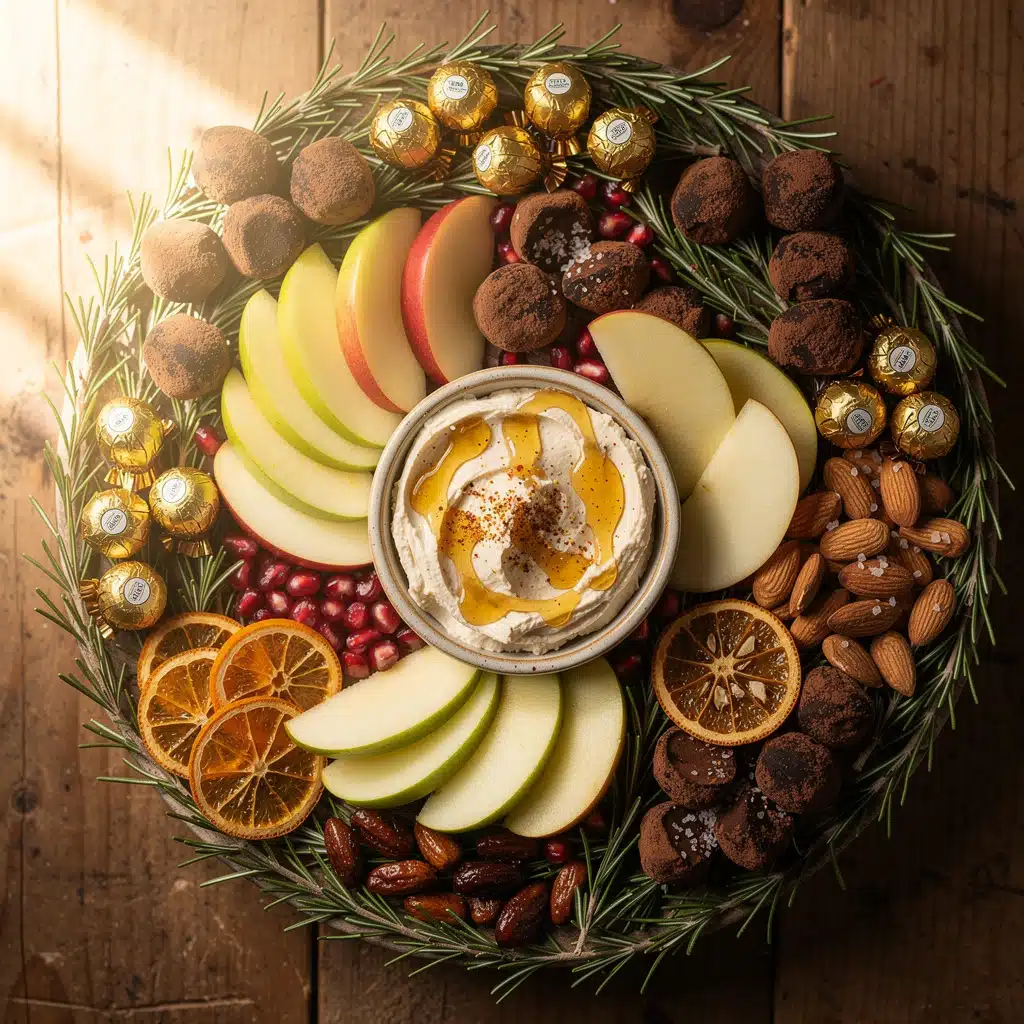
Creamy Roasted Garlic Tomato Soup

There’s something almost magical about the way a simple bowl of soup can wrap you in warmth and comfort, especially on days when the world feels a little too chilly. For me, that magic lives in a pot of Creamy Roasted Garlic Tomato Soup. It’s the kind of recipe that feels both nostalgic and new—a familiar favorite with a rich, soulful twist. I first fell in love with this version during a rainy autumn weekend, when the only thing that sounded right was curling up with a blanket, a good book, and a steaming bowl of something deeply satisfying. This isn’t just any tomato soup. By roasting the garlic and tomatoes together, you coax out their natural sweetness and add a smoky depth that transforms the ordinary into the extraordinary. It’s a cozy, nourishing dish that’s as perfect for a quiet lunch as it is for impressing guests. Whether you’re a seasoned cook or just starting out, this recipe is designed to be approachable, rewarding, and utterly delicious. Let’s make a batch together.

Table of Contents

  • Creamy Roasted Garlic Tomato Soup Ingredients
  • Step-by-Step Instructions for Creamy Roasted Garlic Tomato Soup
  • Equipment Needed
  • Why You’ll Love This Recipe
  • Healthier Alternatives for the Recipe
  • Serving Suggestions
  • Common Mistakes to Avoid
  • Storing Tips for the Recipe
  • Conclusion
  • FAQs about Creamy Roasted Garlic Tomato Soup

Creamy Roasted Garlic Tomato Soup Ingredients


Creamy Roasted Garlic Tomato Soup begins with a handful of simple, wholesome ingredients that come together to create something truly special. Here’s what you’ll need:

  • 2 pounds ripe Roma tomatoes, halved
  • 1 whole head of garlic
  • 1 medium yellow onion, roughly chopped
  • 2 tablespoons olive oil
  • 1 teaspoon dried basil
  • ½ teaspoon dried oregano
  • ¼ teaspoon red pepper flakes (optional, for a subtle kick)
  • 4 cups vegetable broth
  • ½ cup heavy cream (or coconut cream for a vegan option)
  • Salt and black pepper to taste
  • Fresh basil leaves for garnish

If you’re looking for a lighter version, you can swap the heavy cream for half-and-half or even full-fat coconut milk. Both will give you that velvety texture without overpowering the roasted tomato flavor.

Timing for Your Homemade Tomato Soup

This recipe is surprisingly hands-off once the roasting begins. Prep time is just 10 minutes, and cook time runs about 40 minutes, bringing your total time to just under an hour. That’s nearly 30% faster than many from-scratch soup recipes, leaving you more time to relax and enjoy.

Step-by-Step Instructions for Creamy Roasted Garlic Tomato Soup

Making this soup is a straightforward process, but a few key steps ensure you get the most flavor out of every ingredient.

Step 1: Roast the Vegetables

Preheat your oven to 400°F (200°C). Arrange the halved tomatoes and chopped onion on a large baking sheet. Slice the top off the head of garlic to expose the cloves, drizzle it with a bit of olive oil, and wrap it loosely in foil. Place the foil packet on the baking sheet with the tomatoes and onion. Drizzle everything with olive oil, and sprinkle with dried basil, oregano, salt, and pepper. Roast for 30-35 minutes, or until the tomatoes are soft and slightly caramelized at the edges.

Step 2: Simmer the Soup Base

Once the vegetables are roasted, carefully squeeze the roasted garlic cloves out of their skins into a large pot. Add the roasted tomatoes, onion, and any juices from the baking sheet. Pour in the vegetable broth and bring everything to a gentle simmer over medium heat. Let it cook for about 10 minutes to allow the flavors to meld.

Step 3: Blend Until Smooth

Using an immersion blender, puree the soup directly in the pot until it’s completely smooth. If you prefer an ultra-silky texture, you can carefully transfer the soup in batches to a countertop blender. Just be sure to vent the lid to avoid steam buildup.

Step 4: Add Cream and Season

Reduce the heat to low and stir in the heavy cream. Warm the soup through without letting it boil. Taste and adjust seasoning with additional salt and pepper if needed. For a little extra freshness, stir in a handful of chopped fresh basil right before serving.

Nutritional Information

One serving of this soup (about 1½ cups) contains approximately 180 calories, 4g protein, 18g carbohydrates, and 11g fat. It’s also a good source of vitamins A and C from the roasted tomatoes, and the garlic provides antioxidants that support immune health.

Equipment Needed

You won’t need any fancy tools to make this Creamy Roasted Garlic Tomato Soup. A large baking sheet, a sturdy soup pot, and an immersion blender are the main items. If you don’t have an immersion blender, a standard countertop blender works perfectly—just blend in batches for safety.

Why You’ll Love This Recipe

This Creamy Roasted Garlic Tomato Soup has become a staple in my kitchen for so many reasons. First, the roasting process deepens the flavor in a way that simmering just can’t match. Second, it’s incredibly versatile—easy to make vegan, dairy-free, or even spicier depending on your mood. Third, it freezes beautifully, making it a fantastic meal prep option. And finally, it’s the kind of comfort food that feels gourmet without requiring advanced skills. If you enjoy rich, satisfying soups, you might also love our Creamy Garlic Chickpea Soup for another dose of creamy goodness.

Healthier Alternatives for the Recipe

This soup is already packed with nutritious ingredients, but you can easily adjust it to fit specific dietary needs. For a dairy-free version, use full-fat coconut milk instead of heavy cream—it adds a subtle sweetness that pairs wonderfully with the roasted tomatoes. To reduce the fat content, substitute half-and-half or even plain Greek yogurt stirred in at the end. If you’re monitoring sodium, use low-sodium vegetable broth and adjust the salt to taste. For an extra nutrient boost, blend in a handful of fresh spinach after pureeing the soup—it will wilt beautifully and add vitamins without changing the flavor.

Serving Suggestions

rustic tomato soup grilled cheese 2025 10 07T214816.393Z
A bowl of this Creamy Roasted Garlic Tomato Soup is wonderful on its own, but pairing it with the right sides can turn it into a full meal. For a classic combination, serve it with a crispy, buttery grilled cheese sandwich—the ultimate comfort food duo. A simple side salad with a tangy vinaigrette helps balance the soup’s richness. For a heartier option, consider serving it alongside our Hearty White Lasagna Soup for a soup-themed dinner night. Garnish each bowl with a drizzle of cream, a few fresh basil leaves, or a sprinkle of black pepper for a beautiful finish.

Common Mistakes to Avoid

Even the simplest recipes can have pitfalls. Here are a few to watch for when making this Roasted Tomato Soup Recipe. First, don’t rush the roasting step—those caramelized edges on the tomatoes are where a lot of the flavor lives. Second, be careful not to boil the soup after adding the cream, as it can cause curdling. Keep the heat low and warm it gently. Third, if using a countertop blender, always vent the lid to let steam escape. Blending hot soup without ventilation can lead to messy and dangerous spills. Finally, taste and season at the end. Roasting concentrates flavors, so you may need less salt than you think.

Storing Tips for the Recipe

This soup stores wonderfully, making it a great make-ahead option. Let it cool completely before transferring it to an airtight container. It will keep in the refrigerator for up to 4 days. To freeze, portion the soup into freezer-safe containers or bags, leaving a little space for expansion. It can be frozen for up to 3 months. When reheating, thaw overnight in the refrigerator if frozen, then warm gently on the stove over low heat. If the soup has thickened upon standing, you can thin it with a splash of broth or water. For another freezer-friendly favorite, try our Creamy Chicken Gnocchi Soup.

rustic tomato soup grilled cheese 2025 10 07T214816.393Z

Conclusion

This Creamy Roasted Garlic Tomato Soup is more than just a recipe—it’s a bowl of comfort that’s both easy to make and deeply satisfying. With its rich, smoky notes from roasted garlic and tomatoes, and its velvety, creamy texture, it’s a dish that feels special enough for company but simple enough for a weeknight. I hope it becomes a cherished favorite in your home, too. If you give it a try, I’d love to hear how it turned out! Share your thoughts in the comments below, and don’t forget to tag @Stacksipsnack on Pinterest so we can see your beautiful creations. And if you’re looking for more cozy soup ideas, be sure to check out our Cheddar Garlic Herb Potato Soup for another warming option. Happy cooking

FAQs about Creamy Roasted Garlic Tomato Soup

How do you make tomato soup creamy?

Achieve creaminess by blending the soup until smooth, then stirring in rich ingredients like heavy cream, coconut milk, or a roux (butter and flour mixture) at the end. For a dairy-free option, cashew cream or pureed white beans can also work.

How do you enhance the flavor of tomato soup?

Deepen the flavor by roasting tomatoes and garlic beforehand, adding fresh herbs (basil, thyme, oregano), a splash of balsamic vinegar, a pinch of sugar to balance acidity, or a dash of Worcestershire sauce for umami. A good quality vegetable or chicken broth also makes a significant difference.

What is a good side dish for tomato soup?

Classic pairings include a grilled cheese sandwich, crusty bread for dipping, a fresh green salad, or garlic bread. For a heartier meal, consider a quesadilla or a light sandwich.

Is roasted garlic good in tomato soup?

Absolutely! Roasted garlic adds a mellow, sweet, and nutty depth of flavor that raw garlic can't achieve. It complements the acidity of tomatoes beautifully, making the soup richer and more complex without being overpowering.

What kind of tomatoes are best for tomato soup?

For the best flavor, use ripe, flavorful tomatoes. San Marzano tomatoes (canned or fresh) are highly regarded for their balance and low acidity. Roma tomatoes are also excellent for roasting. During peak season, fresh garden tomatoes like Brandywine or Better Boy varieties are fantastic.

Can you freeze creamy tomato soup?

Yes, you can freeze creamy tomato soup, but dairy-based cream can sometimes separate or become grainy upon thawing. To mitigate this, freeze the soup *before* adding cream, then stir in cream or coconut milk after reheating. If freezing with cream, ensure it's reheated gently and stirred well.

💬 Let’s Stay Connected!
For daily recipes, kitchen tips, and exclusive content, follow me on:
👉 Facebook for behind-the-scenes & community fun
👉 Pinterest for visual inspiration & meal ideas
👉 X (Twitter) for quick tips & trending recipes

📲 Join the flavor journey, your next favorite recipe is just a follow away!
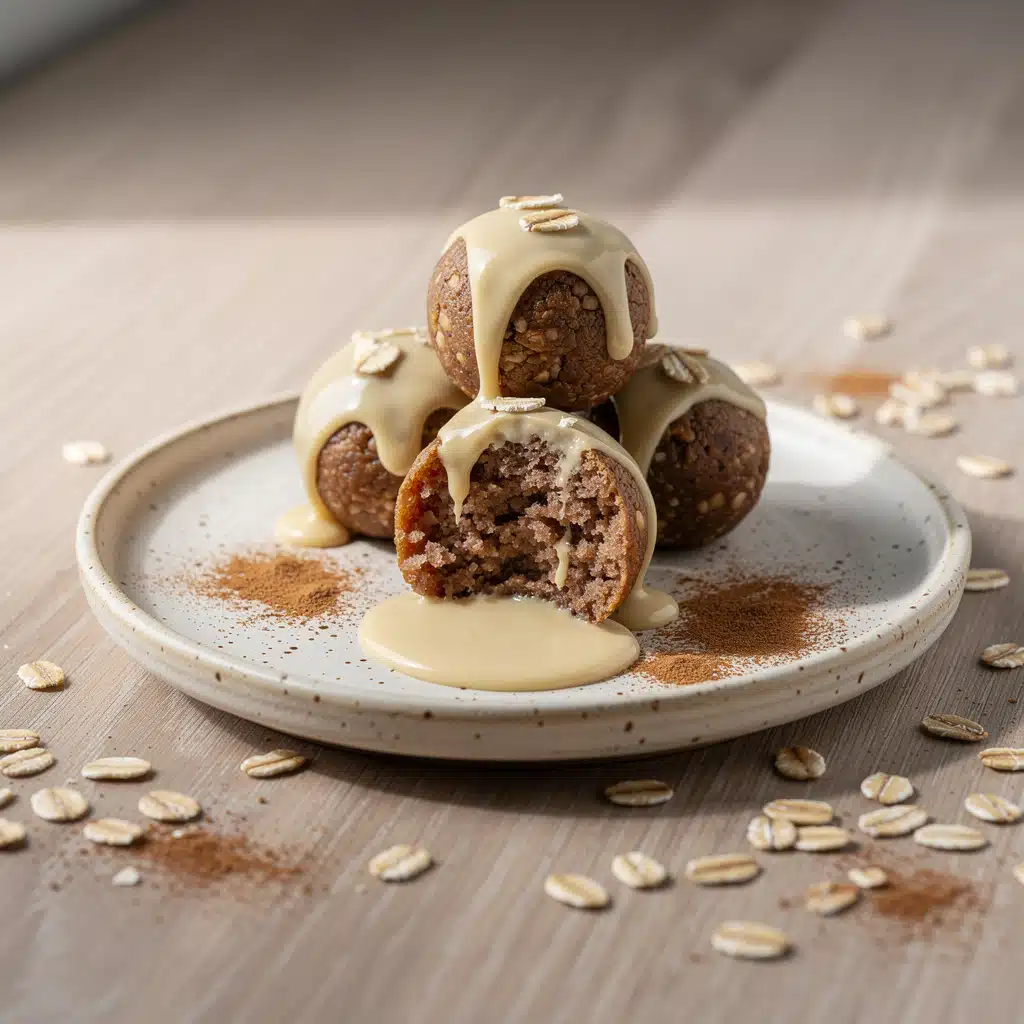
Meatball Tortellini Soup Recipe

There’s something almost magical about a pot of soup simmering on the stove, especially when it’s a cold, rainy evening and everyone is craving a little comfort. For me, that feeling is perfectly captured in this Meatball Tortellini Soup Recipe. It’s the kind of meal that fills the kitchen with an incredible aroma, promising a dinner that’s both hearty and deeply satisfying. It’s a hug in a bowl, a one-pot wonder that manages to feel both rustic and elegant, and it has become a steadfast favorite in our weekly dinner rotation.

This particular Meatball Tortellini Soup recipe is a beautiful marriage of two classics: the rich, savory depth of a traditional meatball soup and the delightful, cheesy surprise of tortellini. It’s an easy soup recipe that comes together surprisingly fast, making it a perfect candidate for a busy weeknight dinner. The tender meatballs, the flavorful broth, and the plump, cheese-filled pasta create a symphony of textures and flavors that is pure comfort food. It’s a family friendly dinner that pleases both kids and adults, and the best part? It all happens in one pot, which means cleanup is a breeze.

Table of Contents

  • Meatball Tortellini Soup Recipe Ingredients
  • Step-by-Step Instructions for Your Soup
  • Equipment Needed for This One Pot Meal
  • Why You’ll Love This Meatball Tortellini Soup Recipe
  • Healthier Alternatives for Your Soup
  • Serving Suggestions for Your Italian Soup
  • Common Mistakes to Avoid
  • Storing Tips for Your Leftover Soup
  • Wrapping Up Your Cozy Dinner
  • FAQs about Meatball Tortellini Soup Recipe

Meatball Tortellini Soup Recipe Ingredients

The foundation of any great dish is its ingredients, and this Meatball Tortellini Soup is no exception. Starting with a few simple, fresh components builds layers of flavor that make this soup truly special.

meatball tortellini soup ingredients overhead 2025 10 07T134501.177Z

For the Meatballs:

  • 1 lb ground beef (I often use an 85/15 blend for flavor, but leaner works too)
  • ⅓ cup breadcrumbs (Panko adds a nice lightness)
  • ¼ cup freshly grated Parmesan cheese
  • 1 large egg, lightly beaten
  • 2 cloves garlic, minced
  • 2 tablespoons fresh parsley, finely chopped
  • 1 teaspoon Italian seasoning
  • ½ teaspoon salt
  • ¼ teaspoon black pepper

For the Soup Base:

  • 1 tablespoon olive oil
  • 1 medium yellow onion, diced
  • 2 medium carrots, peeled and diced
  • 2 stalks celery, diced
  • 3 cloves garlic, minced
  • 6 cups beef broth (chicken broth works well too)
  • 1 (24-ounce) jar of your favorite marinara sauce
  • 1 teaspoon dried oregano
  • 1 bay leaf (optional, but adds a lovely background note)
  • 1 (9-ounce) package refrigerated cheese tortellini
  • 3 cups fresh spinach, roughly chopped
  • Salt and freshly ground black pepper, to taste
  • For serving: extra grated Parmesan cheese and crusty bread

Quick Timing for Your Meatball Tortellini Soup

One of the best things about this Italian soup is how quickly it comes together, even with homemade meatballs.
* Prep time: 15 minutes
* Cook time: 25 minutes
* Total time: 40 minutes

Step-by-Step Instructions for Your Soup

Making this soup is a straightforward process that fills your home with the most wonderful smells. Follow these simple steps for a perfect result every time.

Step 1: Prepare the Meatballs

In a medium bowl, combine the ground beef, breadcrumbs, Parmesan, egg, minced garlic, parsley, Italian seasoning, salt, and pepper. Use your hands to mix everything gently but thoroughly—overmixing can make the meatballs tough. Form the mixture into small, bite-sized meatballs, about 1 inch in diameter. You should get around 20-25 meatballs.

Step 2: Brown the Meatballs

Heat the olive oil in a large Dutch oven or heavy-bottomed pot over medium-high heat. Working in batches to avoid crowding the pan, add the meatballs and brown them on all sides. They don’t need to be cooked through at this stage, just nicely seared to develop flavor. This should take about 5-7 minutes per batch. Remove the meatballs with a slotted spoon and set them aside on a plate.

Step 3: Sauté the Aromatics

In the same pot, you’ll have all those delicious browned bits from the meatballs. Add the diced onion, carrots, and celery (this classic combo is called a soffritto). Sauté for about 5-7 minutes, until the vegetables have softened and the onion becomes translucent. Add the minced garlic and cook for one more minute until fragrant.

Step 4: Build the Soup Broth

Pour in the beef broth and marinara sauce, scraping the bottom of the pot with your spoon to lift up all those flavorful browned bits. This is where the deep, rich flavor of the soup comes from! Stir in the dried oregano and add the bay leaf if using. Bring the broth to a gentle boil.

Step 5: Simmer and Add Tortellini

Once the broth is boiling, carefully add the browned meatballs back into the pot. Reduce the heat to a simmer, cover the pot, and let it cook for about 10 minutes. This allows the meatballs to cook through and the flavors to meld. After 10 minutes, add the entire package of refrigerated cheese tortellini to the soup. Simmer, uncovered, for another 5-7 minutes, or until the tortellini are tender and cooked through.

Step 6: The Final Touches

Stir in the fresh spinach and cook for just 1-2 minutes, until it has wilted into the hot broth. Remove the pot from the heat and fish out the bay leaf. Give the soup a taste and adjust the seasoning with more salt and pepper if needed.

Nutritional Information Per Serving

This information is an estimate and can vary based on specific ingredients used.
* Calories: ~420
* Protein: 28g
* Carbohydrates: 38g
* Fat: 18g
* It’s also a good source of Iron, Vitamin A (from the carrots and spinach), and Calcium.

Equipment Needed for This One Pot Meal

The beauty of this recipe is its simplicity, and that extends to the tools you’ll need.
* A large Dutch oven or heavy-bottomed soup pot (at least 5-6 quarts)
* A sharp knife and cutting board
* Measuring cups and spoons
* A slotted spoon or tongs for handling the meatballs
* A mixing bowl for the meatball mixture

Why You’ll Love This Meatball Tortellini Soup Recipe

This soup has earned its place as a staple for so many good reasons.
* **Ultimate Comfort:** It’s the definition of cozy, satisfying comfort food.
* **Surprisingly Simple:** From start to finish, it’s on the table in about 40 minutes.
* **All-in-One:** It’s a complete, balanced meal with protein, veggies, and carbs all in a single bowl.
* **Crowd-Pleaser:** Its universally loved flavors make it a hit with the whole family.
* **Flexible:** You can easily adapt it to what you have on hand, which we’ll explore next.

Healthier Alternatives for Your Soup

You can easily tailor this Meatball Tortellini Soup to fit different dietary needs without sacrificing flavor.
* **For a Lighter Version:** Use ground turkey or chicken for the meatballs and low-sodium broth.
* **Gluten-Free:** Use gluten-free breadcrumbs in the meatballs and seek out a certified gluten-free cheese tortellini.
* **Dairy-Free:** Omit the Parmesan from the meatballs (you can use a tablespoon of nutritional yeast for a cheesy flavor) and ensure your tortellini is dairy-free.
* **Packed with Veggies:** Feel free to add diced zucchini, bell peppers, or kale along with the spinach for an extra nutrient boost.

meatball tortellini soup bread dipping 2025 10 07T134529.296Z

Serving Suggestions for Your Italian Soup

While this soup is a meal in itself, a few simple additions can make it even more special.
* The non-negotiable accompaniment is a loaf of warm, crusty bread for dipping. A slice of garlic bread or a soft, fluffy dinner roll is perfection.
* A simple side salad with a bright, lemony vinaigrette provides a refreshing contrast to the rich soup.
* For a restaurant-style finish, always serve with an extra sprinkle of freshly grated Parmesan cheese and a crack of black pepper.
* If you love the combination of meatballs and pasta in a soup, you must try our classic Italian Wedding Soup for another family favorite.

Common Mistakes to Avoid

A few small missteps can change the outcome of your soup. Here’s how to avoid them.
* **Overcooking the Tortellini:** Add the tortellini only in the last 5-7 minutes of cooking. If they simmer for too long, they can become mushy and fall apart.
* **Overcrowding the Pan When Browning Meatballs:** If you add all the meatballs at once, they will steam instead of sear. Browning in batches is key for a flavorful, caramelized exterior.
* **Skipping the Veggie Sauté:** Taking the time to properly sauté the onion, carrots, and celery builds a sweet, savory foundation that is essential to the soup’s depth of flavor.
* **Forgetting to Taste and Season:** Broths and sauces can vary in saltiness. Always taste your soup at the end and adjust the seasoning with salt and pepper before serving.

Storing Tips for Your Leftover Soup

This soup makes for fantastic leftovers, but a little care is needed because of the pasta.
* **Refrigeration:** Store cooled soup in an airtight container in the refrigerator for up to 3-4 days. Be aware that the tortellini will continue to absorb broth, so the soup will thicken.
* **Reheating:** Gently reheat on the stovetop over medium-low heat, adding a splash of broth or water to loosen it up to your desired consistency.
* **Freezing:** For best results, I recommend freezing the soup *without* the tortellini. The pasta can become grainy and soft upon thawing. Make and freeze the soup base with the meatballs, then cook fresh tortellini when you’re ready to serve. The base freezes beautifully for up to 3 months.
* If you enjoy soups that are perfect for making ahead, our Sausage Potato Soup is another hearty option that stores and reheats wonderfully.

Cozy Comfort Meatball Tortellini Soup 2025 10 07T134433.699Z

Wrapping Up Your Cozy Dinner

This Meatball Tortellini Soup Recipe is more than just a meal; it’s a warm, comforting experience that brings everyone to the table. It proves that a truly satisfying, from-scratch dinner doesn’t have to be complicated or take hours. With its tender meatballs, rich broth, and cheesy pasta, it’s a one pot meal you’ll find yourself turning to again and again.

I truly hope this recipe becomes a cherished part of your family’s recipe collection. If you’re a fan of creamy, pasta-filled soups, you should definitely check out our Creamy Chicken Gnocchi Soup or our rich Bacon Cheddar Gnocchi Soup for more delicious inspiration.

I’d love to hear how your soup turns out! Leave a comment below and share your experience. And don’t forget to tag @Stacksipsnack on Pinterest so we can see your cozy creations

FAQs about Meatball Tortellini Soup Recipe

How do you thicken tortellini soup?

You can thicken tortellini soup by creating a cornstarch slurry (1 tablespoon cornstarch mixed with 2 tablespoon cold water) and stirring it into the simmering soup until desired consistency is reached. Alternatively, a roux made with butter and flour can be incorporated, or you can mash a small portion of the cooked tortellini or vegetables.

Can you freeze tortellini soup?

While you can freeze tortellini soup, the tortellini pasta may become somewhat mushy upon thawing and reheating. For best results, it's recommended to cook and add the tortellini fresh when serving, or significantly undercook it before freezing the soup base separately.

What goes well with tortellini soup?

Meatball tortellini soup pairs wonderfully with crusty bread or garlic knots for dipping, a fresh green salad with a light vinaigrette, or a simple side of roasted vegetables like asparagus or broccoli.

How long does tortellini soup last in the fridge?

Properly stored in an airtight container, meatball tortellini soup typically lasts for 3-4 days in the refrigerator. Beyond this, the quality of the tortellini may degrade further.

Can you put raw meatballs in soup?

Yes, you can absolutely put raw meatballs directly into simmering soup. They will cook through in the broth, infusing the soup with their flavor. Ensure the soup maintains a gentle simmer and the meatballs reach an internal temperature of 160u00b0F (71u00b0C).

How do you keep tortellini from getting soggy in soup?

To prevent tortellini from getting soggy, add it to the soup only in the last 5-7 minutes of cooking, just until it's al dente. If making ahead or freezing, cook tortellini separately and add it to individual bowls just before serving, or add undercooked tortellini to the soup base right before serving.

💬 Let’s Stay Connected!
For daily recipes, kitchen tips, and exclusive content, follow me on:
👉 Facebook for behind-the-scenes & community fun
👉 Pinterest for visual inspiration & meal ideas
👉 X (Twitter) for quick tips & trending recipes

📲 Join the flavor journey, your next favorite recipe is just a follow away!
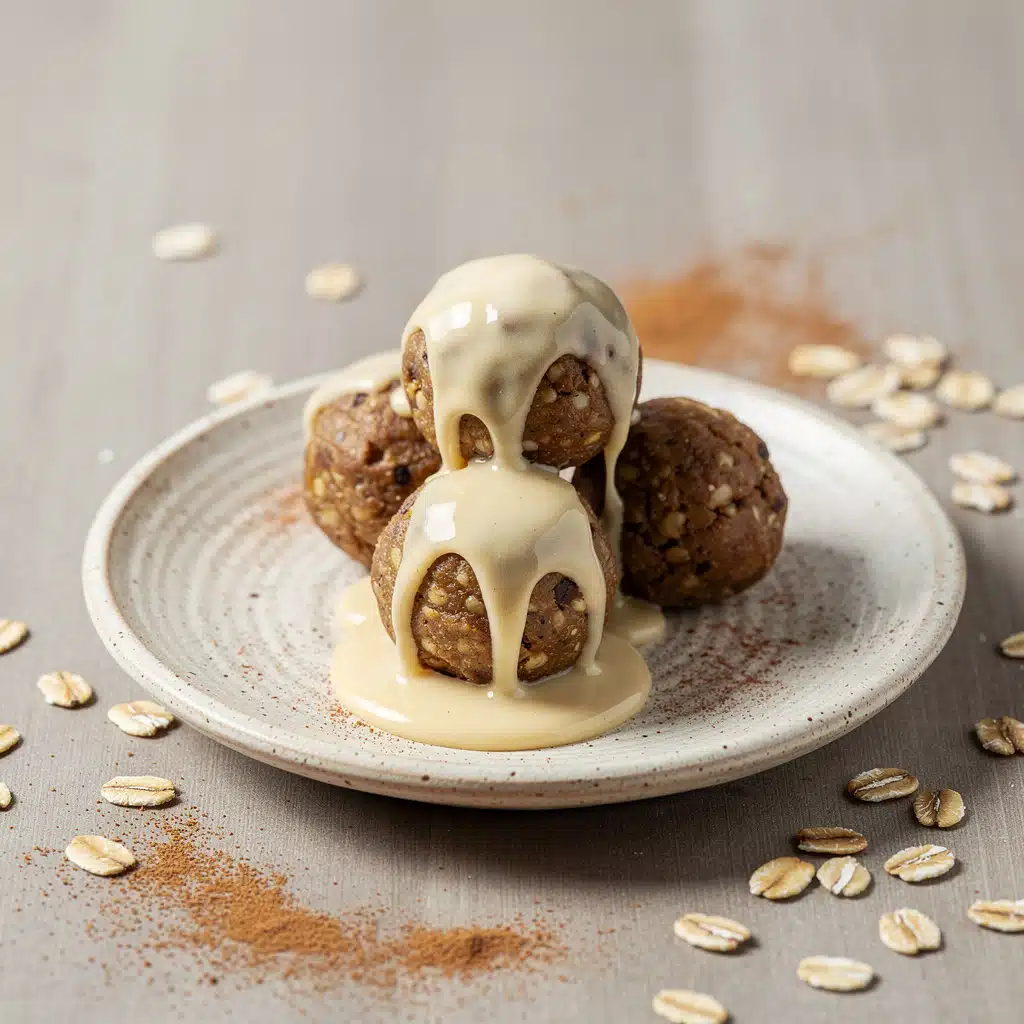
Easy Creamy Zucchini Soup

There’s something deeply comforting about a bowl of soup that’s both nourishing and effortless to make. This easy creamy zucchini soup recipe is my go-to when I need a wholesome meal on the table without a fuss. It’s the kind of dish that transforms humble summer squash into a velvety, luxurious bowl of comfort, and the best part? It’s naturally dairy-free, making it a fantastic option for various dietary needs. Whether you’re swimming in garden zucchini or just looking for a quick, healthy dinner, this simple zucchini soup delivers on flavor and simplicity.

I first fell in love with this style of soup during a busy week when my vegetable drawer was overflowing with zucchini. I wanted something that felt indulgent but was actually light and packed with veggies. The result was this creamy courgette soup, which has since become a staple in my home. It’s a recipe that proves you don’t need heavy cream or complicated steps to achieve a rich, satisfying texture. With just a handful of ingredients and one pot, you can create a meal that feels both rustic and refined. If you enjoy this approach, you might also love our creamy garlic chickpea soup, which offers a similar comforting experience.

Ready to make this healthy zucchini soup recipe? Let’s get started.

Table of Contents

  • Easy Creamy Zucchini Soup Ingredients
  • Step-by-Step Instructions for Easy Creamy Zucchini Soup
  • Equipment Needed for This Recipe
  • Why You’ll Love This Easy Creamy Zucchini Soup
  • Healthier Alternatives for the Recipe
  • Serving Suggestions for Creamy Zucchini Soup
  • Common Mistakes to Avoid
  • Storing Tips for the Recipe
  • Conclusion
  • FAQs about Easy Creamy Zucchini Soup

Easy Creamy Zucchini Soup Ingredients

creamy zucchini soup ingredients overhead 2025 10 07T054340.731Z

This easy creamy zucchini soup comes together with simple, fresh ingredients. Here’s what you’ll need:

  • 4 medium zucchinis, chopped (about 6 cups)
  • 1 large yellow onion, diced
  • 3 cloves garlic, minced
  • 4 cups vegetable broth (low sodium if preferred)
  • 2 tablespoons olive oil or avocado oil
  • 1 teaspoon dried thyme (or 1 tablespoon fresh thyme)
  • ½ teaspoon smoked paprika (optional, for depth)
  • Salt and black pepper to taste
  • ½ cup canned coconut milk (for creaminess; substitute with heavy cream if not dairy-free)
  • Fresh parsley or chives for garnish

Ingredient Notes & Swaps:

  • For a richer flavor, you can sauté the onions until caramelized.
  • No coconut milk? Use cashew cream, almond milk, or a splash of regular cream.
  • Add a potato for extra thickness or a pinch of red pepper flakes for heat.

Quick Zucchini Soup Timing

  • Prep time: 10 minutes
  • Cook time: 20 minutes
  • Total time: 30 minutes

Yes, you read that right! This healthy zucchini soup recipe is ready in just half an hour, making it perfect for busy weeknights.

Step-by-Step Instructions for Easy Creamy Zucchini Soup

Making this simple zucchini soup is straightforward, but a few tips will ensure it turns out perfectly creamy every time.


  1. Sauté the Aromatics: Heat olive oil in a large pot over medium heat. Add the diced onion and cook until soft and translucent, about 5 minutes. Stir in the minced garlic and cook for another minute until fragrant.


  2. Cook the Zucchini: Add the chopped zucchini, dried thyme, smoked paprika (if using), salt, and pepper. Sauté for 5-7 minutes, stirring occasionally, until the zucchini begins to soften.


  3. Simmer the Soup: Pour in the vegetable broth, bring to a boil, then reduce the heat and let it simmer for 10-12 minutes, or until the zucchini is completely tender.


  4. Blend Until Smooth: Carefully transfer the soup to a blender (or use an immersion blender directly in the pot) and blend until smooth and creamy. For an ultra-silky texture, you can strain the soup through a fine-mesh sieve, but this is optional.


  5. Finish with Creaminess: Return the soup to the pot and stir in the coconut milk. Warm gently over low heat—do not boil once the coconut milk is added. Taste and adjust seasoning as needed.


Pro tip: If you’re using a regular blender, allow the soup to cool slightly and blend in batches to avoid steam buildup.

Nutritional Information for Healthy Zucchini Soup

This dairy-free zucchini soup is not only delicious but also packed with nutrients. One serving (approximately 1.5 cups) contains roughly:

  • Calories: 120
  • Protein: 3g
  • Carbohydrates: 12g
  • Fat: 8g
  • Fiber: 3g
  • Vitamin C: 35% of the Daily Value

Zucchini is low in calories and high in water content, making this soup hydrating and light. It’s also a good source of antioxidants and supports digestion thanks to its fiber content.

Equipment Needed for This Recipe

You don’t need any fancy tools to make this vegan zucchini soup. Here’s the short list:

  • A large soup pot or Dutch oven
  • A blender (immersion or countertop)
  • A sharp knife and cutting board
  • Measuring cups and spoons

Why You’ll Love This Easy Creamy Zucchini Soup

  • It’s incredibly simple: With minimal ingredients and one pot, this recipe is beginner-friendly and hard to mess up.
  • Naturally dairy-free: The coconut milk gives it a lush texture without any dairy, making it suitable for vegan and lactose-intolerant diets.
  • Quick to make: From chop to sip in 30 minutes—perfect for those nights when you need dinner fast.
  • Versatile and customizable: Easily adapt the flavors with different herbs, spices, or add-ins.
  • Light yet satisfying: It feels indulgent but is actually low in calories and high in nutrients.

Healthier Alternatives for the Recipe

This easy creamy zucchini soup is already quite healthy, but you can tweak it to fit specific dietary goals:

  • Lower fat: Skip the coconut milk and use an extra ½ cup of broth for a lighter version.
  • Higher protein: Stir in a can of white beans before blending, or top with grilled chicken or chickpeas.
  • Keto-friendly: Zucchini is low in carbs, so this soup fits well into a keto diet. Just ensure your broth has no added sugars.

If you enjoy creamy vegetable soups, you should try our cream of spring vegetable soup for another seasonal favorite.

Serving Suggestions for Creamy Zucchini Soup

rustic zucchini soup bread dipping 2025 10 07T054402.603Z

This simple zucchini soup is delightful on its own, but a few additions can make it a full meal:

  • Serve with a slice of crusty bread or garlic toast for dipping.
  • Top with a drizzle of olive oil, fresh herbs, or a sprinkle of nutritional yeast for a cheesy flavor.
  • Pair with a simple green salad for a balanced lunch or dinner.
  • For a heartier meal, add a scoop of cooked quinoa or brown rice directly into the bowl.

This soup also pairs wonderfully with our easy creamy tomato soup for a cozy soup duo.

Common Mistakes to Avoid

  • Overcooking the zucchini: This can make the soup watery. Cook just until tender.
  • Blending while too hot: If using a countertop blender, let the soup cool for a few minutes to avoid accidents from steam pressure.
  • Skipping the sauté: Taking the time to sauté the onions and garlic builds a flavor foundation—don’t rush this step.
  • Boiling after adding coconut milk: This can cause the soup to separate. Gently warm it instead.

Storing Tips for the Recipe

This dairy-free zucchini soup stores beautifully, making it a great option for meal prep.

  • Refrigerator: Let the soup cool completely, then store in an airtight container for up to 4 days.
  • Freezer: Pour cooled soup into freezer-safe containers or bags, leaving some space for expansion. It will keep for up to 3 months. Thaw in the refrigerator overnight before reheating.
  • Reheating: Warm gently on the stovetop over low heat, stirring occasionally. If the soup has thickened, add a splash of broth or water to reach your desired consistency.
Easy Creamy Zucchini Soup Pinterest 2025 10 07T054319.084Z

Conclusion

This easy creamy zucchini soup is proof that simple ingredients can create something truly special. It’s healthy, quick to prepare, and adaptable to your taste and dietary needs. Whether you’re making it for a quiet dinner or a busy weeknight, this creamy courgette soup is sure to become a repeat favorite in your kitchen.

I’d love to hear how your soup turns out! Leave a comment below with your experience or any fun variations you tried. And if you’re looking for another comforting, creamy soup, don’t miss our hearty white lasagna soup—it’s another family favorite.

Happy cooking

FAQs about Easy Creamy Zucchini Soup

How do you get the bitterness out of zucchini soup?

Bitterness in zucchini is rare but can occur, especially with older or overgrown zucchini. To avoid it, use fresh, young zucchini. If a slight bitterness is present, adding a pinch of sugar, a squeeze of lemon juice, or a splash of cream can help balance the flavors in your u003cstrongu003eEasy Creamy Zucchini Soupu003c/strongu003e.

Should you peel zucchini for soup?

No, it's generally not necessary to peel zucchini for soup, especially for an u003cstrongu003eEasy Creamy Zucchini Soupu003c/strongu003e. The skin is thin, tender, and blends seamlessly, adding nutrients and a lovely green hue. Only peel if the skin is very tough or you prefer a lighter color.

Does zucchini soup freeze well?

Yes, u003cstrongu003eEasy Creamy Zucchini Soupu003c/strongu003e freezes very well! Allow it to cool completely, then transfer to airtight containers or freezer-safe bags, leaving some headspace. It can be frozen for up to 3-4 months. Thaw overnight in the refrigerator and reheat gently.

What goes well with zucchini soup?

An u003cstrongu003eEasy Creamy Zucchini Soupu003c/strongu003e pairs wonderfully with crusty bread for dipping, a fresh green salad, or grilled cheese sandwiches. For a heartier meal, consider serving it alongside a light protein like grilled chicken or fish, or a simple bruschetta.

How do you thicken zucchini soup?

An u003cstrongu003eEasy Creamy Zucchini Soupu003c/strongu003e naturally thickens as the zucchini blends. For extra creaminess, you can add a potato or a spoonful of rice during cooking before blending. Alternatively, a cornstarch slurry (1 tablespoon cornstarch mixed with 2 tablespoon cold water) stirred in at the end can provide a thicker consistency.

Is zucchini soup healthy?

Yes, u003cstrongu003eEasy Creamy Zucchini Soupu003c/strongu003e is generally very healthy! Zucchini is low in calories and rich in vitamins, minerals, and antioxidants. When prepared with minimal added fats and cream (or healthy cream alternatives), it makes for a nutritious and satisfying meal.

💬 Let’s Stay Connected!
For daily recipes, kitchen tips, and exclusive content, follow me on:
👉 Facebook for behind-the-scenes & community fun
👉 Pinterest for visual inspiration & meal ideas
👉 X (Twitter) for quick tips & trending recipes

📲 Join the flavor journey, your next favorite recipe is just a follow away!

The Best Homemade Loaded Potato Soup

There’s something deeply comforting about a bowl of homemade soup on a chilly evening, especially when it’s a rich, creamy, and utterly satisfying loaded potato soup. I remember the first time I made this recipe for my family on a blustery autumn night. The wind was howling outside, but inside, our kitchen was warm and filled with the incredible aroma of simmering potatoes, crispy bacon, and sharp cheddar cheese. My youngest, who usually turns her nose up at anything that isn’t mac and cheese, asked for a second helping. That’s when I knew this recipe was a true winner. This version of The Best Homemade Loaded Potato Soup is the ultimate comfort food, a hug in a bowl that’s surprisingly simple to make from scratch. It’s the kind of meal that turns an ordinary weeknight into something special, and it’s perfect for feeding a crowd or just curling up on the couch with. Let’s make it together.

Table of Contents

  • The Best Homemade Loaded Potato Soup Ingredients
  • Step-by-Step Instructions for Your Loaded Potato Soup
  • Equipment Needed for This Easy Dinner Idea
  • Why You’ll Love This Comfort Food Recipe
  • Healthier Alternatives for Your Homemade Soup
  • Serving Suggestions for Your Creamy Potato Soup
  • Common Mistakes to Avoid with Potato Soup
  • Storing Tips for Your Loaded Potato Soup
  • The Best Homemade Loaded Potato Soup Conclusion
  • FAQs about The Best Homemade Loaded Potato Soup

The Best Homemade Loaded Potato Soup Ingredients

loaded potato soup ingredients overhead 2025 10 06T214348.257Z

The very first step to creating The Best Homemade Loaded Potato Soup is gathering your ingredients. Using simple, fresh components makes all the difference in building those deep, comforting flavors.

  • 6 slices thick-cut bacon, chopped
  • 1 large yellow onion, diced
  • 3 cloves garlic, minced
  • ⅓ cup all-purpose flour
  • 4 cups chicken broth
  • 4 cups milk (whole or 2% for creaminess)
  • 2.5 lbs russet potatoes, peeled and diced into ½-inch cubes
  • 1 cup sour cream
  • 2 cups shredded sharp cheddar cheese
  • 1 teaspoon salt, plus more to taste
  • ½ teaspoon black pepper
  • ¼ teaspoon paprika (optional, for a little warmth)
  • For garnish: chopped fresh chives, extra shredded cheese, additional crispy bacon

Smart Substitutions:

  • Gluten-Free: Swap the all-purpose flour for a 1:1 gluten-free flour blend.
  • Dairy-Free: Use unsweetened almond or oat milk and a dairy-free sour cream and cheese alternative.
  • Vegetarian: Omit the bacon and use a tablespoon of olive oil to sauté the onions. Use vegetable broth instead of chicken broth.

Loaded Potato Soup Timing

  • Prep time: 15 minutes
  • Cook time: 35 minutes
  • Total time: 50 minutes

This creamy potato soup comes together in under an hour, making it a fantastic option for a busy weeknight when you need a hearty meal fast.

Step-by-Step Instructions for Your Loaded Potato Soup

Making this soup is a straightforward process that builds layers of flavor. Follow these steps for a perfectly creamy and rich result every time.

  1. Cook the Bacon: In a large Dutch oven or heavy-bottomed pot, cook the chopped bacon over medium heat until crispy. Use a slotted spoon to remove the bacon and set it aside on a paper towel-lined plate. Leave about 2 tablespoons of the rendered bacon fat in the pot—this is your flavor gold!
  2. Sauté Aromatics: Add the diced onion to the bacon fat and cook for 4-5 minutes until softened and translucent. Stir in the minced garlic and cook for another minute until fragrant. Be careful not to burn the garlic.
  3. Create the Roux: Sprinkle the flour over the onions and garlic. Stir constantly for about 1-2 minutes to cook out the raw flour taste. This roux will thicken your soup beautifully.
  4. Add Liquids and Potatoes: Gradually pour in the chicken broth and milk, whisking continuously to prevent any lumps from forming. Add the diced potatoes, salt, pepper, and paprika. Bring the soup to a gentle boil, then reduce the heat to a simmer.
  5. Simmer to Perfection: Let the soup simmer for 15-20 minutes, or until the potatoes are fork-tender. Stir occasionally to prevent sticking.
  6. Finish with Creaminess: Turn the heat down to low. Stir in the sour cream and shredded cheddar cheese until the cheese is fully melted and the soup is creamy. Be careful not to boil the soup after adding the dairy to prevent curdling.
  7. Serve and Garnish: Ladle the hot soup into bowls. Top with the reserved crispy bacon, a sprinkle of extra cheddar cheese, and a generous handful of fresh chives.

Pro Tip: For a smoother, creamier potato soup, you can use a potato masher or an immersion blender to puree about half of the soup right in the pot before adding the sour cream and cheese. This creates a wonderfully thick base while still leaving some potato chunks for texture.

Loaded Potato Soup Nutritional Information

This information is an estimate per serving (recipe makes about 6 servings).

  • Calories: ~480
  • Protein: 22g
  • Carbohydrates: 42g
  • Fat: 25g

This soup is a good source of protein from the bacon and cheese, and the potatoes provide complex carbohydrates for sustained energy. For a lighter version, see the healthier alternatives below.

Equipment Needed for This Easy Dinner Idea

You don’t need any fancy gadgets to make this homemade soup a success.

  • A large Dutch oven or heavy-bottomed soup pot
  • A sharp knife and cutting board
  • Measuring cups and spoons
  • A whisk
  • A ladle for serving
  • (Optional) An immersion blender for a creamier texture

Why You’ll Love This Comfort Food Recipe

This isn’t just any potato soup; it’s a bowl of pure comfort that checks all the boxes.

  • Incredibly Creamy & Rich: The combination of a flour-thickened base, sour cream, and melted cheddar creates a luxuriously smooth and velvety soup.
  • Packed with Flavor: Every spoonful is loaded with savory bacon, sharp cheese, and tender potatoes. It’s far more flavorful than any canned version.
  • Surprisingly Easy: With simple steps and common ingredients, this recipe is approachable for cooks of any skill level.
  • Crowd-Pleasing: It’s a guaranteed hit with both adults and kids, making it perfect for family dinners or casual gatherings.
  • Versatile Base: This recipe is a fantastic foundation. If you love the idea of a potato soup with a different protein, you must try our Sausage Potato Soup for a delicious twist.

Healthier Alternatives for Your Homemade Soup

You can easily adapt this recipe to fit different dietary needs without sacrificing the cozy, comforting essence.

  • Lighter Version: Use low-fat milk, reduced-fat sour cream, and reduced-fat cheese. You can also use turkey bacon.
  • Dairy-Free: As mentioned in the substitutions, use your favorite plant-based milk, sour cream, and cheese. The soup will still be creamy and satisfying.
  • Add More Veggies: Stir in a few handfuls of fresh spinach or kale during the last 5 minutes of cooking to add color and nutrients.
  • Lower Carb: Replace half of the potatoes with cauliflower florets. They cook down and become wonderfully tender, blending seamlessly into the creamy base.
loaded potato soup bread table 2025 10 06T214413.979Z

Serving Suggestions for Your Creamy Potato Soup

A bowl of this soup is a meal in itself, but a few simple additions can make it even more special.

  • The Perfect Bread: A crusty loaf of sourdough, a soft dinner roll, or a slice of warm, buttery cornbread is ideal for dipping into every last bit of soup.
  • Fresh Salad: A simple side salad with a bright vinaigrette helps balance the richness of the soup. Think mixed greens, cherry tomatoes, and a light lemon dressing.
  • Extra Toppings Bar: Set out small bowls of extra toppings like chopped green onions, jalapeños for a kick, or even a dollop of ranch dressing.
  • Pair with Another Soup: For a cozy soup-and-salad night, pair this with another creamy favorite like our Creamy Chicken Gnocchi Soup.

Common Mistakes to Avoid with Potato Soup

A few small missteps can affect your final dish. Here’s how to avoid them.

  1. Undercooking the Roux: If you don’t cook the flour with the fat for a full minute or two, your soup can have a raw, pasty flavor. Cook it until it’s bubbly and fragrant.
  2. Adding Dairy Too Quickly: When you add the cold milk to the hot roux, whisk constantly and pour in a slow, steady stream. This prevents the soup from becoming lumpy.
  3. Boiling After Adding Cheese: High heat can cause the dairy proteins to separate, making your cheesy potato soup look grainy or oily. Always melt the cheese in over low heat.
  4. Cutting Potatoes Too Large: If your potato cubes are bigger than ½-inch, they will take much longer to cook and may not become as tender. Uniform dicing is key for even cooking.

Storing Tips for Your Loaded Potato Soup

This soup makes for fantastic leftovers, and it’s easy to store for future easy dinner ideas.

  • Refrigerator: Allow the soup to cool completely before transferring it to an airtight container. It will keep in the fridge for 3-4 days.
  • Freezer: You can freeze this soup, but note that the texture of the potatoes may become slightly grainy upon thawing. The dairy can also separate a bit. For best results, freeze before adding the sour cream and cheese. Thaw in the fridge overnight, reheat gently, and then stir in the dairy components.
  • Reheating: Reheat gently on the stovetop over medium-low heat, stirring often. If the soup has thickened too much in the fridge, add a splash of milk or broth to thin it to your desired consistency.
cozy comfort loaded potato soup 2025 10 06T214324.423Z

The Best Homemade Loaded Potato Soup Conclusion

This truly is The Best Homemade Loaded Potato Soup for so many reasons. It’s creamy, hearty, and packed with the classic flavors of bacon and cheddar that everyone loves. It’s the kind of recipe that feels both indulgent and nourishing, a true staple for your comfort food repertoire. Whether you’re making it for a quiet family dinner or a game-day gathering, it’s guaranteed to receive rave reviews. If you’re a fan of rich, cheesy soups, you’ll also adore our Bacon Cheddar Gnocchi Soup for another wonderfully satisfying meal.

I hope this recipe brings as much warmth and joy to your table as it has to mine. I’d love to hear how your soup turns out! Leave a comment below and don’t forget to tag @Stacksipsnack on Pinterest to show off your delicious creation. Happy cooking

FAQs about The Best Homemade Loaded Potato Soup

What is the secret to good potato soup?

The secret lies in a rich, flavorful broth base, perfectly tender potatoes that are partially mashed for texture, a balanced blend of seasonings, and generous "loaded" toppings like crispy bacon, sharp cheddar, and fresh chives for ultimate flavor and appeal.

What makes soup creamy without heavy cream?

To achieve creaminess without heavy cream, you can purée a portion of the cooked potatoes, use a roux (butter and flour mixture) as a thickener, or incorporate a dairy alternative like whole milk, evaporated milk, or even a non-dairy creamer, often combined with a starch slurry.

Why is my potato soup watery?

Your potato soup might be watery due to insufficient thickener (like a roux or cornstarch slurry), not enough potatoes to naturally thicken the soup when mashed, or too much liquid added relative to the solids. Ensure proper liquid-to-solid ratios and consider adding a thickening agent.

Can you freeze potato soup with milk?

While possible, freezing potato soup made with milk (or cream) is not ideal as dairy can separate and become grainy or curdled upon thawing and reheating. If you must freeze, consider freezing the base without dairy, then adding fresh milk/cream when reheating.

What potato is best for soup?

Starchy potatoes like Russets (Idaho) are excellent for soup as they break down easily, contributing to a creamy texture. Yukon Gold potatoes are also a great choice, offering a buttery flavor and holding their shape well while still providing some thickness.

How do you make potato soup thicker?

Thicken potato soup by mashing some of the cooked potatoes directly in the pot, creating a roux (butter and flour cooked together), adding a cornstarch or flour slurry (mixed with cold liquid before adding to hot soup), or reducing the soup by simmering longer uncovered.

💬 Let’s Stay Connected!
For daily recipes, kitchen tips, and exclusive content, follow me on:
👉 Facebook for behind-the-scenes & community fun
👉 Pinterest for visual inspiration & meal ideas
👉 X (Twitter) for quick tips & trending recipes

📲 Join the flavor journey, your next favorite recipe is just a follow away!
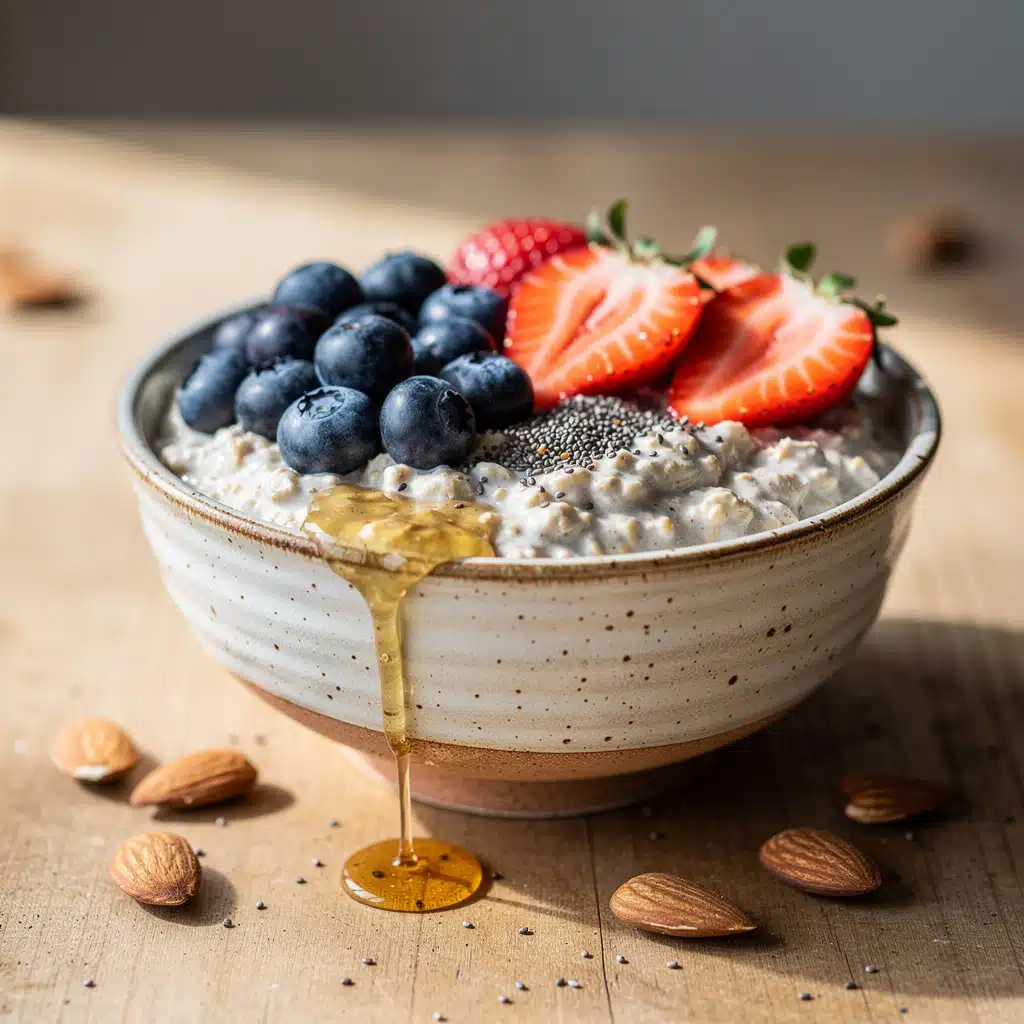
Delicious White Chicken Lasagna Soup

There’s something magical about a recipe that feels like a warm hug in a bowl. For me, that’s this delicious white chicken lasagna soup. It’s the kind of meal that came about on a hectic Tuesday when my family was craving the cozy, cheesy layers of a classic lasagna, but I simply didn’t have the time or energy to assemble one. The solution? Transform all those beloved flavors into a simple, one-pot soup. The result was an instant family favorite that has since become my go-to for busy weeknights, potlucks, and even when a friend needs a comforting meal dropped off.

This isn't just another soup recipe. It’s a deconstructed, spoonable version of the baked pasta dish you love, loaded with tender chicken, broken lasagna noodles, and a luxuriously creamy broth. It delivers all the satisfaction of a labor-intensive dinner with a fraction of the effort and cleanup. If you're looking for a new staple that promises rave reviews, you've found it. This delicious white chicken lasagna soup recipe is about to become your new comfort food obsession.

Table of Contents

  • Delicious White Chicken Lasagna Soup Ingredients
  • How to Make Delicious White Chicken Lasagna Soup
  • Equipment Needed for This Recipe
  • Why You’ll Love This Delicious White Chicken Lasagna Soup Recipe
  • Healthier Alternatives for Your Soup
  • Serving Suggestions for the Perfect Bowl
  • Common Mistakes to Avoid
  • Storing and Reheating Your Leftovers
  • Your New Go-To Comfort Food
  • FAQs about Delicious White Chicken Lasagna Soup

Delicious White Chicken Lasagna Soup Ingredients

white chicken lasagna soup ingredients 2025 10 15T144657.896Z

This delicious white chicken lasagna soup comes together with simple, flavorful ingredients. Here’s what you’ll need:

  • 1 tablespoon olive oil
  • 1 pound boneless, skinless chicken breasts, cut into 1-inch pieces
  • 1 medium yellow onion, diced
  • 3 cloves garlic, minced
  • 1 teaspoon dried Italian seasoning
  • 6 cups chicken broth
  • 1 (15-ounce) can crushed tomatoes
  • 8 lasagna noodles, broken into bite-sized pieces
  • 1 cup whole milk
  • 4 ounces cream cheese, softened and cubed
  • 1 cup shredded mozzarella cheese
  • ½ cup grated Parmesan cheese
  • Salt and black pepper to taste
  • Fresh basil or parsley for garnish (optional)

Smart Ingredient Swaps

No chicken breasts? Use an equal amount of chicken thighs for even more tender, juicy meat. For a richer broth, substitute one cup of the chicken broth with dry white wine. Out of lasagna noodles? Any short pasta like mafalatta, campanelle, or even broken fettuccine will work beautifully. If you're looking for a different kind of creamy comfort, our creamy chicken gnocchi soup is a fantastic alternative.

Delicious White Chicken Lasagna Soup Timing

  • Prep time: 15 minutes
  • Cook time: 30 minutes
  • Total time: 45 minutes

That’s right—you can have this hearty, restaurant-quality soup on the table in under an hour. It’s about 50% faster than baking a traditional lasagna, with all the same soul-warming results.

How to Make Delicious White Chicken Lasagna Soup

Follow these simple steps for a perfectly creamy and comforting soup every time.

  1. Sauté the Aromatics: Heat the olive oil in a large pot or Dutch oven over medium-high heat. Add the diced onion and cook until softened, about 3-4 minutes. Stir in the minced garlic and dried Italian seasoning and cook for one more minute until fragrant.
  2. Cook the Chicken: Add the cubed chicken to the pot. Season with a pinch of salt and pepper. Cook, stirring occasionally, until the chicken is no longer pink on the outside, about 5-6 minutes. You don’t need to cook it all the way through yet.
  3. Build the Broth: Pour in the chicken broth and crushed tomatoes. Bring the mixture to a boil, then reduce the heat to a simmer.
  4. Cook the Noodles: Add the broken lasagna noodles to the simmering broth. Cook according to the package directions, stirring occasionally to prevent sticking, until the noodles are al dente.
  5. Create the Creamy Base: Reduce the heat to low. Stir in the whole milk and the cubed cream cheese. Keep stirring until the cream cheese has completely melted into the soup, creating a smooth, creamy base.
  6. Add the Cheese: Turn off the heat. Stir in the shredded mozzarella and grated Parmesan cheese until the cheese is melted and the soup is luxuriously creamy. Taste and adjust seasoning with more salt and pepper if needed.

Pro Tip: For the creamiest texture, make sure your soup is not boiling when you add the cheeses. High heat can cause the dairy to separate, making the soup grainy.

Nutritional Information (Per Serving)

This information is an estimate and may vary based on specific ingredients used.

  • Calories: 420
  • Protein: 32g
  • Carbohydrates: 35g
  • Fat: 18g
  • Fiber: 3g

This soup is a fantastic source of protein from the chicken and cheese, providing lasting energy. The tomatoes also contribute a dose of vitamins A and C.

Equipment Needed for This Recipe

You only need one main piece of equipment to make this easy one-pot meal a success.

  • A large Dutch oven or heavy-bottomed soup pot
  • A wooden spoon or spatula
  • Measuring cups and spoons
  • A sharp knife and cutting board

Why You’ll Love This Delicious White Chicken Lasagna Soup Recipe

This recipe is a weeknight game-changer for so many reasons.

  • One-Pot Wonder: Everything cooks in a single pot, which means minimal cleanup and maximum flavor.
  • Family-Friendly Comfort: It’s a guaranteed crowd-pleaser for both kids and adults. The familiar flavors of lasagna in soup form are irresistible.
  • Incredibly Versatile: Easily adapt the ingredients based on what you have in your pantry or to meet dietary needs.
  • Cozy and Satisfying: It’s the ultimate comfort food that feels indulgent but is straightforward to prepare. If you love this concept, you must try our hearty white lasagna soup for another delicious variation.

Healthier Alternatives for Your Soup

You can easily lighten up this soup without sacrificing its creamy, comforting essence.

  • Lighter Dairy: Swap the whole milk for 2% or skim milk, and use reduced-fat cream cheese and mozzarella.
  • Boost Veggies: Stir in a few handfuls of fresh spinach or chopped kale during the last 5 minutes of cooking.
  • Whole Wheat Noodles: Use whole wheat or protein-enriched lasagna noodles for extra fiber.
  • Low-Carb Option: For a lower-carb version, omit the pasta and add cauliflower florets instead. For a fully developed low-carb chicken soup, our low carb crack chicken soup is a must-try.

Serving Suggestions for the Perfect Bowl

chicken lasagna soup pesto breadcrumbs 2025 10 15T144720.039Z

A great soup is made even better with the right accompaniments.

  • The Perfect Bread: Serve with a thick, crusty slice of garlic bread or a warm, buttery dinner roll for dipping.
  • Fresh Toppings: A sprinkle of fresh chopped basil or parsley adds a pop of color and freshness. A dollop of ricotta cheese is also a wonderful addition.
  • A Crispy Finish: For texture, top with homemade garlic croutons or a sprinkle of toasted panko breadcrumbs.
  • A Simple Salad: A light, crisp side salad with a tangy vinaigrette balances the richness of the soup perfectly.

Common Mistakes to Avoid

Avoid these simple pitfalls for the best soup possible.

  1. Overcooking the Pasta: The noodles will continue to absorb liquid as the soup sits. Cook them just to al dente to prevent them from becoming mushy.
  2. Adding Cheese at a Boil: As mentioned before, adding dairy to a boiling soup can cause it to break. Always reduce the heat to low or turn it off before stirring in the cheeses.
  3. Skipping the Seasoning: Be sure to taste and season your soup at the end. Broths and canned tomatoes can vary in saltiness, so a final adjustment is key.

Storing and Reheating Your Leftovers

This soup makes for fantastic leftovers, but the pasta will continue to soak up the broth.

  • Refrigerator: Store cooled soup in an airtight container for up to 3-4 days.
  • Freezer: For best results, freeze the soup without the pasta, as it can become very soft upon thawing. You can freeze the base and cook fresh noodles when ready to serve. It will keep for up to 3 months.
  • Reheating: Gently reheat on the stovetop over medium-low heat, stirring occasionally. You may need to add a splash of broth or milk to loosen it up to your desired consistency.

Your New Go-To Comfort Food

cozy comfort white chicken lasagna soup 2025 10 15T144635.991Z

This delicious white chicken lasagna soup truly is the best of all worlds. It’s comforting, easy to make, and endlessly adaptable. It’s the recipe you’ll turn to on cold nights, busy evenings, and anytime you need a guaranteed hit. If you're a fan of creamy, set-it-and-forget-it meals, you'll also adore our easiest crockpot white chicken chili.

I hope this soup finds a special place in your recipe rotation. Give it a try and let me know what you think in the comments below. Don’t forget to snap a picture and tag @Stacksipsnack on Pinterest so I can see your beautiful creation

FAQs about Delicious White Chicken Lasagna Soup

What is Delicious White Chicken Lasagna Soup?

Delicious White Chicken Lasagna Soup is a comforting, deconstructed take on classic white chicken lasagna. It features tender chicken, broken lasagna noodles, and a rich, creamy white sauce (often béchamel-inspired) combined with broth, cheeses, and herbs, served as a hearty soup.

How do you make White Chicken Lasagna Soup extra creamy?

To make Delicious White Chicken Lasagna Soup extra creamy, incorporate a roux (butter and flour) as the base for your liquid, use whole milk or heavy cream, and generous amounts of melting cheeses like mozzarella and cream cheese or ricotta. Simmering gently also helps to meld the flavors and thicken the consistency.

Can I freeze Delicious White Chicken Lasagna Soup?

Yes, you can freeze Delicious White Chicken Lasagna Soup. It's often recommended to freeze the soup base without the cooked lasagna noodles, as they can become mushy upon thawing. Add freshly cooked noodles when reheating and serving for best texture. Store in an airtight container for up to 2-3 months.

What kind of noodles are best for Lasagna Soup?

For Delicious White Chicken Lasagna Soup, standard lasagna noodles broken into bite-sized pieces are ideal. You can also use other pasta shapes like mafalda, campanelle, or even short pasta like rotini, keeping in mind that the classic 'lasagna' feel comes from the wide, flat noodles.

How long does White Chicken Lasagna Soup last in the refrigerator?

When stored properly in an airtight container, Delicious White Chicken Lasagna Soup typically lasts for 3-4 days in the refrigerator. Ensure it cools completely before refrigerating, and reheat thoroughly before serving.

Can I use pre-cooked chicken in this soup?

Absolutely! Using pre-cooked chicken, such as shredded rotisserie chicken or leftover roasted chicken, is a fantastic time-saver for Delicious White Chicken Lasagna Soup. Simply add it towards the end of the cooking process to warm through.

💬 Let’s Stay Connected!
For daily recipes, kitchen tips, and exclusive content, follow me on:
👉 Facebook for behind-the-scenes & community fun
👉 Pinterest for visual inspiration & meal ideas
👉 X (Twitter) for quick tips & trending recipes

📲 Join the flavor journey, your next favorite recipe is just a follow away!
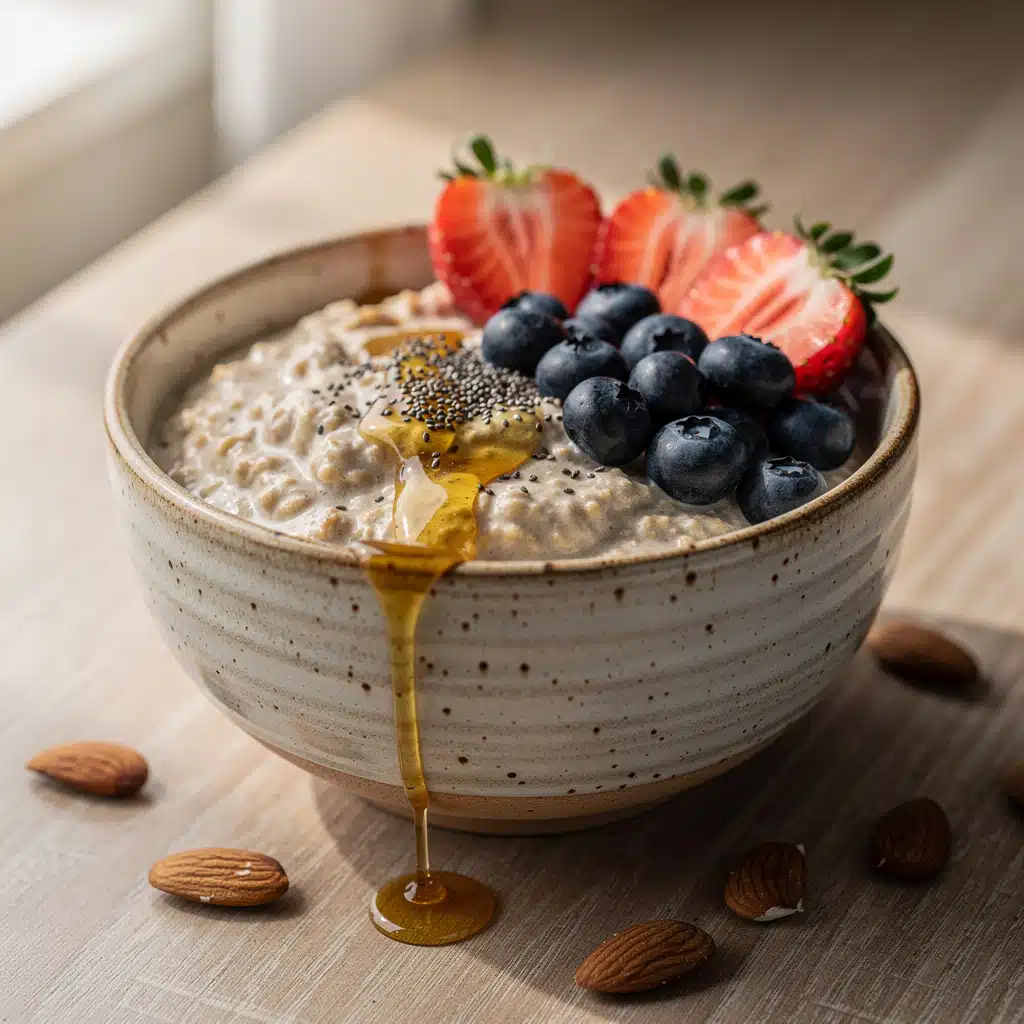
Easy Carrot Potato Soup

There’s something deeply comforting about a bowl of soup that comes together with little effort but delivers big flavor. This easy carrot potato soup is exactly that kind of dish. It’s the recipe I turn to when the sky turns gray, the wind picks up, and all I want is a warm, nourishing meal without a mountain of dishes to clean afterward. It’s a humble, one-pot wonder that transforms simple, earthy vegetables into a velvety, satisfying soup that feels like a hug in a bowl.

I first fell in love with this combination during a particularly blustery autumn. My garden was overflowing with carrots, and a bag of potatoes was sitting patiently in the pantry. Throwing them together felt inevitable. The result was so surprisingly creamy and rich, without any actual cream, that it became an instant staple. It’s the kind of healthy comfort food that proves you don’t need complicated techniques or a long list of ingredients to create something truly delicious. Whether you're a seasoned cook or just starting out, this creamy vegetable soup is here to make your weeknights a little cozier.

Table of Contents

  • Easy Carrot Potato Soup Ingredients
  • Step-by-Step Instructions for Carrot Potato Soup
  • Equipment Needed for This One-Pot Meal
  • Why You’ll Love This Easy Carrot Potato Soup
  • Healthier Alternatives for Your Soup
  • Serving Suggestions for a Cozy Meal
  • Common Mistakes to Avoid
  • Storing Tips for Your Homemade Soup
  • A Final Word on This Cozy Soup
  • FAQs about Easy Carrot Potato Soup

Easy Carrot Potato Soup Ingredients

The foundation of this easy carrot potato soup is, unsurprisingly, carrots and potatoes, but a few supporting players build a deeply flavorful base.

carrot potato soup ingredients overhead 2025 10 15T142743.434Z

  • Olive Oil or Butter: For sautéing. Butter adds a richer flavor, while olive oil keeps it dairy-free.
  • Yellow Onion & Garlic: The aromatic base that gives the soup its savory depth.
  • Carrots: Sweet and colorful, they puree into a beautiful, creamy texture.
  • Potatoes: I prefer Yukon Gold for their buttery flavor and creamy texture when blended, but Russets also work well.
  • Vegetable Broth: Use a good-quality broth, as it forms the body of the soup. Chicken broth is a fine substitute if you're not vegetarian.
  • Dried Thyme: A classic herb that pairs wonderfully with root vegetables.
  • Salt and Black Pepper: Essential for seasoning and bringing all the flavors to life.

Easy Soup Recipe Timing

This is where this recipe truly shines as a one-pot meal. From start to finish, you're looking at:

  • Prep Time: 15 minutes
  • Cook Time: 25 minutes
  • Total Time: 40 minutes

It’s about 30% faster than many other blended vegetable soups because the vegetables are diced small for quick cooking.

Step-by-Step Instructions for Carrot Potato Soup

Making this soup is a straightforward process that fills your kitchen with an incredible aroma.

Sauté the Aromatics

Heat the oil or butter in a large pot or Dutch oven over medium heat. Add the diced onion and cook until softened and translucent, about 5-7 minutes. Stir in the minced garlic and cook for just one more minute until fragrant. Be careful not to burn the garlic, as it will turn bitter.

Cook the Vegetables

Add the diced carrots and potatoes to the pot, stirring to coat them in the oil and onion mixture. Pour in the vegetable broth and add the dried thyme. Bring the soup to a boil, then reduce the heat to a simmer. Cover the pot and let it cook for 20-25 minutes, or until the carrots and potatoes are completely tender when pierced with a fork.

Blend to Perfection

This is the magic step! Carefully transfer the soup in batches to a blender, or use an immersion blender directly in the pot. If you love super smooth soups, my best creamy vegetable soup guide has more tips on achieving the perfect consistency. Blend until completely smooth and creamy. Season generously with salt and black pepper to taste.

Final Touches and Serving

Return the blended soup to the pot to warm through if needed. Ladle into bowls and add your favorite toppings. A swirl of cream, a dollop of yogurt, or a sprinkle of fresh herbs like chives or parsley all work beautifully.

Nutritional Information

This carrot potato soup recipe is not only comforting but also packed with nutrition. A single serving is rich in Vitamin A from the carrots and provides a good source of fiber and complex carbohydrates from the potatoes. It's naturally low in fat and can easily be made vegan. It’s a wholesome choice for a light lunch or a starter for dinner.

Equipment Needed for This One-Pot Meal

You don't need any fancy gadgets for this recipe.

  • A large soup pot or Dutch oven
  • A sharp knife and cutting board
  • A blender (standard or immersion blender)

An immersion blender is my top recommendation for easy one-pot soup recipes like this one and my sausage potato soup, as it lets you blend directly in the pot.

Why You’ll Love This Easy Carrot Potato Soup

This recipe has earned its permanent spot in my meal rotation for several reasons.

  • Effortless and Quick: It comes together in under 40 minutes with minimal hands-on time.
  • Incredibly Nourishing: It’s a bowl full of wholesome vegetables that feels both light and satisfying.
  • Naturally Creamy: The blended potatoes and carrots create a luxurious, creamy texture without any dairy.
  • Family-Friendly: Its mild, sweet, and savory flavor is a hit with both kids and adults.
  • Meal Prep Champion: It stores and reheats beautifully, making it perfect for busy weeks.

Healthier Alternatives for Your Soup

This soup is already quite healthy, but you can easily tweak it to fit different dietary needs.

  • Dairy-Free/Vegan: It is naturally vegan if you use olive oil and vegetable broth.
  • Lower Carb: You can replace half the potatoes with cauliflower florets to reduce the carbohydrate content.
  • Extra Protein: Stir in a can of rinsed white beans or a scoop of plain Greek yogurt after blending for a protein boost.
carrot potato soup bread slate 2025 10 15T142802.833Z

Serving Suggestions for a Cozy Meal

While this soup is a meal in itself, a few simple additions can make it even more special. A thick, crusty slice of sourdough bread for dipping is non-negotiable in my house. For a heartier meal, top it with crispy croutons, a sprinkle of grated Parmesan cheese, or even some cooked, crumbled bacon. If you're a fan of creamy potato soups, you might also enjoy my cheddar garlic herb potato soup for another decadent option.

Common Mistakes to Avoid

A few small missteps can affect your final soup, so keep these tips in mind.

  • Underseasoning: Root vegetables need a good amount of salt. Don't be shy—season in layers and always taste at the end.
  • Uneven Chopping: Try to dice the carrots and potatoes into similar-sized pieces so they cook at the same rate.
  • Blending While Too Hot: If using a standard blender, allow the soup to cool slightly before blending and never fill the blender more than halfway. The steam can build up pressure and cause the lid to blow off.

Storing Tips for Your Homemade Soup

This soup is a fantastic make-ahead meal. Let it cool completely before transferring it to an airtight container. It will keep in the refrigerator for up to 4 days. You can also freeze it for up to 3 months. To reheat, simply warm it gently on the stovetop over medium-low heat, stirring occasionally. You may need to add a splash of broth or water if it has thickened upon standing. For another great freezer-friendly option, check out my Crock-Pot crack potato soup.

Easy Carrot Potato Soup Pinterest 2025 10 15T142723.811Z

A Final Word on This Cozy Soup

This easy carrot potato soup is more than just a recipe; it's a reliable, go-to solution for a busy day, a chilly evening, or whenever you need a bowl of simple, honest comfort. It proves that the most satisfying meals often come from the humblest ingredients. I hope it finds a warm spot in your kitchen and becomes a cherished favorite for you, too.

If you give this recipe a try, I’d love to hear how it turned out for you! Leave a comment below and share your experience. And don’t forget to tag @Stacksipsnack on Pinterest so I can see your beautiful creations. Happy cooking

FAQs about Easy Carrot Potato Soup

Is easy carrot potato soup healthy?

Yes, easy carrot potato soup is generally very healthy. It's packed with vitamins from carrots (Vitamin A) and potatoes (Vitamin C, B6, potassium), and often contains fiber. Opt for low-sodium broth and minimal cream for the healthiest version.

Can you freeze easy carrot potato soup?

Absolutely! Easy carrot potato soup freezes well. Allow it to cool completely, then transfer to airtight containers or freezer-safe bags, leaving some headspace. It can be stored in the freezer for up to 2-3 months. Thaw in the refrigerator overnight before reheating.

How long does easy carrot potato soup last in the fridge?

When stored properly in an airtight container, easy carrot potato soup will last for 3-4 days in the refrigerator. Ensure it's cooled quickly before refrigerating to maintain freshness.

What can I add to easy carrot potato soup for more flavor?

To boost flavor, consider adding fresh herbs like thyme, rosemary, or parsley, a pinch of nutmeg, a dash of smoked paprika, or a squeeze of lemon juice at the end. Sautéed onions and garlic are also foundational flavor enhancers.

Do I need to peel the potatoes for easy carrot potato soup?

Peeling potatoes is optional for easy carrot potato soup. If using thin-skinned varieties like Yukon Golds or red potatoes, you can wash them thoroughly and leave the skin on for added nutrients and texture. For russets, peeling is generally preferred for a smoother soup.

Can I make easy carrot potato soup dairy-free?

Yes, easy carrot potato soup can easily be made dairy-free. Simply substitute any dairy products (like cream or milk) with plant-based alternatives such as coconut milk (full-fat for richness), cashew cream, or a dairy-free milk alternative. Use vegetable broth instead of chicken broth.

💬 Let’s Stay Connected!
For daily recipes, kitchen tips, and exclusive content, follow me on:
👉 Facebook for behind-the-scenes & community fun
👉 Pinterest for visual inspiration & meal ideas
👉 X (Twitter) for quick tips & trending recipes

📲 Join the flavor journey, your next favorite recipe is just a follow away!

Slow Cooker Greek Chicken Bowls

For a meal that feels gourmet without the fuss, the secret lies in a final flourish of fresh ingredients. Just before serving, a sprinkle of briny feta cheese and a handful of chopped Kalamata olives elevate these simple slow cooker bowls into a restaurant-worthy experience. I remember the first time I made this for a busy Tuesday; my kitchen smelled like a sun-drenched Greek taverna, and the best part was I had barely lifted a finger.

That is the magic of these Slow Cooker Greek Chicken Bowls. They are the ultimate answer to the eternal question of what to make for dinner, especially when you are managing dietary needs like diabetes. This recipe is a cornerstone of easy diabetic recipes, turning simple ingredients into a vibrant, satisfying meal that fits perfectly into a diabetic friendly meal plan.

Table of Contents

  • Ingredients List for Slow Cooker Greek Chicken Bowls
  • Step-by-Step Instructions
  • Equipment Needed
  • Why You Will Love This Recipe
  • Healthier Alternatives for the Recipe
  • Serving Suggestions
  • Common Mistakes to Avoid
  • Storing Tips for the Recipe
  • Conclusion
  • FAQs about Slow Cooker Greek Chicken Bowls

Ingredients List for Slow Cooker Greek Chicken Bowls

Creating these Slow Cooker Greek Chicken Bowls starts with a trip to the pantry and fridge for some simple, wholesome ingredients. The beauty of this recipe is its flexibility; you can easily adapt it based on what you have on hand.

slow Cooker Greek Chicken Bowls Ingredients for 3

For the Chicken:

  • 1.5 to 2 pounds boneless, skinless chicken breasts or thighs
  • ¼ cup fresh lemon juice
  • 2 tablespoons olive oil
  • 3 cloves garlic, minced
  • 1 tablespoon dried oregano
  • 1 teaspoon dried dill
  • ½ teaspoon onion powder
  • ¼ teaspoon black pepper
  • ½ cup low-sodium chicken broth

For the Bowls & Toppings:

  • 1 cup uncooked quinoa or cauliflower rice for a low carb option
  • 1 large cucumber, diced
  • 2 cups cherry tomatoes, halved
  • ½ red onion, thinly sliced
  • Fresh parsley, chopped
  • ⅓ cup crumbled feta cheese (optional, omit for dairy-free)
  • ¼ cup pitted Kalamata olives, sliced
  • For serving: Tzatziki sauce or a simple yogurt dip

Timing for Your Greek Chicken Bowls

This is where the slow cooker truly shines. Your active time is minimal, letting the appliance do the heavy lifting.

  • Prep time: 15 minutes
  • Cook time: 4-6 hours on Low or 2-3 hours on High
  • Total time: As little as 2 hours and 15 minutes

Step-by-Step Instructions

Making this dish is as straightforward as it gets. Follow these simple steps for perfectly tender, flavorful chicken every time.

Step 1: Season and Combine

Place the chicken breasts or thighs at the bottom of your slow cooker. In a small bowl, whisk together the lemon juice, olive oil, minced garlic, oregano, dill, and black pepper. Pour this mixture evenly over the chicken. Add the low-sodium chicken broth to the pot.

Step 2: Cook to Perfection

Cover and cook on LOW for 4-6 hours or on HIGH for 2-3 hours. The chicken is done when it is tender and shreds easily with a fork. For the best texture, I find the low and slow method yields the most succulent meat.

Step 3: Shred and Serve

Once cooked, use two forks to shred the chicken directly in the slow cooker. It will soak up all those delicious Greek-inspired juices. While the chicken cooks, prepare your quinoa or cauliflower rice according to package directions and chop your fresh vegetables.

Step 4: Assemble Your Bowls

To build your bowls, start with a base of fluffy quinoa or cauliflower rice. Top with a generous portion of the shredded Greek chicken. Then, artfully arrange your fresh toppings: the crisp cucumber, sweet cherry tomatoes, sharp red onion, briny olives, and a sprinkle of feta cheese. Finish with a dollop of cool tzatziki and a scattering of fresh parsley.

Nutritional Information

This recipe is designed to be a powerhouse of nutrition, fitting seamlessly into a health-conscious lifestyle. A typical serving (with quinoa) provides approximately:

  • Calories: 380
  • Protein: 35g
  • Carbohydrates: 28g
  • Fat: 14g
  • Fiber: 5g
  • Sugar: 6g

The lean protein from the chicken helps with satiety and blood sugar management, while the vegetables provide essential vitamins and fiber. It is a fantastic option for anyone consulting a cardiac diabetic diet food list or looking for prediabetes meals to eat.

Equipment Needed

You do not need any fancy gadgets for this recipe. The star of the show is your slow cooker. Beyond that, a good cutting board, a sharp knife, and a set of measuring spoons are all you need to get started. If you are looking for more inspiration for your appliance, check out our full guide to Crockpot Meals for Diabetics.

Why You Will Love This Recipe

This dish has become a weekly staple in my home for so many reasons, and I am confident it will in yours, too.

  • Effortless Elegance: It delivers complex, Mediterranean diet chicken flavors with minimal hands-on work.
  • Meal Prep Champion: The components store beautifully, making it one of the best easy diabetic meal recipes for busy weeks.
  • Incredibly Adaptable: Easily adjust the carbs, swap proteins, or change up the veggies to suit your taste.
  • Family-Friendly: The deconstructed bowl format lets everyone customize their meal, which is a win with picky eaters.
  • Truly Nourishing: It is packed with clean protein and fresh vegetables, aligning with the best food for diabetic patients.

Healthier Alternatives for the Recipe

One of the best things about this recipe is how easily it adapts to different dietary needs without sacrificing flavor.

slow Cooker Greek Chicken Bowls Recipe variation for 3

  • For a Low-Carb/Keto Version: Swap the quinoa for cauliflower rice. This simple change makes it a perfect Low Carb Chicken Bowl.
  • For a Dairy-Free Version: Simply omit the feta cheese. The dish is still incredibly flavorful from the herbs, lemon, and olives.
  • To Reduce Sodium: Use no-salt-added chicken broth and be mindful of the olives and feta, perhaps using less than the recipe calls for.
  • Alternative Protein: This method also works wonderfully with turkey breast or even a firm white fish like cod (though fish will require a much shorter cooking time).

Serving Suggestions

While these bowls are a complete meal on their own, you can round out your dinner with a simple side. A crisp green salad with a lemon vinaigrette or a cup of Greek-style lentil soup would be lovely. If you enjoy the hands-off cooking method, you might also love our Slow Cooker Mediterranean Chicken, which uses similar flavors in a stew-style format.

Common Mistakes to Avoid

After making this countless times, I have learned a few things that can make or break the dish.

  • Overcooking the Chicken: Chicken breasts can become dry if cooked too long. Check for doneness at the earliest time in the range. Thighs are more forgiving.
  • Skipping the Fresh Toppings: The fresh cucumber, tomato, and herbs are non-negotiable. They provide a crucial textural contrast and brightness that balances the rich, slow-cooked chicken.
  • Not Using Low-Sodium Broth: Regular broth can make the entire dish too salty, especially since the olives and feta also contribute saltiness.
  • Adding Dairy Too Early: Never add the feta or tzatziki to the slow cooker. They are finishing elements added just before serving to maintain their texture and flavor.

Storing Tips for the Recipe

This recipe is a meal-prepper's dream. Store the different components separately in airtight containers in the refrigerator.

slow Cooker Greek Chicken Bowls Storage tips for 3

  • Shredded Chicken: Will keep for up to 4 days.
  • Cooked Quinoa: Lasts for 5-6 days in the fridge.
  • Fresh Veggies: Chop and store them for 2-3 days for the best crunch.
  • Freezing: The shredded Greek chicken freezes beautifully for up to 3 months. Thaw overnight in the refrigerator before reheating gently on the stove or in the microwave.

Conclusion

These Slow Cooker Greek Chicken Bowls are more than just a meal; they are a reliable strategy for eating well during a hectic week. They prove that managing your health with a diabetic diet meal ideas does not have to be complicated or bland. It is about smart, flavorful choices that you genuinely look forward to eating. I hope this recipe brings as much ease and joy to your kitchen as it has to mine.

If you give it a try, I would love to hear how it turned out! Share your creations with me on social media by tagging @Stacksipsnack. And if you are looking for more inspiration, our recipes for Slow Cooker Lemon Garlic Chicken and Crockpot Chicken Fajitas are waiting for you.

FAQs about Slow Cooker Greek Chicken Bowls

How long does it take to cook Greek chicken in a slow cooker?

Typically, cook on LOW for 6-8 hours or on HIGH for 3-4 hours, until the chicken is tender and easily shredded. Cooking time can vary slightly depending on your slow cooker and chicken cut.

What kind of chicken is best for slow cooker Greek chicken?

Boneless, skinless chicken thighs are highly recommended as they stay moist and flavorful during long cooking times. Boneless, skinless chicken breasts can also be used but may become slightly drier if overcooked.

What do you serve with Greek chicken bowls?

Common accompaniments include fluffy rice (like brown or white), quinoa, or a bed of greens. Top with fresh ingredients like diced cucumber, tomatoes, red onion, Kalamata olives, feta cheese, and a drizzle of tzatziki sauce.

Can I meal prep slow cooker Greek chicken?

Absolutely! Slow Cooker Greek Chicken is excellent for meal prep. The cooked chicken can be stored in an airtight container for 3-4 days in the refrigerator and reheated for quick meals throughout the week. It also freezes well.

Is slow cooker Greek chicken healthy?

Yes, it generally is! When made with lean chicken, plenty of vegetables, and healthy fats like olive oil, it's a nutritious meal. You can further enhance its healthfulness by opting for whole grains and fresh, unprocessed toppings.

Do you need to brown chicken before slow cooking Greek chicken?

Browning chicken before slow cooking is optional but recommended for enhancing flavor and texture. It creates a richer depth of flavor, especially for chicken thighs, though the dish will still be delicious if you skip this step for convenience.

💬 Let’s Stay Connected!
For daily recipes, kitchen tips, and exclusive content, follow me on:
👉 Facebook for behind-the-scenes & community fun
👉 Pinterest for visual inspiration & meal ideas
👉 X (Twitter) for quick tips & trending recipes

📲 Join the flavor journey, your next favorite recipe is just a follow away!

Slow Cooker Lemon Garlic Chicken

The low, steady heat of a slow cooker breaks down the chicken's connective tissues over several hours. This gentle process guarantees exceptionally moist and fork-tender meat infused with the essence of lemon and garlic. I remember the first time I made this Slow Cooker Lemon Garlic Chicken on a particularly hectic Tuesday. My daughter had soccer practice, I had a mountain of work emails, and the thought of standing over a stove felt impossible. I tossed everything into my trusty crockpot that morning, and by dinnertime, our entire house smelled like a cozy Italian kitchen. We sat down to a meal that felt both special and completely effortless. That is the magic of this recipe.

This Slow Cooker Lemon Garlic Chicken has become my go-to solution for busy days when I want to serve my family something delicious and nourishing without the stress. It is particularly wonderful for anyone managing their blood sugar, as it is naturally low in carbs and sugar while being packed with flavor. The combination of bright lemon and savory garlic creates a sauce that is so good, you will want to spoon it over everything. It is the kind of diabetic-friendly dinner dream that proves healthy eating does not have to be complicated or bland.

Table of Contents

  • Ingredients List for Slow Cooker Lemon Garlic Chicken
  • Step-by-Step Instructions
  • Equipment Needed
  • Why You Will Love This Recipe
  • Healthier Alternatives for the Recipe
  • Serving Suggestions
  • Common Mistakes to Avoid
  • Storing Tips for the Recipe
  • Conclusion
  • FAQs about Slow Cooker Lemon Garlic Chicken

Ingredients List for Slow Cooker Lemon Garlic Chicken

Slow Cooker Lemon Garlic Chicken starts with a simple list of fresh, wholesome ingredients. You likely have most of these in your pantry right now. This recipe is a fantastic foundation, and I will share some easy swaps to tailor it to your preferences or what you have on hand.

  • 2 pounds boneless, skinless chicken breasts or thighs
  • ¼ cup fresh lemon juice (from about 2 large lemons)
  • 1 tablespoon lemon zest
  • 4-5 cloves garlic, minced
  • ½ cup low-sodium chicken broth
  • 1 teaspoon dried oregano
  • ½ teaspoon dried thyme
  • ¼ teaspoon black pepper
  • ¼ teaspoon salt (optional, or to taste)
  • 1 medium yellow onion, sliced
  • 1 pound fresh green beans, trimmed (or broccoli florets)
  • 2 tablespoons chopped fresh parsley for garnish

Smart Substitutions:

  • Chicken: Thighs will yield a richer, more forgiving result, while breasts are leaner. Both work beautifully.
  • Broth: You can use water with an extra squeeze of lemon juice if you do not have broth.
  • Herbs: No dried oregano? Use an Italian seasoning blend. Fresh herbs can be used; just double the amount.
  • Vegetables: Feel free to swap the green beans for asparagus, zucchini, or bell peppers. This makes it a versatile low carb crockpot meal.

Timing

  • Prep time: 15 minutes
  • Cook time: 6-8 hours on Low or 3-4 hours on High
  • Total time: 6 hours 15 minutes to 8 hours 15 minutes

This hands-off approach is about 90% less active time than many stovetop chicken dishes, giving you back your afternoon.

Step-by-Step Instructions

Creating this healthy chicken dinner could not be simpler. The slow cooker does nearly all the work for you.

Step 1: Prepare the Aromatics and Vegetables

Start by slicing your onion and mincing the garlic. Place the sliced onion at the very bottom of your slow cooker insert. This creates a flavorful bed for the chicken to rest on, allowing the onions to caramelize slightly in the juices. Scatter the trimmed green beans around the edges.

Step 2: Season the Chicken

Pat the chicken dry with a paper towel. This helps the seasonings stick and promotes better browning. In a small bowl, mix the dried oregano, thyme, black pepper, and optional salt. Rub this mixture evenly over all sides of the chicken pieces. Place the seasoned chicken on top of the bed of onions in the slow cooker.

Step 3: Create the Lemon Garlic Sauce

In the same small bowl, whisk together the fresh lemon juice, lemon zest, minced garlic, and low-sodium chicken broth. Pour this liquid evenly over the chicken and vegetables. The liquid will not fully submerge the chicken, and that is perfectly fine. The steam and circulating liquid will cook everything to perfection.

Step 4: Cook to Perfection

Cover the slow cooker with its lid. Cook on LOW for 6-8 hours or on HIGH for 3-4 hours. The chicken is done when it is tender and shreds easily with a fork. I prefer the low and slow method for the most melt-in-your-mouth texture.

Step 5: Serve and Garnish

Once cooked, use two forks to shred the chicken directly in the slow cooker or transfer it to a plate to shred. Return the shredded meat to the pot and toss it with the delicious cooking juices. Garnish with freshly chopped parsley for a pop of color and freshness before serving.

Nutritional Information

This recipe is a powerhouse of lean protein and essential nutrients. A typical serving (about 1 cup of shredded chicken with vegetables and sauce) contains approximately:

  • Calories: 250
  • Protein: 35g
  • Carbohydrates: 8g
  • Fat: 8g
  • Fiber: 3g
  • Sugar: 3g

This nutritional profile makes it an excellent choice for a cardiac diabetic diet food list. The lean chicken provides sustained energy, the lemon offers a dose of vitamin C, and the garlic contains allicin, known for its anti-inflammatory properties. It is a true example of the best food for diabetic patients.

Equipment Needed

You do not need any fancy gadgets for this recipe. The essentials are:

  • A 6-quart or larger slow cooker (or crockpot)
  • A sharp knife and cutting board
  • A small bowl for mixing
  • Measuring spoons and cups

Why You Will Love This Recipe

This Slow Cooker Lemon Garlic Chicken is more than just a meal; it is a solution.

  • Effortlessly Diabetic-Friendly: With its low sugar and carb count, it fits perfectly into a diabetic friendly meal plan without sacrificing flavor.
  • The Ultimate Time-Saver: Ten minutes of prep in the morning rewards you with a ready-to-eat dinner. It is one of the easiest diabetic recipes you will find.
  • Incredibly Versatile: Serve it over cauliflower rice, in lettuce wraps, or alongside a salad. The leftovers are fantastic for meal prep ideas.
  • Family-Approved: The bright, familiar flavors of lemon and garlic are a hit with both kids and adults, making dinnertime stress-free.
  • Naturally Gluten Free: This is a gluten free chicken dish that everyone can enjoy, no special modifications needed.

Healthier Alternatives for the Recipe

This recipe is already a healthy foundation, but you can easily tweak it.

Slow Cooker Lemon Garlic Chicken Recipe variation for 3

  • For a Keto or Strict Low-Carb Version: Omit the onion or use a smaller amount. Increase the fat content by adding a tablespoon of olive oil or ghee to the sauce.
  • Dairy-Free: This recipe is naturally dairy-free.
  • Higher Protein: The recipe is already high in protein, but you can serve it with a side of Greek yogurt for an extra boost.
  • Lower Sodium: Using no-salt-added chicken broth and omitting the added salt makes this a great option for those also watching their sodium intake, fitting well into a 7 day meal plan for kidney disease.

Serving Suggestions

This chicken is wonderfully adaptable. Here are some of my favorite ways to serve it:

  • Over Cauliflower Rice: For a classic, low-carb plate that soaks up the delicious sauce.
  • In a Bowl: Create a nourishing bowl with a base of quinoa (in moderation), the shredded chicken, and extra steamed vegetables.
  • With a Crisp Salad: Serve a large portion of the chicken alongside a simple arugula salad with a lemon vinaigrette.
  • As a Filling: It makes a fantastic filling for low-carb tortillas or lettuce wraps for a quick lunch.

If you enjoy the Mediterranean vibe of this dish, you will absolutely adore our Slow Cooker Mediterranean Chicken, which features similar herbaceous and bright flavors.

Common Mistakes to Avoid

A few small missteps can affect your final dish. Here is how to avoid them.

  • Overcooking the Chicken: Especially with breasts, cooking for too long can make them dry. Check for doneness at the earliest time in the range. The chicken should reach an internal temperature of 165°F.
  • Using Bottled Lemon Juice: The flavor of fresh lemon juice is far superior and less acidic than bottled. It is worth the extra minute it takes to juice a real lemon.
  • Skipping the Lemon Zest: The zest holds potent citrus oils that provide an incredible depth of flavor you just cannot get from juice alone.
  • Adding Thickener Too Early: If you desire a thicker sauce, mix a tablespoon of cornstarch or arrowroot powder with two tablespoons of cold water and stir it into the slow cooker during the last 30 minutes of cooking. Doing it at the beginning can make the sauce gummy.

Storing Tips for the Recipe

This dish is a meal prep superstar.

Slow Cooker Lemon Garlic Chicken Storage tips for 3

  • Refrigerator: Store leftovers in an airtight container for up to 4 days.
  • Freezer: Cool the chicken completely and store it in freezer-safe bags or containers for up to 3 months. Thaw overnight in the refrigerator before reheating.
  • Reheating: Gently reheat in a saucepan on the stove over medium-low heat, or in the microwave, until warmed through. You may need to add a splash of chicken broth or water to loosen the sauce.

For more fantastic make-ahead options, check out our guide to Crockpot Meals for Diabetics, packed with ideas to simplify your week.

Conclusion

This Slow Cooker Lemon Garlic Chicken truly is a diabetic-friendly dinner dream. It wraps up everything we want in a weeknight meal ease, health, and incredible taste, into one simple recipe. It is the kind of food that supports your well-being without ever making you feel like you are on a restrictive diet. Whether you are new to managing diabetes or simply looking for a reliable, healthy chicken dinner, this dish is here for you. If you are looking for another simple, versatile chicken dish, this Low Carb Pulled Chicken is a fantastic option.

I would love to hear how this recipe turns out for you. Did your family love it? What sides did you serve it with? Leave a comment below and share your experience. And do not forget to tag @Stacksipsnack on Instagram so I can see your beautiful creations. If you are looking for more inspiration, our Slow Cooker Greek Chicken Bowls are another fantastic, flavor-packed option for your rotation. Happy, healthy cooking.

FAQs about Slow Cooker Lemon Garlic Chicken

How do you make chicken not tough in a slow cooker?

To prevent tough chicken, especially chicken breasts, avoid overcooking by monitoring the internal temperature (165°F/74°C). Using bone-in, skin-on chicken thighs is also recommended as they are more forgiving and retain moisture better. Ensure adequate liquid in the slow cooker to keep the meat moist.

Can you put raw chicken in a slow cooker?

Yes, it is perfectly safe and common practice to put raw chicken directly into a slow cooker. The slow cooker's consistent low heat will safely cook the chicken to the proper internal temperature, usually 165°F (74°C).

Do I need to sear chicken before slow cooking?

Searing chicken before slow cooking is optional but highly recommended for enhanced flavor. Browning the chicken creates a richer, more complex taste and can improve the texture of the skin (if present), but it's not essential for cooking or safety.

Why is my slow cooker chicken tough?

Slow cooker chicken often becomes tough due to overcooking, especially lean cuts like chicken breasts. When cooked too long, the muscle fibers contract and squeeze out moisture, leading to a dry, fibrous texture. Using chicken thighs or monitoring cooking times closely can help.

How do I thicken the sauce for slow cooker chicken?

To thicken the sauce, remove the chicken and vegetables once cooked. In a small bowl, whisk together a cornstarch slurry (1-2 tablespoons cornstarch with equal parts cold water), then stir it into the hot liquid in the slow cooker. Cook on high for 15-30 minutes, or until the sauce thickens. Alternatively, you can transfer the liquid to a saucepan and simmer on the stovetop.

Can you put frozen chicken in a slow cooker?

While some recipes may suggest it, the USDA advises against cooking frozen raw chicken in a slow cooker because it takes too long to reach a safe temperature, potentially allowing harmful bacteria to multiply. For best food safety, always thaw chicken thoroughly in the refrigerator before placing it in the slow cooker.

💬 Let’s Stay Connected!
For daily recipes, kitchen tips, and exclusive content, follow me on:
👉 Facebook for behind-the-scenes & community fun
👉 Pinterest for visual inspiration & meal ideas
👉 X (Twitter) for quick tips & trending recipes

📲 Join the flavor journey, your next favorite recipe is just a follow away!

Slow Cooker Black Bean Chili

The long, low heat of the slow cooker works to break down the beans and vegetables slowly. This gentle process coaxes out a remarkable depth of flavor you can't achieve with rushed cooking. I remember the first time I made this Slow Cooker Black Bean Chili on a hectic weekday. I had just returned from a long doctor's appointment, feeling overwhelmed by dietary restrictions and the constant pressure to cook healthy meals.

I needed something comforting, nourishing, and utterly simple. I tossed a handful of ingredients into my slow cooker, set it, and forgot about it for hours. When dinnertime arrived, the house smelled incredible, and a hearty, satisfying meal was ready without any fuss. That's the magic of this recipe, it delivers maximum comfort with minimal effort, making it a true lifesaver for anyone managing their health.

This Slow Cooker Black Bean Chili is more than just a meal; it's a warm hug in a bowl. It's specifically crafted to be a fantastic diabetic-friendly comfort food, packed with high fiber and plant-based protein to help maintain steady blood sugar levels. It's the kind of recipe that proves eating well doesn't have to be complicated or bland. Whether you're looking for easy diabetic recipes, building a diabetic friendly meal plan, or simply want a healthy chili recipe the whole family will love, this one-pot wonder is your answer.

Table of Contents

  • Ingredients for Slow Cooker Black Bean Chili
  • Step-by-Step Instructions
  • Equipment Needed
  • Why You'll Love This Recipe
  • Healthier Alternatives for the Recipe
  • Serving Suggestions
  • Common Mistakes to Avoid
  • Storing Tips for the Recipe
  • Conclusion
  • FAQs about Slow Cooker Black Bean Chili

Ingredients for Slow Cooker Black Bean Chili

Slow Cooker Black Bean Chili comes together with simple, wholesome ingredients you might already have in your pantry. This is one of those easy slow cooker meals that feels gourmet but is incredibly budget-friendly.

  • 2 cups dried black beans, rinsed and picked over (or 4 cans low-sodium black beans, drained and rinsed)
  • 1 large yellow onion, diced
  • 1 large bell pepper (any color), diced
  • 3 cloves garlic, minced
  • 1 (28-ounce) can crushed tomatoes
  • 4 cups low-sodium vegetable broth
  • 2 tablespoons chili powder
  • 1 tablespoon ground cumin
  • 1 teaspoon smoked paprika
  • ½ teaspoon dried oregano
  • Optional: 1-2 teaspoons adobo sauce from a can of chipotles in adobo for a smoky heat
  • Salt and black pepper to taste after cooking

Smart Swaps:

  • Beans: If you're short on time, canned beans are perfect. Just remember to drain and rinse them to reduce sodium.
  • Spice Level: Control the heat by omitting the adobo sauce or adding a diced jalapeño.
  • Broth: Chicken broth works just as well if you don't need it to be vegetarian.

Timing for Your Black Bean Chili Slow Cooker

  • Prep time: 15 minutes
  • Cook time: 6-8 hours on Low or 3-4 hours on High
  • Total time: 6 hours 15 minutes to 8 hours 15 minutes

The beauty of this method is the hands-off time. While a stovetop chili requires frequent stirring, this black bean chili slow cooker method lets you walk away for hours, making it about 80% less active work.

Step-by-Step Instructions

Creating this diabetic friendly chili is as simple as dump, set, and forget. Follow these easy steps for a perfect result every time.

Step 1: Prepare the Aromatics

Dice the onion and bell pepper. Mince the garlic. No need to sauté anything first, this is a true one-pot meal. The slow cooking process will soften the vegetables and mellow their flavors beautifully.

Step 2: Combine Everything in the Slow Cooker

Add the rinsed dried black beans (or canned beans), diced onion, bell pepper, and garlic to the slow cooker. Pour in the crushed tomatoes and vegetable broth. Sprinkle all the spices, chili powder, cumin, smoked paprika, and oregano, over the top. If using, add the adobo sauce now.

Pro Tip: If you have the time, using dried beans is a great budget option and they hold their shape beautifully during the long cook. If using canned, add them during the last hour of cooking to prevent them from becoming too mushy.

Step 3: Cook Low and Slow

Give everything a good stir to combine. Place the lid securely on your slow cooker. Set it to LOW for 6-8 hours or HIGH for 3-4 hours. The chili is done when the beans are tender and the flavors have melded together into a rich, thick sauce.

Step 4: Season and Serve

Once cooking is complete, taste the chili. This is the time to add salt and black pepper. I always recommend seasoning at the end, especially when using low-sodium broth, as it gives you full control over the final flavor. For more easy diabetic recipes that follow this simple "set and forget" principle, check out our full collection of Crockpot Meals for Diabetics.

Nutritional Information

This high fiber chili recipe is a nutritional powerhouse. A one-cup serving provides approximately:

  • Calories: 280
  • Protein: 15g
  • Carbohydrates: 52g
  • Dietary Fiber: 16g
  • Sugar: 8g
  • Fat: 2g

The high fiber content from the black beans is key for digestive health and helps slow the absorption of sugars, making it an excellent choice for a diabetic diet meal ideas. It's also naturally low in fat and packed with plant-based protein.

Equipment Needed

You do not need any fancy gadgets for this recipe. The main piece of equipment is, of course, a 6-quart or larger slow cooker. You will also need a cutting board, a sharp knife for prepping the vegetables, a measuring cup for the broth, and measuring spoons for the spices.

Why You'll Love This Recipe

This Slow Cooker Black Bean Chili earns a permanent spot in your meal rotation for so many reasons.

  • Truly Diabetic-Friendly: With its high fiber and plant-based protein, it supports stable blood sugar levels, fitting perfectly into a cardiac diabetic diet food list.
  • Effortless Preparation: It's one of the easiest slow cooker meals you'll ever make. Just chop, dump, and go.
  • Perfect for Meal Prep: This chili tastes even better the next day and freezes beautifully, making diabetic meal prep a breeze.
  • Incredibly Versatile: Serve it as is, over rice, or with your favorite healthy toppings.
  • Budget-Friendly: Dried beans and pantry spices make this a cost-effective meal that feeds a crowd.

Healthier Alternatives for the Recipe

This recipe is already a healthy chili recipe, but you can easily tweak it to suit different dietary needs.

Slow Cooker Black Bean Chili Recipe variation for 3

  • For More Protein: Stir in 1 cup of cooked, shredded chicken or lean ground turkey during the last 30 minutes of cooking. Our Crockpot Turkey Chili is another great lean protein option.
  • For a Lower Carb Version: Reduce the amount of black beans by half and add in diced zucchini, cauliflower rice, or extra bell peppers.
  • For a Creamier Texture: Stir in ½ cup of plain Greek yogurt or a can of light coconut milk at the end of cooking for a rich, creamy finish.
  • For a Different Legume: Swap the black beans for kidney beans, pinto beans, or a mix. For another delicious bean-based soup, try our Slow Cooker Lentil Soup.

Serving Suggestions

A great bowl of chili is all about the toppings. Here are some delicious ways to serve your Slow Cooker Black Bean Chili.

  • Classic Toppings: A dollop of low-fat Greek yogurt or sour cream, a sprinkle of shredded cheese, and some fresh cilantro.
  • For Crunch: A few baked tortilla strips or a handful of crushed, low-sodium tortilla chips.
  • For Freshness: A squeeze of lime juice and a drizzle of hot sauce.
  • As a Complete Meal: Serve it over a half-cup of brown rice or quinoa for extra staying power. It also pairs wonderfully with a simple side salad or a slice of cornbread.

If you love the convenience of hearty, slow-cooked soups, you will also enjoy our Slow Cooker White Bean Soup or the zesty flavors of our Slow Cooker Chicken Tortilla Soup.

Common Mistakes to Avoid

Even an easy recipe can have pitfalls. Avoid these common errors for the best Slow Cooker Black Bean Chili.

  • Not Rinsing Canned Beans: If you use canned beans, always drain and rinse them. This simple step washes away excess sodium and the starchy liquid that can thicken the chili too much.
  • Over-salting Too Early: The liquid reduces as it cooks, which can concentrate salt. Always taste and season at the end.
  • Using Old Dried Beans: Dried beans that have been in your pantry for years may never soften properly, no matter how long you cook them.
  • Lifting the Lid Too Often: Every time you lift the lid, heat escapes and adds significant time to the cooking process. Trust the process and keep it closed.

Storing Tips for the Recipe

This chili is a meal prep superstar.

Slow Cooker Black Bean Chili Storage tips for 3

  • Refrigerator: Allow the chili to cool completely, then store it in an airtight container in the refrigerator for up to 5 days.
  • Freezer: Portion the cooled chili into freezer-safe bags or containers. It will keep for up to 3 months. Thaw overnight in the refrigerator before reheating.
  • Reheating: Gently reheat on the stovetop over medium-low heat, stirring occasionally, or in the microwave in a microwave-safe bowl. You may need to add a splash of water or broth if it has thickened too much in the fridge.

Conclusion

This Slow Cooker Black Bean Chili truly is the ultimate diabetic-friendly comfort food. It wraps you in warmth and satisfaction while actively supporting your health goals. It's proof that the best food for a diabetic person can also be the most delicious and comforting. It fits seamlessly into an easy meal plan for diabetics and is a recipe you'll feel good about serving to everyone at your table.

I hope this recipe becomes a trusted favorite in your home, just like it is in mine. If you give it a try, I would love to hear how it turned out for you. Leave a comment below or share your creation with me on social media by tagging @Stacksipsnack.

For more inspiration on easy diabetic recipes and healthy, slow-cooked meals, be sure to explore the other recipes linked throughout this article. Happy, healthy cooking.

FAQs about Slow Cooker Black Bean Chili

How long do you cook black beans in a slow cooker?

For dried black beans in a slow cooker, cook on low for 6-8 hours or on high for 3-4 hours until tender. If using canned black beans, they only need to simmer for 2-4 hours to meld flavors, as they are pre-cooked.

Do I need to soak black beans before slow cooking for chili?

Soaking dried black beans is highly recommended. It reduces cooking time, helps them cook more evenly, and can aid in digestibility by breaking down some complex sugars. If not soaked, add extra cooking time and liquid.

Can you put raw black beans in a slow cooker for chili?

Yes, you can put raw, unsoaked black beans directly into a slow cooker for chili. However, they will require a longer cooking time (typically 8-10 hours on low) and sufficient liquid to become tender. Soaking is generally preferred for better texture and reduced gas.

How long can you keep slow cooker black bean chili warm?

You can safely keep slow cooker black bean chili on the "warm" setting for up to 2-4 hours after it has finished cooking. Beyond that, it's best to refrigerate it to prevent bacterial growth and maintain food safety.

What to serve with slow cooker black bean chili?

Slow cooker black bean chili pairs wonderfully with toppings like shredded cheese, sour cream or Greek yogurt, fresh cilantro, diced avocado, or chopped red onion. Sides such as cornbread, tortilla chips, or a simple green salad are also popular choices.

Can you freeze slow cooker black bean chili?

Yes, slow cooker black bean chili freezes exceptionally well. Allow it to cool completely, then transfer it to airtight containers or freezer-safe bags. It can be stored in the freezer for up to 3-4 months. Thaw in the refrigerator overnight before reheating.

💬 Let’s Stay Connected!
For daily recipes, kitchen tips, and exclusive content, follow me on:
👉 Facebook for behind-the-scenes & community fun
👉 Pinterest for visual inspiration & meal ideas
👉 X (Twitter) for quick tips & trending recipes

📲 Join the flavor journey, your next favorite recipe is just a follow away!

Crockpot Beef & Vegetable Soup

The deep, savory notes of this hearty soup call for a pairing that can stand up to its robust character. A thick slice of crusty, buttered sourdough bread is the ideal companion for dipping into every last bit of this Crockpot Beef & Vegetable Soup. There is something deeply comforting about a meal that simmers away all day, filling the house with an aroma that promises warmth and satisfaction the moment you walk through the door.

For anyone managing their blood sugar, finding that kind of effortless, hearty comfort food can feel like a challenge. But this Crockpot Beef & Vegetable Soup is here to change that. It is a diabetic-friendly slow cooker recipe that doesn’t just feel good to eat; it feels good to make. It is one of those easy diabetic recipes that becomes a weekly staple, a reliable friend on busy days, and a delicious answer to the question of what to make for a healthy, satisfying dinner.

Table of Contents

  • Crockpot Beef & Vegetable Soup Ingredients
  • How to Make Crockpot Beef & Vegetable Soup
  • Equipment Needed for Crockpot Beef & Vegetable Soup
  • Why You Will Love This Diabetic Slow Cooker Recipe
  • Healthier Alternatives for the Recipe
  • Serving Suggestions for Crockpot Beef & Vegetable Soup
  • Common Mistakes to Avoid
  • Storing Tips for the Recipe
  • Conclusion
  • FAQs about Crockpot Beef & Vegetable Soup

Crockpot Beef & Vegetable Soup Ingredients

Crockpot Beef & Vegetable Soup starts with simple, wholesome ingredients that build layers of flavor as they cook low and slow. This is a fantastic recipe for using up vegetables you have on hand, making it both budget-friendly and adaptable. For more inspiration on building a diabetic-friendly meal plan around dishes like this, our guide on a diabetic friendly meal plan is a great resource.

Crockpot Beef & Vegetable Soup Ingredients for 3

  • 1.5 pounds beef stew meat, cut into 1-inch chunks (look for a lean cut)
  • 1 tablespoon olive oil
  • 1 large yellow onion, diced
  • 3 cloves garlic, minced
  • 4 medium carrots, peeled and sliced
  • 3 celery stalks, sliced
  • 1 medium zucchini, chopped
  • 8 ounces cremini mushrooms, sliced
  • 6 cups low-sodium beef broth
  • 1 (14.5 oz) can diced tomatoes, undrained
  • 2 tablespoons tomato paste
  • 1 teaspoon dried thyme
  • 1 bay leaf
  • Salt and black pepper to taste
  • 1 cup frozen green beans
  • Fresh parsley, chopped (for garnish)

Smart Swaps:

  • Beef: For a different protein, you can use stewing lamb or even a hearty fish like cod added in the last 30 minutes of cooking.
  • Vegetables: Feel free to swap in other low-carb vegetables like cauliflower florets, bell peppers, or spinach. If you are following a specific diet, such as one for kidney health, you might also find our 7 day meal plan for kidney disease helpful for understanding modifications.
  • Broth: Use a low-sodium vegetable broth to make this recipe entirely plant-based.

Crockpot Beef & Vegetable Soup Timing

  • Prep time: 20 minutes
  • Cook time: 6-8 hours on Low or 3-4 hours on High
  • Total time: 6 hours 20 minutes (minimum)

This hands-off cooking time is about 80% less active time than making a stovetop stew, giving you the freedom to tackle your day while dinner makes itself.

How to Make Crockpot Beef & Vegetable Soup

Creating this healthy beef soup is a straightforward process that yields incredible results. The slow cooker does most of the work, melding the flavors into a rich, comforting broth.

Step 1: Brown the Beef (Optional but Recommended)

Heat the olive oil in a large skillet over medium-high heat. Pat the beef stew meat dry and season generously with salt and pepper. Brown the meat in batches, searing on all sides until a golden-brown crust forms. This step is not strictly necessary, but it adds a deep, savory flavor that elevates the entire soup. Transfer the browned beef to your slow cooker.

Step 2: Sauté the Aromatics

In the same skillet, add the diced onion and cook for 3-4 minutes until softened. Add the minced garlic and cook for another minute until fragrant. Scrape this mixture into the slow cooker with the beef. This deglazes the pan, capturing all those delicious browned bits.

Step 3: Combine in the Slow Cooker

To the slow cooker, add the carrots, celery, zucchini, mushrooms, diced tomatoes, tomato paste, dried thyme, and the bay leaf. Pour the beef broth over everything. Give everything a gentle stir to combine.

Step 4: Slow Cook to Perfection

Cover and cook on LOW for 7-8 hours or on HIGH for 3-4 hours. The soup is ready when the beef is fork-tender and the vegetables are soft.

Step 5: Add Final Touches

About 30 minutes before serving, stir in the frozen green beans. This ensures they stay vibrant and retain a slight crunch. Remove the bay leaf. Taste and adjust seasoning with more salt and pepper if needed.

Step 6: Serve and Enjoy

Ladle the hot soup into bowls and garnish with fresh chopped parsley. This slow cooker beef vegetable soup is a complete meal in a bowl, but it pairs wonderfully with a simple side salad.

Crockpot Beef & Vegetable Soup Nutritional Information

(Per serving, assuming 6 servings)

  • Calories: ~280
  • Protein: 28g
  • Carbohydrates: 15g
  • Dietary Fiber: 4g
  • Sugars: 8g
  • Fat: 12g

This soup is a nutritional powerhouse. The lean beef provides high-quality protein essential for satiety and muscle maintenance, while the array of non-starchy vegetables delivers a wealth of vitamins, minerals, and fiber. The high fiber content helps slow the absorption of sugars, making it an excellent choice for a low sugar meal. For more ideas on the best food for diabetic patients, this recipe is a perfect example of a balanced, whole-foods approach.

Equipment Needed for Crockpot Beef & Vegetable Soup

  • 6-quart or larger slow cooker (Crockpot)
  • Large skillet
  • Sharp knife and cutting board
  • Measuring cups and spoons
  • Ladle

Why You Will Love This Diabetic Slow Cooker Recipe

  1. It is Incredibly Easy: This is the definition of a set-it-and-forget-it meal. A little bit of chopping in the morning rewards you with a hot, homemade dinner with zero evening effort.
  2. Truly Diabetic Comfort Food: It proves that managing your health does not mean sacrificing flavor or the cozy feeling of a classic beef soup.
  3. Perfect for Meal Prep: This soup stores and reheats beautifully, making it one of the best easy diabetic meal recipes for a busy week. It is a cornerstone of any easy meal plan for diabetics.
  4. Highly Adaptable: You can easily customize the vegetables based on what is in season or what you have in your fridge, making it a versatile staple.

Healthier Alternatives for the Recipe

This recipe is already designed to be a healthy beef soup, but here are some simple tweaks for specific dietary needs.

Crockpot Beef & Vegetable Soup Recipe variation for 3

  • For a Lower Carb Version: Increase the proportion of mushrooms, zucchini, and green beans, and consider adding cauliflower florets. You can find more ideas in our slow carb diet meal plan inspiration.
  • For a Heart-Healthy Focus: Ensure you are using a truly lean cut of beef and a low-sodium broth. The vegetable-rich nature of this soup aligns well with looking for atrial fibrillation foods to eat, which often emphasize low-sodium, whole-food meals.
  • For a Different Protein: As mentioned, this method works wonderfully with chicken or turkey. For another poultry-based slow cooker option, our Crockpot Turkey Chili is a reader favorite.

Serving Suggestions for Crockpot Beef & Vegetable Soup

While this soup is a meal in itself, a few simple additions can round out the dinner table.

  • With Bread: A slice of whole-grain or sourdough bread for dipping is classic.
  • Over a Grain: For those not strictly monitoring carbs, a spoonful of cooked barley or farro at the bottom of the bowl is delightful.
  • With a Salad: A simple arugula salad with a lemon vinaigrette provides a bright, peppery contrast.
  • Toppings: A dollop of plain Greek yogurt or a sprinkle of grated Parmesan cheese adds a creamy, salty finish.

Common Mistakes to Avoid

  1. Overcrowding the Pan When Browning: Browning the beef in batches is crucial. Adding too much meat at once will steam it instead of searing it, and you will miss out on that deep, caramelized flavor.
  2. Overcooking the Vegetables: Adding delicate vegetables like zucchini and green beans at the beginning will turn them to mush. Adding them in the last 30-60 minutes preserves their texture and color.
  3. Skipping the Salt Until the End: Season your beef well before browning and taste the soup again at the end. Slow cooking can mellow saltiness, so a final adjustment is often needed to make the flavors pop.

Storing Tips for the Recipe

Crockpot Beef & Vegetable Soup Storage tips for 3

  • Refrigerator: Allow the soup to cool completely before transferring it to an airtight container. It will keep in the fridge for 3-4 days.
  • Freezer: This soup freezes exceptionally well. Portion it into freezer-safe bags or containers, leaving some space for expansion. It will keep for up to 3 months. Thaw overnight in the refrigerator before reheating.
  • Reheating: Reheat gently on the stovetop over medium-low heat or in the microwave, stirring occasionally, until hot throughout.

Conclusion

This Crockpot Beef & Vegetable Soup is more than just a recipe; it is a reliable path to a wholesome, delicious, and stress-free dinner. It fits beautifully into a lifestyle focused on healthy eating, whether you are looking for recipes for prediabetes, easy diabetic meal ideas easy enough for a weeknight, or simply a nourishing pot of soup for the family. I hope it brings as much warmth and ease to your kitchen as it has to mine.

If you give it a try, I would love to hear how it turned out for you. Share your creation with me on Instagram by tagging @Stacksipsnack. For more comforting and easy diabetic recipes, be sure to browse our full collection of diabetic slow cooker recipes.

FAQs about Crockpot Beef & Vegetable Soup

How do you keep vegetables from getting mushy in Crockpot Beef & Vegetable Soup?

To prevent mushy vegetables, add softer, quicker-cooking varieties like peas, corn, or green beans during the last 30-60 minutes of cooking. Harder vegetables such as carrots, potatoes, and celery can be added at the beginning, but cutting them into larger chunks also helps them maintain texture.

What cut of beef is best for Crockpot Beef & Vegetable Soup?

Tougher, flavorful cuts with good marbling are ideal for crockpot soup. Beef chuck (chuck roast, stew meat), beef round (bottom round, top round), or even short ribs work exceptionally well. The slow, moist heat breaks down connective tissues, resulting in tender, succulent beef.

Should you brown beef before putting it in a slow cooker soup?

Browning beef before adding it to your slow cooker soup is highly recommended. It creates a rich, caramelized crust through the Maillard reaction, which significantly enhances the depth of flavor and overall savory notes of the soup, though it's not strictly necessary for tenderness.

Can you put raw beef in soup in a slow cooker?

Yes, you can safely put raw beef directly into your slow cooker soup. The prolonged cooking time at a consistent, safe temperature will ensure the beef is thoroughly cooked and becomes tender. However, browning it first will add superior flavor and an appealing color.

How long can beef soup stay in a crock pot on the warm setting?

For food safety, it's generally recommended that cooked beef soup should not remain on the "warm" setting in a crockpot for more than 2-4 hours after the main cooking cycle is complete. Prolonged holding can allow temperatures to fall into the "danger zone" (40°F-140°F / 4°C-60°C), promoting bacterial growth.

Can you put frozen vegetables in a slow cooker beef soup?

Yes, you can absolutely use frozen vegetables in your slow cooker beef soup. They can be added directly from the freezer without thawing. Be aware that frozen vegetables may release more liquid, so you might consider slightly reducing the initial amount of broth or liquid in your recipe.

💬 Let’s Stay Connected!
For daily recipes, kitchen tips, and exclusive content, follow me on:
👉 Facebook for behind-the-scenes & community fun
👉 Pinterest for visual inspiration & meal ideas
👉 X (Twitter) for quick tips & trending recipes

📲 Join the flavor journey, your next favorite recipe is just a follow away!

Slow Cooker Chicken Tortilla Soup

Tossing ingredients into a pot in the morning means you can come home to a fully prepared, restaurant-quality dinner with zero effort. This slow cooker chicken tortilla soup is the ultimate hack for a delicious meal on your busiest days. I remember the first time I made this recipe it was during one of those chaotic weeks where work deadlines piled up, my kids had after-school activities every evening, and the thought of cooking dinner felt overwhelming. That morning, I threw everything into my slow cooker, crossed my fingers, and hoped for the best.

When I walked through the door that evening, the aroma of simmering spices and tender chicken filled our home, and I knew I had struck gold. This slow cooker chicken tortilla soup has become my go-to lifesaver ever since.

What makes this recipe truly special is how it balances incredible flavor with health-conscious ingredients. As someone who focuses on creating diabetic-friendly recipes, I designed this soup to be low in carbs and sugar while packing in protein and fiber to help maintain stable blood sugar levels. It fits perfectly into a cardiac diabetic diet food list and offers the kind of comforting, hearty meal that makes healthy eating feel effortless. Whether you are managing diabetes, looking for prediabetes meals to eat, or simply wanting a nutritious family dinner, this slow cooker chicken tortilla soup delivers on all fronts.

Table of Contents

  • Slow Cooker Chicken Tortilla Soup Ingredients
  • Step-by-Step Instructions
  • Equipment Needed
  • Why You Will Love This Recipe
  • Healthier Alternatives for the Recipe
  • Serving Suggestions
  • Common Mistakes to Avoid
  • Storing Tips for the Recipe
  • Conclusion
  • FAQs about Slow Cooker Chicken Tortilla Soup

Slow Cooker Chicken Tortilla Soup Ingredients

This slow cooker chicken tortilla soup comes together with simple, wholesome ingredients that create layers of flavor without complicated steps. Here is what you will need:

Slow Cooker Chicken Tortilla Soup Ingredients for 3

For the Soup Base:

  • 1.5 pounds boneless, skinless chicken breasts or thighs
  • 1 medium yellow onion, diced
  • 3 cloves garlic, minced
  • 1 red bell pepper, diced
  • 1 jalapeño, seeds removed and finely chopped (optional for heat)
  • 1 can (14.5 oz) diced tomatoes, no salt added
  • 1 can (4 oz) diced green chilies
  • 4 cups low-sodium chicken broth
  • 2 teaspoons ground cumin
  • 1.5 teaspoons chili powder
  • 1 teaspoon smoked paprika
  • ½ teaspoon dried oregano
  • Salt and black pepper to taste

For Serving and Garnish:

  • 2 medium avocados, diced
  • ¼ cup fresh cilantro, chopped
  • 1 lime, cut into wedges
  • ¼ cup plain Greek yogurt or sour cream
  • 2 low-carb tortillas, cut into strips and baked until crisp

Smart Substitutions:

  • For extra fiber, add 1 cup of black beans (rinsed and drained)
  • Swap chicken for turkey breast if preferred
  • Use vegetable broth to make it vegetarian
  • If you do not have fresh garlic, 1 teaspoon of garlic powder works well

Slow Cooker Chicken Tortilla Soup Timing

  • Prep time: 15 minutes
  • Cook time: 6-8 hours on low or 3-4 hours on high
  • Total time: 6 hours 15 minutes to 8 hours 15 minutes

This hands-off approach makes it one of the easiest diabetic slow cooker recipes you will find, perfect for busy weeknights when you need a healthy meal ready when you walk in the door.

Step-by-Step Instructions

Step 1: Prepare the Aromatics

Start by dicing the onion, mincing the garlic, and chopping the bell pepper and jalapeño if using. This flavor base creates the foundation for your slow cooker chicken tortilla soup. No need to sauté anything first the slow cooker will work its magic.

Step 2: Layer Ingredients in Slow Cooker

Place the chicken at the bottom of your slow cooker. Add the diced onion, garlic, bell pepper, jalapeño, diced tomatoes, green chilies, and all the spices. Pour the chicken broth over everything. The liquid should just cover the ingredients.

Step 3: Cook to Perfection

Cover and cook on low for 6-8 hours or high for 3-4 hours. The chicken should be tender enough to shred easily with two forks. About 30 minutes before serving, remove the chicken, shred it, and return it to the pot. This allows the shredded chicken to absorb more flavor.

Step 4: Prepare Toppings

While the soup finishes cooking, prepare your garnishes. Dice the avocado, chop the cilantro, cut lime wedges, and bake your tortilla strips if using. These fresh toppings add texture and brightness to the finished dish.

Step 5: Serve and Enjoy

Ladle the hot soup into bowls and let everyone customize their toppings. The contrast between the warm, spicy broth and cool, creamy avocado makes this slow cooker chicken tortilla soup truly special.

Nutritional Information

Per serving (approximately 1.5 cups):

  • Calories: 285
  • Protein: 28g
  • Carbohydrates: 12g
  • Fiber: 5g
  • Sugar: 4g
  • Fat: 14g

This nutritional profile makes it an excellent choice for those following a diabetic friendly meal plan or looking for low sugar options. The high protein content helps with satiety and blood sugar management, while the fiber from vegetables supports digestive health.

Equipment Needed

  • 6-quart or larger slow cooker
  • Cutting board and sharp knife
  • Measuring spoons
  • Can opener
  • Two forks for shredding chicken
  • Baking sheet (if making baked tortilla strips)

Why You Will Love This Recipe

This slow cooker chicken tortilla soup checks all the boxes for a perfect family meal:

  • Effortless Preparation: Just chop, dump, and let the slow cooker do the work. It is one of those healthy slow cooker meals that practically makes itself.
  • Diabetic-Friendly: With balanced macros and low sugar content, it fits perfectly into easy diabetic recipes and supports blood sugar management.
  • Customizable: Easily adapt the spice level and toppings to suit different preferences.
  • Meal Prep Champion: Makes excellent leftovers that taste even better the next day.
  • Budget-Friendly: Uses affordable ingredients and stretches to feed a crowd.

If you enjoy this hands-off approach to cooking, you will love our collection of crockpot meals for diabetics that make weeknight dinners stress-free.

Healthier Alternatives for the Recipe

This slow cooker chicken tortilla soup is naturally adaptable to various dietary needs:

Slow Cooker Chicken Tortilla Soup Recipe variation for 3

  • Lower Carb: Omit the tortilla strips and add extra avocado for healthy fats. This makes it ideal for a slow carb diet meal plan.
  • Higher Protein: Add an extra chicken breast or include black beans for more plant-based protein.
  • Dairy-Free: Skip the Greek yogurt or use a dairy-free alternative.
  • Spicier Version: Leave the seeds in the jalapeño or add a pinch of cayenne pepper.
  • More Vegetables: Stir in chopped zucchini or spinach during the last 30 minutes of cooking.

For another protein-packed slow cooker option, try our low carb pulled chicken slow cooker recipe that is equally versatile and delicious.

Serving Suggestions

The beauty of this slow cooker chicken tortilla soup lies in the customizable toppings. Here are some serving ideas:

  • Classic Toppings: Avocado, cilantro, lime wedges, and baked tortilla strips
  • Creamy Additions: A dollop of Greek yogurt or a sprinkle of shredded cheese
  • Extra Crunch: Thinly sliced radishes or jicama sticks
  • Protein Boost: A spoonful of black beans or pinto beans
  • Fresh Herbs: Chopped fresh oregano or parsley

Serve with a side salad or alongside our crockpot chicken fajitas for a complete Mexican-inspired feast. The soup also pairs beautifully with a simple cabbage slaw for added crunch and nutrition.

Common Mistakes to Avoid

  • Overcooking the Chicken: Chicken breasts can become dry if cooked too long. Check for doneness at the lower end of the cooking time range.
  • Skipping the Fresh Toppings: The garnishes are not just decoration they provide essential texture and flavor contrasts that elevate the soup.
  • Using Regular Broth: Opt for low-sodium chicken broth to control the salt content, especially important for those watching blood pressure.
  • Adding Dairy Too Early: If you want to add creaminess, stir in Greek yogurt or sour cream at serving time, not during cooking.
  • Forgetting to Adjust Seasonings: Taste and adjust salt, pepper, and spices after cooking, as slow cooking can mute flavors.

Storing Tips for the Recipe

Slow Cooker Chicken Tortilla Soup Storage tips for 3

  • Refrigeration: Store leftover soup in an airtight container for up to 4 days. The flavors actually improve overnight.
  • Freezing: This soup freezes beautifully for up to 3 months. Freeze without toppings in portion-sized containers.
  • Reheating: Thaw overnight in the refrigerator if frozen, then warm gently on the stove or in the microwave. Add fresh toppings after reheating.
  • Meal Prep: Double the recipe and freeze individual portions for easy diabetic meal prep throughout the month.

If you love freezer-friendly meals, our crockpot turkey chili and slow cooker black bean chili are also excellent options for make-ahead healthy eating.

Conclusion

This slow cooker chicken tortilla soup proves that eating well does not have to be complicated or time-consuming. It brings together vibrant flavors, nourishing ingredients, and effortless preparation in one comforting bowl. Whether you are managing diabetes, cooking for a family with diverse tastes, or simply seeking healthy slow cooker meals that deliver on flavor, this recipe has you covered.

The next time you have a busy day ahead, remember that this diabetic friendly recipe is waiting to make your evening easier and more delicious. I would love to hear how your slow cooker chicken tortilla soup turns out share your experience in the comments below, and don't forget to tag @Stacksipsnack on Instagram so I can see your beautiful creations!

For more inspiration for easy diabetic dinners, explore our complete collection of diabetic slow cooker recipes that take the stress out of healthy eating.

FAQs about Slow Cooker Chicken Tortilla Soup

Can you put raw chicken in slow cooker for tortilla soup?

Yes, absolutely. Place raw chicken breasts or thighs directly into the slow cooker with the other ingredients. It will cook thoroughly and become tender, perfect for shredding into the soup.

How long can you keep chicken tortilla soup in the fridge?

Properly stored in an airtight container, chicken tortilla soup can be kept in the refrigerator for 3-4 days. Ensure it's cooled completely before refrigerating.

Do you put tortilla strips in the soup or on top?

It's best to add crispy tortilla strips (or crushed tortilla chips) as a topping just before serving. Adding them directly into the hot soup too early will make them soggy.

Can you freeze chicken tortilla soup?

Yes, chicken tortilla soup freezes very well. Allow the soup to cool completely, then transfer it to freezer-safe containers or bags. It can be frozen for up to 2-3 months. Thaw overnight in the refrigerator before reheating.

What can you serve with chicken tortilla soup?

Chicken tortilla soup is often a meal in itself, but it pairs well with a simple green salad, cornbread, or a side of avocado slices and lime wedges for extra freshness.

How do you thicken chicken tortilla soup?

To thicken slow cooker chicken tortilla soup, you can add 1-2 tablespoons of cornstarch slurry (cornstarch mixed with a little cold water) during the last 30 minutes of cooking. Alternatively, mash some of the beans or shred chicken finely to add body, or simply reduce the liquid by simmering on the stovetop after slow cooking.

💬 Let’s Stay Connected!
For daily recipes, kitchen tips, and exclusive content, follow me on:
👉 Facebook for behind-the-scenes & community fun
👉 Pinterest for visual inspiration & meal ideas
👉 X (Twitter) for quick tips & trending recipes

📲 Join the flavor journey, your next favorite recipe is just a follow away!

Slow Cooker Mushroom Stroganoff

The rich aroma of sautéed mushrooms and onions greeted me the moment I walked in, a comforting signal that dinner was nearly ready without any fuss. This slow cooker mushroom stroganoff has become my go-to for turning a hectic day into a cozy evening with minimal effort. As someone who manages dietary needs while craving classic comfort foods, I created this recipe to deliver that rich, creamy stroganoff experience without the heavy carbs or sugar spikes. It is the perfect answer for anyone searching for healthy slow cooker meals that feel indulgent yet fit perfectly into a diabetic friendly meal plan.

Whether you are following a cardiac diabetic diet food list or simply looking for easy diabetic recipes, this dish proves that comfort food can be both nourishing and incredibly simple to prepare. The slow cooker does most of the work, transforming simple ingredients into a deeply flavorful, satisfying meal that your whole family will love.

Table of Contents

  • Slow Cooker Mushroom Stroganoff Ingredients
  • Step-by-Step Instructions for Slow Cooker Mushroom Stroganoff
  • Equipment Needed
  • Why You Will Love This Recipe
  • Healthier Alternatives for the Recipe
  • Serving Suggestions
  • Common Mistakes to Avoid
  • Storing Tips for the Recipe
  • Conclusion
  • FAQs about Slow Cooker Mushroom Stroganoff

Slow Cooker Mushroom Stroganoff Ingredients

Slow Cooker Mushroom Stroganoff Ingredients for 3

This slow cooker mushroom stroganoff comes together with simple, wholesome ingredients that create a rich, creamy sauce without the need for traditional high-carb thickeners. Each component was chosen to keep the dish light yet deeply satisfying, making it an excellent choice for prediabetes meals to eat or anyone watching their carbohydrate intake.

  • 2 pounds mixed fresh mushrooms (cremini, shiitake, and white button), sliced
  • 1 large yellow onion, thinly sliced
  • 4 cloves garlic, minced
  • 1 cup vegetable broth (low sodium)
  • 2 tablespoons tomato paste
  • 1 tablespoon Worcestershire sauce (check for gluten-free if needed)
  • 1 teaspoon smoked paprika
  • ½ cup plain Greek yogurt or light sour cream
  • 2 tablespoons cornstarch or arrowroot powder
  • 2 tablespoons water
  • ¼ cup fresh parsley, chopped
  • Salt and black pepper to taste

For a dairy-free version, substitute the Greek yogurt with unsweetened coconut cream. If you prefer a deeper flavor, a splash of dry white wine added with the broth works wonderfully. This recipe is naturally vegetarian, aligning with searches for a vegetarian diabetic dinner, and is a fantastic low carb comfort food option.

Timing for Your Slow Cooker Mushroom Stroganoff

  • Prep time: 15 minutes
  • Cook time: 4-6 hours on Low or 2-3 hours on High
  • Total time: 4 hours 15 minutes (minimum)

This hands-off approach is what makes diabetic slow cooker recipes so valuable for busy weeknights.

Step-by-Step Instructions for Slow Cooker Mushroom Stroganoff

Creating this lightened stroganoff is a straightforward process. The slow cooker melds the flavors together beautifully, resulting in a dish that tastes like it simmered all day.

Step 1: Prepare the Mushrooms and Aromatics

Wipe the mushrooms clean with a damp paper towel and slice them uniformly. Thinly slice the onion and mince the garlic. There is no need to sauté anything first, which saves time and cleanup.

Step 2: Combine in the Slow Cooker

Place the sliced mushrooms, onion, and garlic directly into the slow cooker insert. Add the vegetable broth, tomato paste, Worcestershire sauce, and smoked paprika. Stir everything well to ensure the tomato paste is fully incorporated into the liquid.

Step 3: Cook to Perfection

Cover and cook on LOW for 5-6 hours or on HIGH for 2-3 hours. The mushrooms should be tender and the sauce fragrant. About 30 minutes before serving, create a slurry by whisking the cornstarch with the 2 tablespoons of water in a small bowl until smooth. Stir this slurry into the stroganoff to thicken the sauce.

Step 4: Finish and Serve

Turn off the slow cooker. Stir in the Greek yogurt or sour cream until the sauce is creamy and uniform. Finally, fold in the fresh parsley and season with salt and pepper to taste. Serve immediately over cauliflower rice, zucchini noodles, or a whole wheat egg noodle for those who can accommodate the extra carbs.

Nutritional Information

This recipe is a powerhouse of flavor and nutrition. A serving (approximately 1.5 cups) provides roughly 120 calories, 8g of protein, 18g of carbohydrates (with 5g of dietary fiber), and 3g of fat. It is a fantastic source of B vitamins, selenium, and antioxidants from the mushrooms, supporting overall health and making it one of the best food for diabetic patients seeking low sugar options.

Equipment Needed

You will need a 4 to 6-quart slow cooker or crockpot. A good chef's knife and cutting board for prepping the vegetables are essential. A small whisk or fork for making the cornstarch slurry will help prevent lumps.

Why You Will Love This Recipe

This slow cooker mushroom stroganoff earns a permanent spot in your recipe rotation for several compelling reasons.

  • Effortless Preparation: It is one of those easy diabetic meal recipes that requires minimal active time. Just chop, dump, and let the slow cooker work its magic.
  • Diabetic-Friendly Profile: With its focus on fiber-rich mushrooms and a sauce that is not loaded with flour or sugar, it fits beautifully into a diabetic friendly meal plan.
  • Hearty and Satisfying: The meaty texture of the mushrooms provides a deeply satisfying, umami-rich experience that qualifies as true low carb comfort food.
  • Incredibly Versatile: It is easily adaptable for various dietary needs, including gluten-free and dairy-free, making it a reliable option for family dinners.

If you enjoy this hands-off approach to cooking, you will find more inspiration in our complete guide to Crockpot Meals for Diabetics.

Healthier Alternatives for the Recipe

Slow Cooker Mushroom Stroganoff Recipe variation for 3

This recipe is wonderfully adaptable. For a creamier sauce without dairy, use full-fat canned coconut milk. To add more protein, stir in a can of drained and rinsed lentils during the last hour of cooking. For a different vegetable profile, add a cup of frozen peas along with the slurry at the end. If you are also managing kidney health and looking for a 7 day meal plan for kidney disease, you can easily omit the tomato paste and use a low-potassium vegetable broth to modify this dish.

Serving Suggestions

This creamy stroganoff is incredibly versatile. For a complete low-carb meal, serve it over mashed cauliflower or sautéed spinach. If you are accommodating a slow carb diet meal plan, a side of roasted broccoli or a simple green salad pairs perfectly. It also makes a wonderful filling for a baked potato or a topping for a whole-grain toast point. For another vegetable-packed, slow-cooked main, try our Slow Cooker Ratatouille.

Common Mistakes to Avoid

A perfect slow cooker mushroom stroganoff is easy to achieve if you steer clear of these common pitfalls.

  • Overcooking the Dairy: Always turn off the heat before stirring in the yogurt or sour cream. Adding it while the cooker is still on high heat can cause it to curdle and separate.
  • Skipping the Slurry: The cornstarch slurry is crucial for a glossy, thickened sauce. Adding cornstarch directly to the hot liquid will result in clumps.
  • Using Canned Mushrooms: While convenient, canned mushrooms become mushy and lack the robust, meaty texture of fresh mushrooms in this long-cooked dish.
  • Forgetting to Season at the End: Slow cooking can mute flavors, so always taste and adjust the salt and pepper at the very end, just before serving.

Storing Tips for the Recipe

Slow Cooker Mushroom Stroganoff Storage tips for 3

Leftovers can be stored in an airtight container in the refrigerator for up to 4 days. The sauce may thicken upon standing; simply add a splash of broth or water when reheating on the stovetop or in the microwave. This stroganoff can also be frozen for up to 3 months, though the dairy-based sauce may separate slightly upon thawing. For best results, reheat gently over low heat on the stovetop. This dish is a fantastic candidate for diabetic meal prep.

Conclusion

This slow cooker mushroom stroganoff is proof that you do not have to sacrifice flavor for health. It is a hearty, comforting, and incredibly easy dish that supports your wellness goals, whether you are managing diabetes, looking for prediabetes meals to eat, or simply wanting a lighter version of a classic. It is a reliable recipe that delivers on its promise of a delicious, stress-free dinner.

If you loved this vegetarian take on a classic, you might also enjoy our Slow Cooker Cauliflower Curry for another creamy, spiced, and diabetic-friendly meal. Let me know how your slow cooker mushroom stroganoff turned out in the comments, and don't forget to tag @Stacksipsnack on Instagram so we can see your beautiful creations.

FAQs about Slow Cooker Mushroom Stroganoff

Can you put raw mushrooms in a slow cooker?

Yes, you can put raw mushrooms directly into a slow cooker. They will release moisture and soften as they cook, becoming tender. However, for a deeper flavor and better texture, many recipes suggest sautéing them first.

How do you keep mushrooms from getting mushy in slow cooker stroganoff?

To prevent mushrooms from becoming overly mushy, consider adding them during the last 30-60 minutes of cooking. Sautéing them briefly before adding can also help maintain their texture and enhance their flavor.

Do mushrooms need to be cooked before putting in slow cooker?

No, mushrooms do not need to be cooked before going into a slow cooker. They will cook through in the appliance. Pre-cooking (sautéing) is often done to develop a richer flavor and firmer texture, but it's not strictly necessary.

What is the best type of mushroom for stroganoff?

For a rich and earthy Slow Cooker Mushroom Stroganoff, cremini (baby bella) mushrooms are excellent. White button mushrooms are also a popular and readily available choice, while wild mushrooms like shiitake or oyster can add more complex flavors.

What can you serve with mushroom stroganoff?

Traditional accompaniments include egg noodles, rice, or mashed potatoes. For a lighter meal, consider serving Slow Cooker Mushroom Stroganoff with crusty bread or a fresh green salad.

Can you freeze slow cooker mushroom stroganoff?

Yes, Slow Cooker Mushroom Stroganoff can be frozen, but there are considerations. Dairy components like sour cream or cream cheese may separate upon thawing, affecting texture. For best results, freeze the mushroom mixture without the dairy, then stir in fresh dairy after reheating.

💬 Let’s Stay Connected!
For daily recipes, kitchen tips, and exclusive content, follow me on:
👉 Facebook for behind-the-scenes & community fun
👉 Pinterest for visual inspiration & meal ideas
👉 X (Twitter) for quick tips & trending recipes

📲 Join the flavor journey, your next favorite recipe is just a follow away!
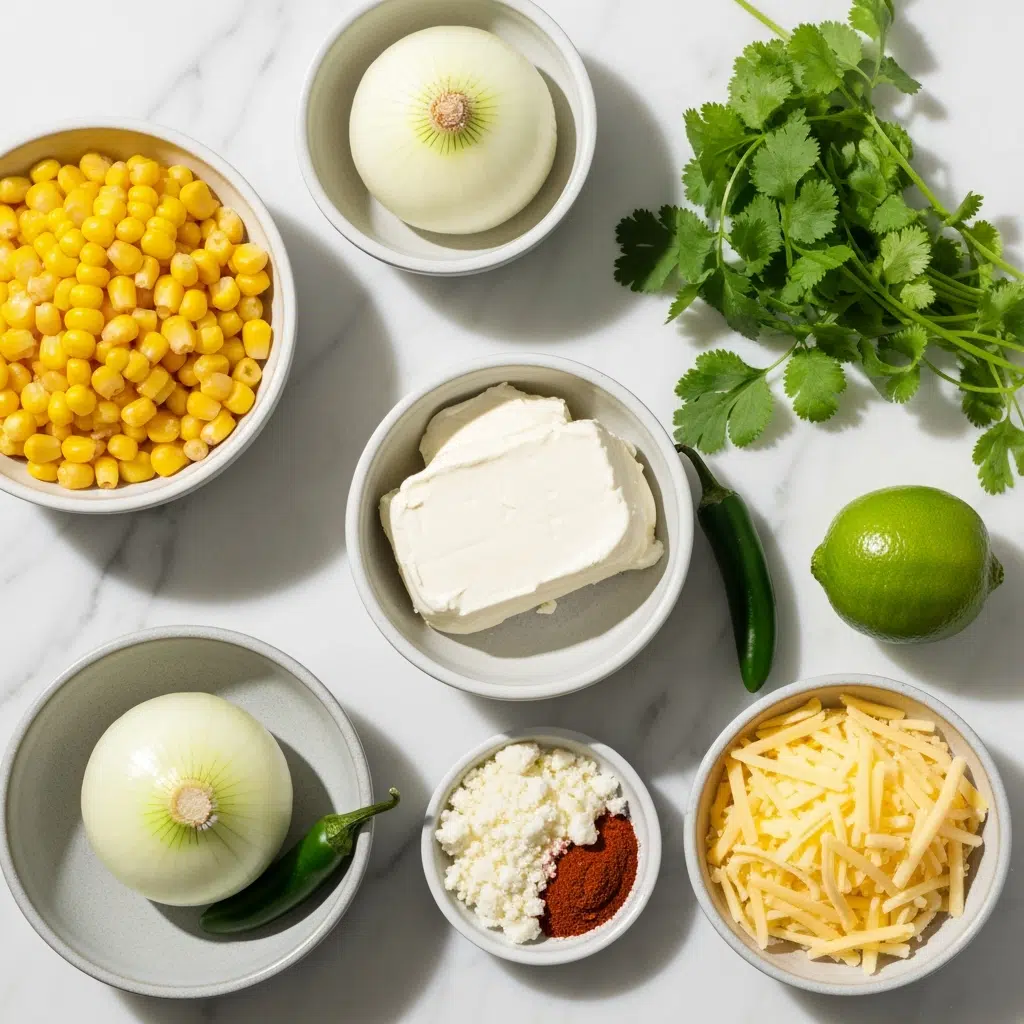
Slow Cooker Cabbage Rolls

My grandmother’s handwritten recipe card for cabbage rolls is one of my most cherished possessions. I’ve adapted her classic technique for the modern kitchen, using a slow cooker to achieve the same tender, flavorful results with far less hands-on time. These Slow Cooker Cabbage Rolls have become my go-to solution for busy weeks when I crave that deep, comforting flavor without standing over a stove for hours. As someone who manages blood sugar levels, I particularly love how this dish delivers all the satisfaction of traditional comfort food while fitting perfectly into a diabetic friendly eating pattern.

There is something magical about coming home to the aroma of tomatoes, herbs, and savory beef filling the house. The slow cooker does all the heavy lifting, transforming simple ingredients into a meal that feels both nourishing and indulgent. Whether you are following a specific meal plan for diabetics or simply looking for healthier comfort food options, these cabbage rolls check all the boxes. They are packed with flavor, easy to prepare, and gentle on blood sugar levels, making them an ideal addition to any diabetic friendly meal plan.

Table of Contents

  • Slow Cooker Cabbage Rolls Ingredients
  • Step-by-Step Instructions
  • Equipment Needed
  • Why You Will Love This Recipe
  • Healthier Alternatives for the Recipe
  • Serving Suggestions
  • Common Mistakes to Avoid
  • Storing Tips for the Recipe
  • Conclusion
  • FAQs about Slow Cooker Cabbage Rolls

Slow Cooker Cabbage Rolls Ingredients

Ingredients for 3

Slow Cooker Cabbage Rolls start with simple, wholesome ingredients that come together to create a remarkably satisfying meal. The beauty of this recipe lies in its flexibility. You can easily adapt it based on what you have on hand while maintaining its diabetic friendly profile.

For the cabbage rolls:

  • 1 large head green cabbage
  • 1 pound lean ground beef (93/7 works well)
  • ½ cup cooked cauliflower rice
  • 1 small yellow onion, finely diced
  • 2 cloves garlic, minced
  • 1 large egg, lightly beaten
  • 2 tablespoons fresh parsley, chopped
  • 1 teaspoon dried oregano
  • ½ teaspoon smoked paprika
  • Salt and black pepper to taste

For the sauce:

  • 1 (15-ounce) can no-sugar-added tomato sauce
  • 1 (14.5-ounce) can diced tomatoes, undrained
  • 2 tablespoons tomato paste
  • 1 tablespoon Worcestershire sauce
  • 1 teaspoon apple cider vinegar
  • ½ cup low-sodium beef or vegetable broth

Smart substitutions: For a different twist, you can use ground turkey or chicken instead of beef. If you are monitoring purine intake as part of a low-purine diet, ground chicken or turkey would be excellent alternatives. The cauliflower rice keeps these low carb cabbage rolls perfectly textured without the blood sugar spike of traditional rice, making them suitable for various dietary needs including a cardiac diabetic diet food list.

Timing

  • Prep time: 30 minutes
  • Cook time: 6-8 hours on low or 3-4 hours on high
  • Total time: 6.5-8.5 hours

While the total time seems long, remember that most of it is hands-off cooking in your slow cooker. The active prep time is less than half an hour, making this one of those easy diabetic recipes that practically cooks itself while you go about your day.

Step-by-Step Instructions

Creating perfect Slow Cooker Cabbage Rolls is easier than you might think. Follow these simple steps for a foolproof result every time.

Step 1: Prepare the Cabbage Leaves

Bring a large pot of water to boil. Carefully remove the core from the cabbage using a sharp knife. Submerge the entire head in boiling water for about 5-7 minutes. As the outer leaves become tender and pliable, gently peel them away with tongs. Return the cabbage to the water to soften the inner leaves. You will need about 12-14 large leaves. Once all leaves are removed, set them aside to cool slightly. Trim the thick rib from the bottom of each leaf to make rolling easier.

Step 2: Make the Filling

In a large mixing bowl, combine the ground beef, cauliflower rice, diced onion, minced garlic, egg, parsley, oregano, smoked paprika, salt, and pepper. Mix gently with your hands or a fork until just combined. Be careful not to overmix, as this can make the filling dense. The cauliflower rice provides bulk and moisture while keeping these as true low carb cabbage rolls.

Step 3: Assemble the Rolls

Lay a cabbage leaf flat on your work surface. Place about ¼ cup of the meat mixture near the bottom center of the leaf. Fold the bottom of the leaf over the filling, then fold in the sides, and roll up tightly, similar to how you would roll a burrito. Repeat with remaining leaves and filling.

Step 4: Create the Sauce and Cook

In a medium bowl, whisk together the tomato sauce, diced tomatoes, tomato paste, Worcestershire sauce, apple cider vinegar, and broth until well combined. Pour about 1 cup of the sauce into the bottom of your slow cooker. Arrange the cabbage rolls seam-side down in the slow cooker, packing them snugly. Pour the remaining sauce over the top, making sure all rolls are covered. Cover and cook on low for 6-8 hours or high for 3-4 hours, until the cabbage is tender and the filling is cooked through.

Nutritional Information

Each serving (2 cabbage rolls) provides approximately:

  • Calories: 285
  • Protein: 24g
  • Carbohydrates: 12g
  • Fiber: 4g
  • Net Carbohydrates: 8g
  • Fat: 16g
  • Sugar: 6g

This nutritional profile makes these Slow Cooker Cabbage Rolls an excellent choice for those managing diabetes or following a low sugar eating pattern. The balanced macronutrients, with adequate protein and fiber, help maintain stable blood sugar levels while providing lasting satisfaction. Cabbage itself is rich in vitamin K, vitamin C, and antioxidants, making this dish both nutritious and delicious.

Equipment Needed

You do not need any special equipment to make these diabetic slow cooker recipes. The essentials include:

  • 6-quart or larger slow cooker
  • Large stockpot for blanching cabbage
  • Mixing bowls
  • Sharp knife and cutting board
  • Measuring cups and spoons
  • Tongs for handling hot cabbage leaves

If you are building your collection of healthy slow cooker meals, investing in a good quality slow cooker is worthwhile. The programmable models are particularly convenient for busy days when cooking times might vary.

Why You Will Love This Recipe

These Slow Cooker Cabbage Rolls have earned a permanent spot in my meal rotation for several compelling reasons.

They are genuinely diabetic friendly without sacrificing flavor. The combination of lean protein, non-starchy vegetables, and minimal added sugars makes them suitable for various dietary needs, from prediabetes meals to eat to full diabetes management.

The hands-off cooking method means you can prepare a wholesome meal without being tied to the kitchen. This is especially valuable on busy days when takeout might otherwise tempt you.

They freeze and reheat beautifully, making them perfect for meal prep. Having a batch of these in the freezer means you always have a healthy option ready when you need it.

They are incredibly versatile. You can adjust the seasonings, swap the protein, or modify the sauce to suit your preferences while maintaining the diabetic friendly qualities.

The comfort factor is undeniable. There is something deeply satisfying about cutting into a tender cabbage roll filled with savory meat and bathed in rich tomato sauce. It is the kind of meal that feeds both body and soul.

Healthier Alternatives for the Recipe

Slow Cooker Cabbage Rolls Recipe variation for 3

One of the best features of these Slow Cooker Cabbage Rolls is how easily they adapt to different dietary needs and preferences.

For a lower fat version, use ground turkey or chicken instead of beef. You could also use a plant-based ground meat alternative if you prefer.

If you are following a strict keto diet, ensure the tomato products you use have no added sugars. You might also increase the fat content by adding a tablespoon of olive oil to the sauce.

For those monitoring sodium intake, use no-salt-added tomato products and low-sodium broth. The herbs and spices provide plenty of flavor even with reduced salt.

If you prefer different vegetables in the filling, finely chopped mushrooms or zucchini would work beautifully. Just be sure to squeeze out excess moisture if using high-water-content vegetables.

Serving Suggestions

These Slow Cooker Cabbage Rolls are substantial enough to stand alone as a complete meal, but they also pair wonderfully with simple sides.

For a balanced plate, serve them with a crisp green salad dressed with a simple vinaigrette. The freshness of the salad provides a nice contrast to the rich, savory cabbage rolls.

If you are looking for more vegetable sides, roasted Brussels sprouts, steamed green beans, or sautéed spinach would all complement the flavors beautifully.

For those not strictly limiting carbohydrates, a small serving of whole grains like quinoa or farro would round out the meal nicely. However, the cabbage rolls themselves are satisfying enough that additional starches are not necessary.

When serving, make sure to spoon plenty of the delicious tomato sauce from the slow cooker over each portion. The sauce is where much of the flavor resides.

Common Mistakes to Avoid

After making these Slow Cooker Cabbage Rolls countless times, I have identified a few common pitfalls that are easily avoided.

Do not skip blanching the cabbage leaves. Trying to roll raw cabbage leaves will result in torn leaves and frustration. The brief blanching makes them pliable and easy to work with.

Avoid overpacking the filling. Using too much filling makes the rolls difficult to close and can cause them to burst during cooking. About ¼ cup per large leaf is the perfect amount.

Do not undercook the rolls. While you do not want them mushy, the cabbage should be tender enough to cut easily with a fork. If you are unsure, test one roll before serving.

Resist the urge to lift the lid frequently during cooking. Each time you remove the lid, you release heat and moisture, increasing the cooking time.

Do not forget to season the filling adequately. Taste a small cooked portion of the filling before assembling all the rolls to adjust seasoning if needed.

Storing Tips for the Recipe

Slow Cooker Cabbage Rolls Storage tips for 3

These Slow Cooker Cabbage Rolls store beautifully, making them ideal for meal prep and leftovers.

Refrigerate leftovers in an airtight container for up to 4 days. The flavors actually improve after a day or two as the ingredients continue to meld.

To freeze, arrange cooled cabbage rolls in a single layer on a baking sheet and freeze until solid. Then transfer to freezer bags or containers. They will keep for up to 3 months. This method prevents them from sticking together, so you can remove individual portions as needed.

Reheat gently in the microwave or in a covered baking dish in a 350°F oven until heated through. If reheating from frozen, allow extra time and consider adding a splash of broth or water to prevent drying out.

The sauce may separate slightly upon reheating. Simply stir well to recombine before serving.

Conclusion

These Slow Cooker Cabbage Rolls represent everything I love about diabetic friendly cooking. They prove that managing blood sugar does not mean sacrificing flavor or comfort. The slow cooker method makes them incredibly convenient, while the wholesome ingredients ensure they nourish your body properly.

Whether you are newly diagnosed and building your collection of easy diabetic recipes or a seasoned pro looking for new ideas, these cabbage rolls deserve a place in your repertoire. They are comforting enough for family dinners, impressive enough for company, and practical enough for weekly meal prep.

I would love to hear how these turn out for you. What variations did you try? What did your family think? Share your experience in the comments below. And if you are looking for more inspiration for healthy slow cooker meals, check out our guide to Crockpot Meals for Diabetics, which includes everything from comforting soups like Crockpot Beef Vegetable Soup to family favorites like Slow Cooker Turkey Meatballs.

Do not forget to tag @Stacksipsnack on Instagram if you share photos of your creation. Happy cooking.

FAQs about Slow Cooker Cabbage Rolls

How long does it take to cook raw cabbage rolls in a slow cooker?

Typically, raw cabbage rolls cook in a slow cooker on low for 6-8 hours, or on high for 3-4 hours, until the cabbage is tender and the filling is cooked through.

Do you boil cabbage before making cabbage rolls?

Yes, it's highly recommended to blanch or par-boil the whole head of cabbage first. This softens the leaves, making them pliable and easier to separate and roll without tearing.

How do you keep cabbage rolls from falling apart in a slow cooker?

Ensure the rolls are tightly wrapped, tucking in the sides, and place them snugly in the slow cooker to minimize movement. You can also create layers, with the final layer slightly compressing the ones below, to help them hold shape.

Can I put raw cabbage in a slow cooker?

While you technically can put raw cabbage in a slow cooker, for cabbage rolls, it's best to pre-soften the leaves. Putting whole raw leaves directly in might result in them being too stiff to roll or not fully tenderizing within the typical cooking time for the filling.

How do you prepare cabbage for cabbage rolls?

To prepare cabbage for rolling, first remove the core. Then, either blanch the whole head in boiling water for 5-10 minutes, steaming until pliable, or freeze it overnight and thaw to soften the leaves, making them easy to peel off.

How long can you keep cooked cabbage rolls in the fridge?

Cooked cabbage rolls can be safely stored in an airtight container in the refrigerator for 3-4 days. For longer storage, they freeze exceptionally well.

💬 Let’s Stay Connected!
For daily recipes, kitchen tips, and exclusive content, follow me on:
👉 Facebook for behind-the-scenes & community fun
👉 Pinterest for visual inspiration & meal ideas
👉 X (Twitter) for quick tips & trending recipes

📲 Join the flavor journey, your next favorite recipe is just a follow away!

Slow Cooker Apple Cinnamon Steel-Cut Oats

The gentle aroma of apples and cinnamon greeting you in the morning is a reward in itself. This slow cooker apple cinnamon steel-cut oats recipe turns your kitchen into a cozy, fragrant haven before you’ve even had your first sip of coffee. I remember the first time I tried this method, stumbling out of bed to the most comforting scent imaginable, feeling like I’d already accomplished something wonderful for the day.

For anyone managing blood sugar, especially those looking for a healthy breakfast for diabetics, this recipe is a game-changer. It’s warm, filling, and perfectly balanced to keep you satisfied without spiking your glucose levels. Whether you’re following a cardiac diabetic diet food list or simply seeking low sugar oatmeal options, this dish delivers on both flavor and nutrition.

Table of Contents

  • Slow Cooker Apple Cinnamon Steel-Cut Oats Ingredients
  • Step-by-Step Instructions
  • Equipment Needed
  • Why You’ll Love This Recipe
  • Healthier Alternatives for the Recipe
  • Serving Suggestions
  • Common Mistakes to Avoid
  • Storing Tips for the Recipe
  • Conclusion
  • FAQs about Slow Cooker Apple Cinnamon Steel-Cut Oats

Slow Cooker Apple Cinnamon Steel-Cut Oats Ingredients

Slow Cooker Apple Cinnamon Steel-Cut Oats Ingredients for 3

Slow Cooker Apple Cinnamon Steel-Cut Oats begin with simple, wholesome ingredients that work together to create a creamy, satisfying breakfast. You likely have most of these staples in your pantry already.

  • 1 cup steel-cut oats (do not substitute rolled oats)
  • 4 cups water
  • 1 cup unsweetened almond milk (or milk of choice)
  • 2 medium apples, peeled, cored, and diced (I prefer Honeycrisp or Granny Smith for a tart contrast)
  • 1 teaspoon ground cinnamon
  • ¼ teaspoon ground nutmeg
  • 1 teaspoon pure vanilla extract
  • 1 tablespoon chia seeds or ground flaxseed (optional, for added fiber and thickness)
  • Pinch of salt

For Sweetening (Optional):

  • 1-2 tablespoons pure maple syrup, or a few drops of liquid stevia, to taste after cooking. I recommend tasting first, as the apples provide natural sweetness.

Smart Substitutions:

  • Dairy-Free: Use unsweetened almond, oat, or coconut milk.
  • Nut-Free: Stick with water or a nut-free milk alternative like oat milk.
  • Apple Variations: Pears work beautifully as a substitute.
  • Spice It Up: Add a pinch of cardamom or cloves for extra warmth.

Timing

  • Prep Time: 10 minutes
  • Cook Time: 6-8 hours on LOW
  • Total Time: 6-8 hours, 10 minutes hands-off

This is about 90% hands-off time, making it one of the easiest diabetic slow cooker recipes you can make.

Step-by-Step Instructions

Step 1: Prepare the Slow Cooker

Lightly grease the inside of your slow cooker insert with cooking spray or a little coconut oil. This simple step makes cleanup a breeze and prevents any sticking around the edges.

Step 2: Combine All Ingredients

Add the steel-cut oats, water, almond milk, diced apples, cinnamon, nutmeg, vanilla extract, chia seeds (if using), and a pinch of salt directly into the slow cooker. Pro Tip: Give everything a good stir right now to ensure the spices are evenly distributed and the oats are fully submerged in the liquid. This prevents clumping and ensures every spoonful is perfectly flavored.

Step 3: Set It and Forget It

Cover and cook on LOW for 6 to 8 hours. Do not cook on HIGH, as this can cause the oats to become mushy and may make them stick to the bottom. The long, gentle heat is what makes these steel-cut oats slow cooker magic happen, breaking them down to a wonderfully creamy consistency.

Step 4: Stir and Serve

In the morning, give the oats a thorough stir. They will thicken upon standing. If they seem too thick for your liking, stir in a splash of additional almond milk or water to reach your desired consistency. This is the time to taste and add a tiny bit of optional sweetener if needed.

Nutritional Information

(Per serving, recipe makes 4 servings)

  • Calories: ~180
  • Carbohydrates: 33g
  • Fiber: 6g
  • Sugars: 8g (primarily natural from apples)
  • Protein: 6g
  • Fat: 3g

This diabetic-friendly oatmeal recipe is a powerhouse of soluble fiber from the oats and apples, which helps slow the absorption of sugar into the bloodstream, making it an ideal blood sugar friendly breakfast. It’s also a fantastic option for anyone consulting a cardiac diabetic diet food list, as it is low in saturated fat and sodium.

Equipment Needed

You do not need any fancy gadgets for this recipe. A 4 to 6-quart slow cooker is the only essential piece of equipment. A good chef’s knife and cutting board for the apples will make your prep work quick and easy.

Why You’ll Love This Recipe

This Slow Cooker Apple Cinnamon Steel-Cut Oats recipe earns a permanent spot in your breakfast rotation for so many reasons.

  • Truly Hands-Off Breakfast: Prep takes 10 minutes at night, and wake up to a hot, ready-to-eat meal. It simplifies your morning routine immensely.
  • Diabetic-Friendly and Heart-Healthy: With its high fiber content and controlled sugar, it’s a standout among easy diabetic recipes and fits well into a heart-healthy lifestyle.
  • Incredibly Versatile: This base recipe is a canvas. Top it with nuts, seeds, or a dollop of Greek yogurt for extra protein.
  • Perfect for Meal Prep: It stores and reheats beautifully, making it a cornerstone of any diabetic friendly meal plan for the week ahead.
  • Family-Friendly Comfort Food: It’s a warm, comforting dish that appeals to everyone at the table, not just those with dietary considerations.

Healthier Alternatives for the Recipe

Slow Cooker Apple Cinnamon Steel-Cut Oats Recipe variation for 3

This recipe is already a healthy foundation, but you can easily tweak it to meet other dietary needs or preferences.

  • For Added Protein: Stir in a scoop of unflavored collagen peptides or protein powder after cooking. You can also serve it with a side of Greek yogurt.
  • For a Nut-Free Version: Simply use water or a nut-free milk alternative like oat milk.
  • For a Different Fruit: Swap the apples for diced pears or a cup of frozen berries added in the last 30 minutes of cooking.
  • For a Savory Twist: Omit the cinnamon, nutmeg, and vanilla. Instead, cook the oats with sautéed mushrooms, a sprinkle of thyme, and a poached egg on top. This is a great way to vary your prediabetes meals to eat.

Serving Suggestions

The beauty of this slow cooker apple cinnamon steel-cut oats is in the toppings. Here are some of my favorite ways to serve it.

  • For Crunch: A tablespoon of chopped walnuts, pecans, or slivered almonds adds healthy fats and a satisfying texture.
  • For Creaminess: A dollop of plain Greek yogurt or a splash of your favorite milk.
  • For Extra Fiber and Healthy Fats: A sprinkle of hemp hearts, chia seeds, or ground flaxseed.
  • For a Flavor Boost: A tiny drizzle of sugar-free maple syrup or a dash more cinnamon.

This dish pairs wonderfully with other easy diabetic meal recipes from the site, like a simple side of scrambled eggs for a more substantial breakfast.

Common Mistakes to Avoid

A few small missteps can affect your final dish. Here’s how to avoid them.

  • Using Rolled Oats: Do not substitute rolled oats in this recipe. They will turn to complete mush with the long cooking time. Steel-cut oats are a must for their chewy texture and ability to hold up.
  • Skipping the Grease: Always grease your slow cooker insert. Oats have a tendency to stick, especially around the top edges, and this makes cleanup significantly easier.
  • Cooking on High: Resist the temptation to cook on HIGH to speed things up. The low and slow heat is crucial for achieving the perfect creamy-yet-chewy texture without burning.
  • Forgetting to Stir Before Serving: The oats will settle and thicken. Always give them a good stir and adjust the consistency with a little extra liquid when you serve them.

Storing Tips for the Recipe

Slow Cooker Apple Cinnamon Steel-Cut Oats Storage tips for 3

This recipe is a meal prep dream. It stores exceptionally well.

  • Refrigeration: Allow the oats to cool completely before transferring them to an airtight container. They will keep in the refrigerator for up to 5 days.
  • Freezing: Portion the cooled oats into freezer-safe containers or bags. They can be frozen for up to 3 months. Thaw overnight in the refrigerator.
  • Reheating: Reheat single servings in the microwave with a splash of milk or water, stirring every 30 seconds until hot. You can also reheat it gently in a saucepan on the stovetop, adding liquid as needed to loosen it up.

Conclusion

This Slow Cooker Apple Cinnamon Steel-Cut Oats recipe is more than just a meal; it’s a simple, nurturing act of self-care that pays off with a delicious and dependable breakfast. It perfectly embodies what we strive for at Stack Sip Snack: creating easy diabetic recipes that are as nourishing as they are delightful. It’s a fantastic addition to any diabetic friendly meal plan and a wonderful answer to the question of what are the best food for diabetic patients to start their day.

If you love the convenience of your slow cooker, be sure to check out our full guide to Crockpot Meals for Diabetics for more inspiration. For another warm, spiced breakfast, try our Slow Cooker Oats with Cinnamon and Berries. And for savory options, our Slow Cooker Lentil Soup and Crockpot Vegetable Quinoa are both fantastic, fiber-rich choices.

I’d love to hear how your slow cooker apple cinnamon steel-cut oats turn out! Leave a comment below or share your creation with me on Instagram by tagging @Stacksipsnack.

FAQs about Slow Cooker Apple Cinnamon Steel-Cut Oats

Can you put raw apples in steel cut oats in a slow cooker?

Yes, absolutely! Diced raw apples soften perfectly in the slow cooker alongside the steel-cut oats, infusing them with flavor and a pleasant texture. No pre-cooking is necessary.

What is the ideal liquid-to-steel-cut-oats ratio for a slow cooker?

For slow cooker steel-cut oats, a common ratio is 3-4 parts liquid (water, milk, or a mix) to 1 part steel-cut oats. For a creamier result with apples, 3.5-4 cups liquid per 1 cup oats is often ideal.

How do you keep slow cooker steel-cut oats from sticking to the pot?

To prevent sticking, generously grease the slow cooker insert with butter, coconut oil, or cooking spray. Alternatively, use a slow cooker liner. An optimal liquid ratio and, if possible, a quick stir during cooking can also help.

How long do slow cooker steel-cut oats typically take to cook?

Slow cooker steel-cut oats usually cook for 2-4 hours on the HIGH setting or 6-8 hours on the LOW setting. Cooking time can vary depending on your slow cooker model and desired consistency.

Can you prepare slow cooker apple cinnamon steel-cut oats the night before?

Yes, slow cooker apple cinnamon steel-cut oats are perfect for overnight preparation. Assemble all ingredients in the slow cooker insert the night before, then turn it on LOW before bed, and wake up to a warm, ready-to-eat breakfast.

Are slow cooker apple cinnamon steel-cut oats a healthy breakfast option?

Yes, they are very healthy! Steel-cut oats are a whole grain, rich in fiber, protein, and essential nutrients. When prepared with apples and cinnamon, they offer a nutritious and satisfying breakfast, especially when added sugars are kept in moderation.

💬 Let’s Stay Connected!
For daily recipes, kitchen tips, and exclusive content, follow me on:
👉 Facebook for behind-the-scenes & community fun
👉 Pinterest for visual inspiration & meal ideas
👉 X (Twitter) for quick tips & trending recipes

📲 Join the flavor journey, your next favorite recipe is just a follow away!

Slow Cooker Moroccan Chicken

The humble dried apricot is the secret star of this recipe, providing little bursts of sweet tanginess. They plump up beautifully during the long, slow cook, perfectly complementing the savory spices and tender chicken. I first discovered this magical combination during a busy week when my slow cooker became my kitchen hero, transforming simple ingredients into something that felt both exotic and comforting. As someone who manages blood sugar, finding meals that are both delicious and diabetic-friendly can feel challenging, but this Slow Cooker Moroccan Chicken changed everything for me.

This recipe has become my go-to for busy days, family dinners, and meal prep Sundays. The aromatic spices fill your home with the most incredible scent, making it feel like you have been cooking all day when really, you just tossed everything in the pot and walked away. What I love most about this Slow Cooker Moroccan Chicken is how it fits perfectly into a diabetic meal plan while satisfying everyone at the table with its complex flavors and comforting texture.

Table of Contents

  • Ingredients for Slow Cooker Moroccan Chicken
  • Step-by-Step Instructions
  • Equipment Needed
  • Why You Will Love This Recipe
  • Healthier Alternatives for the Recipe
  • Serving Suggestions
  • Common Mistakes to Avoid
  • Storing Tips for the Recipe
  • Conclusion
  • FAQs about Slow Cooker Moroccan Chicken

Ingredients for Slow Cooker Moroccan Chicken

Slow Cooker Moroccan Chicken starts with simple, wholesome ingredients that create incredible depth of flavor. You likely have many of these spices in your pantry already, making this an accessible exotic meal.

Slow Cooker Moroccan Chicken Ingredients for 3

For the chicken and vegetables:

  • 2 pounds boneless, skinless chicken thighs
  • 1 large yellow onion, thinly sliced
  • 3 carrots, peeled and cut into 1-inch chunks
  • 1 red bell pepper, sliced
  • ½ cup dried apricots, halved
  • ¼ cup green olives, pitted

For the spice blend and sauce:

  • 3 cloves garlic, minced
  • 1 tablespoon grated fresh ginger
  • 1 teaspoon ground cumin
  • 1 teaspoon ground coriander
  • 1 teaspoon smoked paprika
  • ½ teaspoon ground cinnamon
  • ¼ teaspoon cayenne pepper (optional, for heat)
  • ¼ teaspoon black pepper
  • ½ teaspoon salt
  • 1 cup low-sodium chicken broth
  • 2 tablespoons tomato paste
  • 1 tablespoon fresh lemon juice

Smart substitutions: If you are following a cardiac diabetic diet food list, you can reduce the salt further or use salt-free chicken broth. For those watching purine intake, this recipe naturally fits into low-purine diet recipes as it uses chicken rather than red meat or seafood. No dried apricots? Prunes or dried figs work beautifully too.

Timing

  • Prep time: 15 minutes
  • Cook time: 6-8 hours on low or 3-4 hours on high
  • Total time: 6 hours 15 minutes to 8 hours 15 minutes

This Slow Cooker Moroccan Chicken requires about 80% less active cooking time than traditional stovetop methods, giving you back precious hours in your day.

Step-by-Step Instructions

Step 1: Prepare the Spice Blend

In a small bowl, combine the cumin, coriander, smoked paprika, cinnamon, cayenne (if using), black pepper, and salt. This aromatic blend is what gives Slow Cooker Moroccan Chicken its distinctive flavor profile. Mixing the spices first ensures even distribution throughout the dish.

Step 2: Layer the Vegetables

Place the sliced onion, carrot chunks, and bell pepper in the bottom of your slow cooker. These sturdy vegetables will create a flavorful base and hold up well during the long cooking time. The natural sweetness of the carrots balances beautifully with the spices.

Step 3: Add Chicken and Spices

Arrange the chicken thighs over the vegetables in a single layer. Sprinkle the spice blend evenly over the chicken, making sure each piece gets coated. The chicken thighs stay incredibly moist during slow cooking, making them perfect for diabetic slow cooker recipes where texture matters.

Step 4: Create the Sauce

In the same bowl you used for spices, whisk together the chicken broth, tomato paste, minced garlic, grated ginger, and lemon juice. Pour this mixture evenly over the chicken and vegetables. The acidity from the lemon juice and tomato paste helps tenderize the chicken while adding brightness to counter the rich spices.

Step 5: Add Final Ingredients

Scatter the dried apricots and green olives over everything. Do not stir at this point – the apricots will plump up beautifully as they steam during cooking, creating those wonderful sweet bursts that make this Slow Cooker Moroccan Chicken so special.

Step 6: Cook to Perfection

Cover and cook on low for 6-8 hours or high for 3-4 hours. The chicken should be fork-tender and easily shred with a fork. During the last 30 minutes of cooking, you can thicken the sauce by removing the lid if desired.

Nutritional Information

Per serving (approximately 1 ½ cups):

  • Calories: 285
  • Protein: 28g
  • Carbohydrates: 18g
  • Fiber: 4g
  • Sugar: 10g (natural sugars from vegetables and fruit)
  • Fat: 10g
  • Sodium: 480mg

This Slow Cooker Moroccan Chicken is packed with protein to keep you full and satisfied, while the balanced carb count and fiber make it an excellent choice for prediabetes meals to eat. The combination of spices like cinnamon and cumin may help with blood sugar regulation, making this one of the best food for diabetic patients.

Equipment Needed

  • 6-quart slow cooker or crockpot
  • Cutting board and chef's knife
  • Measuring spoons and cups
  • Small mixing bowl
  • Whisk or fork for mixing sauce

If you are new to diabetic slow cooker recipes, check out our comprehensive guide to Crockpot Meals for Diabetics for more inspiration and tips.

Why You Will Love This Recipe

This Slow Cooker Moroccan Chicken earns its place as your new favorite comfort food for several compelling reasons:

Effortless elegance: Despite its complex flavor profile, this dish could not be simpler to prepare. Just layer, spice, and walk away while your slow cooker works its magic.

Diabetic-friendly without compromise: Unlike many diet foods that sacrifice flavor, this recipe proves that diabetic-friendly meal plan options can be exciting and satisfying. The natural sweetness from apricots and carrots means no added sugar is needed.

Perfect for meal prep: This Slow Cooker Moroccan Chicken tastes even better the next day, making it ideal for diabetic meal prep. The flavors continue to develop and meld together in the refrigerator.

Family-approved: Even picky eaters who might shy away from ethnic food love the familiar comfort of tender chicken and sweet carrots in this dish. It is a gentle introduction to global flavors.

Budget-friendly: Using affordable chicken thighs and pantry spices keeps costs low while delivering restaurant-quality flavors right in your kitchen.

Healthier Alternatives for the Recipe

This Slow Cooker Moroccan Chicken is naturally adaptable to various dietary needs:

Recipe variation for 3

For lower carb: Omit the carrots and use only ¼ cup apricots to create a low carb Moroccan stew variation. You can add more bell peppers and zucchini instead.

For higher protein: Increase the chicken to 3 pounds and add a can of chickpeas during the last hour of cooking for extra plant-based protein and fiber.

For gluten-free needs: This recipe is naturally gluten-free, but always check your chicken broth and spices to ensure no cross-contamination.

For lower sodium: Use homemade salt-free chicken broth and reduce or omit the added salt. The spices provide so much flavor you will not miss the salt.

If you enjoy Mediterranean flavors, you might also love our Slow Cooker Mediterranean Chicken, which shares similar health benefits and ease of preparation.

Serving Suggestions

This versatile Slow Cooker Moroccan Chicken pairs beautifully with various sides to create balanced meals:

For traditional presentation: Serve over cauliflower rice or quinoa to soak up the delicious sauce while keeping carbs in check. The fluffy texture makes perfect vehicles for the rich stew.

For low-carb options: Enjoy alongside roasted broccoli or a simple green salad dressed with lemon vinaigrette. The bright acidity cuts through the richness beautifully.

For heartier appetites: While traditional couscous is higher in carbs, a small portion of whole wheat couscous can work for those with more flexible carb budgets.

As a bowl meal: Create beautiful Slow Cooker Moroccan Chicken bowls with cauliflower rice, extra vegetables, and a dollop of Greek yogurt. This presentation makes meal prep exciting and visually appealing.

If you love bowl meals, our Slow Cooker Greek Chicken Bowls offer another delicious diabetic-friendly option with similar convenience.

Common Mistakes to Avoid

Overcooking the chicken: While slow cookers are forgiving, chicken can become dry if cooked too long. Stick to the recommended times, especially if using chicken breasts instead of thighs.

Skipping the spice toast: While not mandatory, toasting whole spices and grinding them fresh takes this Slow Cooker Moroccan Chicken to the next level. The flavor difference is remarkable.

Adding delicate ingredients too early: If including zucchini or other quick-cooking vegetables, add them during the last hour to prevent them from turning mushy.

Not tasting before serving: Always taste and adjust seasoning at the end. You might want an extra squeeze of lemon or pinch of salt to brighten the flavors.

Using chicken breasts exclusively: While you can use chicken breasts, thighs stay more moist during long cooking. If using breasts, reduce cooking time by about an hour.

For more tips on perfect slow cooker chicken, our Slow Cooker Lemon Garlic Chicken recipe includes detailed guidance on timing and techniques.

Storing Tips for the Recipe

Storage tips for 3

Refrigeration: Store leftover Slow Cooker Moroccan Chicken in airtight containers for up to 4 days. The flavors actually improve overnight, making fantastic leftovers.

Freezing: This dish freezes beautifully for up to 3 months. Cool completely before transferring to freezer-safe containers or bags. Thaw in the refrigerator overnight before reheating.

Reheating: Gently reheat on the stovetop over medium-low heat or in the microwave at reduced power. Add a splash of chicken broth if the sauce has thickened too much.

Meal prep application: Portion into single-serving containers with cauliflower rice for ready-to-go lunches all week. This makes sticking to your diabetic friendly meal plan effortless.

If you are looking for more freezer-friendly options, our Slow Cooker Chicken Vegetable Stew offers similar storage benefits and reheats beautifully.

Conclusion

This Slow Cooker Moroccan Chicken has earned its place as one of my most-made recipes because it delivers on every promise: incredible flavor, effortless preparation, and blood sugar-friendly nutrition. It proves that managing diabetes does not mean sacrificing flavor or comfort food satisfaction. The aromatic spices, tender chicken, and sweet bursts of apricot create a dining experience that feels special enough for company yet simple enough for Tuesday night dinner.

I would love to hear how this Slow Cooker Moroccan Chicken turns out in your kitchen! Did your family love it as much as mine? What variations did you try? Share your experience in the comments below, and do not forget to tag @Stacksipsnack on Instagram so I can see your beautiful creations.

If you enjoyed this recipe, you might also love exploring our other diabetic slow cooker recipes for more easy, flavorful meals that support your health goals without compromising on taste.

FAQs about Slow Cooker Moroccan Chicken

What spices are in Moroccan chicken?

Traditional Moroccan chicken often features a blend of warm spices like cumin, coriander, ginger, turmeric, cinnamon, paprika, and sometimes a pinch of cayenne or saffron for depth and aroma. Ras el hanout, a complex Moroccan spice blend, is also a common addition.

What cut of chicken is best for slow cooker Moroccan chicken?

Dark meat cuts like boneless, skinless chicken thighs are ideal for slow cooking Moroccan chicken. They stay incredibly moist and tender over long cooking times and absorb the rich flavors beautifully without drying out. Chicken drumsticks can also work well.

Do you need to brown chicken before slow cooking Moroccan chicken?

While not strictly necessary, browning the chicken before adding it to the slow cooker can enhance its flavor and give the dish a deeper color. For convenience, you can skip this step, as the slow cooker will still produce tender, flavorful results.

What goes well with Moroccan chicken?

Moroccan chicken pairs wonderfully with couscous (especially pearl or regular), fluffy white rice, or quinoa. Steamed or roasted vegetables like green beans, roasted carrots, or a simple side salad also complement the dish well.

How long does Moroccan chicken last in the fridge?

Cooked Moroccan chicken, stored properly in an airtight container, will last for 3-4 days in the refrigerator. Ensure it's cooled completely before refrigerating.

Can you freeze Moroccan chicken?

Yes, Moroccan chicken freezes very well. Allow the dish to cool completely, then transfer it to freezer-safe containers or bags. It can be stored in the freezer for up to 2-3 months. Thaw overnight in the fridge before reheating.

💬 Let’s Stay Connected!
For daily recipes, kitchen tips, and exclusive content, follow me on:
👉 Facebook for behind-the-scenes & community fun
👉 Pinterest for visual inspiration & meal ideas
👉 X (Twitter) for quick tips & trending recipes

📲 Join the flavor journey, your next favorite recipe is just a follow away!

Crockpot Vegetable Quinoa

The slow cooker's low, steady heat gently coaxes the starches from the quinoa, creating a naturally creamy sauce without any dairy. This technique results in a Crockpot Vegetable Quinoa with an incredibly rich mouthfeel and cohesive flavor. I discovered this happy accident on a Tuesday that felt like a Monday, when my best intentions for a healthy dinner were colliding with a mountain of work emails. I needed a meal that practically cooked itself, was kind to my blood sugar, and could feed my family for days. This Crockpot Vegetable Quinoa was the answer, and it has since become a non-negotiable star in our weekly rotation.

This isn't just another slow cooker recipe; it's a lifeline for anyone seeking delicious, blood sugar friendly meals that require minimal effort. Whether you're managing diabetes, looking for prediabetes meals to eat, or simply wanting to incorporate more high-fiber, plant-based goodness into your life, this dish delivers. It’s the kind of meal that makes you feel nourished and cared for, all while your slow cooker does the heavy lifting.

Table of Contents

  • Ingredients for Crockpot Vegetable Quinoa
  • Step-by-Step Instructions for Crockpot Vegetable Quinoa
  • Equipment Needed for Crockpot Vegetable Quinoa
  • Why You'll Love This Crockpot Vegetable Quinoa
  • Healthier Alternatives for Crockpot Vegetable Quinoa
  • Serving Suggestions for Crockpot Vegetable Quinoa
  • Common Mistakes to Avoid with Crockpot Vegetable Quinoa
  • Storing Tips for Crockpot Vegetable Quinoa
  • Conclusion
  • FAQs about Crockpot Vegetable Quinoa

Ingredients for Crockpot Vegetable Quinoa

Crockpot Vegetable Quinoa starts with a vibrant collection of vegetables and pantry staples. The beauty of this recipe is its flexibility; feel free to swap vegetables based on what's in season or hiding in your crisper drawer.

  • 1 cup quinoa, rinsed well
  • 1 medium yellow onion, diced
  • 2 cloves garlic, minced
  • 1 red bell pepper, diced
  • 1 cup chopped carrots
  • 1 zucchini, diced
  • 1 cup chopped broccoli florets
  • 1 (15 oz) can diced tomatoes, undrained
  • 3 cups low-sodium vegetable broth
  • 1 teaspoon dried oregano
  • ½ teaspoon smoked paprika
  • ¼ teaspoon black pepper
  • 2 cups fresh spinach

Smart Swaps & Add-ins:

  • Protein Boost: Add one can of rinsed chickpeas or black beans with the other vegetables.
  • Spice it Up: A pinch of red pepper flakes can add a nice warmth.
  • Herb Freshness: Stir in 2 tablespoons of chopped fresh parsley or basil at the end.
  • Broth: Chicken broth works perfectly if you don't need it to be plant-based.

Timing for Crockpot Vegetable Quinoa

  • Prep time: 15 minutes
  • Cook time: 4 hours on Low or 2 hours on High
  • Total time: 4 hours 15 minutes

This hands-off time is a game-changer compared to standing over a stove, making it one of the easiest diabetic recipes you can make.

Step-by-Step Instructions for Crockpot Vegetable Quinoa

Creating this healthy plant-based quinoa is as simple as chopping, dumping, and walking away.

Step 1: Rinse and Layer

Thoroughly rinse the quinoa under cold water in a fine-mesh strainer. This removes the natural saponin coating, which can taste bitter. Add the rinsed quinoa to the bottom of your slow cooker.

Step 2: Add the Vegetables and Broth

Layer the diced onion, garlic, bell pepper, carrots, zucchini, and broccoli over the quinoa. Pour in the entire can of diced tomatoes and the vegetable broth. Sprinkle the dried oregano, smoked paprika, and black pepper over everything.

Pro Tip: There's no need to stir at this stage! The liquid will distribute evenly as it heats up.

Step 3: Cook to Perfection

Cover and cook on LOW for 4 hours or on HIGH for 2 hours. The quinoa should be tender and have absorbed most of the liquid, and the vegetables will be perfectly cooked but not mushy.

Step 4: Wilt the Spinach

About 10 minutes before serving, stir in the fresh spinach. The residual heat will wilt it perfectly, adding a pop of color and an extra nutrient boost. Give everything one final stir to combine.

Nutritional Information for Crockpot Vegetable Quinoa

This diabetic-friendly quinoa recipe is not only delicious but also packed with nutritional benefits. A serving is approximately 1 ½ cups.

  • Calories: ~220
  • Carbohydrates: 40g
  • Fiber: 7g
  • Protein: 9g
  • Fat: 3g

This high-fiber slow cooker meal is excellent for blood sugar management. The fiber from the quinoa and vegetables helps slow down the absorption of sugars, and the plant-based protein promotes satiety. It's a fantastic addition to any cardiac diabetic diet food list.

Equipment Needed for Crockpot Vegetable Quinoa

  • A 4 to 6-quart slow cooker or Crockpot
  • A good chef's knife and cutting board
  • A measuring cup
  • A fine-mesh strainer for rinsing the quinoa

Why You'll Love This Crockpot Vegetable Quinoa

This recipe checks all the boxes for a modern, health-conscious home cook.

  1. Truly Hands-Off: It’s the ultimate "set it and forget it" meal, freeing you up for more important things.
  2. Diabetic-Friendly Powerhouse: With its balanced macros and high fiber content, it's one of the best foods for diabetic patients looking for satisfying meals.
  3. Meal Prep Champion: It makes a large batch that stores and reheats beautifully, simplifying your weekly diabetic meal prep.
  4. Incredibly Adaptable: It’s a perfect base recipe. You can easily adjust the vegetables and spices to suit your taste or what you have on hand, much like our Slow Cooker Ratatouille.

Healthier Alternatives for Crockpot Vegetable Quinoa

Crockpot Vegetable Quinoa Recipe variation for 3

This recipe is already a nutritional superstar, but you can tweak it to meet specific needs.

  • For a Lower-Carb Version: Increase the non-starchy vegetables like broccoli and spinach and reduce the quinoa by half.
  • For Added Protein: Stir in two cups of shredded rotisserie chicken or lean ground turkey (cooked) during the last 30 minutes of cooking.
  • For a Kidney-Friendly Version: If you're following a 7 day meal plan for kidney disease, omit the tomatoes and use low-potassium vegetables like green beans and cabbage. Always consult with your healthcare provider for personalized advice.
  • For a Low-Purine Diet: This recipe is naturally low in purines, making it a great choice if you're looking for low-purine diet recipes.

Serving Suggestions for Crockpot Vegetable Quinoa

This dish is wonderfully versatile. Here’s how to serve it:

  • As a Main Course: Serve it in a bowl with a sprinkle of Parmesan cheese or nutritional yeast for a cheesy finish.
  • With a Protein: It pairs beautifully with a simple grilled chicken breast or a piece of baked fish for a more substantial meal.
  • For Lunch: Pack it in a thermos for a warm, satisfying lunch that will keep you full for hours.
  • With a Side: A simple green salad with a light vinaigrette complements the heartiness of the quinoa perfectly.

If you enjoy this kind of wholesome, one-pot meal, you'll also love our Slow Cooker Lentil Soup, which offers similar comfort and health benefits.

Common Mistakes to Avoid with Crockpot Vegetable Quinoa

A few simple tips will guarantee perfect results every time.

  1. Not Rinsing the Quinoa: Skipping this step can leave a bitter aftertaste. A quick rinse makes all the difference.
  2. Overcooking on High: While the HIGH setting is faster, the LOW setting yields more tender vegetables and a better texture overall.
  3. Stirring Too Early: Resist the urge to stir during cooking. Let the slow cooker work its magic undisturbed.
  4. Using Too Much Liquid: Stick to the 3 cups of broth. Quinoa absorbs liquid efficiently, and too much will make the dish soupy.

For more fantastic ideas, our guide to Crockpot Meals for Diabetics is filled with delicious slow cooker recipes tailored for health.

Storing Tips for Crockpot Vegetable Quinoa

Crockpot Vegetable Quinoa Storage tips for 3

This recipe is a meal prepper's dream.

  • Refrigerator: Allow the quinoa to cool completely before transferring it to an airtight container. It will keep in the fridge for up to 5 days.
  • Freezer: Portion the cooled quinoa into freezer-safe bags or containers. It can be frozen for up to 3 months. Thaw overnight in the refrigerator before reheating.
  • Reheating: Reheat individual portions in the microwave for 2-3 minutes, stirring halfway. For larger batches, reheat in a saucepan over medium-low heat, adding a splash of broth or water if it seems dry.

Conclusion

This Crockpot Vegetable Quinoa is more than just a recipe; it's a reliable strategy for eating well without the stress. It proves that diabetic-friendly meal ideas can be bursting with flavor, incredibly easy to make, and satisfying for the whole family. It’s a cornerstone for any easy diabetic meal plan.

I hope this recipe finds its way into your kitchen and becomes a trusted favorite, just like our Slow Cooker Cauliflower Curry has in ours. It’s a humble bowl of goodness that truly cares for you.

If you give this Crockpot Vegetable Quinoa a try, I’d love to hear about it! Share your creations with me on Instagram by tagging @Stacksipsnack. Happy, healthy cooking.

FAQs about Crockpot Vegetable Quinoa

Can you cook quinoa in a slow cooker?

Yes, quinoa cooks very well in a slow cooker. It's an excellent method for hands-off preparation, producing a fluffy texture with minimal effort, especially when combined with vegetables for a complete meal.

What is the liquid ratio for quinoa in a slow cooker?

A general ratio for quinoa in a slow cooker is 1 part dry quinoa to 2 parts liquid (e.g., water or vegetable broth). However, if adding many moisture-rich vegetables, you might slightly reduce the liquid (e.g., 1.75 parts) to prevent mushiness.

Do you need to rinse quinoa before putting it in a Crockpot?

Yes, it is highly recommended to rinse quinoa thoroughly under cold running water before slow cooking. This removes saponin, a natural bitter coating that can give quinoa an unpleasant, soapy taste.

What vegetables are good in Crockpot quinoa?

Hardier vegetables that hold up well to longer cooking times are best, such as carrots, celery, bell peppers, onions, sweet potatoes, butternut squash, and corn. Quicker-cooking greens like spinach or kale can be stirred in towards the end.

How long does it take to cook quinoa in a slow cooker?

Typically, quinoa takes about 2-4 hours on the LOW setting or 1-2 hours on the HIGH setting in a slow cooker. The exact time can vary based on your specific slow cooker model, the quantity of quinoa, and other ingredients.

How do you keep quinoa from getting mushy in a slow cooker?

To prevent mushy quinoa, use the correct liquid ratio (often slightly less than stovetop for slow cookers), avoid overcooking, and ensure you're using a slow cooker, not a pressure cooker, which cooks much faster. Adding quick-cooking vegetables later can also help maintain texture.

💬 Let’s Stay Connected!
For daily recipes, kitchen tips, and exclusive content, follow me on:
👉 Facebook for behind-the-scenes & community fun
👉 Pinterest for visual inspiration & meal ideas
👉 X (Twitter) for quick tips & trending recipes

📲 Join the flavor journey, your next favorite recipe is just a follow away!

Slow Cooker Herb Salmon

The low, consistent heat of a slow cooker gently denatures the proteins in salmon, preventing them from seizing up and squeezing out moisture. This scientific approach guarantees our slow cooker herb salmon turns out exceptionally tender and never dry. I remember the first time I tried this method. I was skeptical. Salmon is delicate. Could it really hold up to hours of cooking? The answer, I discovered, was a resounding yes. It emerged from the crock pot flaky, infused with the gentle perfume of lemon and herbs, and became an instant staple in our weekly diabetic friendly meal plan.

This Slow Cooker Herb Salmon is more than just a convenient meal. It is a cornerstone of a heart healthy lifestyle. Whether you are managing diabetes, looking for low carb options, or simply wanting an easy slow cooker meal that doesn't compromise on flavor or nutrition, this recipe is your answer. It fits beautifully into a cardiac diabetic diet food list and is a star player for anyone seeking the best food for diabetic patients. Let's get this healthy fish recipe simmering.

Table of Contents

  • Slow Cooker Herb Salmon Ingredients
  • Step-by-Step Instructions for Perfect Slow Cooker Herb Salmon
  • Nutritional Information
  • Equipment Needed
  • Why You Will Love This Slow Cooker Herb Salmon
  • Healthier Alternatives for the Recipe
  • Serving Suggestions
  • Common Mistakes to Avoid
  • Storing Tips for the Recipe
  • Conclusion
  • FAQs about Slow Cooker Herb Salmon

Slow Cooker Herb Salmon Ingredients

Slow Cooker Herb Salmon begins with a handful of fresh, simple ingredients that work in harmony. The beauty of this recipe is its flexibility. Don't have fresh dill? Use thyme. No lemon? A lime will do just fine. This adaptability makes it a perfect foundation for easy diabetic recipes.

Slow Cooker Herb Salmon Ingredients for 3

  • 1.5 to 2 pounds salmon fillet, skin-on or skinless
  • 2 tablespoons olive oil
  • 1 lemon, thinly sliced
  • ¼ cup fresh dill, chopped
  • 2 tablespoons fresh parsley, chopped
  • 2 cloves garlic, minced
  • 1 teaspoon paprika (smoked or sweet)
  • ½ teaspoon onion powder
  • Salt and black pepper to taste
  • ¼ cup low-sodium vegetable broth or water

Smart Swaps:

  • Herbs: Swap dill and parsley for tarragon, chives, or 1 tablespoon of dried Italian seasoning.
  • Lemon: Use orange slices or a tablespoon of capers for a different zesty note.
  • Broth: White wine (a splash) or simply water works perfectly to create the steam.

Timing for Your Slow Cooker Herb Salmon

  • Prep time: 10 minutes
  • Cook time: 1.5 to 2 hours on Low
  • Total time: About 2 hours

This hands-off approach is what makes slow cooker diabetic recipes so valuable for busy weeknights.

Step-by-Step Instructions for Perfect Slow Cooker Herb Salmon

Creating this dish is wonderfully straightforward. The slow cooker does the heavy lifting, transforming simple ingredients into a gourmet-worthy, healthy fish recipe.

Step 1: Prepare the Slow Cooker and Salmon

Pour the low-sodium broth or water into the bottom of your crock pot. This liquid is crucial—it creates a gentle steam that cooks the salmon evenly and prevents it from drying out. Pat the salmon fillet completely dry with paper towels. This step helps the herb crust adhere better.

Step 2: Create the Herb Coating

In a small bowl, mix the olive oil, minced garlic, chopped dill, parsley, paprika, onion powder, salt, and pepper. You should have a fragrant, paste-like mixture. Using a brush or your hands, coat the top and sides of the salmon fillet generously with this herb mixture.

Step 3: Layer and Cook

Place the thinly sliced lemon rounds in a single layer on the bottom of the slow cooker, right over the broth. Carefully place the seasoned salmon fillet on top of the lemon slices. The lemon bed lifts the salmon slightly, allows for even heat circulation, and infuses it with a beautiful citrus flavor from below. Cover and cook on LOW for 1.5 to 2 hours. The salmon is done when it flakes easily with a fork but is still moist. Avoid cooking on HIGH, as the intense heat can make the fish tough.

Nutritional Information

This Slow Cooker Herb Salmon is a nutritional powerhouse, perfectly aligned with a diabetic diet meal ideas and a heart healthy salmon recipe.

A 4-ounce serving provides approximately:

  • Calories: 240
  • Protein: 23g
  • Carbohydrates: 2g
  • Fat: 15g (rich in Omega-3 fatty acids)

Salmon is an excellent source of high-quality protein and omega-3 fatty acids, which are known to support heart health and reduce inflammation. This makes it a top diabetic food. The low carb count and absence of added sugars make it ideal for prediabetes meals to eat and for managing blood sugar levels. For more inspiration, our guide to Crockpot Meals For Diabetics is a fantastic resource.

Equipment Needed

You do not need any fancy gadgets for this crock pot salmon.

  • A 4 to 6-quart slow cooker
  • A small mixing bowl
  • A basting brush or your hands
  • Measuring spoons

Why You Will Love This Slow Cooker Herb Salmon

This recipe earns a permanent spot in your rotation for so many reasons.

  • Effortlessly Healthy: It is a genuinely low carb salmon dish packed with protein and healthy fats, requiring no complicated techniques.
  • Set-It-and-Forget-It Convenience: Perfect for busy days, this easy slow cooker meal cooks while you focus on other things.
  • Incredibly Flavorful: The gentle cooking allows the herbs and lemon to permeate the fish, creating a depth of flavor that is hard to achieve with other methods.
  • Dietary Versatility: It naturally fits into a diabetic friendly meal plan, a low-purine diet, and is a wonderful option for an atrial fibrillation foods to eat list.
  • Minimal Cleanup: With just one pot, dinner is served with very little mess.

Healthier Alternatives for the Recipe

This Slow Cooker Herb Salmon is already a very healthy fish recipe, but you can easily tweak it to suit other needs.

Slow Cooker Herb Salmon Recipe variation for 3

  • For a Keto or Strict Low-Carb Diet: Ensure your spice blends have no added sugar and stick with the recipe as is. It is a perfect slow carb diet meal plan component.
  • Dairy-Free: This recipe is naturally dairy-free.
  • More Veggies: Create a bed of chopped asparagus, zucchini, or bell peppers beneath the lemon slices for a complete one-pot meal. This is a great trick for diabetic meal prep.

Serving Suggestions

Your perfectly cooked Slow Cooker Herb Salmon deserves the right companions. Here are some ideas for cenas para diabéticos or comidas rápidas para diabéticos.

  • For a Light Meal: Serve over a bed of fresh spinach or arugula. The heat from the salmon will gently wilt the greens.
  • With Grains: A side of quinoa, brown rice, or farro complements the fish beautifully for a more substantial meal.
  • With Vegetables: Roasted asparagus, broccoli, or a simple side salad are classic pairings. Our Slow Cooker Ratatouille Diabetic would also be a fantastic, flavorful vegetable side.
  • For Variety: If you love the ease of the slow cooker but want a different protein, our Slow Cooker Lemon Garlic Chicken Diabetic offers a similar bright, herbaceous profile.

Common Mistakes to Avoid

A few simple tips will ensure your Slow Cooker Herb Salmon is perfect every single time.

  • Overcooking is the Enemy. Salmon cooks quickly, even on low. Start checking at the 1.5-hour mark. It should be opaque and flake easily but still be moist. Overcooked salmon becomes dry and chalky.
  • Skipping the Liquid. Do not place the salmon directly on the dry crock pot surface. The broth or water is essential for creating a steamy environment.
  • Using High Heat. Cooking on high will cause the salmon to cook too quickly and unevenly, leading to a tough texture. Patience and low heat are key.
  • Not Drying the Salmon. A wet fillet will steam rather than sear in the herbs, and the coating may slide off.

Storing Tips for the Recipe

This Slow Cooker Herb Salmon is excellent for meal prep and leftovers.

Slow Cooker Herb Salmon Storage tips for 3

  • Refrigeration: Allow the salmon to cool completely. Store in an airtight container in the refrigerator for up to 2 days.
  • Reheating: Gently reheat in the microwave at a reduced power setting or in a warm oven until just heated through. Be careful not to overheat, as this will dry it out.
  • Freezing: While you can freeze cooked salmon, the texture may become a bit watery upon thawing. It is best enjoyed fresh or refrigerated for a short period.

Conclusion

This Slow Cooker Herb Salmon is proof that eating for your health does not mean sacrificing flavor or convenience. It is a tender, flaky, and incredibly delicious centerpiece for any meal, especially when you are following a diabetic friendly meal plan or focusing on heart health. It answers the question of what are the best food for diabetic patients with a resounding and tasty solution.

I hope this recipe brings as much ease and joy to your table as it has to mine. It is a true testament to how tech can simplify healthy eating with diabetes, turning a potentially complex task into a simple, set-it-and-forget-it delight.

If you are looking for more ideas to build out your weekly menu, our Diabetic Beef And Broccoli Slow Cooker and Slow Cooker Mediterranean Chicken Diabetic are both fantastic, flavor-packed options. Give this recipe a try, and let me know how your Slow Cooker Herb Salmon turns out. Happy, healthy cooking.

FAQs about Slow Cooker Herb Salmon

Can you put raw salmon in a slow cooker?

Yes, absolutely. Slow cooking salmon from raw ensures it cooks gently, resulting in a tender, flaky texture, especially when kept moist with liquids or a sauce.

How long does it take to cook salmon in a slow cooker?

Generally, salmon cooks in a slow cooker on low for about 1.5 to 3 hours, or on high for 45 minutes to 1.5 hours, depending on the thickness of the fillets and desired doneness. It's done when it flakes easily with a fork.

How do you cook fish without it drying out in a slow cooker?

To prevent drying, cook fish in a slow cooker with ample liquid (broth, sauce, lemon juice) or wrap it in foil/parchment paper to create a steamy environment. Avoid overcooking, as fish cooks relatively quickly.

What herbs go well with salmon?

Dill, parsley, chives, thyme, and rosemary are classic choices that pair beautifully with salmon, enhancing its natural flavor without overpowering it. Lemon and garlic also complement these herbs well.

Can you cook frozen salmon in a slow cooker?

While possible, it's generally not recommended for food safety and best texture. Thawing salmon first ensures even cooking and reduces the risk of the fish remaining in the "danger zone" temperature for too long. If cooking from frozen, ensure it reaches an internal temperature of 145°F (63°C).

What temperature should salmon be cooked to?

Salmon is safely cooked when it reaches an internal temperature of 145°F (63°C) at its thickest part. At this temperature, it will be opaque and flake easily.

💬 Let’s Stay Connected!
For daily recipes, kitchen tips, and exclusive content, follow me on:
👉 Facebook for behind-the-scenes & community fun
👉 Pinterest for visual inspiration & meal ideas
👉 X (Twitter) for quick tips & trending recipes

📲 Join the flavor journey, your next favorite recipe is just a follow away!
Slow Cooker Split Pea Soup

The long, gentle cooking process in a slow cooker allows the starches in the peas to fully release and hydrate, resulting in an exceptionally creamy consistency. This technique for slow cooker split pea soup ensures a perfect velvety texture every single time. I remember the first time I made this slow cooker split pea soup for my family. It was a hectic Tuesday, the kind where you’re juggling work emails and a grocery list simultaneously. I needed something that could practically cook itself while I managed everything else.

That’s the magic of this diabetic friendly recipe. It fills your home with a comforting, savory aroma that promises a warm, satisfying meal without demanding your constant attention. This slow cooker split pea soup has become a staple in our home, especially on busy days when we crave something hearty and healthy.

Table of Contents

  • Ingredients List
  • Step-by-Step Instructions
  • Equipment Needed
  • Why You’ll Love This Recipe
  • Healthier Alternatives for the Recipe
  • Serving Suggestions
  • Common Mistakes to Avoid
  • Storing Tips for the Recipe
  • Conclusion
  • FAQs about Slow Cooker Split Pea Soup

Ingredients List

Slow cooker split pea soup starts with simple, wholesome ingredients that work together to create a deeply satisfying meal. You likely have most of these in your pantry already.

Ingredients for 3

  • 1 pound dried green split peas, rinsed and drained
  • 1 large yellow onion, diced
  • 2 medium carrots, peeled and diced
  • 2 celery stalks, diced
  • 3 cloves garlic, minced
  • 6 cups low-sodium vegetable broth (or chicken broth)
  • 1 teaspoon dried thyme
  • 1 bay leaf
  • Salt and black pepper to taste
  • Optional: 1 cup diced ham or a ham hock for a smoky flavor (omit for a vegetarian version)

For a flavor boost, consider adding a splash of apple cider vinegar at the end. If you are looking for more easy diabetic recipes that use similar pantry staples, our collection of crockpot meals for diabetics is a fantastic resource.

Timing

  • Prep time: 15 minutes
  • Cook time: 6-8 hours on Low or 3-4 hours on High
  • Total time: 6 hours 15 minutes to 8 hours 15 minutes

This hands-off approach makes it a perfect centerpiece for any easy diabetic meal plan.

Step-by-Step Instructions

Making this soup is as straightforward as it gets. The slow cooker does nearly all the work for you.

Step 1: Prepare the Vegetables

Give the onions, carrots, and celery a rough chop. There is no need for perfection here. The slow cooking process will soften them beautifully. Mince the garlic.

Step 2: Combine Everything in the Slow Cooker

Add the rinsed split peas, chopped vegetables, and minced garlic to your slow cooker insert. Pour in the broth and add the thyme and bay leaf. Give everything a good stir to combine.

Step 3: Set It and Forget It

Cover and cook on Low for 6-8 hours or on High for 3-4 hours. The soup is ready when the split peas have completely broken down and the soup is thick and creamy. Do not add salt until the end, as the broth can reduce and become too salty.

Step 4: Final Seasoning and Serve

Once cooking is complete, remove the bay leaf. Season the slow cooker split pea soup with salt and plenty of black pepper to your liking. For a brighter flavor, stir in a tablespoon of apple cider vinegar. This little trick really makes the other flavors pop.

Nutritional Information

This healthy soup is not only delicious but also packed with nutritional benefits ideal for blood sugar management.

  • Calories: Approximately 250 per serving
  • Carbohydrates: 45g
  • Fiber: 16g
  • Protein: 16g
  • Fat: 1g

Split peas are a powerhouse of soluble fiber, which helps slow digestion and prevent blood sugar spikes, making this an excellent high fiber meal. This soup fits perfectly into a cardiac diabetic diet food list, as it is naturally low in fat and sodium when prepared with low-sodium broth.

Equipment Needed

You do not need any fancy gadgets for this recipe. A standard 6-quart slow cooker is perfect. You will also need a cutting board, a good chef’s knife, and a measuring cup.

Why You’ll Love This Recipe

This slow cooker split pea soup is more than just a meal. It is a solution for busy days.

  • Effortless Cooking: This is the definition of an easy slow cooker meal. Just chop, dump, and go.
  • Diabetic Friendly: With its high fiber and protein content, it is designed for stable energy and blood sugar management.
  • Budget-Friendly: Dried split peas and vegetables are incredibly affordable, making this a cost-effective comfort food.
  • Perfect for Meal Prep: This soup stores and reheats beautifully, making it a fantastic option for your weekly diabetic meal prep.

If you enjoy this style of cooking, you will love our other diabetic slow cooker recipes like this hearty slow cooker lentil soup.

Healthier Alternatives for the Recipe

This recipe is wonderfully adaptable. Here are a few simple swaps to tailor it to your needs.

Slow Cooker Split Pea Soup Recipe variation for 3

  • For a Vegan Version: Use vegetable broth and skip the ham. For a smoky flavor, add a teaspoon of smoked paprika.
  • To Lower Carbs: While split peas are a healthy carbohydrate, you can increase the volume by adding more non-starchy vegetables like chopped spinach or kale in the last 30 minutes of cooking.
  • For More Protein: Stir in shredded rotisserie chicken at the end of the cooking time. This is a great way to incorporate what meats can a diabetic eat into a comforting dish.

Serving Suggestions

A bowl of this soup is a meal in itself, but a few simple additions can make it even more special.

  • Serve with a side of whole-grain crusty bread for dipping.
  • Top with a dollop of plain Greek yogurt for a creamy, tangy contrast.
  • A fresh, simple side salad with a lemon vinaigrette balances the heartiness of the soup perfectly.
  • For another legume-based comfort food option, try our slow cooker white bean soup on a different night.

Common Mistakes to Avoid

Even the simplest recipes can have pitfalls. Avoid these to ensure your soup turns out perfectly every time.

  • Not Rinsing the Peas: Always rinse dried split peas to remove any dust or debris.
  • Adding Dairy Too Early: If you want to add cream or milk, do so only after the soup is fully cooked and you have turned off the heat to prevent curdling.
  • Over-salting at the Start: Broth reduces during the long cooking process, which can concentrate salt. Always season at the end.
  • Using Old Split Peas: Very old dried peas can take much longer to cook and may not break down properly.

Storing Tips for the Recipe

This soup is a champion when it comes to leftovers, making it ideal for an easy diabetic meal plan.

Slow Cooker Split Pea Soup Storage tips for 3

  • Refrigerator: Allow the soup to cool completely before transferring it to an airtight container. It will keep in the fridge for up to 4 days.
  • Freezer: This slow cooker split pea soup freezes exceptionally well. Portion it into freezer-safe containers or bags, leaving some room for expansion. It can be frozen for up to 3 months.
  • Reheating: Thaw overnight in the refrigerator if frozen. Reheat gently on the stovetop over medium-low heat or in the microwave, stirring occasionally. You may need to add a splash of water or broth as the soup will thicken upon standing.

Conclusion

This slow cooker split pea soup truly is the ultimate set-it-and-forget-it meal. It is the kind of comforting, nourishing food that feels like a warm hug, yet it aligns perfectly with health goals like blood sugar management. It proves that diabetic friendly recipes can be every bit as satisfying as any other comfort food. I hope this recipe finds its way into your regular rotation of easy diabetic recipes, especially on those days when you need a little help from your slow cooker.

If you are building a weekly menu, this soup pairs wonderfully with other mains from our collection of crockpot meals for diabetics. And for another family favorite, don’t miss our incredibly flavorful slow cooker black bean chili.

I would love to hear how your slow cooker split pea soup turns out. Share your creations with me by tagging @Stacksipsnack on Instagram. Happy, healthy cooking.

FAQs about Slow Cooker Split Pea Soup

Do split peas need to be soaked before slow cooking?

No, split peas generally do not require presoaking before being cooked in a slow cooker. Their smaller size and lack of a tough outer skin allow them to soften sufficiently during the long, low-temperature cooking process.

How long does it take for split peas to cook in a slow cooker?

Typically, slow cooker split pea soup takes 6-8 hours on low or 3-4 hours on high. The exact time can vary, but the peas should be completely soft and dissolved into a creamy texture.

Do you need to rinse split peas before cooking?

Yes, it is highly recommended to rinse split peas thoroughly under cold running water before cooking. This removes any dust, debris, or small stones that may be present, ensuring a cleaner and more palatable soup.

Can you put raw ham in a slow cooker with split peas?

Yes, you can put raw ham (such as a ham hock, smoked ham shank, or cubed raw ham) directly into the slow cooker with split peas. The slow cooking process will fully cook the ham, infusing the soup with savory flavor.

Why is my split pea soup not thickening?

Split pea soup may not thicken if it hasn't cooked long enough for the peas to break down, or if there's too much liquid relative to the peas. Ensure the peas are completely tender and have had sufficient time to disintegrate.

How do you make split pea soup taste better?

To enhance flavor, start with sautéed aromatics like onions, carrots, and celery. Smoked ham hocks or bacon add depth. A bay leaf, pinch of thyme, dash of Worcestershire, or a splash of white wine vinegar at the end can brighten the taste. Fresh parsley or a dollop of sour cream also elevate the flavor.

💬 Let’s Stay Connected!
For daily recipes, kitchen tips, and exclusive content, follow me on:
👉 Facebook for behind-the-scenes & community fun
👉 Pinterest for visual inspiration & meal ideas
👉 X (Twitter) for quick tips & trending recipes

📲 Join the flavor journey, your next favorite recipe is just a follow away!
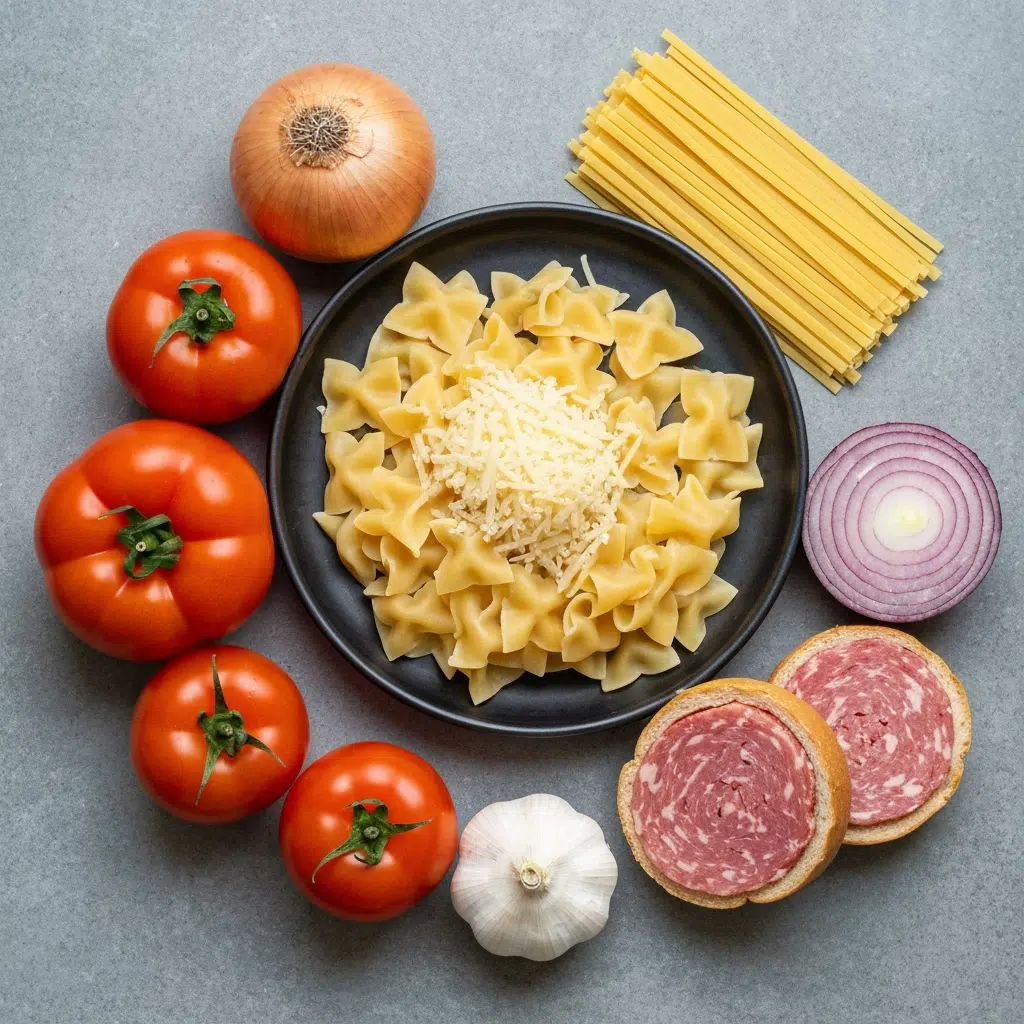
Crockpot Chicken Fajitas

The humble bell pepper is the true hero of this dish, transforming into meltingly sweet, tender strips as it slow cooks. Paired with juicy chicken and bold spices, it creates the perfect Crockpot Chicken Fajitas filling. I remember the first time I made this for my family on a hectic Tuesday. My daughter had soccer practice, my son needed help with a science project, and I was staring at the clock wondering how dinner would ever happen.

That was the day this recipe became our weeknight savior. It is more than just a meal; it is a promise that even on the busiest days, you can sit down to something vibrant, healthy, and utterly delicious. This recipe is a fantastic addition to any collection of Crockpot Meals for Diabetics.

This particular version of Crockpot Chicken Fajitas holds a special place in my kitchen because it is designed with health in mind. Whether you are managing diabetes, following a low-carb lifestyle, or simply looking for a wholesome family dinner, this recipe delivers incredible flavor without compromise. It is a cornerstone of a thoughtful diabetic friendly meal plan, proving that healthy eating does not have to be complicated or bland.

Table of Contents

  • Ingredients List for Crockpot Chicken Fajitas
  • Step-by-Step Instructions
  • Equipment Needed
  • Why You'll Love This Recipe
  • Healthier Alternatives for the Recipe
  • Serving Suggestions
  • Common Mistakes to Avoid
  • Storing Tips for the Recipe
  • Conclusion
  • FAQs about Crockpot Chicken Fajitas

Ingredients List for Crockpot Chicken Fajitas

Crockpot Chicken Fajitas come together with simple, fresh ingredients that pack a flavorful punch. Here is what you will need to create this easy slow cooker meal.

Crockpot Chicken Fajitas raw ingredients flat lay photo
Crockpot Chicken Fajitas 82

  • 1.5 lbs boneless, skinless chicken breasts or thighs
  • 1 large red bell pepper, sliced
  • 1 large green bell pepper, sliced
  • 1 large yellow onion, sliced
  • 3 cloves garlic, minced
  • 2 tablespoon olive oil
  • 1 tablespoon chili powder
  • 1 teaspoon ground cumin
  • 1 teaspoon smoked paprika
  • ½ teaspoon dried oregano
  • ¼ teaspoon black pepper
  • ½ teaspoon salt (adjust to taste)
  • 1 lime, juiced
  • Fresh cilantro, for garnish

Smart Swaps & Dietary Notes:

  • For a Keto Fajitas version: Serve the filling over a bed of lettuce or in low-carb tortillas.
  • Protein Swap: You can easily use turkey breast for a leaner option.
  • Spice Level: Add a pinch of cayenne pepper or a diced jalapeño for some heat.

Timing for Your Crockpot Chicken Fajitas

  • Prep time: 15 minutes
  • Cook time: 4-6 hours on Low or 2-3 hours on High
  • Total time: 4 hours 15 minutes (minimum)

This hands-off cooking time is what makes it one of the best diabetic friendly meal ideas for busy weeknights.

Step-by-Step Instructions

Creating this healthy dinner is a straightforward process that yields maximum flavor.

Step 1: Prepare the Vegetables and Chicken

Slice the bell peppers and onion into uniform strips. This ensures they cook evenly and become perfectly tender. Pat the chicken dry with a paper towel.

Step 2: Season the Chicken

In a small bowl, mix the chili powder, cumin, smoked paprika, oregano, salt, and black pepper. Drizzle the chicken with one tablespoon of olive oil and rub the spice mixture evenly over all sides. This step is crucial for building a deep, flavorful base for your Crockpot Chicken Fajitas.

Step 3: Layer the Slow Cooker

Place the sliced onions and bell peppers at the bottom of your slow cooker. Add the minced garlic. Place the seasoned chicken on top of the vegetable bed. Drizzle with the remaining tablespoon of olive oil. The vegetables will steam and release their juices, creating a natural sauce and preventing the chicken from drying out.

Step 4: Cook to Perfection

Cover and cook on LOW for 4-6 hours or on HIGH for 2-3 hours. The chicken is done when it shreds easily with a fork. About 30 minutes before serving, shred the chicken directly in the slow cooker using two forks and stir it back into the peppers and onions. Squeeze the fresh lime juice over the top and stir. This bright, acidic finish wakes up all the flavors.

Step 5: Serve and Enjoy

Serve your Crockpot Chicken Fajitas hot with your favorite toppings. Let everyone build their own plate for a fun, interactive meal.

Nutritional Information

This recipe is a powerhouse of nutrition, making it an excellent choice for blood sugar management. A typical serving (about 1.5 cups of the chicken and vegetable mixture, without tortillas) contains approximately:

  • Calories: 250
  • Protein: 28g
  • Carbohydrates: 10g
  • Fiber: 3g
  • Fat: 10g
  • Sugar: 5g

Bell peppers are rich in Vitamin C, while the lean protein from the chicken helps promote satiety. This makes it a fantastic addition to any cardiac diabetic diet food list or prediabetes meals to eat plan.

Equipment Needed

You do not need any fancy tools for this easy diabetic recipes. The main piece of equipment is, of course, a 6-quart or larger slow cooker. You will also need a good chef's knife and cutting board for prepping the vegetables.

Why You'll Love This Recipe

This Crockpot Chicken Fajitas recipe is a game-changer for so many reasons.

  • Effortless Cooking: It is the ultimate set-it-and-forget-it meal. Just a few minutes of prep in the morning rewards you with a ready-to-eat dinner.
  • Diabetic-Friendly: With its balanced macros and low sugar content, it is one of the top diabetic foods for a satisfying main course.
  • Family-Friendly: The customizable nature of fajitas means even picky eaters can build a plate they love.
  • Perfect for Meal Prep: This recipe doubles easily and stores beautifully, making it a star for your diabetic meal prep routine.
  • Incredibly Versatile: The leftovers can be repurposed into salads, omelets, or lettuce wraps the next day.

If you love the convenience of this dish, you will find more inspiration in our complete guide to Crockpot Meals for Diabetics.

Healthier Alternatives for the Recipe

This recipe is naturally adaptable to various dietary needs.

Recipe variation for 3

  • Low-Carb/Keto: Serve in butter lettuce cups or on a bed of cauliflower rice instead of tortillas.
  • Dairy-Free: The recipe is naturally dairy-free. Just be mindful of your topping choices, opting for guacamole or dairy-free sour cream.
  • Higher Fiber: Add a can of rinsed black beans during the last 30 minutes of cooking.
  • Lower Sodium: Omit the added salt and use a no-salt-added chili powder blend.

For another fantastic low carb recipe using your slow cooker, try this Low Carb Pulled Chicken.

Serving Suggestions

The beauty of these Crockpot Chicken Fajitas is in the presentation. Set up a fajita bar with small bowls of toppings and let everyone dig in.

  • Low-Carb Vessels: Large lettuce leaves (like romaine or butter lettuce) or low-carb tortillas.
  • Toppings: Fresh cilantro, diced avocado or guacamole, a dollop of Greek yogurt or sour cream, pico de gallo, or a sprinkle of cotija cheese.
  • Side Dishes: A simple side salad, Mexican-style cauliflower rice, or a black bean and corn salad would complement this meal perfectly.

This serving style makes it one of the most versatile and good meals for diabetics.

Common Mistakes to Avoid

A few small missteps can impact your final dish. Here is how to avoid them.

  • Overcooking the Chicken: Cooking on high for too long can make the chicken dry. Stick to the recommended times and always check for doneness. The chicken should shred easily but not be mushy.
  • Cutting Vegetables Too Thin: If the peppers and onions are sliced too thinly, they can turn to mush during the long cooking process. Aim for ¼ to ½-inch thick strips.
  • Skipping the Fresh Lime Juice: The acid at the end is not just a garnish. It balances the richness of the spices and is essential for the final flavor profile.
  • Adding Liquid: Do not be tempted to add broth or water. The vegetables and chicken release plenty of moisture as they cook.

Storing Tips for the Recipe

This recipe is a meal prep dream. Proper storage ensures you can enjoy it all week long.

Crockpot Chicken Fajitas with colorful bell peppers and cilantro
Crockpot Chicken Fajitas 83

  • Refrigeration: Allow the fajita mixture to cool completely before transferring it to an airtight container. It will keep in the refrigerator for up to 4 days.
  • Freezing: This dish freezes exceptionally well. Portion it into freezer-safe bags or containers, removing as much air as possible. It can be frozen for up to 3 months. Thaw overnight in the refrigerator before reheating.
  • Reheating: Gently reheat in a skillet on the stovetop over medium heat or in the microwave until heated through. This helps maintain the best texture.

For another freezer-friendly and hearty option, this Crockpot Turkey Chili is a fantastic choice.

Conclusion

These Crockpot Chicken Fajitas are more than just a recipe; they are a reliable solution for a nourishing, stress-free dinner. They prove that managing your health, whether through a diabetic diet meal ideas or a general focus on wellness, can be simple and deeply satisfying. The slow cooker does all the heavy lifting, filling your home with an irresistible aroma and delivering a meal that everyone will love.

I would love to hear how your Crockpot Chicken Fajitas turn out. Did your family go back for seconds? What were your favorite toppings? Share your experience in the comments below. And if you are looking for more easy diabetic meal recipes with a different flavor profile, this Slow Cooker Lemon Garlic Chicken is a must-try. Do not forget to tag @Stacksipsnack on Instagram so I can see your beautiful creations.

FAQs about Crockpot Chicken Fajitas

How long does it take to cook chicken fajitas in a Crock-Pot?

Typically, 3-4 hours on high or 6-8 hours on low. Chicken breasts usually cook faster than thighs.

Do you cut chicken before or after cooking in slow cooker fajitas?

It's generally recommended to cook whole chicken breasts or thighs and then shred or slice them u003cstrongu003eafteru003c/strongu003e cooking. This helps keep the chicken moist and prevents it from drying out.

Do you cook chicken before putting it in slow cooker fajitas?

No, pre-cooking the chicken is not necessary. The slow cooker will cook the raw chicken thoroughly along with the other ingredients.

What kind of chicken is best for fajitas?

Boneless, skinless chicken breasts are most common for their lean texture. Boneless, skinless chicken thighs can also be used for a juicier, richer flavor.

How do you keep fajitas from getting soggy in a slow cooker?

To prevent soggy vegetables, add the bell peppers and onions during the u003cstrongu003elast 30-60 minutesu003c/strongu003e of cooking on high, or 1-2 hours on low. This keeps them tender-crisp rather than mushy. Also, avoid adding excessive liquid.

Can you freeze crock pot chicken fajitas?

Yes, cooked crockpot chicken fajitas freeze very well. Allow them to cool completely, then store in an airtight container or freezer bag for up to 3 months. Thaw overnight in the refrigerator before reheating.

💬 Let’s Stay Connected!
For daily recipes, kitchen tips, and exclusive content, follow me on:
👉 Facebook for behind-the-scenes & community fun
👉 Pinterest for visual inspiration & meal ideas
👉 X (Twitter) for quick tips & trending recipes

📲 Join the flavor journey, your next favorite recipe is just a follow away!
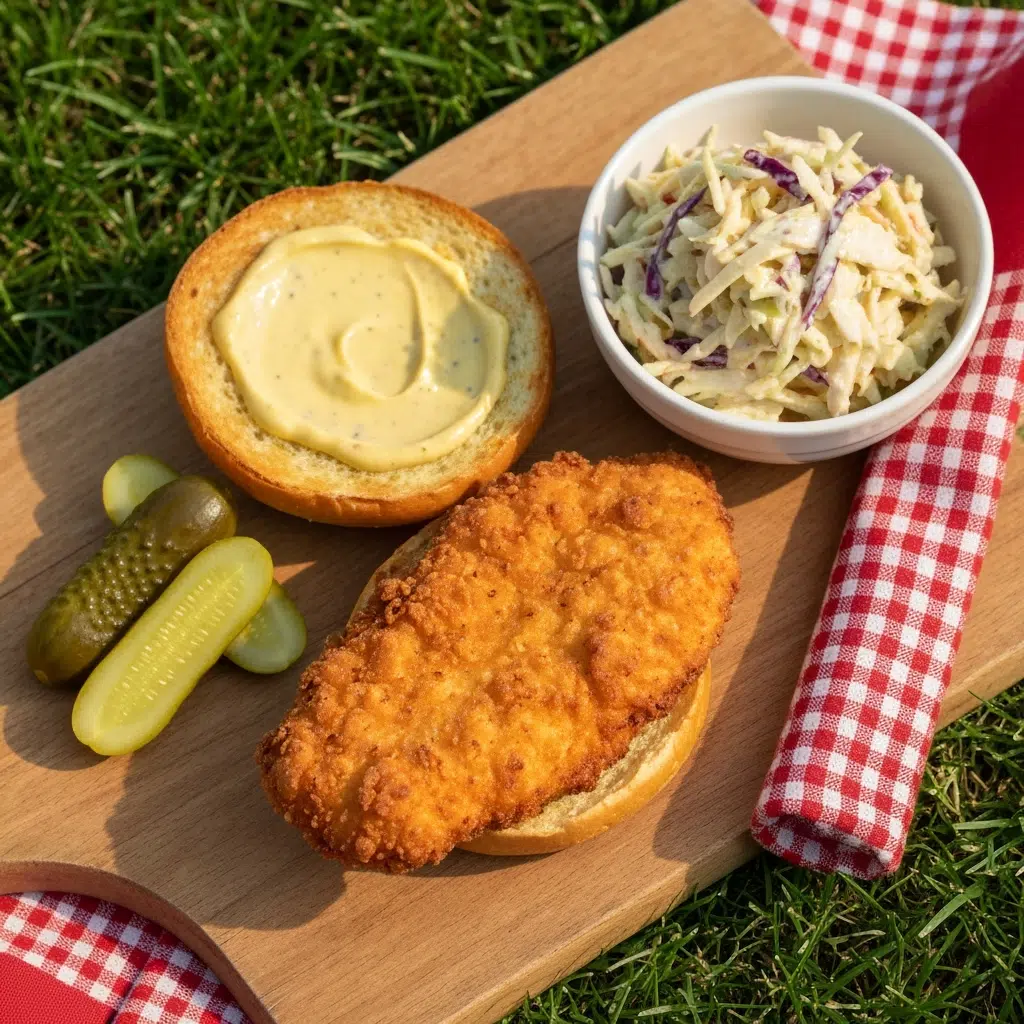
Slow Cooker Cauliflower Curry

The aroma of warm spices filled my kitchen as I lifted the lid, revealing a dish that transformed a simple weeknight into something special. This slow cooker cauliflower curry has become my go-to for a comforting, hands-off meal that always satisfies. As someone who juggles family life and health goals, I understand the challenge of finding recipes that are both delicious and suitable for specific dietary needs, like managing blood sugar. This particular slow cooker cauliflower curry recipe was born from that very need, a flavorful, hearty meal that requires minimal effort but delivers maximum comfort. It’s the kind of dish that makes you feel like a kitchen hero, even on your busiest days.

Table of Contents

  • Ingredients List
  • Step-by-Step Instructions
  • Equipment Needed
  • Why You’ll Love This Recipe
  • Healthier Alternatives for the Recipe
  • Serving Suggestions
  • Common Mistakes to Avoid
  • Storing Tips for the Recipe
  • Conclusion
  • FAQs about Slow Cooker Cauliflower Curry

Ingredients List

Slow Cooker Cauliflower Curry comes together with simple, wholesome ingredients that pack a nutritional punch. You likely have most of these in your pantry right now.

Slow cooker cauliflower curry ingredients arranged for cooking Slow Cooker Cauliflower Curry
Slow Cooker Cauliflower Curry 87

  • 1 large head of cauliflower, cut into florets
  • 1 can (14 oz) chickpeas, drained and rinsed
  • 1 can (14 oz) diced tomatoes, undrained
  • 1 medium onion, finely chopped
  • 3 cloves garlic, minced
  • 1 tablespoon fresh ginger, grated
  • 1 can (13.5 oz) light coconut milk
  • 2 tablespoons tomato paste
  • 2 tablespoons curry powder
  • 1 teaspoon ground turmeric
  • ½ teaspoon cumin
  • ¼ teaspoon cayenne pepper (optional, for heat)
  • 3 cups fresh spinach
  • Salt and black pepper to taste
  • Fresh cilantro for garnish

Smart Swaps: For a keto cauliflower curry, you can omit the chickpeas. If you don't have coconut milk, a cup of vegetable broth with a tablespoon of cream cheese blended in will create a similar creamy texture. This flexibility makes it a fantastic base for many low-carb vegetarian meals.

Timing

  • Prep time: 15 minutes
  • Cook time: 4-6 hours on Low or 2-3 hours on High
  • Total time: As little as 2 hours and 15 minutes

That’s nearly 50% less hands-on time than many stovetop curries, giving you back your evening.

Step-by-Step Instructions

Creating this diabetic-friendly masterpiece is as simple as layering ingredients and letting the slow cooker work its magic.

Step 1: Prepare the Aromatics

In a small skillet over medium heat, sauté the onion, garlic, and ginger until softened and fragrant, about 3-4 minutes. This step is optional but highly recommended, as it deepens the flavor base of your curry immensely.

Step 2: Layer the Ingredients

Add the cauliflower florets and drained chickpeas to the slow cooker insert. Spoon the sautéed onion mixture over the top. In a medium bowl, whisk together the diced tomatoes, coconut milk, tomato paste, and all the spices (curry powder, turmeric, cumin, cayenne). Pour this flavorful sauce over the cauliflower and chickpeas.

Step 3: Cook to Perfection

Give everything a gentle stir to ensure the sauce coats the vegetables. Cover and cook on LOW for 5-6 hours or on HIGH for 2-3 hours. The cauliflower should be tender but not mushy.

Step 4: Finish with Greens

About 15 minutes before serving, stir in the fresh spinach. It will wilt perfectly in the residual heat. Season with salt and pepper to taste.

Nutritional Information

This recipe is a powerhouse of nutrition, making it an excellent choice for anyone looking for the best food for diabetic patients. Per serving (approximately 1.5 cups):

  • Calories: 215
  • Carbohydrates: 28g
  • Dietary Fiber: 9g
  • Net Carbs: 19g
  • Protein: 8g
  • Fat: 9g

It's rich in Vitamin C from the cauliflower, iron from the spinach, and anti-inflammatory compounds from turmeric and ginger. The high fiber content helps manage blood sugar levels, making it a true star among diabetic slow cooker recipes.

Equipment Needed

You don't need any fancy gadgets for this easy weeknight dinner. A standard 4 to 6-quart slow cooker is the main event. You'll also need a good chef's knife for prepping the vegetables and a mixing bowl for combining the sauce ingredients.

Why You’ll Love This Recipe

This slow cooker cauliflower curry earns a permanent spot in your meal rotation for so many reasons.

  • Effortless Cooking: It’s the definition of "set it and forget it," freeing you up for more important things.
  • Diabetic-Friendly: With its balanced macros and low sugar profile, it’s a meal you can feel good about.
  • Incredibly Adaptable: Easily adjust the spice level, swap proteins, or add different vegetables based on what you have.
  • Perfect for Meal Prep: This curry tastes even better the next day, making it a fantastic option for your diabetic meal prep.
  • Family-Approved: It’s a delicious way to get everyone to eat their vegetables without any fuss.

Healthier Alternatives for the Recipe

One of the best things about this curry is how easily it adapts to various dietary plans, including a cardiac diabetic diet food list.

Recipe variation for 3

  • For a Keto or Very Low-Carb Diet: Omit the chickpeas and use full-fat coconut milk. You can also add in some chopped broccoli or zucchini for more bulk.
  • To Increase Protein: Stir in a cup of cooked red lentils or add firm tofu cubes during the last hour of cooking.
  • For a Creamier Texture: Swap the light coconut milk for full-fat, or blend a portion of the finished curry and stir it back in.
  • To Reduce Sodium: Use no-salt-added diced tomatoes and low-sodium chickpeas.

Serving Suggestions

A great curry is all about the accompaniments. Here are a few of my favorite ways to serve it.

  • For a Complete Meal: Serve over a half-cup of brown rice, quinoa, or cauliflower rice to keep it a low-carb vegetarian meal.
  • With Toppings: A dollop of plain Greek yogurt, a sprinkle of fresh cilantro, a squeeze of lime juice, or a few chopped peanuts add wonderful texture and freshness.
  • As Part of a Larger Spread: It pairs beautifully with a simple cucumber salad or some warm, whole-wheat naan bread for dipping.

If you love this approach to easy diabetic recipes, you might also enjoy our Crockpot Vegetable Quinoa, which offers a similar hands-off cooking experience.

Common Mistakes to Avoid

Even the simplest recipes can have pitfalls. Here’s how to ensure your curry turns out perfectly every time.

  • Overcooking the Cauliflower: Cooking on high for too long can turn the cauliflower to mush. Check for tenderness at the lower end of the cook time.
  • Skipping the Sauté: While you can add raw onions and garlic, taking five minutes to sauté them first unlocks a depth of flavor that is well worth the extra effort.
  • Forgetting to Season at the End: Spices mellow during long cooking. Always taste and adjust the salt and pepper at the very end to make the flavors pop.
  • Adding the Spinach Too Early: If you add the spinach at the beginning, it will completely disintegrate. Stirring it in at the end ensures you get lovely green ribbons throughout.

Storing Tips for the Recipe

This curry is a meal prep dream. Proper storage means you can enjoy it all week long.

Storage tips for 3

  • Refrigerator: Allow the curry to cool completely before transferring it to an airtight container. It will keep in the fridge for up to 4 days.
  • Freezer: This curry freezes exceptionally well. Portion it into freezer-safe bags or containers, leaving a little space for expansion. It will maintain its quality for up to 3 months. Thaw overnight in the refrigerator before reheating.
  • Reheating: Gently warm it in a saucepan over medium-low heat on the stovetop, or microwave single portions in a microwave-safe bowl, stirring occasionally.

For more make-ahead inspiration, check out our guide to Crockpot Meals for Diabetics, filled with ideas for your weekly diabetic friendly meal plan.

Conclusion

This slow cooker cauliflower curry is more than just a recipe; it’s a reliable solution for busy days, a comforting bowl of goodness, and a smart choice for your health. It proves that diabetic-friendly recipes can be bursting with flavor and utterly satisfying. I hope this slow cooker cauliflower curry finds its way to your table and brings you as much joy and ease as it has brought to mine.

I’d love to hear how you made it your own! What variations did you try? Share your creations with me in the comments below, and don’t forget to tag @Stacksipsnack on Instagram so I can see your beautiful meals.

If you're building out your weekly menu, our Slow Cooker Lentil Soup and Slow Cooker Ratatouille are two more fantastic, flavor-packed options for your collection of easy diabetic meal recipes.

FAQs about Slow Cooker Cauliflower Curry

Can you put raw cauliflower in a slow cooker?

Yes, absolutely. Raw cauliflower florets cook beautifully in a slow cooker, absorbing the curry flavors and becoming tender. Add them towards the beginning of the cooking time for best results in your slow cooker cauliflower curry.

Does cauliflower get mushy in slow cooker?

Cauliflower can become quite tender, but if overcooked significantly, it may become mushy. To prevent this when making slow cooker cauliflower curry, add florets later in the cooking cycle (e.g., the last hour or two on low) or use larger florets.

How long does it take to cook cauliflower in a slow cooker?

For tender cauliflower in a slow cooker cauliflower curry, it typically takes 3-4 hours on high or 6-8 hours on low, depending on the size of the florets and your slow cooker model.

What spices go well with cauliflower curry?

Classic Indian spices like turmeric, cumin, coriander, garam masala, and chili powder are excellent for slow cooker cauliflower curry. Fresh ginger, garlic, and a touch of fenugreek also enhance the flavor profile.

Can you freeze slow cooker cauliflower curry?

Yes, slow cooker cauliflower curry freezes very well. Allow it to cool completely, then transfer to airtight freezer-safe containers or bags. It can be stored for up to 3 months. Thaw overnight in the fridge and reheat gently.

How do you thicken slow cooker cauliflower curry?

To thicken slow cooker cauliflower curryu, you can mash some of the cooked cauliflower against the side of the pot, stir in a cornstarch slurry (1 tablespoon cornstarch mixed with 2 tablespoon cold water) during the last 30 minutes, or reduce the sauce by simmering on the stovetop after slow cooking.

💬 Let’s Stay Connected!
For daily recipes, kitchen tips, and exclusive content, follow me on:
👉 Facebook for behind-the-scenes & community fun
👉 Pinterest for visual inspiration & meal ideas
👉 X (Twitter) for quick tips & trending recipes

📲 Join the flavor journey, your next favorite recipe is just a follow away!

Slow Cooker Oats with Cinnamon & Berries

The gentle hum of my slow cooker fills the kitchen, transforming humble oats into a creamy, dreamy breakfast while I sleep. Waking to the warm scent of cinnamon and sweet berries feels like a cozy morning hug, making the day ahead instantly brighter. As someone who manages blood sugar levels, I used to dread breakfast options that were either time-consuming to make or sent my glucose on a rollercoaster. That all changed when I perfected this Slow Cooker Oats with Cinnamon & Berries recipe. It has become my go-to diabetic breakfast that requires minimal effort but delivers maximum comfort and nutrition.

This approach to healthy oatmeal has revolutionized my mornings. Instead of rushing through breakfast prep, I simply toss everything into the slow cooker before bed and wake up to a ready-made, blood sugar friendly meal that keeps me satisfied for hours. The combination of fiber-rich oats, metabolism-boosting cinnamon, and antioxidant-packed berries creates a symphony of flavors that feels indulgent while being genuinely good for you. Whether you are following a specific diabetic meal plan or simply seeking easy meal prep solutions, this recipe adapts beautifully to various dietary needs.

Table of Contents

  • Ingredients for Slow Cooker Oats with Cinnamon & Berries
  • Step-by-Step Instructions
  • Nutritional Information
  • Equipment Needed
  • Why You Will Love This Recipe
  • Healthier Alternatives for the Recipe
  • Serving Suggestions
  • Common Mistakes to Avoid
  • Storing Tips for the Recipe
  • Conclusion
  • FAQs about Slow Cooker Oats with Cinnamon & Berries

Ingredients for Slow Cooker Oats with Cinnamon & Berries

Slow Cooker Oats with Cinnamon & Berries begins with simple, wholesome ingredients that work together to create a balanced diabetic breakfast. Each component has been carefully selected to provide sustained energy without spiking blood sugar levels.

  • 1 cup steel-cut oats (not quick oats)
  • 4 cups water
  • 1 cup unsweetened almond milk (or milk of choice)
  • 2 cups mixed berries (fresh or frozen)
  • 2 teaspoons ground cinnamon
  • 1 teaspoon vanilla extract
  • ¼ teaspoon salt
  • Optional: 1-2 tablespoons chia seeds for extra fiber
  • Optional toppings: additional fresh berries, chopped nuts, sugar-free syrup

For those exploring a cardiac diabetic diet food list, this recipe fits perfectly. The oats provide soluble fiber that helps manage cholesterol, while the berries offer heart-protective antioxidants. If you are looking for prediabetes meals to eat, this slow cooker oatmeal provides the right balance of complex carbohydrates and fiber to help maintain stable blood glucose levels.

Timing for Preparation

  • Prep time: 5 minutes
  • Cook time: 6-8 hours on low
  • Total time: 6-8 hours, 5 minutes active

The beauty of this method is that the active prep time is incredibly short – just five minutes before bed means you wake up to a ready breakfast. Compared to traditional stovetop oatmeal that requires constant stirring and attention, this slow cooker version saves both time and effort while developing deeper, more complex flavors.

Step-by-Step Instructions

Step 1: Combine Dry Ingredients

Add the steel-cut oats, cinnamon, and salt to your slow cooker. The steel-cut oats are essential here as they hold up better during the long cooking process compared to rolled oats, which can become mushy. The cinnamon not only adds warmth and flavor but also contains compounds that may help improve insulin sensitivity.

Step 2: Add Liquids and Berries

Pour in the water and almond milk, then add the berries and vanilla extract. If you are using frozen berries (which I often do for convenience and cost), there is no need to thaw them first. The frozen berries will release their juices slowly during cooking, creating a naturally sweetened mixture that needs no added sugar.

Step 3: Cook Overnight

Cover and cook on low for 6-8 hours. The long, gentle cooking allows the oats to slowly absorb the liquid, resulting in a creamy texture that cannot be achieved with quick cooking methods. I typically set this up around 10 PM and it is perfectly ready by 6 AM. If you prefer a thicker consistency, you can reduce the liquid slightly, but I find this ratio creates the ideal creamy oatmeal texture.

Step 4: Stir and Serve

In the morning, give the oats a good stir to incorporate any berries that may have risen to the top. The oats will have absorbed most of the liquid and created a wonderfully creamy consistency. Serve immediately with your favorite toppings.

Nutritional Information

One serving of this Slow Cooker Oats with Cinnamon & Berries (approximately 1 cup) contains approximately:

  • Calories: 180
  • Carbohydrates: 32g
  • Fiber: 6g
  • Protein: 7g
  • Fat: 3g
  • Sugar: 6g (naturally occurring from berries)

The high fiber content from both the steel-cut oats and berries makes this an excellent choice for blood sugar management. The combination of complex carbohydrates and fiber ensures a slow release of glucose into the bloodstream, preventing the sharp spikes that can occur with more processed breakfast options. This nutritional profile aligns well with recommendations for the best food for diabetic patients – whole foods that are minimally processed and rich in fiber.

Equipment Needed

  • 4-quart or larger slow cooker
  • Measuring cups and spoons
  • Spoon for stirring
  • Storage containers if meal prepping

The slow cooker is the star here, doing all the work while you rest. I recommend using a slow cooker with an automatic warm setting if possible, as this will keep your oats at the perfect temperature if you wake up earlier than expected. For those interested in more diabetic slow cooker recipes, check out our collection of Crockpot Meals for Diabetics that includes everything from soups to main dishes.

Why You Will Love This Recipe

This Slow Cooker Oats with Cinnamon & Berries recipe has become a staple in my kitchen for several compelling reasons. First, it simplifies busy mornings – waking up to a ready-made breakfast feels luxurious and sets a positive tone for the entire day. Second, it supports stable blood sugar levels, which is crucial for anyone managing diabetes or prediabetes. The combination of high fiber and low sugar makes this one of those easy diabetic recipes you will return to again and again.

Third, the customization options are endless. While I love the classic cinnamon and berry combination, you can easily adapt this base recipe to include different spices, fruits, or even add protein powder for an extra boost. Fourth, it is incredibly cost-effective – making breakfast at home with simple ingredients is far more economical than purchasing pre-made options or eating out. Finally, the meal prep potential is outstanding. This recipe makes 4-6 servings that store beautifully in the refrigerator for up to 5 days, making it perfect for easy diabetic meal prep throughout the week.

Healthier Alternatives for the Recipe

This Slow Cooker Oats with Cinnamon & Berries recipe is wonderfully adaptable to various dietary needs and preferences. For a protein boost that can help with satiety and blood sugar management, consider stirring in a scoop of vanilla or unflavored protein powder after cooking. If you are following a specific meal plan for diabetics that emphasizes low glycemic impact, you could reduce the oats to ¾ cup and add ¼ cup of quinoa for additional protein and variety.

Slow Cooker Oats with Cinnamon & Berries variation

For those needing gluten-free options, ensure you use certified gluten-free oats. If dairy is a concern, the recipe already uses almond milk, but you can substitute with any plant-based milk you prefer. Coconut milk would add richness, while oat milk would maintain the oat flavor profile. If you are looking to reduce carbohydrates further, you could replace half the oats with riced cauliflower – it sounds unusual but blends remarkably well with the other flavors while adding volume and nutrients without significant carbs.

Serving Suggestions

The beauty of this Slow Cooker Oats with Cinnamon & Berries is how beautifully it accepts various toppings and accompaniments. For added crunch and healthy fats, I love sprinkling chopped walnuts or almonds on top. A tablespoon of ground flaxseed or hemp hearts adds omega-3 fatty acids and additional fiber. If you prefer a creamier texture, a dollop of Greek yogurt provides protein and tanginess that complements the sweet berries.

For those mornings when you need extra sustenance, consider serving with a side of scrambled eggs or turkey sausage for a balanced meal that covers all macronutrients. If you are following a specific diabetic friendly meal plan that includes specific fruit portions, you can adjust the berry quantity in the recipe and add fresh berries as a topping instead. The versatility of this base recipe makes it suitable for various dietary approaches, from a slow carb diet meal plan to more general healthy eating patterns.

Common Mistakes to Avoid

While this Slow Cooker Oats with Cinnamon & Berries recipe is quite forgiving, there are a few common pitfalls to avoid for the best results. First, do not use quick oats or rolled oats instead of steel-cut oats. The texture will become mushy and unappealing after the long cooking time. Steel-cut oats maintain their texture beautifully and provide that perfect chewy consistency.

Second, resist the urge to add sweeteners during cooking. The berries provide natural sweetness, and any additional sweeteners can be added individually according to personal preference and dietary needs after cooking. Third, do not skip the salt – it might seem counterintuitive in a sweet dish, but salt enhances all the other flavors and prevents the oats from tasting flat. Finally, avoid lifting the lid during cooking if possible, as this releases heat and can extend the cooking time needed.

Storing Tips for the Recipe

This Slow Cooker Oats with Cinnamon & Berries stores exceptionally well, making it ideal for diabetic meal prep throughout the week. Allow the oats to cool completely before transferring to airtight containers. They will keep in the refrigerator for up to 5 days. The texture will thicken as it cools, which is perfectly normal.

Storage tips for 3

When ready to eat, simply add a splash of milk or water and reheat in the microwave or on the stovetop, stirring occasionally until warmed through. The oats can also be frozen for up to 3 months. I like to portion individual servings into freezer-safe containers or bags for quick grab-and-go breakfasts. To reheat from frozen, add to a bowl with a tablespoon of water and microwave in 30-second intervals, stirring between each, until hot and creamy.

Conclusion

This Slow Cooker Oats with Cinnamon & Berries has genuinely transformed my breakfast routine, offering a delicious, nutritious option that supports my health goals without sacrificing flavor or convenience. As one of my favorite diabetic slow cooker recipes, it exemplifies how simple ingredients can come together to create something truly special with minimal effort. The warm spices and sweet berries make each bowl feel like a treat, while the nutritional profile keeps me energized and satisfied throughout the morning.

If you are building your collection of easy diabetic recipes, this is one to bookmark and make regularly. The method works equally well for those managing prediabetes, following a cardiac diabetic diet food list, or simply seeking healthier breakfast alternatives. I would love to hear how this recipe works in your kitchen – what toppings did you try? Did it become part of your weekly meal plan for diabetics? Share your experience in the comments below, and don't forget to tag @Stacksipsnack on Instagram so I can see your beautiful breakfast creations.

For more inspiration on diabetic-friendly cooking, explore our other slow cooker favorites like Slow Cooker Apple Cinnamon Steel Cut Oats for another comforting breakfast option, or venture into savory territory with our Slow Cooker Lentil Soup for a equally nutritious meal that supports blood sugar management.

FAQs about Slow Cooker Oats with Cinnamon & Berries

What type of oats are best for slow cooker oats?

Steel-cut oats are generally recommended for slow cooker recipes as they maintain their texture better and resist turning mushy, even after extended cooking. Rolled oats can be used, but will yield a creamier, softer result.

Can I use frozen berries in slow cooker oats?

Yes, frozen berries are perfectly suitable for slow cooker oats. Add them directly from frozen; they will thaw during cooking and infuse the oats with their flavor and color without needing extra liquid.

How long do slow cooker oats take to cook?

Typically, steel-cut oats cook for 2-4 hours on the LOW setting or 6-8 hours on the WARM setting in a slow cooker. Cooking times can vary slightly depending on your specific slow cooker model and desired consistency.

What is the ideal liquid-to-oat ratio for slow cooker oats?

For a good starting point with steel-cut oats, use a ratio of 3-4 parts liquid (water, milk, or a combination) to 1 part oats. Adjust in future batches for a thicker or thinner consistency according to your preference.

Can I prepare slow cooker oats ahead of time?

Absolutely. Slow cooker oats are excellent for meal prep. Once cooked, store cooled portions in an airtight container in the refrigerator for up to 3-5 days. Reheat gently in the microwave or on the stovetop, adding a splash of liquid if needed.

Why are my slow cooker oats watery or too thick?

Watery oats often indicate too much liquid or insufficient cooking time. Conversely, overly thick oats usually mean not enough liquid was used or they cooked for too long. Adjust your liquid ratio and cooking duration for future batches to achieve your preferred consistency.

💬 Let’s Stay Connected!
For daily recipes, kitchen tips, and exclusive content, follow me on:
👉 Facebook for behind-the-scenes & community fun
👉 Pinterest for visual inspiration & meal ideas
👉 X (Twitter) for quick tips & trending recipes

📲 Join the flavor journey, your next favorite recipe is just a follow away!

Slow Cooker White Bean Soup

My kids always ask for seconds when this creamy, savory soup is on the table. It's a family-friendly meal that pleases even the pickiest of eaters with its mild, comforting flavors. As someone who manages blood sugar levels while feeding a busy family, I've perfected this Slow Cooker White Bean Soup to be both delicious and diabetic-friendly. There's something magical about coming home to a house filled with the aroma of simmering beans and vegetables, knowing a nutritious meal is ready and waiting.

This Slow Cooker White Bean Soup has become my go-to solution for hectic weekdays when I want something wholesome without spending hours in the kitchen. The beauty of this recipe lies in its simplicity and adaptability. Whether you're following a specific diabetic meal plan or simply looking for a comforting, healthy soup, this dish delivers on flavor and nutrition without compromising on taste. The slow cooker does all the work while you go about your day, making it perfect for anyone seeking easy diabetic recipes that don't skimp on satisfaction.

Table of Contents

  • Ingredients List for Slow Cooker White Bean Soup
  • Step-by-Step Instructions
  • Nutritional Information
  • Equipment Needed
  • Why You'll Love This Recipe
  • Healthier Alternatives for the Recipe
  • Serving Suggestions
  • Common Mistakes to Avoid
  • Storing Tips for the Recipe
  • Conclusion
  • FAQs about Slow Cooker White Bean Soup

Ingredients List for Slow Cooker White Bean Soup

Slow Cooker White Bean Soup Ingredients for 3

Slow Cooker White Bean Soup starts with simple, wholesome ingredients that work together to create a balanced meal perfect for blood sugar management. Here's what you'll need:

2 cups dried great northern beans or cannellini beans, rinsed and sorted
1 large onion, diced
3 carrots, peeled and chopped
3 celery stalks, chopped
4 cloves garlic, minced
8 cups low-sodium vegetable broth or chicken broth
1 bay leaf
1 teaspoon dried thyme
1 teaspoon smoked paprika
½ teaspoon black pepper
2 cups fresh spinach or kale
2 tablespoons olive oil
1 tablespoon lemon juice
Salt to taste (add at the end)

For extra flavor, consider adding a Parmesan rind while cooking or topping with fresh parsley before serving. If you're short on time, you can substitute dried beans with 4 cans of low-sodium white beans, though the texture will be slightly different. This ingredient list aligns perfectly with a cardiac diabetic diet food list, focusing on whole foods that support overall health.

Timing

Prep time: 15 minutes
Cook time: 6-8 hours on low or 3-4 hours on high
Total time: 6 hours 15 minutes to 8 hours 15 minutes

The hands-off cooking time makes this recipe about 80% more efficient than traditional stovetop methods, giving you back precious time while still enjoying a homemade meal.

Step-by-Step Instructions

Step 1: Prepare the Vegetables

Start by dicing your onion, chopping carrots and celery, and mincing garlic. The uniform size of your vegetable cuts will ensure even cooking throughout the soup. I like to do this prep the night before and store everything in an airtight container in the refrigerator to make morning assembly even quicker.

Step 2: Combine Base Ingredients

Add the sorted and rinsed dried beans to your slow cooker along with the prepared vegetables. Pour in the broth and add the bay leaf, thyme, smoked paprika, and black pepper. Give everything a gentle stir to distribute the seasonings evenly. Remember not to add salt at this stage as it can toughen the beans during the long cooking process.

Step 3: Cook to Perfection

Cover and cook on low for 6-8 hours or on high for 3-4 hours. The beans should be tender but not mushy when done. If you're using canned beans instead of dried, add them during the last hour of cooking to prevent them from becoming too soft.

Step 4: Finish and Serve

Once the beans are tender, remove the bay leaf and stir in the fresh spinach or kale, olive oil, and lemon juice. The greens will wilt perfectly in the hot soup. Now is the time to taste and add salt if needed. The lemon juice brightens all the flavors and helps balance the richness of the beans.

Nutritional Information

This Slow Cooker White Bean Soup delivers exceptional nutritional value with approximately:
Calories: 245 per serving
Protein: 15g
Carbohydrates: 42g
Fiber: 12g
Sugar: 6g
Fat: 3g

The high fiber content from the beans and vegetables makes this a low glycemic soup that helps maintain stable blood sugar levels. White beans are particularly rich in resistant starch and soluble fiber, which slow digestion and prevent blood sugar spikes. They're also packed with magnesium and potassium, minerals that support heart health and insulin sensitivity. This nutritional profile makes it an excellent choice for prediabetes meals to eat regularly.

Equipment Needed

6-quart or larger slow cooker
Cutting board and chef's knife
Measuring cups and spoons
Ladle for serving
Storage containers for leftovers

Why You'll Love This Recipe

This Slow Cooker White Bean Soup checks all the boxes for a perfect family meal. First, it's incredibly convenient - just toss everything in the cooker and forget about it until dinner time. Second, it's budget-friendly, using affordable pantry staples to create a nourishing meal. Third, it's highly adaptable to different dietary needs and preferences. Fourth, the leftovers taste even better the next day, making it ideal for meal prep. Finally, it genuinely satisfies both health goals and taste buds, which can be challenging with diabetic-friendly recipes.

Healthier Alternatives for the Recipe

Slow Cooker White Bean Soup Recipe variation for 3

For those following specific dietary plans, this Slow Cooker White Bean Soup adapts beautifully. To make it vegan, use vegetable broth and skip any dairy-based toppings. For a heartier version, add diced chicken breast or turkey sausage during the last hour of cooking. If you're monitoring sodium intake, use no-salt-added broth and increase the herbs and spices for flavor. For extra vegetables, add zucchini, mushrooms, or bell peppers. Those following a low-purine diet will appreciate that white beans are generally better tolerated than other legumes.

Serving Suggestions

This versatile Slow Cooker White Bean Soup pairs wonderfully with different accompaniments depending on your needs. For a complete meal, serve with a side of whole grain bread or crackers. A simple green salad with vinaigrette dressing complements the soup's richness beautifully. If you're looking for more protein, top with grilled chicken strips or a sprinkle of Parmesan cheese. For those interested in building a complete diabetic friendly meal plan, this soup works excellently as a lunch centerpiece or light dinner.

Common Mistakes to Avoid

The most common mistake with any bean soup is adding salt too early, which can prevent the beans from becoming properly tender. Always season at the end of cooking. Another error is overcooking, which turns the beans mushy - check for doneness beginning at the minimum cooking time. Don't skip the acid component like lemon juice or vinegar at the end, as it brightens the flavors significantly. Avoid using old beans that have been in your pantry for years, as they take much longer to cook and may never properly soften.

Storing Tips for the Recipe

Slow Cooker White Bean Soup Storage tips for 3

This Slow Cooker White Bean Soup stores beautifully, making it perfect for meal prep. Allow the soup to cool completely before transferring to airtight containers. It will keep in the refrigerator for up to 5 days. For longer storage, freeze in portion-sized containers for up to 3 months. The soup thickens as it cools, so you may need to add a little broth or water when reheating. To reheat, simply warm on the stovetop over medium heat or microwave individual portions until hot.

Conclusion

This Slow Cooker White Bean Soup has earned its place as a staple in my kitchen rotation, and I'm confident it will in yours too. It represents everything I love about easy crockpot meals - simplicity, nutrition, and incredible flavor that develops effortlessly throughout the day. Whether you're managing diabetes, feeding a family, or simply seeking comforting nourishment, this soup delivers on all fronts.

The beauty of this recipe is how easily it fits into various healthy eating patterns, from diabetic meal prep to general wellness cooking. If you enjoyed this Slow Cooker White Bean Soup, you might also love our Slow Cooker Lentil Soup or Slow Cooker Minestrone Soup for similar convenient, healthy options. For more inspiration on bean-based slow cooker recipes, explore our collection of crockpot meals for diabetics that take the stress out of healthy eating.

I'd love to hear how this recipe works for your family! Share your experience in the comments or tag @Stacksipsnack on Instagram with your creations. Happy, healthy cooking.

FAQs about Slow Cooker White Bean Soup

Do you need to soak white beans before slow cooking?

While not strictly necessary for most recipes, soaking white beans overnight can help reduce cooking time and improve digestibility by breaking down some complex sugars. If using unsoaked beans, ensure adequate cooking liquid and adjust cooking time accordingly.

How long does it take for white beans to soften in a slow cooker?

Unsoaked white beans typically take 6-8 hours on low or 3-4 hours on high in a slow cooker to become tender. Soaked beans may cook slightly faster, often within 4-6 hours on low. Always check for tenderness before serving.

Can I put raw beans in a slow cooker?

Yes, you can put raw (unsoaked) white beans directly into a slow cooker. However, it's crucial to ensure they are fully cooked to eliminate toxins, especially for kidney beans. White beans generally cook well from dry in a slow cooker, requiring plenty of liquid and sufficient cooking time.

Why are my white beans still hard after cooking?

If white beans remain hard, it's often due to insufficient cooking time, too little liquid, or adding acidic ingredients (like tomatoes or lemon juice) too early in the cooking process, which can prevent beans from softening. Very old beans can also be stubborn.

What can I add to white bean soup for flavor?

To enhance flavor in slow cooker white bean soup, consider ingredients like sautéed aromatics (onions, garlic, carrots, celery), herbs (rosemary, thyme, bay leaf), smoked ham hock or bacon, vegetable or chicken broth, and a splash of olive oil or balsamic vinegar at the end.

Can you slow cook beans without soaking?

Absolutely. Most dry beans, including white beans, can be slow cooked without prior soaking. Just be sure to rinse them thoroughly, use ample cooking liquid (at least 3-4 cups of water or broth per cup of beans), and allow for the longer cooking times mentioned above.

💬 Let’s Stay Connected!
For daily recipes, kitchen tips, and exclusive content, follow me on:
👉 Facebook for behind-the-scenes & community fun
👉 Pinterest for visual inspiration & meal ideas
👉 X (Twitter) for quick tips & trending recipes

📲 Join the flavor journey, your next favorite recipe is just a follow away!
Slow Cooker Ratatouille

The gentle hum of my slow cooker fills the kitchen, promising a meal that practically makes itself. This effortless Slow Cooker Ratatouille fills the house with the earthy aroma of simmering vegetables, a comforting scent that signals dinner is nearly ready. As someone who manages blood sugar levels while feeding a busy family, I have come to treasure recipes that deliver both incredible flavor and nutritional balance without demanding hours of my attention. This particular Slow Cooker Ratatouille has become a cornerstone of my diabetic meal prep rotation, transforming humble vegetables into a vibrant, satisfying stew that feels both rustic and elegant.

What makes this version special is how it honors the classic French dish while adapting perfectly for modern health needs. Traditional ratatouille requires careful layering and precise timing, but our slow cooker approach lets the ingredients meld together effortlessly while you go about your day. The result is a diabetic-friendly ratatouille that’s rich in fiber, low in natural sugars, and bursting with Mediterranean flavors. Whether you are following a cardiac diabetic diet food list or simply seeking wholesome prediabetes meals to eat, this recipe delivers nourishment without compromise. It is one of those easy diabetic recipes that proves healthy eating does not have to be complicated or bland.

For more inspiration on building a complete plate, check out our guide on Crockpot Meals for Diabetics, which includes pairing ideas.

Table of Contents

  • Ingredients List for Slow Cooker Ratatouille
  • Step-by-Step Instructions for Slow Cooker Ratatouille
  • Equipment Needed for Slow Cooker Ratatouille
  • Why You Will Love This Recipe
  • Healthier Alternatives for the Recipe
  • Serving Suggestions for Slow Cooker Ratatouille
  • Common Mistakes to Avoid
  • Storing Tips for the Recipe
  • Conclusion
  • FAQs about Slow Cooker Ratatouille

Ingredients List for Slow Cooker Ratatouille

Slow Cooker Ratatouille Ingredients for 3

Slow Cooker Ratatouille begins with fresh, colorful vegetables that create a symphony of flavors as they cook down together. This high-fiber recipe relies on the natural sweetness of seasonal produce rather than added sugars, making it ideal for those monitoring their glucose levels. Here is what you will need:

1 large eggplant, cubed (about 1 pound)
2 medium zucchini, sliced into half-moons
1 large yellow onion, chopped
1 red bell pepper, chopped
1 yellow bell pepper, chopped
3 cloves garlic, minced
1 can (28 ounces) crushed tomatoes
2 tablespoons tomato paste
1 tablespoon olive oil
1 teaspoon dried oregano
1 teaspoon dried basil
½ teaspoon dried thyme
1 bay leaf
Salt and black pepper to taste
Fresh basil or parsley for garnish

For those following specific dietary plans, consider these smart swaps: substitute summer squash for zucchini, use fire-roasted tomatoes for deeper flavor, or add a pinch of red pepper flakes for heat. The beauty of this Crockpot ratatouille lies in its flexibility while maintaining its diabetic-friendly profile.

Timing for Your Slow Cooker Ratatouille

Prep time: 15 minutes
Cook time: 6-8 hours on low or 3-4 hours on high
Total time: 6 hours 15 minutes to 8 hours 15 minutes

This hands-off approach makes it perfect for busy weekdays or when you want to come home to a ready-made meal. Compared to traditional stovetop methods that require constant stirring, this slow cooker version saves about 30 minutes of active cooking time while developing even deeper flavors.

Step-by-Step Instructions for Slow Cooker Ratatouille

Creating this healthy vegetable stew could not be simpler. The slow cooker does most of the work, transforming raw vegetables into a meltingly tender dish with minimal effort from you.

Step 1: Prepare the Vegetables

Wash and chop all vegetables into uniform, bite-sized pieces. Cutting them consistently ensures even cooking throughout the slow cooking process. The eggplant, zucchini, bell peppers, and onion should be roughly the same size.

Step 2: Layer Ingredients in Slow Cooker

Place the chopped eggplant, zucchini, onions, and bell peppers in your slow cooker. Add the minced garlic, dried herbs, salt, and pepper. Drizzle with olive oil and toss gently to coat the vegetables with seasonings.

Step 3: Add Tomato Base

In a small bowl, mix the crushed tomatoes with tomato paste until well combined. Pour this mixture over the vegetables in the slow cooker. Add the bay leaf but do not stir everything together completely – this allows the vegetables to steam properly while maintaining some texture.

Step 4: Cook to Perfection

Cover and cook on low for 6-8 hours or on high for 3-4 hours. The ratatouille is ready when the vegetables are tender but not mushy. During the last 30 minutes of cooking, you can remove the lid to allow some liquid to evaporate if you prefer a thicker consistency.

Step 5: Serve and Garnish

Remove the bay leaf and discard. Taste and adjust seasoning if needed. Garnish with fresh basil or parsley before serving. The fresh herbs add a bright note that complements the deep, developed flavors of the slow-cooked vegetables.

Pro tip: For even more flavor development, you can lightly sauté the onions and garlic before adding them to the slow cooker, though this is optional for truly effortless preparation.

Nutritional Information for Slow Cooker Ratatouille

This diabetic-friendly ratatouille is not just delicious but packed with nutritional benefits. Per serving (approximately 1.5 cups):
Calories: 125
Carbohydrates: 24g
Fiber: 8g
Sugars: 14g (natural from vegetables)
Protein: 5g
Fat: 3g

Key vitamins and minerals include Vitamin C (78% DV), Vitamin A (42% DV), potassium (28% DV), and folate (18% DV). The high fiber content helps regulate blood sugar absorption, making it an excellent choice for low glycemic meals. Eggplant provides nasunin, a powerful antioxidant, while tomatoes contribute lycopene, which becomes more bioavailable through slow cooking.

Equipment Needed for Slow Cooker Ratatouille

You do not need fancy equipment to make this comforting dish. The essentials include:
A 6-quart or larger slow cooker
A good chef s knife
Cutting board
Measuring spoons
Mixing bowl for combining tomato ingredients

That is it! This minimal equipment requirement makes Slow Cooker Ratatouille accessible to cooks of all experience levels. If you are building your collection of diabetic slow cooker recipes, this is a perfect place to start.

Why You Will Love This Recipe

This Slow Cooker Ratatouille earns a permanent spot in your recipe rotation for several compelling reasons. First, it is incredibly forgiving – the slow cooking process tenderizes vegetables gradually, so even if your chopping is not perfectly uniform, the results will still be delicious. Second, it fits numerous dietary needs simultaneously: diabetic-friendly, vegetarian, gluten-free, and packed with nutrients that support overall health. Third, it makes meal prep effortless – this recipe yields generous portions that reheat beautifully throughout the week.

The flavor profile develops beautifully during the slow cooking process, creating a depth that belies the simple ingredients. Unlike many easy diabetic recipes that can taste bland or medicinal, this ratatouille celebrates natural vegetable flavors enhanced by herbs and slow caramelization. It is also budget-friendly, using affordable seasonal produce to create a dish that feels special enough for company but practical enough for Tuesday dinner.

Healthier Alternatives for the Recipe

Slow Cooker Ratatouille Recipe variation for 3

While this Slow Cooker Ratatouille is already quite healthy, you can customize it to meet specific dietary preferences or what you have on hand. For a protein boost that makes it more substantial, add one cup of cooked lentils or chickpeas during the last hour of cooking. If you are monitoring sodium intake, use no-salt-added canned tomatoes and reduce or omit the added salt.

For those following a low-purine diet, this recipe is naturally ideal as it contains no meat, seafood, or yeast extracts. The vegetables used are generally low in purines, making it a safe choice. If you prefer a thicker stew, you can add ¼ cup of quinoa during the last two hours of cooking, which will absorb excess liquid while adding complete protein.

If nightshades are a concern, substitute eggplant with chopped celery root and use pumpkin puree instead of tomatoes. The flavor profile will change but remain delicious. For additional heart-healthy fats, drizzle with extra virgin olive oil just before serving.

Serving Suggestions for Slow Cooker Ratatouille

This versatile dish can be enjoyed in numerous ways depending on your preferences and nutritional needs. Serve it as a standalone stew in deep bowls, perhaps with a sprinkle of Parmesan cheese if dairy is acceptable in your diet. For a more substantial meal, spoon it over cooked quinoa, brown rice, or whole wheat pasta to create complete diabetic meals.

It makes an excellent side dish alongside grilled chicken or fish for those incorporating lean proteins. For a French bistro experience, top with a fried egg and serve with a slice of whole grain bread to soak up the delicious juices. Leftovers can be used as a filling for omelets, a topping for baked potatoes, or blended with vegetable broth to create a quick soup.

When planning your diabetic friendly meal plan, consider pairing this ratatouille with our Slow Cooker Lentil Soup for variety throughout the week. Both dishes offer plant-based nutrition with the convenience of slow cooker preparation.

Common Mistakes to Avoid

Even with a forgiving recipe like Slow Cooker Ratatouille, a few missteps can affect the final result. First, avoid cutting vegetables too small – they will break down excessively during the long cooking time. Aim for 1-inch pieces that maintain some texture. Second, do not skip salting the eggplant if you have time – while not essential, salting and draining eggplant before cooking can reduce bitterness and prevent it from absorbing too much oil.

Third, resist the urge to stir too frequently – every time you remove the lid, significant heat escapes and adds to the cooking time. Fourth, do not overcook on high heat – if you are short on time, 3-4 hours on high is sufficient; extending beyond this can make vegetables mushy. Finally, remember to remove the bay leaf before serving – while it adds wonderful flavor during cooking, it remains tough and inedible.

Storing Tips for the Recipe

Slow Cooker Ratatouille Storage tips for 3

This Slow Cooker Ratatouille stores beautifully, making it ideal for diabetic meal prep. Allow the ratatouille to cool completely before transferring to airtight containers. Refrigerated, it will keep for up to 5 days. The flavors often improve after a day or two as the ingredients continue to meld.

For longer storage, freeze portions in freezer-safe containers or bags for up to 3 months. To reheat, thaw overnight in the refrigerator if frozen, then warm gently on the stovetop or in the microwave. You may need to add a splash of water or vegetable broth when reheating if the consistency has thickened too much during storage.

If you are creating a 7 day meal plan for kidney disease or other specific dietary needs, this ratatouille can be portioned accordingly and paired with appropriate grains or proteins throughout the week.

Conclusion

This Slow Cooker Ratatouille represents everything I love about cooking for health and pleasure simultaneously. It honors the tradition of rustic French cooking while adapting perfectly to modern nutritional needs and busy schedules. As a diabetic-friendly, high-fiber dish, it delivers both satisfaction and nourishment in every bowl. The slow cooker method transforms simple ingredients into something truly special with minimal effort from the cook.

I hope this recipe becomes a trusted favorite in your kitchen as it has in mine. Whether you are managing diabetes, cooking for someone with dietary restrictions, or simply seeking wholesome comfort food, this ratatouille delivers on all fronts. For more inspiration for your diabetic meal plan, explore our collection of Crockpot meals for diabetics that includes everything from soups to main dishes designed for health and flavor.

I would love to hear how your Slow Cooker Ratatouille turns out! Share your experience in the comments below or tag @Stacksipsnack on Instagram with your creations. Your variations and success stories inspire our entire community to cook and eat well.

FAQs about Slow Cooker Ratatouille

Can you put raw vegetables in a slow cooker?

Yes, most vegetables, including those typically found in ratatouille like zucchini, eggplant, and bell peppers, can be added to a slow cooker raw. They will soften and cook thoroughly over the extended cooking time, absorbing flavors from the other ingredients.

Do you have to cook vegetables before putting them in a slow cooker?

Generally, no. While sautéing aromatics like onions and garlic can deepen their flavor, and browning certain vegetables like eggplant or zucchini can add complexity, it's not strictly necessary for slow cooker ratatouille. The long cooking time ensures all vegetables become tender from raw.

Should eggplant be peeled for ratatouille?

Peeling eggplant for ratatouille is a matter of personal preference. Younger, smaller eggplants typically have tender skin that doesn't require peeling. For larger or older eggplants with potentially tougher skin, peeling can contribute to a smoother, more uniform texture in the final dish.

Is ratatouille better the next day?

Many agree that ratatouille, like many stews and vegetable dishes, often tastes even better the next day. The flavors have more time to meld and deepen as the dish rests, resulting in a richer, more harmonious taste when reheated.

How long does ratatouille last in the fridge?

Slow cooker ratatouille, when stored properly in an airtight container, will typically last for 3-4 days in the refrigerator. Ensure it cools completely before transferring it to the fridge.

Can you freeze cooked ratatouille?

Yes, cooked ratatouille freezes exceptionally well. Allow it to cool completely, then transfer it to freezer-safe containers or heavy-duty freezer bags. It can be stored in the freezer for up to 3 months. Thaw overnight in the refrigerator before gently reheating.

💬 Let’s Stay Connected!
For daily recipes, kitchen tips, and exclusive content, follow me on:
👉 Facebook for behind-the-scenes & community fun
👉 Pinterest for visual inspiration & meal ideas
👉 X (Twitter) for quick tips & trending recipes

📲 Join the flavor journey, your next favorite recipe is just a follow away!

Low-Carb Pulled Chicken

Have you ever found yourself staring into the refrigerator at 5 PM, feeling that familiar dread about what to make for dinner that won't spike your blood sugar? I've been there more times than I'd like to admit. It was during one of those chaotic weeknights, trying to balance my family's cravings with my own health goals, that this recipe for Low-Carb Pulled Chicken was born. This isn't just another slow cooker recipe, it's a lifesaver for anyone managing diabetes, following a keto lifestyle, or simply wanting a healthier alternative to traditional comfort food.

Low-Carb Pulled Chicken has become the cornerstone of my diabetic friendly meal prep routine. The beauty of this dish lies in its simplicity and versatility. You toss a few ingredients into your slow cooker in the morning, and by dinnertime, you have a tender, flavorful protein that can be transformed into multiple meals throughout the week. Whether you're building a cardiac diabetic diet food list or simply looking for easy diabetic recipes, this slow cooker chicken delivers on both flavor and nutrition. For more inspiration on building a complete plate, check out our guide on Crockpot Meals for Diabetics, which includes pairing ideas.

Table of Contents

  • Low-Carb Pulled Chicken Ingredients
  • Preparation and Cooking Time
  • Step-by-Step Instructions
  • Nutritional Information
  • Equipment Needed
  • Why You'll Love This Recipe
  • Healthier Alternatives for the Recipe
  • Serving Suggestions
  • Common Mistakes to Avoid
  • Storing Tips for the Recipe
  • Conclusion
  • FAQs about Low-Carb Pulled Chicken

Low-Carb Pulled Chicken Ingredients

Creating this diabetic friendly recipe starts with quality ingredients that work together to create deep, satisfying flavors without the sugar and carbs that can disrupt blood sugar management. The foundation of any great low carb pulled chicken is, of course, the chicken itself. I prefer using chicken thighs for their richer flavor and ability to stay moist during long cooking, but breast meat works beautifully too if you're watching your fat intake.

Here's what you'll need for this healthy slow cooker meal:

  • 2 pounds boneless, skinless chicken thighs or breasts
  • 1 cup sugar free chicken broth (vegetable broth works too)
  • 1 medium onion, thinly sliced
  • 3 cloves garlic, minced
  • 1 tablespoon smoked paprika
  • 1 teaspoon garlic powder
  • 1 teaspoon onion powder
  • ½ teaspoon black pepper
  • ½ teaspoon salt (adjust to your dietary needs)
  • 2 tablespoons sugar free tomato paste
  • 1 tablespoon apple cider vinegar
  • 1 teaspoon liquid smoke (optional but recommended for that authentic barbecue flavor)

For those following specific dietary protocols, this recipe easily adapts to various needs. If you're building a low-purine diet recipes collection, you'll be pleased to know that chicken is generally considered a lower-purine protein option compared to red meats and organ meats. The seasonings here are all purine-friendly as well.

Preparation and Cooking Time

One of the most appealing aspects of this keto pulled chicken is how little hands-on time it requires. The slow cooker does nearly all the work, making this perfect for busy days when you still want to serve a wholesome, home-cooked meal.

  • Prep time: 10 minutes
  • Cook time: 4-6 hours on low or 2-3 hours on high
  • Total time: 4 hours 10 minutes to 6 hours 10 minutes

Compared to many diabetic slow cooker recipes that require extensive pre-cooking or complicated steps, this recipe is remarkably straightforward. The actual hands-on preparation takes less time than scrolling through social media while deciding what to order for delivery. That twenty minutes you might spend waiting for takeout? That's all the active time needed to get this meal started.

Step-by-Step Instructions

Step 1: Prepare Your Ingredients

Start by prepping your vegetables and measuring out your seasonings. Thinly slice the onion and mince the garlic. Having everything ready before you begin makes the process smooth and efficient. This mise en place approach is especially helpful when you're preparing multiple meals for diabetic meal prep throughout the week.

Step 2: Season the Chicken

Place your chicken in the slow cooker insert. In a small bowl, mix together the smoked paprika, garlic powder, onion powder, black pepper, and salt. Sprinkle this seasoning mixture evenly over the chicken, turning the pieces to coat both sides. Don't worry about being perfect, the slow cooking process will distribute the flavors beautifully.

Step 3: Add Remaining Ingredients

Scatter the sliced onions and minced garlic over the seasoned chicken. In the same small bowl you used for the seasonings, whisk together the sugar free chicken broth, sugar free tomato paste, apple cider vinegar, and liquid smoke if using. Pour this mixture over the chicken and vegetables. The liquid should come about halfway up the chicken pieces, this creates just enough steam to cook the chicken perfectly without making it watery.

Step 4: Cook to Perfection

Cover your slow cooker and set it to cook on low for 4-6 hours or on high for 2-3 hours. The chicken is ready when it shreds easily with two forks. I find that chicken thighs become perfectly tender around the 5-hour mark on low, while breasts may be ready slightly sooner. If you're new to slow cooker chicken, remember that slower, lower temperature cooking generally yields more tender results.

Step 5: Shred and Serve

Using two forks, shred the chicken directly in the slow cooker. The chicken will absorb the flavorful cooking liquid as you shred it. For a thicker consistency, you can remove the chicken, transfer the liquid to a saucepan, and simmer until reduced, then pour it back over the shredded chicken. This step is optional but creates an even richer final product.

Nutritional Information

Understanding the nutritional profile of your meals is crucial when managing diabetes or following a specific eating plan. This Low-Carb Pulled Chicken delivers impressive numbers that make it suitable for various health-focused diets.

Per serving (approximately 1 cup shredded chicken):

  • Calories: 210
  • Protein: 28g
  • Fat: 9g
  • Carbohydrates: 4g
  • Fiber: 1g
  • Net Carbohydrates: 3g
  • Sugar: 2g
  • Sodium: 480mg

The high protein content helps maintain muscle mass and promotes satiety, which can prevent overeating. With only 3 grams of net carbohydrates per serving, this dish fits comfortably within keto guidelines and won't cause significant blood sugar spikes. The moderate fat content comes primarily from the chicken itself, making this a heart-smart choice for those concerned about cardiovascular health alongside diabetes management.

Equipment Needed

The beauty of this diabetic friendly recipe lies in its simplicity, and that extends to the equipment required. You likely already have everything needed to make this healthy slow cooker meal.

  • 4-6 quart slow cooker
  • Cutting board
  • Chef's knife
  • Measuring spoons
  • Measuring cups
  • Two forks for shredding
  • Small mixing bowl

If you're building your kitchen arsenal for easy diabetic recipes, a reliable slow cooker is worth the investment. Modern models with programmable timers and warm settings make meal prep even more convenient. For those who prefer alternative cooking methods, this recipe can also be prepared in an Instant Pot using the slow cook function or pressure cooked on high for 15 minutes with natural release.

Why You'll Love This Recipe

This Low-Carb Pulled Chicken has earned a permanent spot in my meal rotation for several compelling reasons that go beyond its diabetic friendly credentials.

It's incredibly versatile. This shredded chicken becomes the foundation for countless meals throughout your week. Use it in lettuce wraps for a crunchy lunch, atop a salad for a protein-packed dinner, or mixed with cauliflower rice for a hearty bowl. This adaptability makes it perfect for those following a slow carb diet meal plan who need variety to stay motivated.

The hands-off cooking method transforms busy weeknights. There's something profoundly satisfying about coming home to a meal that's essentially ready to eat. The aroma that greets you when you open the door is worth the minimal morning effort alone. This convenience factor cannot be overstated for anyone managing a busy schedule alongside health goals.

It's budget-friendly without sacrificing quality. Chicken thighs are typically more affordable than breasts, and the simple seasonings are pantry staples for most home cooks. This recipe proves that eating well doesn't require expensive specialty ingredients or complicated techniques.

The flavor profile satisfies comfort food cravings without derailing health goals. The smoky, savory notes from the paprika and liquid smoke create that familiar barbecue experience without the sugar-heavy sauces that typically accompany pulled meats. This makes it easier to stick to your dietary plan while still enjoying deeply satisfying meals.

It freezes and reheats beautifully. Make a double batch and portion it for future easy diabetic meal recipes. Having this pre-cooked protein in your freezer is like money in the bank on those days when cooking feels impossible.

Healthier Alternatives for the Recipe

Low carb pulled chicken lettuce cups with coleslaw, Low-Carb Pulled Chicken
Low-Carb Pulled Chicken 98

While this Low-Carb Pulled Chicken recipe is already quite healthy, several simple modifications can tailor it to specific dietary needs or ingredient availability.

For a spicier version, add ½ teaspoon of cayenne pepper or chipotle powder to the seasoning mix. The capsaicin in spicy peppers may offer metabolic benefits, though those with sensitive stomachs should proceed cautiously.

If you're avoiding nightshades, omit the paprika and tomato paste. Increase the garlic and onion powders, and add a teaspoon of turmeric for color and anti-inflammatory benefits. A tablespoon of coconut aminos can add depth to replace the umami notes from the tomato paste.

For an even lower sodium version, use no-salt-added broth and reduce or eliminate the added salt. The natural flavors from the vegetables and seasonings still create a satisfying dish. Herbs like rosemary, thyme, or oregano can enhance flavor without sodium.

If you prefer a tangier profile, increase the apple cider vinegar to two tablespoons or add a tablespoon of sugar free pickle brine at the end. The acidity helps balance the richness of the chicken.

For those incorporating more vegetables, add sliced bell peppers, carrots, or celery during the last hour of cooking. These additions increase fiber and nutrients while maintaining the low carb integrity of the dish.

Serving Suggestions

The true magic of this Low-Carb Pulled Chicken reveals itself in its incredible versatility at mealtime. Here are some of my favorite ways to enjoy this diabetic friendly protein throughout the week.

For a classic sandwich experience without the carbs, serve the pulled chicken in crisp lettuce cups or between two portobello mushroom caps. Top with sugar free coleslaw for crunch and creaminess. This combination hits all the textural notes of a traditional pulled chicken sandwich while keeping carbohydrates in check.

Create a nourishing bowl by starting with a base of cauliflower rice or zucchini noodles. Add the pulled chicken, then top with avocado slices, a sprinkle of cheese if tolerated, and a dollop of sugar free barbecue sauce. This makes for a complete meal that's as visually appealing as it is delicious.

For a quick lunch, stuff the chicken into bell pepper halves and bake until the peppers are tender. The natural sweetness of the roasted peppers complements the smoky chicken beautifully. This preparation works well for meal plan for diabetics that require portable options.

Incorporate it into your breakfast routine by adding it to an omelet or frittata. The protein boost helps stabilize blood sugar throughout the morning, and the savory flavor pairs wonderfully with eggs. This is an excellent strategy for those following a prediabetes meals to eat protocol that emphasizes protein at breakfast.

For a simple dinner, serve the chicken alongside roasted vegetables. Brussels sprouts, broccoli, and asparagus all roast beautifully and make perfect companions to the tender pulled chicken. Drizzle with a little olive oil and season with herbs for a complete, satisfying meal.

Common Mistakes to Avoid

Even with a recipe as forgiving as this Low-Carb Pulled Chicken, a few common missteps can affect your final results. Being aware of these potential pitfalls will ensure your slow cooker chicken turns out perfectly every time.

Overcooking can lead to dry chicken, even in the moist environment of a slow cooker. While chicken thighs are more forgiving than breasts, all chicken will eventually become stringy and dry if cooked too long. Start checking for doneness at the lower end of the recommended cooking time. The chicken should shred easily but still be moist.

Using frozen chicken can extend cooking time significantly and may result in uneven cooking. For best results, use thawed chicken. If you must use frozen, increase the cooking time by 1-2 hours and ensure the chicken reaches a safe internal temperature of 165°F.

Skipping the searing step is actually not a mistake here. Unlike many slow cooker meats that benefit from browning first, this recipe is designed specifically for dump-and-go convenience. The seasonings and cooking method develop sufficient flavor without this extra step.

Adding too much liquid is a common error in slow cooking. The chicken releases its own juices during cooking, so you need less added liquid than you might think. The one cup of broth in this recipe provides just enough moisture without creating a soupy result.

Not tasting and adjusting seasoning at the end is a missed opportunity. Slow cooking can mute seasonings over time. Always taste your finished Low-Carb Pulled Chicken and adjust salt, pepper, or other seasonings before serving. A fresh squeeze of lime juice or sprinkle of fresh herbs at the end can brighten the entire dish.

Storing Tips for the Recipe

Storage tips for 3

Proper storage extends the life of your Low-Carb Pulled Chicken and makes meal prep even more efficient. Follow these guidelines to keep your chicken safe and delicious.

For refrigerator storage, transfer the cooled chicken to an airtight container. It will keep for 3-4 days. The flavor often improves after a day as the seasonings continue to meld. This makes it ideal for preparing on Sunday and enjoying throughout the workweek.

For freezing, portion the chicken into meal-sized amounts in freezer-safe containers or bags. Squeeze out excess air to prevent freezer burn. Properly stored, it maintains quality for up to 3 months. Label with the date and contents for easy identification.

To reheat, thaw frozen chicken in the refrigerator overnight if possible. For small portions, microwave at 50% power in 30-second intervals, stirring between each, until heated through. For larger amounts, reheat in a saucepan over medium-low heat, adding a tablespoon or two of broth or water to prevent drying out.

The cooked chicken can be repurposed in countless ways throughout the week. Use it in soups, salads, or as a pizza topping on low-carb crusts. Having this prepared protein on hand makes assembling healthy meals quick and simple, supporting your commitment to diabetic friendly eating.

Conclusion

This Low-Carb Pulled Chicken represents everything I love about practical, health-conscious cooking. It respects your time, your health goals, and your taste buds in equal measure. Whether you're managing diabetes, following a keto lifestyle, or simply seeking healthier weeknight options, this recipe delivers satisfaction without compromise.

The simplicity of preparation belies the depth of flavor achieved through thoughtful seasoning and slow, gentle cooking. That magical transformation of basic ingredients into something truly special never fails to delight me, even after making this dish dozens of times. It's the kind of recipe that builds confidence in the kitchen while supporting your wellbeing.

I'd love to hear how this Low-Carb Pulled Chicken fits into your meal routine. What creative serving ideas did you discover? Did your family enjoy it as much as mine does? Your experiences and adaptations inspire me to continue developing recipes that make healthy eating joyful and accessible.

For more diabetic friendly meal ideas and kitchen guidance, explore the collection of easy diabetic recipes here on Stack Sip Snack. From breakfast to dessert, you'll find plenty of inspiration for eating well without feeling deprived. Don't forget to share your creations with our community by tagging Stack Sip Snack on social media.

FAQs about Low-Carb Pulled Chicken

Is pulled chicken considered low carb?

Yes, plain pulled chicken itself is naturally very low in carbohydrates, as it's primarily protein. The carb content depends almost entirely on the sauce used and any added ingredients.

What can I serve with low-carb pulled chicken?

Excellent low-carb sides include cauliflower rice, steamed green beans, a crisp garden salad with low-carb dressing, roasted broccoli, sautéed spinach, or serving it in lettuce wraps or almond flour tortillas.

How do you make pulled chicken low carb?

To make pulled chicken low carb, ensure you use a sugar-free BBQ sauce or create a homemade one with a keto-friendly sweetener. Avoid high-sugar marinades and starchy thickeners. Slow cooking chicken breasts or thighs until tender and shredding them is the base.

What kind of BBQ sauce is low-carb?

Look for sugar-free or "keto-friendly" BBQ sauces, often sweetened with erythritol, stevia, or monk fruit. You can also make your own using tomato paste, apple cider vinegar, spices, and a low-carb sweetener. Always check nutrition labels for hidden sugars.

Can you freeze low-carb pulled chicken?

Yes, low-carb pulled chicken freezes very well. Allow it to cool completely, then store it in an airtight container or freezer bag for up to 3-4 months. Thaw in the refrigerator overnight before reheating gently.

Is pulled chicken good for a keto diet?

Absolutely, low-carb pulled chicken is an excellent choice for a keto diet. It's high in protein and healthy fats (especially if using chicken thighs) and can be made virtually carb-free by using a keto-approved sauce and serving it with non-starchy vegetables.

💬 Let’s Stay Connected!
For daily recipes, kitchen tips, and exclusive content, follow me on:
👉 Facebook for behind-the-scenes & community fun
👉 Pinterest for visual inspiration & meal ideas
👉 X (Twitter) for quick tips & trending recipes

📲 Join the flavor journey, your next favorite recipe is just a follow away!
Slow Cooker Mediterranean Chicken

Have you ever wished for a dinner that practically cooks itself while filling your home with the most incredible Mediterranean aromas? I certainly have. As someone who juggles family life, work, and the constant quest for healthy meals, my slow cooker has become my most trusted kitchen companion. This Slow Cooker Mediterranean Chicken is one of those magical recipes that delivers incredible flavor with minimal effort, making it perfect for busy weeknights. It’s become a staple in our household, especially since it aligns so beautifully with our goal of eating well without spending hours in the kitchen.

What makes this dish truly special is how it transforms simple, wholesome ingredients into a vibrant, satisfying meal. The combination of tender chicken, sun-dried tomatoes, artichokes, and Kalamata olives creates a symphony of flavors that feels both luxurious and nourishing. Best of all, it’s a diabetic friendly recipe that doesn’t sacrifice taste for health, making it ideal for anyone following a Mediterranean diet or looking for low carb meal options. For more inspiration on building a complete plate, check out our guide on Crockpot Meals for Diabetics, which includes pairing ideas.

Table of Contents

  • Slow Cooker Mediterranean Chicken Ingredients
  • Step-by-Step Instructions
  • Equipment Needed
  • Why You’ll Love This Recipe
  • Healthier Alternatives for the Recipe
  • Serving Suggestions
  • Common Mistakes to Avoid
  • Storing Tips for the Recipe
  • Conclusion
  • FAQs about Slow Cooker Mediterranean Chicken

Slow Cooker Mediterranean Chicken Ingredients

Slow Cooker Mediterranean Chicken comes together with a beautiful array of Mediterranean staples that create layers of flavor while keeping things healthy. Here is what you will need:

Raw ingredients for a vibrant Slow Cooker Mediterranean Chicken
Slow Cooker Mediterranean Chicken 102

  • 2 pounds boneless, skinless chicken breasts or thighs
  • 1 tablespoon olive oil
  • 1 medium yellow onion, thinly sliced
  • 4 cloves garlic, minced
  • 1 cup chicken broth (low sodium)
  • ½ cup sun-dried tomatoes in oil, drained and chopped
  • 1 (14-ounce) can artichoke hearts, drained and quartered
  • ½ cup Kalamata olives, pitted
  • 2 tablespoons capers, drained
  • 1 teaspoon dried oregano
  • ½ teaspoon dried basil
  • ¼ teaspoon red pepper flakes (optional)
  • Salt and black pepper to taste
  • ¼ cup fresh parsley, chopped (for garnish)
  • Juice of one lemon

Smart Substitutions:

  • For a dairy-free version, simply ensure your broth is compliant.
  • You can use frozen artichoke hearts instead of canned.
  • If you do not have Kalamata olives, any other black olives will work.

Timing

  • Prep time: 15 minutes
  • Cook time: 4-6 hours on Low or 2-3 hours on High
  • Total time: 4 hours 15 minutes (on Low setting)

This hands-off cooking time is what makes it such an easy slow cooker winner for a weeknight meal.

Step-by-Step Instructions

Step 1: Prepare the Chicken

Pat the chicken breasts or thighs dry with a paper towel. Season both sides generously with salt and black pepper. This simple step is crucial for building a flavorful base for your Slow Cooker Mediterranean Chicken.

Step 2: Sauté the Aromatics (Optional but Recommended)

For the deepest flavor, heat the olive oil in a skillet over medium heat. Add the sliced onion and cook until softened, about 5 minutes. Add the minced garlic and cook for another minute until fragrant. This quick sauté unlocks their essential oils and gives the dish a richer foundation.

Step 3: Combine in the Slow Cooker

Transfer the sautéed onion and garlic to the insert of your slow cooker. Place the seasoned chicken on top. Scatter the sun-dried tomatoes, artichoke hearts, Kalamata olives, and capers around and over the chicken. Sprinkle the dried oregano, basil, and optional red pepper flakes over everything. Pour the chicken broth evenly over the top.

Step 4: Cook to Perfection

Cover and cook on LOW for 4-6 hours or on HIGH for 2-3 hours. The chicken is done when it is tender and easily shreds with a fork. Cooking on low is generally preferred for the most succulent results.

Step 5: Finish and Serve

Just before serving, stir in the fresh lemon juice and garnish with chopped fresh parsley. The lemon juice brightens all the flavors beautifully.

Nutritional Information

This recipe is not only delicious but also packed with nutritional benefits, making it a fantastic choice for a healthy dinner. Per serving (approximately 1.5 cups):

  • Calories: 320
  • Protein: 35g
  • Carbohydrates: 12g
  • Fat: 14g
  • Fiber: 4g
  • Sugar: 5g

The high protein and fiber content help maintain stable blood sugar levels, aligning it with a cardiac diabetic diet food list and making it one of the best food for diabetic patients. It is naturally low sugar, focusing on complex carbohydrates and healthy fats from olives and olive oil.

Equipment Needed

You do not need anything fancy for this easy diabetic recipe.

  • 6-quart or larger slow cooker
  • Skillet (for the optional sauté step)
  • Cutting board and chef’s knife
  • Measuring cups and spoons

Why You’ll Love This Recipe

This Slow Cooker Mediterranean Chicken is more than just a meal. It is a solution for busy lives and health-conscious goals.

  • Effortless Cooking: It is one of the easiest diabetic slow cooker recipes you will find. Just prep, set, and forget.
  • Diabetic-Friendly: With its balance of lean protein, healthy fats, and low-glycemic vegetables, it is a perfect prediabetes meals to eat option.
  • Meal Prep Hero: This dish tastes even better the next day, making it ideal for diabetic meal prep for the week ahead.
  • Incredibly Versatile: Serve it over cauliflower rice, zucchini noodles, or quinoa to suit your dietary needs.
  • Family-Approved: The vibrant, familiar flavors are a hit with adults and kids alike, solving the puzzle of good meals for diabetics that everyone will enjoy.

Healthier Alternatives for the Recipe

This recipe is wonderfully adaptable. Here are some simple swaps to tailor it to your needs:

Recipe variation for 3

  • Lower Carb: Omit the sun-dried tomatoes and use a full cup of artichoke hearts and olives instead. Serve over a bed of greens instead of grain.
  • Higher Protein: The recipe is already high in protein, but you can add a can of drained cannellini beans in the last 30 minutes of cooking.
  • For a Slow Carb Diet Meal Plan: This recipe is already an excellent fit. Just be mindful of what you serve it with, opting for legumes or lentils as a side.

Serving Suggestions

This versatile chicken dish can be the star of your plate in many ways. For a complete diabetic friendly meal plan, consider these pairings:

  • Over Cauliflower Rice: A classic low carb base that soaks up the delicious juices.
  • With a Side Salad: A simple arugula salad with a lemon vinaigrette complements the Mediterranean flavors perfectly.
  • Alongside Roasted Vegetables: Roasted asparagus or broccoli would be delightful.
  • With Quinoa or Couscous: For those not strictly watching carbs, a fluffy bed of quinoa is a great whole-grain option.

Looking for more inspiration for easy diabetic meal recipes? Check out our collection of healthy casseroles on Stack Sip Snack for more ideas that simplify your week.

Common Mistakes to Avoid

Even an easy recipe can have pitfalls. Avoid these to ensure your Slow Cooker Mediterranean Chicken turns out perfectly every time.

  • Overcooking the Chicken: Especially when using breasts, cooking for too long can lead to dry meat. Check for doneness at the lower end of the time range.
  • Skipping the Sauté: While you can add onions and garlic raw, taking the extra five minutes to sauté them deepens the overall flavor profile significantly.
  • Adding the Lemon Juice Too Early: The fresh lemon juice should be stirred in at the end. Adding it at the beginning can make the chicken tough and give the sauce a bitter taste.
  • Forgetting to Season: Do not be shy with the salt and pepper at the beginning. Seasoning the chicken directly is key.

Storing Tips for the Recipe

This dish stores and reheats beautifully, making it a fantastic option for your weekly diabetic meal ideas.

Storage tips for 3

  • Refrigerator: Allow the chicken to cool completely before transferring it to an airtight container. It will keep in the fridge for up to 4 days.
  • Freezer: This Slow Cooker Mediterranean Chicken freezes exceptionally well. Store in a freezer-safe container or bag for up to 3 months. Thaw overnight in the refrigerator before reheating.
  • Reheating: Gently reheat in a saucepan over medium-low heat on the stovetop, or in the microwave, until warmed through. You may want to add a small splash of broth or water when reheating to loosen the sauce.

Conclusion

This Slow Cooker Mediterranean Chicken truly is a diabetic-friendly dinner you will love. It proves that managing your health through diet does not mean sacrificing flavor or spending your life in the kitchen. It is a reliable, delicious, and nutritious option that fits into so many eating plans, from a 7 day meal plan for kidney disease (check with your doctor for specific modifications) to a general easy meal plan for diabetics.

I hope this recipe brings as much joy and ease to your table as it has to mine. If you give it a try, I would love to hear how it turned out for you. Share your creations and tag Stack Sip Snack on social media. For more guidance on building a balanced plate, our guide to the best food for diabetic person on Stack Sip Snack is a great next read. Happy, healthy cooking.

FAQs about Slow Cooker Mediterranean Chicken

What ingredients are typically in slow cooker Mediterranean chicken?

Common ingredients include chicken (thighs or breasts), diced tomatoes, olives (Kalamata are popular), artichoke hearts, bell peppers, onions, garlic, oregano, basil, and a splash of lemon juice or chicken broth. Feta cheese is often added at the end.

What cut of chicken is best for slow cooker Mediterranean chicken?

Boneless, skinless chicken thighs are generally preferred for slow cooking as they remain moist and tender, and are less likely to dry out than chicken breasts over long cooking times. Breasts can be used but may require a shorter cooking duration.

How long do you cook Mediterranean chicken in a slow cooker?

For most slow cooker models, cook on low for 6-8 hours or on high for 3-4 hours, until the chicken is tender and easily shredded, and reaches an internal temperature of 165F (74C).

Can you prepare slow cooker Mediterranean chicken ahead of time?

Yes, you can prep ingredients ahead by chopping vegetables and storing them in an airtight container in the fridge for up to 2-3 days. You can also assemble all ingredients (except the chicken if using fresh) in the slow cooker insert and refrigerate overnight, then add chicken and cook the next day.

What can you serve with slow cooker Mediterranean chicken?

This dish pairs wonderfully with various sides such as couscous, quinoa, rice, pasta, crusty bread, a simple green salad, or roasted vegetables like asparagus or green beans.

How do you thicken the sauce for slow cooker Mediterranean chicken?

To thicken the sauce, you can remove the chicken, then whisk a cornstarch slurry (1-2 tablespoons cornstarch mixed with an equal amount of cold water) into the liquid in the slow cooker. Cook on high for an additional 15-30 minutes, or until the sauce reaches your desired consistency.

💬 Let’s Stay Connected!
For daily recipes, kitchen tips, and exclusive content, follow me on:
👉 Facebook for behind-the-scenes & community fun
👉 Pinterest for visual inspiration & meal ideas
👉 X (Twitter) for quick tips & trending recipes

📲 Join the flavor journey, your next favorite recipe is just a follow away!

Diabetic Beef & Broccoli

Have you ever craved the comforting taste of takeout but needed a meal that fits perfectly within your health goals? I know that feeling all too well. As someone who regularly cooks for family members managing blood sugar, I understand the constant balancing act between flavor and nutrition.

That is exactly why I developed this Diabetic Beef & Broccoli slow cooker recipe. It delivers all the savory satisfaction of your favorite Chinese restaurant dish, but with a fraction of the sugar and carbs, making it a reliable staple for anyone seeking easy diabetic dinner ideas. Imagine coming home to a kitchen filled with the aroma of tender beef and garlic, knowing a healthy, delicious meal is ready and waiting. This recipe is that reality. For more inspiration on building a complete plate, check out our guide on Crockpot Meals for Diabetics, which includes pairing ideas.

Table of Contents

  • Ingredients List for Diabetic Beef & Broccoli
  • Step-by-Step Instructions for Diabetic Beef & Broccoli
  • Equipment Needed
  • Why You Will Love This Diabetic Beef & Broccoli Recipe
  • Healthier Alternatives for the Recipe
  • Serving Suggestions for Your Easy Diabetic Dinner
  • Common Mistakes to Avoid
  • Storing Tips for the Recipe
  • Conclusion
  • FAQs about Diabetic Beef & Broccoli

Ingredients List for Diabetic Beef & Broccoli

Creating this low sugar diabetic recipes starts with gathering simple, wholesome ingredients. The key is building deep flavor without relying on high-sugar sauces.

For the Beef and Marinade:
1.5 pounds flank steak or sirloin, thinly sliced against the grain
¼ cup coconut aminos or low-sodium soy sauce
2 tablespoons rice vinegar
1 tablespoon sesame oil
3 cloves garlic, minced
1 teaspoon freshly grated ginger
½ teaspoon black pepper

For the Slow Cooker:
1 large head of broccoli, cut into florets (about 4 cups)
1 medium onion, thinly sliced
½ cup beef broth, low-sodium
1 tablespoon oyster sauce (optional, for depth)
1 teaspoon xanthan gum or 2 teaspoons cornstarch (for thickening)

For Serving:
Cauliflower rice or brown rice
Sesame seeds and sliced green onions for garnish

Smart Substitutions: For a strictly sugar free beef and broccoli, double-check your oyster sauce label or omit it. You can use tamari for a gluten-free version. If you are also considering a cardiac diabetic diet food list, you can further reduce the sodium by using homemade broth.

Timing for Your Healthy Slow Cooker Meal

One of the biggest wins with diabetic slow cooker recipes is the hands-off time. This meal practically cooks itself while you go about your day.

Prep time: 15 minutes
Cook time: 4-6 hours on Low or 2-3 hours on High
Total time: 4 hours 15 minutes (minimum)

This timeline is about 80% less active cooking time than a traditional stir-fry, freeing you up completely.

Step-by-Step Instructions for Diabetic Beef & Broccoli

Follow these simple steps for a foolproof, flavorful result every time.

Step 1: Marinate the Beef
In a medium bowl, combine the thinly sliced beef with the coconut aminos, rice vinegar, sesame oil, minced garlic, ginger, and black pepper. Toss until every piece is evenly coated. Let it marinate for at least 15 minutes while you prepare the other ingredients. This step is crucial for infusing the meat with flavor.

Step 2: Layer the Slow Cooker
Spread the sliced onions evenly across the bottom of your slow cooker. This creates a natural bed that will steam and add sweetness. Place the marinated beef and all of its marinade liquid on top of the onions. Pour in the low-sodium beef broth.

Step 3: Cook to Perfection
Cover and cook on LOW for 4-6 hours or on HIGH for 2-3 hours. The beef is done when it is fork-tender. About 30 minutes before the end of the cooking time, add the broccoli florets directly on top of the beef. This ensures they become tender-crisp and not mushy.

Step 4: Thicken the Sauce
In a small bowl, whisk the xanthan gum or cornstarch with two tablespoons of cold water to create a slurry. Stir this mixture into the slow cooker. Replace the lid and cook for the final 30 minutes on HIGH until the sauce has thickened nicely.

Nutritional Information

This Diabetic Beef & Broccoli is not only delicious but also nutritionally balanced, making it one of the best food for diabetic patients.

Per serving (approximately 1.5 cups), based on 4 servings:
Calories: 320
Protein: 35g
Carbohydrates: 12g
Dietary Fiber: 4g
Net Carbohydrates: 8g
Total Fat: 14g
Saturated Fat: 5g

This meal is a fantastic source of high-quality protein and fiber, both of which help maintain stable blood sugar levels. Broccoli is rich in vitamins C and K, and the lean beef provides essential iron and B vitamins.

Equipment Needed

You do not need any fancy tools for this diabetic friendly crockpot recipes.
A 6-quart or larger slow cooker
A sharp knife for slicing the beef and vegetables
A mixing bowl
A small whisk or fork for the thickening slurry

Why You Will Love This Diabetic Beef & Broccoli Recipe

Effortless Preparation: Just chop, dump, and set it. It is the definition of a set-it-and-forget-it meal.
Blood Sugar Friendly: With controlled carbs and no added sugars, this is a safe and satisfying choice for a diabetic diet meal ideas.
Family-Approved Flavor: Even those not following a special diet will ask for seconds of this low carb beef broccoli.
Meal Prep Champion: This dish stores and reheats beautifully, making it perfect for your weekly diabetic meal prep.
Customizable: Easily adapt it to your taste or what you have on hand.

Healthier Alternatives for the Recipe

Diabetic Beef & Broccoli
Diabetic Beef & Broccoli 105

This recipe is wonderfully adaptable. Here are some simple swaps.
For a Keto Version: Serve with cauliflower rice and ensure your sauces are sugar-free. You can find more inspiration for low-carb living in our collection of easy diabetic recipes.
Vegetable Variations: Swap broccoli for bell peppers, snap peas, or zucchini noodles added at the very end.
Extra Protein: Add a can of drained bamboo shoots or water chestnuts for extra fiber and crunch.
For a Low-Purine Diet: This recipe is already a great option, but you can use chicken breast instead of beef for an even lower purine content if needed.

Serving Suggestions for Your Easy Diabetic Dinner

While this dish is a complete meal on its own, here are a few ideas to round out your plate.
For a classic feel, serve it over a half-cup of cooked brown rice or cauliflower rice to keep it a true low sugar diabetic recipes.
Add a fresh, crunchy side like a simple cucumber salad with a rice vinegar dressing.
Sprinkle with sesame seeds and sliced green onions for a pop of color and texture.
Pair it with a warm cup of green tea for a perfectly balanced meal.

Common Mistakes to Avoid

Do not skip marinating the beef. This short step builds a foundation of flavor that permeates the entire dish.
Avoid adding the broccoli at the beginning. It will become overcooked and lose its vibrant color and nutrients.
Do not forget to thicken the sauce. The slurry is what gives the dish its classic, glossy, restaurant-style coating.
Do not overcook the beef. While slow cookers are forgiving, cooking on high for too long can make the beef shred instead of staying in tender slices.

Storing Tips for the Recipe

image
Diabetic Beef & Broccoli 106

This Diabetic Beef & Broccoli makes for excellent leftovers, which is a boon for your diabetic friendly meal plan.
Refrigeration: Store in an airtight container in the refrigerator for up to 4 days.
Freezing: This dish freezes well for up to 3 months. Thaw overnight in the refrigerator before reheating.
Reheating: Reheat gently in a saucepan over medium-low heat on the stove, or in the microwave, stirring occasionally until hot. You may need to add a small splash of beef broth if the sauce has thickened too much upon standing.

Conclusion

This Diabetic Beef & Broccoli slow cooker recipe truly proves that managing your health does not mean sacrificing flavor or convenience. It is a hearty, satisfying, and incredibly easy diabetic dinner idea that supports your wellness goals. If you enjoy this type of slow cooker meal, you might also love our Crockpot Beef Vegetable Soup for another comforting option. I hope it becomes a trusted favorite in your home, just as it has in mine.

I would love to hear how it turned out for you. Share your creations with me by tagging Stack Sip Snack on Instagram. And if you are building your weekly menu, be sure to check out our guide on a 7 day meal plan for kidney disease for more supportive eating ideas. Happy, healthy cooking.

FAQs about Diabetic Beef & Broccoli

Is beef and broccoli good for diabetics?

Yes, it can be an excellent choice if prepared correctly. Focus on lean beef, plenty of broccoli, and a low-sugar, low-sodium sauce to keep it diabetic-friendly.

What Asian foods can a diabetic eat?

Diabetics can enjoy many Asian dishes, emphasizing those rich in vegetables and lean proteins (e.g., chicken, fish, tofu, lean beef). Opt for stir-fries with minimal added sugar and control portion sizes of rice or noodles.

What beef is good for diabetics?

Lean cuts of beef are best for diabetics, such as sirloin, flank steak, tenderloin, or extra-lean ground beef. These provide protein without excessive saturated fat.

Can a type 2 diabetic eat stir-fry?

Absolutely. Stir-fries are highly customizable and can be very beneficial for Type 2 diabetics. Load them with non-starchy vegetables, lean protein, and use a sauce that is low in sugar and sodium, served with a small portion of brown rice or cauli-rice.

What is the best Chinese dish for diabetics?

Dishes like steamed fish with vegetables, chicken or beef stir-fries (with light sauce), or egg drop soup are generally good options. The "best" dishes avoid deep-frying, heavy sweet sauces, and excessive white rice or noodles.

How do you make beef and broccoli healthy?

To make it healthy, use lean beef, load up on broccoli and other non-starchy vegetables, and prepare a sauce from scratch using low-sodium soy sauce, ginger, garlic, a touch of stevia or erythritol instead of sugar, and a cornstarch slurry for thickening. Avoid excessive oil and serve with brown rice or quinoa in moderation.

💬 Let’s Stay Connected!
For daily recipes, kitchen tips, and exclusive content, follow me on:
👉 Facebook for behind-the-scenes & community fun
👉 Pinterest for visual inspiration & meal ideas
👉 X (Twitter) for quick tips & trending recipes

📲 Join the flavor journey, your next favorite recipe is just a follow away!

Slow Cooker Lentil Soup

Have you ever wished for a meal that practically cooks itself while fitting perfectly into your health goals? This Slow Cooker Lentil Soup is that dream come true. It is the ultimate set-it-and-forget-it recipe, delivering a hearty, flavorful bowl of comfort that is as good for your body as it is for your soul. As someone who juggles a busy schedule while trying to eat well, I understand the need for meals that are both convenient and nourishing.

This diabetic friendly lentil soup has become a staple in my kitchen, especially on those days when time is short but a wholesome dinner is non-negotiable. It is packed with plant-based protein and fiber, making it a truly high fiber lentil soup that keeps you full and satisfied. Let's get this easy slow cooker soup started. For more inspiration on building a complete plate, check out our guide on Crockpot Meals for Diabetics, which includes pairing ideas.

Table of Contents

  • Ingredients List for Slow Cooker Lentil Soup
  • Step-by-Step Instructions
  • Equipment Needed
  • Why You Will Love This Recipe
  • Healthier Alternatives for the Recipe
  • Serving Suggestions
  • Common Mistakes to Avoid
  • Storing Tips for the Recipe
  • Conclusion
  • FAQs about Slow Cooker Lentil Soup

Ingredients List for Slow Cooker Lentil Soup

This healthy lentil soup recipe relies on simple, whole ingredients. You likely have most of these in your pantry right now.

1 tablespoon olive oil
1 large yellow onion, diced
2 carrots, peeled and diced
2 celery stalks, diced
3 cloves garlic, minced
1 ½ cups brown or green lentils, rinsed and drained
1 (14.5 oz) can diced tomatoes, undrained
6 cups low-sodium vegetable broth
1 teaspoon dried thyme
½ teaspoon smoked paprika
1 bay leaf
Salt and black pepper to taste
3 cups fresh spinach or kale

Optional garnish: Fresh parsley or a squeeze of lemon juice

Timing for Your Soup

Prep time: 15 minutes
Cook time: 6-8 hours on Low or 3-4 hours on High
Total time: As little as 3 hours and 15 minutes

Step-by-Step Instructions

Making this blood sugar friendly soup is incredibly straightforward. Just a few minutes of prep in the morning rewards you with a delicious dinner.

Step 1: Sauté the Aromatics
For the deepest flavor, heat the olive oil in a skillet over medium heat. Add the onion, carrots, and celery and cook until they begin to soften, about 5-7 minutes. Stir in the garlic and cook for one more minute until fragrant. This step is optional but highly recommended.

Step 2: Combine in the Slow Cooker
Transfer the sautéed vegetables to your slow cooker. Add the rinsed lentils, diced tomatoes, vegetable broth, dried thyme, smoked paprika, and the bay leaf. Stir everything together until well combined.

Step 3: Cook to Perfection
Cover and cook on Low for 6-8 hours or on High for 3-4 hours. The soup is ready when the lentils are tender and the flavors have melded beautifully.

Step 4: Finish and Serve
About 15 minutes before serving, stir in the fresh spinach or kale until it wilts. Remove the bay leaf. Season with salt and pepper to taste. Ladle into bowls and garnish if desired.

Nutritional Information

This recipe is a nutritional powerhouse, making it an excellent choice for anyone following a cardiac diabetic diet food list or looking for prediabetes meals to eat.

One serving (approximately 1.5 cups) provides an estimated:
Calories: 280
Protein: 18g
Carbohydrates: 48g
Dietary Fiber: 20g
Sugars: 8g
Fat: 3g

Lentils are a fantastic source of plant-based protein and soluble fiber, which helps regulate blood sugar levels. The vegetables contribute essential vitamins and minerals, supporting overall health. This soup is naturally low sugar and fits well into many diabetic slow cooker recipes collections.

Equipment Needed

You do not need any fancy tools for this recipe.
A 6-quart or larger slow cooker
A cutting board and a good chef's knife
A skillet (if you choose to sauté the vegetables first)
A measuring cup and spoons

Why You Will Love This Recipe

This Slow Cooker Lentil Soup checks all the boxes for a perfect weeknight meal.
It is incredibly easy. The slow cooker does almost all the work.
It is budget-friendly. Lentils are an affordable source of protein.
It is perfect for meal prep. This soup tastes even better the next day.
It is highly adaptable. You can easily customize it with what you have on hand.
It is genuinely healthy. It supports stable blood sugar and is great for heart health.

Healthier Alternatives for the Recipe

This soup is already a healthy lentil soup recipe, but you can easily tweak it to suit your needs.

Slow Cooker Lentil Soup Recipe variation for 3

For a richer flavor, use chicken broth instead of vegetable broth.
Add more protein by stirring in shredded rotisserie chicken at the end.
For a spicier kick, add a pinch of red pepper flakes with the other spices.
If you do not have fresh greens, a cup of frozen spinach works perfectly.
To make it even more substantial, add a diced potato or sweet potato at the beginning of the cook time.

Serving Suggestions

This vegan lentil soup is a complete meal in a bowl, but it pairs wonderfully with a few simple sides.
Serve it with a slice of crusty whole-grain bread for dipping.
A simple side salad with a light vinaigrette complements the soup nicely.
For a creamy contrast, add a dollop of plain Greek yogurt on top.
It is also fantastic alongside one of our easy diabetic recipes for a complete, balanced plate.

Common Mistakes to Avoid

To ensure your Slow Cooker Lentil Soup turns out perfectly every time, keep these tips in mind.
Do not forget to rinse the lentils. This removes any dust or debris.
Avoid adding salt too early. Salt can sometimes toughen lentils if added at the beginning, so it is best to season at the end.
Do not overcook the soup on High heat. This can cause the lentils to become mushy. Low and slow is best for texture.
Do not skip the bay leaf. It adds a subtle, complex depth of flavor that really makes the soup.
Remember to remove the bay leaf before serving, as it is not meant to be eaten.

Storing Tips for the Recipe

This soup is a champion when it comes to leftovers and meal prep.

Slow Cooker Lentil Soup Storage tips for 3

Allow the soup to cool completely before storing.
Transfer to an airtight container and refrigerate for up to 5 days.
You can also freeze this soup for up to 3 months. Portion it into freezer-safe containers for easy meals.
To reheat, simply warm it in a pot on the stove over medium heat or in the microwave, stirring occasionally. You may need to add a splash of broth or water as the lentils will continue to absorb liquid.

Conclusion

This Slow Cooker Lentil Soup is more than just a meal. It is a reliable, healthy, and delicious solution for busy days. It proves that eating well does not have to be complicated or time-consuming. Whether you are building a diabetic friendly meal plan, looking for easy diabetic meal recipes, or simply craving a bowl of wholesome comfort, this soup delivers on every front. I hope it becomes a cherished favorite in your home, just as it has in mine.

I would love to hear how your soup turns out. What variations did you try? Share your experience in the comments below. And if you are looking for more inspiration, be sure to browse our other diabetic slow cooker recipes for more simple and satisfying ideas.

FAQs about Slow Cooker Lentil Soup

Can you put dry lentils in a slow cooker?

Yes, absolutely. Dry lentils are ideal for slow cooking as they slowly absorb liquids and flavors, becoming tender without needing prior soaking.

Do lentils need to be soaked before slow cooking?

No, lentils generally do not require soaking before slow cooking. Unlike larger beans, lentils cook relatively quickly and become tender directly in the slow cooker's moist environment.

How long does it take to cook lentils in a slow cooker?

Typically, slow cooker lentil soup takes 3-4 hours on high or 6-8 hours on low. Cooking time can vary slightly depending on the type of lentil and your desired tenderness.

Why are my lentils still hard in slow cooker?

Lentils might remain hard if there isn't enough liquid, or if they are cooked with acidic ingredients (like tomatoes or vinegar) added too early, which can prevent them from softening. Ensure sufficient broth and add acids later in the cooking process.

Do you rinse lentils before cooking in slow cooker?

Yes, it's highly recommended to rinse lentils thoroughly under cold running water before adding them to the slow cooker. This removes any dust, dirt, or small debris that might be present.

Can I overcook lentils in slow cooker?

Yes, lentils can be overcooked in a slow cooker, especially red lentils, which can turn mushy. While some prefer a very soft texture for soup, cooking them too long can result in a loss of distinct shape and a very thick, paste-like consistency.

💬 Let’s Stay Connected!
For daily recipes, kitchen tips, and exclusive content, follow me on:
👉 Facebook for behind-the-scenes & community fun
👉 Pinterest for visual inspiration & meal ideas
👉 X (Twitter) for quick tips & trending recipes

📲 Join the flavor journey, your next favorite recipe is just a follow away!

Crockpot Turkey Chili

Is there anything more comforting than a warm bowl of chili on a crisp evening? For years, I thought my chili-making days were over after my husband was diagnosed with type 2 diabetes. Traditional recipes loaded with beans and sugar just didn't fit our new lifestyle. That all changed when I discovered the magic of Crockpot Turkey Chili. This recipe became our go-to comfort food that actually supports blood sugar management while satisfying those deep cravings for something hearty and delicious.

I remember the first time I served this to my family. My teenage daughter, who usually turns up her nose at anything labeled "healthy," asked for seconds. My husband felt satisfied without the usual blood sugar spike. And I felt like I'd finally cracked the code to creating diabetic-friendly meals that everyone actually enjoys. This Crockpot Turkey Chili has since become a weekly staple in our home, and I'm thrilled to share it with you. For more inspiration on building a complete plate, check out our guide on Crockpot Meals for Diabetics, which includes pairing ideas.

Table of Contents

  • Crockpot Turkey Chili Ingredients
  • Step-by-Step Instructions Crockpot Turkey Chili
  • Nutritional Information
  • Equipment Needed to make Crockpot Turkey Chili
  • Why You'll Love This Recipe
  • Healthier Alternatives for the Recipe
  • Serving Suggestions
  • Common Mistakes to Avoid
  • Storing Tips for the Recipe
  • Conclusion
  • FAQs about Crockpot Turkey Chili

Crockpot Turkey Chili Ingredients

Crockpot Turkey Chili starts with lean ground turkey and an array of flavorful, blood sugar-friendly ingredients. What makes this recipe special is how each component works together to create a satisfying meal that won't cause dramatic glucose spikes.

You will need:

  • 1.5 pounds lean ground turkey (93/7 works perfectly)
  • 1 large yellow onion, diced
  • 1 red bell pepper, diced
  • 1 green bell pepper, diced
  • 3 cloves garlic, minced
  • 2 cans (14.5 oz each) no-salt-added diced tomatoes
  • 1 can (6 oz) tomato paste
  • 4 cups low-sodium chicken broth
  • 2 cans (15 oz each) low-sodium kidney beans, rinsed and drained (optional for lower carb)
  • 2 tablespoons chili powder
  • 1 tablespoon ground cumin
  • 1 teaspoon smoked paprika
  • ½ teaspoon black pepper
  • ¼ teaspoon cayenne pepper (adjust to your heat preference)

For those following a cardiac diabetic diet food list, you can easily omit the beans entirely or use half the amount. The beauty of this Crockpot Turkey Chili lies in its flexibility. If you're looking for prediabetes meals to eat, this recipe fits perfectly into that category too.

Timing

Prep time: 15 minutes
Cook time: 6-8 hours on low or 3-4 hours on high
Total time: 6 hours 15 minutes to 8 hours 15 minutes

What I love about these timings is how they fit into even the busiest schedules. You can brown the turkey in the morning while coffee brews, throw everything in the slow cooker, and come home to a house filled with the incredible aroma of ready-to-eat chili.

Step-by-Step Instructions Crockpot Turkey Chili

Step 1: Brown the Turkey

Heat a large skillet over medium-high heat. Add the ground turkey and cook until no longer pink, breaking it up with a spoon as it cooks. This step is crucial for developing flavor. Don't skip browning the turkey, it adds depth that makes this Crockpot Turkey Chili taste like it simmered all day.

Step 2: Sauté the Aromatics

In the same skillet, add the diced onion and bell peppers. Cook for 5-7 minutes until they begin to soften. Add the minced garlic and cook for another minute until fragrant. This quick sauté wakes up the flavors and ensures your vegetables won't be crunchy in the finished chili.

Step 3: Combine in Slow Cooker

Transfer the browned turkey and sautéed vegetables to your crockpot. Add the diced tomatoes, tomato paste, chicken broth, and spices. Stir everything together until well combined. If using beans, add them now. The slow cooker does the heavy lifting from here.

Step 4: Cook to Perfection

Cover and cook on low for 6-8 hours or on high for 3-4 hours. The longer cooking time on low allows the flavors to meld together beautifully. About 30 minutes before serving, taste and adjust seasoning if needed. Sometimes I add an extra pinch of cumin or chili powder at this stage.

Nutritional Information

One serving (approximately 1.5 cups) of this Crockpot Turkey Chili contains:

  • Calories: 285
  • Protein: 28g
  • Carbohydrates: 22g
  • Fiber: 6g
  • Sugar: 8g
  • Fat: 10g

The high-fiber content comes from the vegetables and optional beans, which helps slow digestion and prevents blood sugar spikes. This makes it an excellent choice for those managing diabetes or looking for what are the best food for diabetic patients. The lean protein from turkey keeps you full and satisfied without excessive saturated fat.

Equipment Needed to make Crockpot Turkey Chili

You will need:

  • 6-quart or larger slow cooker
  • Large skillet
  • Cutting board and chef's knife
  • Measuring spoons
  • Can opener
  • Wooden spoon or spatula

If you're building your collection of diabetic slow cooker recipes, investing in a good quality slow cooker is worth every penny. I use mine at least twice a week for everything from this Crockpot Turkey Chili to soups and stews.

Why You'll Love This Recipe

This Crockpot Turkey Chili checks all the boxes for a perfect family meal. It's incredibly easy to make, just brown, dump, and go. The slow cooker does all the work while you tackle your day. The recipe is highly adaptable. Want it spicier? Add more cayenne. Need it lower carb? Skip the beans. Watching sodium? Use no-salt-added ingredients.

It makes fantastic leftovers that taste even better the next day. The flavors continue to develop as it sits. This chili freezes beautifully for up to three months, making it ideal for meal prep. Most importantly, it's genuinely delicious and satisfying. Nobody will guess it's diabetic-friendly unless you tell them.

Healthier Alternatives for the Recipe

Crockpot Turkey Chili Recipe variation for 3

For those with specific dietary needs, this Crockpot Turkey Chili adapts beautifully. To make it keto-friendly, omit the beans and reduce the amount of onion and bell peppers. You can add zucchini or mushrooms instead. For a paleo version, use sweet potatoes instead of beans and ensure your broth is compliant.

If you're following a 7 day meal plan for kidney disease, omit the tomatoes and use roasted red peppers pureed with broth instead. You can also reduce the potassium content by using half the amount of vegetables and skipping the beans entirely. For those wondering what meats can a diabetic eat, turkey is an excellent choice lean, high in protein, and versatile.

Serving Suggestions

I love serving this Crockpot Turkey Chili with a dollop of Greek yogurt instead of sour cream for added protein. A sprinkle of fresh cilantro or chopped green onions adds brightness and color. For a complete meal, serve it over a small portion of brown rice or with a side of cornbread.

If you're looking for more easy diabetic recipes to round out your week, check out our collection of diabetic-friendly meal ideas on Stack Sip Snack. The chili also pairs wonderfully with a simple green salad dressed with lemon vinaigrette. For those following a slow carb diet meal plan, this chili fits perfectly into that eating pattern.

Common Mistakes to Avoid

The most common mistake is adding salt during cooking. With the canned tomatoes and broth, there's usually enough sodium already. Always taste before adding salt at the end. Another error is overcooking the turkey. Since it's lean, it can become dry if cooked too long. Stick to the recommended cooking times for best results.

Don't skip browning the turkey and sautéing the vegetables. This step builds flavor foundation that simple dumping won't achieve. Avoid adding dairy products like cheese or sour cream until serving time, as they can curdle during extended cooking. If you're making this for easy diabetic meal recipes, remember that the fiber content is your friend, don't reduce the vegetables.

Storing Tips for the Recipe

Crockpot Turkey Chili Storage tips for 3

Leftover Crockpot Turkey Chili stores beautifully in airtight containers in the refrigerator for up to 4 days. The flavors actually improve overnight. To freeze, portion the cooled chili into freezer-safe containers or bags, leaving about an inch of space for expansion. It will keep for up to 3 months in the freezer.

When reheating, thaw frozen chili in the refrigerator overnight if possible. Reheat gently on the stove over medium-low heat, stirring occasionally. You may need to add a splash of broth or water if it has thickened too much. For single servings, microwave in a microwave-safe bowl for 2-3 minutes, stirring halfway through.

Conclusion

This Crockpot Turkey Chili has become more than just a recipe in our house, it's become a symbol that eating for health doesn't mean sacrificing flavor or comfort. It proves that diabetic-friendly meals can be every bit as satisfying as their traditional counterparts. Whether you're newly diagnosed or simply looking for healthier comfort food options, this chili delivers on all fronts.

I'd love to hear how this Crockpot Turkey Chili turns out for your family. What variations did you try? What toppings did your family prefer? Share your experience in the comments below. Don't forget to tag @Stacksipsnack on Instagram if you share photos of your creation. If you enjoyed this recipe, you might also love our collection of easy diabetic recipes that make meal planning simple and stress-free.

FAQs about Crockpot Turkey Chili

How long does turkey chili take in a slow cooker?

Crockpot turkey chili typically cooks for 3-4 hours on high or 6-8 hours on low. Cooking times can vary based on your slow cooker model and desired chili consistency.

Do you have to brown ground turkey before putting it in a crock pot?

While not strictly mandatory for food safety, browning ground turkey beforehand is highly recommended. It enhances flavor, improves texture by preventing a "boiled" taste, and allows you to drain excess fat.

What's the difference between turkey chili and regular chili?

The primary difference lies in the meat used: turkey chili features ground turkey, making it generally leaner and milder in flavor, while "regular" chili traditionally uses ground beef or other red meats, often resulting in a richer, bolder taste.

What to serve with turkey chili?

Turkey chili pairs wonderfully with various toppings like shredded cheese, sour cream, diced avocado, fresh cilantro, or jalapeños. Sides such as cornbread, tortilla chips, or a simple green salad also complement it well.

Is turkey chili healthy?

Turkey chili can be a very healthy meal, especially when made with lean ground turkey, plenty of vegetables, and beans. It's often lower in saturated fat and calories than beef chili, providing a good source of protein and fiber.

Can you freeze turkey chili?

Yes, crockpot turkey chili freezes exceptionally well. Allow it to cool completely, then transfer it to airtight containers or freezer-safe bags. It can be stored in the freezer for up to 3-4 months.

💬 Let’s Stay Connected!
For daily recipes, kitchen tips, and exclusive content, follow me on:
👉 Facebook for behind-the-scenes & community fun
👉 Pinterest for visual inspiration & meal ideas
👉 X (Twitter) for quick tips & trending recipes

📲 Join the flavor journey, your next favorite recipe is just a follow away!
Slow Cooker Minestrone Soup

The gentle, prolonged heat of a slow cooker coaxes the natural sweetness from tomatoes and onions, creating a remarkably deep flavor base. This technique transforms simple ingredients into an extraordinarily rich and complex Slow Cooker Minestrone Soup. I remember the first time I made this version for my family on a hectic weekday. My daughter, who usually pushes vegetables around her plate, actually asked for seconds. That is the magic of this diabetic friendly minestrone. It simmers away quietly while you go about your day, filling your home with the most comforting aroma and delivering a meal that feels both nourishing and indulgent.

For anyone managing blood sugar, finding a healthy slow cooker soup that is both satisfying and safe can feel like a challenge. This recipe solves that beautifully. It is packed with fiber rich vegetables and lean protein, creating a balanced meal that won't cause sharp glucose spikes. It is a cornerstone of any diabetic friendly meal plan, proving that eating well does not mean sacrificing flavor. Let's get this hearty, healthy meal into your slow cooker.

Table of Contents

  • Slow Cooker Minestrone Soup Ingredients
  • Step by Step Instructions for Your Blood Sugar Friendly Soup
  • Equipment Needed
  • Why You Will Love This Recipe
  • Healthier Alternatives for the Recipe
  • Serving Suggestions
  • Common Mistakes to Avoid
  • Storing Tips for the Recipe
  • Conclusion
  • FAQs about Slow Cooker Minestrone Soup

Slow Cooker Minestrone Soup Ingredients

This Slow Cooker Minestrone Soup comes together with simple, wholesome ingredients. I love how flexible it is. You can often use what you already have in your pantry or fridge, making it a perfect clean out the vegetable drawer kind of meal.

Slow Cooker Minestrone Soup Ingredients for 3

  • 1 tablespoon olive oil
  • 1 medium onion, diced
  • 2 cloves garlic, minced
  • 2 medium carrots, peeled and diced
  • 2 celery stalks, diced
  • 1 medium zucchini, diced
  • 1 cup green beans, trimmed and cut into 1 inch pieces
  • 1 (14.5 ounce) can diced tomatoes, undrained
  • 6 cups low sodium vegetable broth or chicken broth
  • 1 (15 ounce) can cannellini beans, rinsed and drained
  • 1 teaspoon dried oregano
  • 1 teaspoon dried basil
  • ½ teaspoon dried thyme
  • 1 bay leaf
  • Salt and black pepper to taste
  • 1 cup chopped fresh spinach or kale
  • 2 tablespoons tomato paste
  • ¼ cup freshly grated Parmesan cheese for serving (optional)

Smart Swaps:

  • Beans: Swap cannellini for kidney beans or chickpeas. For a lower carb minestrone, you can slightly reduce the bean quantity.
  • Vegetables: Feel free to add diced bell peppers, yellow squash, or even some cabbage. This is a great way to incorporate more veggies from your cardiac diabetic diet food list.
  • Broth: Using a low sodium broth is key for controlling salt intake, which is especially important if you are also following a 7 day meal plan for kidney disease.

Timing for Your Diabetic Soup Recipe

  • Prep time: 20 minutes
  • Cook time: 6-8 hours on Low or 3-4 hours on High
  • Total time: 6 hours 20 minutes to 8 hours 20 minutes

The beauty of this easy minestrone soup is that the active prep time is minimal. A quick chop and dump, and your slow cooker does the rest. This is about 80% less hands on time than standing over a stove.

Step by Step Instructions for Your Blood Sugar Friendly Soup

Making this soup is as simple as it gets. Follow these steps for a perfect pot every time.

  1. Sauté the Aromatics (Optional but Recommended): For the deepest flavor, heat the olive oil in a skillet over medium heat. Sauté the onion, garlic, carrots, and celery for about 5-7 minutes, until they just begin to soften. This step wakes up their flavors. If you are in a rush, you can skip this and add them directly to the slow cooker.
  2. Combine in the Slow Cooker: Transfer the sautéed vegetables (or your raw onion, garlic, carrots, and celery) to the bowl of your slow cooker. Add the diced zucchini, green beans, canned diced tomatoes, broth, cannellini beans, oregano, basil, thyme, and the bay leaf.
  3. Slow Cook to Perfection: Stir everything to combine. Cover and cook on LOW for 6-8 hours or on HIGH for 3-4 hours. The soup is ready when the vegetables are tender.
  4. Finish the Soup: About 30 minutes before serving, stir in the chopped spinach or kale and the tomato paste. This allows the greens to wilt perfectly and the tomato paste to dissolve and enrich the broth. Remove and discard the bay leaf.
  5. Season and Serve: Taste the soup and season with salt and pepper as needed. Ladle into bowls and top with a sprinkle of Parmesan cheese if desired.

Nutritional Information

This diabetic slow cooker recipe is designed with health in mind. A serving is naturally low sugar and packed with nutrients.

  • Calories: Approximately 180
  • Protein: 8g
  • Carbohydrates: 28g
  • Dietary Fiber: 8g
  • Fat: 4g

This nutritional profile, with its high fiber and moderate carb count, makes it an excellent choice for prediabetes meals to eat. The fiber from the beans and vegetables helps slow down the absorption of sugars, supporting stable blood glucose levels.

Equipment Needed

You do not need any fancy gadgets for this easy diabetic recipes staple.

  • A 6 quart or larger slow cooker
  • A good chef's knife and cutting board
  • A skillet (if you choose to sauté the vegetables first)
  • A measuring cup and spoons

Why You Will Love This Recipe

This Slow Cooker Minestrone Soup earns a permanent spot in your meal rotation for so many reasons.

  • Truly Hands Off: It is one of the easiest diabetic meal prep ideas. Set it in the morning and come home to a ready made dinner.
  • Incredibly Nourishing: Packed with non starchy vegetables, it is a powerhouse of vitamins and fiber, aligning perfectly with recommendations for the best food for diabetic patients.
  • Family Approved: Its classic, comforting flavor appeals to everyone at the table, even the pickiest eaters.
  • Budget Friendly: It utilizes affordable pantry staples and seasonal vegetables, making it easy on your wallet.
  • Meal Prep Champion: This soup tastes even better the next day and freezes beautifully, simplifying your weekly diabetic friendly meal plan.

Healthier Alternatives for the Recipe

This recipe is wonderfully adaptable to various dietary needs.

Slow Cooker Minestrone Soup Recipe variation for 3

  • For a Lower Carb Version: Reduce the amount of carrots and beans, and increase the proportion of leafy greens like spinach and kale. You can also add more zucchini and celery.
  • For a Gluten Free Version: Traditional minestrone has pasta, but this version is naturally gluten free. Just be sure to double check that your broth is certified gluten free.
  • For a Vegan Version: Simply omit the Parmesan cheese topping or use a vegan alternative. The soup base is already plant based.
  • To Boost Protein: Add a cup of cooked, shredded chicken or lean ground turkey during the last hour of cooking. This is a great way to incorporate what meats can a diabetic eat into a hearty soup.

Serving Suggestions

A bowl of this hearty soup is a meal in itself, but you can round it out beautifully.

  • With Bread: A slice of whole grain, high fiber bread or a low carb roll is perfect for dipping.
  • With a Salad: A simple side salad with a light vinaigrette adds a fresh, crisp contrast.
  • Toppings Galore: Besides Parmesan, try a dollop of pesto, a sprinkle of red pepper flakes, or a drizzle of high quality olive oil.
  • For more inspiration on building a complete plate, check out our guide on Crockpot Meals for Diabetics, which includes pairing ideas.

Common Mistakes to Avoid

Avoid these simple pitfalls for the best possible soup.

  1. Overcooking the Pasta (if added): If you decide to add a small amount of whole wheat pasta, cook it separately and add it to individual bowls just before serving. Adding it to the slow cooker will make it mushy and bloated.
  2. Using High Sodium Broth: This is a major one. Always opt for low sodium broth so you can control the salt level yourself. This is crucial for a blood sugar friendly soup and overall heart health.
  3. Adding Delicate Greens Too Early: Spinach and kale should go in at the end. If they cook for hours, they will become brown and lose their vibrant color and texture.
  4. Skipping the Tomato Paste: That tablespoon of tomato paste is a flavor powerhouse. It adds a rich, savory depth that makes the broth incredible. Do not leave it out.

For another soup that avoids these common errors, try our Slow Cooker Lentil Soup.

Storing Tips for the Recipe

This soup is a gift that keeps on giving.

Slow Cooker Minestrone Soup Storage tips for 3

  • Refrigerator: Allow the soup to cool completely before storing it in an airtight container. It will keep well in the fridge for 3-4 days.
  • Freezer: This soup freezes exceptionally well. Portion it into freezer safe containers or bags, leaving a little space for expansion. It will maintain its quality for up to 3 months. Thaw overnight in the refrigerator before reheating.
  • Reheating: Gently reheat on the stovetop over medium low heat or in the microwave, stirring occasionally, until hot throughout.

This makes it an ideal candidate for your easy meal plan for diabetics, ensuring you always have a healthy option on hand. If you love freezer friendly meals, our Slow Cooker White Bean Soup is another great option.

Conclusion

This Slow Cooker Minestrone Soup is more than just a recipe. It is a reliable, comforting, and deeply healthy meal that supports your well being without demanding your entire day. It fits seamlessly into a diabetic diet meal ideas repertoire and proves that managing your health can be simple and delicious. The slow cooker does the heavy lifting, filling your kitchen with an inviting aroma and your body with nourishing ingredients.

I hope this recipe becomes a trusted favorite in your home, just like our Crockpot Beef Vegetable Soup and Slow Cooker Split Pea Soup have in mine. It is a perfect example of the good meals for diabetics that are both easy to make and deeply satisfying.

Give it a try this week. I would love to hear how it turned out for you. Leave a comment below or share your creation with me on Instagram by tagging @Stacksipsnack. Happy, healthy cooking.

FAQs about Slow Cooker Minestrone Soup

Can you put pasta in the slow cooker with minestrone?

It's generally best to add pasta during the last 30-60 minutes of cooking or after the slow cooker cycle is complete. Adding it too early can result in mushy pasta, as it absorbs too much liquid and overcooks. Cook it separately and add to individual servings for best texture.

How long does minestrone last in the fridge?

Slow Cooker Minestrone Soup can be safely stored in an airtight container in the refrigerator for 3-4 days. Ensure it's cooled completely before refrigerating.

Can I freeze slow cooker minestrone soup?

Yes, Slow Cooker Minestrone Soup freezes well. If the recipe includes pasta, it's best to cook and add the pasta after thawing and reheating, as pasta can become mushy when frozen and thawed. Store in freezer-safe containers for up to 2-3 months.

What vegetables go well in minestrone?

Classic Minestrone features a hearty mix of vegetables like carrots, celery, onions, zucchini, green beans, spinach, and diced tomatoes. You can also incorporate potatoes, cabbage, or bell peppers for added flavor and nutrition.

Do you have to cook pasta before putting it in soup?

Not necessarily, but for slow cooker soups, it's often recommended to add dry pasta directly to the slow cooker for the last 30-60 minutes of cooking, or to cook it separately and add it just before serving. This prevents it from getting overcooked and mushy.

Is it better to cook minestrone on low or high?

For the most flavorful and tender results, cooking Slow Cooker Minestrone Soup on low for 6-8 hours is generally preferred. This allows the flavors to meld beautifully and vegetables to soften without becoming mushy. High heat (3-4 hours) can also work if you're short on time.

💬 Let’s Stay Connected!
For daily recipes, kitchen tips, and exclusive content, follow me on:
👉 Facebook for behind-the-scenes & community fun
👉 Pinterest for visual inspiration & meal ideas
👉 X (Twitter) for quick tips & trending recipes

📲 Join the flavor journey, your next favorite recipe is just a follow away!

Slow Cooker Turkey Meatballs

My children’s cheers for “meatball night” are the best review any cook could ask for. I love watching them devour these tender, savory bites, knowing they are enjoying a meal packed with lean protein and hidden vegetables. These Slow Cooker Turkey Meatballs have become a cornerstone of our weekly dinner rotation, especially on those chaotic afternoons when I need a healthy, hands-off meal that practically cooks itself. They are the perfect answer for anyone searching for a truly easy crockpot meal that doesn’t sacrifice flavor for health.

Finding delicious diabetic friendly recipes that the whole family will love can feel like a challenge, but this one is a guaranteed win. The meatballs simmer in a rich, sugar free sauce, making them an ideal fit for a low carb or cardiac diabetic diet food list. Whether you're crafting a diabetic friendly meal plan or just want a simple, nourishing dinner, this recipe delivers comfort and nutrition in every single bite. For more inspiration, explore our complete guide to Crockpot Meals for Diabetics.

Table of Contents

  • Ingredients for Slow Cooker Turkey Meatballs
  • Step-by-Step Instructions for Slow Cooker Turkey Meatballs
  • Equipment Needed
  • Why You’ll Love This Recipe
  • Healthier Alternatives for the Recipe
  • Serving Suggestions
  • Common Mistakes to Avoid
  • Storing Tips for the Recipe
  • Conclusion
  • FAQs about Slow Cooker Turkey Meatballs

Ingredients for Slow Cooker Turkey Meatballs

Slow Cooker Turkey Meatballs come together with simple, wholesome ingredients. I often double the batch to have leftovers for easy diabetic meal recipes throughout the week.

Slow Cooker Turkey Meatballs Ingredients for 3

For the Turkey Meatballs:

  • 1 ½ pounds lean ground turkey (93/7 works best)
  • ½ cup almond flour (or whole wheat breadcrumbs if not strictly low carb)
  • ¼ cup finely grated Parmesan cheese
  • 1 large egg, lightly beaten
  • 2 cloves garlic, minced
  • ¼ cup finely chopped yellow onion
  • 2 tablespoons fresh parsley, chopped
  • 1 teaspoon dried oregano
  • ½ teaspoon sea salt
  • ¼ teaspoon black pepper

For the Sugar Free Sauce:

  • 1 (24-ounce) jar of sugar free marinara sauce
  • ½ cup low sodium chicken broth
  • 1 teaspoon Italian seasoning
  • ½ teaspoon onion powder

Prep and Cook Time

  • Prep time: 15 minutes
  • Cook time: 4 hours on LOW or 2 hours on HIGH
  • Total time: 4 hours 15 minutes

This recipe is about 30% faster than traditional oven-baked meatballs because you don’t have to stand over a skillet browning them in batches.

Step-by-Step Instructions for Slow Cooker Turkey Meatballs

Making these keto meatballs is a straightforward process. The slow cooker does the heavy lifting, infusing them with flavor while you go about your day.

Step 1: Combine the Meatball Mixture

In a large mixing bowl, add the ground turkey, almond flour, Parmesan cheese, egg, garlic, onion, parsley, oregano, salt, and pepper. Use your hands to gently mix everything until just combined. Overmixing can make the meatballs tough, so stop as soon as the ingredients are incorporated.

Step 2: Form the Meatballs

Using a tablespoon or a small cookie scoop, portion out the mixture and roll it into about 20-24 evenly-sized meatballs, roughly 1 ½ inches in diameter. This consistent size ensures they all cook through at the same time.

Step 3: Prepare the Slow Cooker

Lightly spray the insert of your slow cooker with olive oil for easy cleanup. In a separate bowl, whisk together the sugar free marinara sauce, chicken broth, Italian seasoning, and onion powder. Pour about a third of this sauce mixture into the bottom of the slow cooker.

Step 4: Cook to Perfection

Carefully place the formed turkey meatballs into the slow cooker in a single layer. Pour the remaining sauce over the top, gently shaking the crock to distribute it. Cover and cook on LOW for 4 hours or on HIGH for 2 hours. The meatballs are done when they are cooked through and reach an internal temperature of 165°F.

Nutritional Information

This healthy recipe is not only delicious but also nutritionally balanced, making it a fantastic choice for a diabetic diet meal ideas.

  • Servings: 6 (approx. 4 meatballs per serving)
  • Calories: 285
  • Protein: 28g
  • Carbohydrates: 8g
  • Fat: 16g
  • Fiber: 3g

Ground turkey is an excellent source of lean protein, which helps maintain stable blood sugar levels, while the almond flour adds healthy fats and fiber without the carbs of traditional breadcrumbs.

Equipment Needed

You only need a few basic kitchen tools:

  • A 6-quart or larger slow cooker
  • A large mixing bowl
  • Measuring cups and spoons

Why You’ll Love This Recipe

There are so many reasons these Slow Cooker Turkey Meatballs will become a staple in your kitchen.

  • Effortlessly Healthy: They are naturally low carb, high in protein, and made with a sugar free sauce, fitting perfectly into recipes for prediabetes or a type 2 diabetes menu.
  • Set-It-and-Forget-It Convenience: The slow cooker does all the work, freeing you up for more important things. It’s the ultimate easy crockpot meal.
  • Family-Friendly Favorite: Even the pickiest eaters love these tender meatballs. They are a great way to incorporate healthy ingredients without a battle.
  • Meal Prep Champion: They reheat beautifully and can be used in so many ways, from topping zucchini noodles to being stuffed into low-carb subs.

Healthier Alternatives for the Recipe

This recipe is incredibly adaptable to various dietary needs.

Slow Cooker Turkey Meatballs Recipe variation for 3

  • Gluten-Free: It is naturally gluten-free as written with almond flour.
  • Dairy-Free: Simply omit the Parmesan cheese or use a nutritional yeast substitute.
  • Lower Sodium: Use a no-salt-added marinara sauce and reduce or omit the added salt in the meatball mixture.
  • Other Proteins: Ground chicken or a lean ground beef blend can be used in place of turkey. If you enjoy other poultry-based dishes, our Low Carb Pulled Chicken Slow Cooker is another fantastic option.

Serving Suggestions

These versatile meatballs are the star of the plate, but they shine even brighter with the right sides.

  • For a classic low carb meal, serve them over a bed of zucchini noodles or spaghetti squash.
  • They are delicious alongside a crisp green salad or roasted green beans.
  • For a heartier meal, try them with a side of cauliflower mash. They also make a wonderful appetizer for a party, served straight from the crockpot with toothpicks.
  • If you love the comfort food aspect of this dish, you might also enjoy our Slow Cooker Cabbage Rolls, which offer a similar cozy satisfaction.

Common Mistakes to Avoid

A few simple tips will guarantee perfect meatballs every single time.

  • Overmixing the Meat: This is the most common error. Mix until the ingredients are just combined to avoid dense, tough meatballs.
  • Skimping on the Sauce: Make sure there is enough sauce in the bottom of the slow cooker to prevent the meatballs from drying out and to create a delicious gravy.
  • Cooking on High for Too Long: While it’s faster, cooking on HIGH for more than 2-2.5 hours can cause the meatballs to become overcooked and rubbery. Low and slow is best for tenderness.
  • Using Fatty Ground Turkey: Using a 85/15 blend can result in a greasy sauce. Stick with 93/7 lean ground turkey for the best texture and health profile.

Storing Tips for the Recipe

This recipe is perfect for make-ahead meals.

Slow Cooker Turkey Meatballs Storage tips for 3

  • Refrigerator: Store leftover meatballs and sauce in an airtight container in the refrigerator for up to 4 days.
  • Freezer: Cool the meatballs and sauce completely, then transfer to a freezer-safe bag or container. They will keep for up to 3 months. Thaw overnight in the refrigerator before reheating.
  • Reheating: Gently reheat in a saucepan on the stovetop over medium-low heat or in the microwave until warmed through. For another great freezer-friendly option, our Crockpot Turkey Chili is a wonderful make-ahead meal.

Conclusion

These Slow Cooker Turkey Meatballs truly are the healthy, low-carb dinner you will crave. They are proof that managing your health, whether you're following a diabetic friendly meal plan or simply eating cleaner, does not mean giving up on flavor or comfort. This easy diabetic recipe provides a satisfying, nourishing meal that brings everyone to the table with a smile.

I would love to hear how your meatballs turn out. Leave a comment below and share your experience. Don’t forget to tag @Stacksipsnack on Instagram so I can see your beautiful creations. If you are looking for more simple and delicious ideas, be sure to explore our other diabetic slow cooker recipes like Diabetic Beef and Broccoli Slow Cooker or the comforting Slow Cooker Chicken Vegetable Stew.

FAQs about Slow Cooker Turkey Meatballs

Do you have to brown turkey meatballs before slow cooking?

No, browning turkey meatballs before slow cooking is optional but recommended. Browning creates a flavorful crust and helps them hold their shape better, though they will cook through without it.

How long do raw turkey meatballs cook in a slow cooker?

Raw turkey meatballs typically cook in a slow cooker for 2-3 hours on High or 4-6 hours on Low. Ensure they reach an internal temperature of 165°F (74°C) for food safety.

Can you put frozen turkey meatballs in a slow cooker?

Yes, you can cook frozen turkey meatballs in a slow cooker. However, they will require a longer cooking time—plan for an additional 1-2 hours—and ensure they reach 165°F (74°C).

What temperature should slow cooker turkey meatballs be cooked to?

Slow cooker turkey meatballs should be cooked until they reach an internal temperature of 165°F (74°C) as measured with a meat thermometer, ensuring they are safe to eat.

How do you prevent turkey meatballs from falling apart in a slow cooker?

To prevent turkey meatballs from falling apart, ensure your mixture contains a binder like breadcrumbs and egg. Avoid overworking the meat, make them a consistent size, and optionally brown them lightly beforehand. Don't stir excessively during cooking.

Do slow cooker turkey meatballs need liquid?

Yes, slow cooker turkey meatballs generally need some liquid (like sauce, broth, or water) to prevent them from drying out and to create a moist cooking environment. The liquid also helps distribute heat evenly.

💬 Let’s Stay Connected!
For daily recipes, kitchen tips, and exclusive content, follow me on:
👉 Facebook for behind-the-scenes & community fun
👉 Pinterest for visual inspiration & meal ideas
👉 X (Twitter) for quick tips & trending recipes

📲 Join the flavor journey, your next favorite recipe is just a follow away!
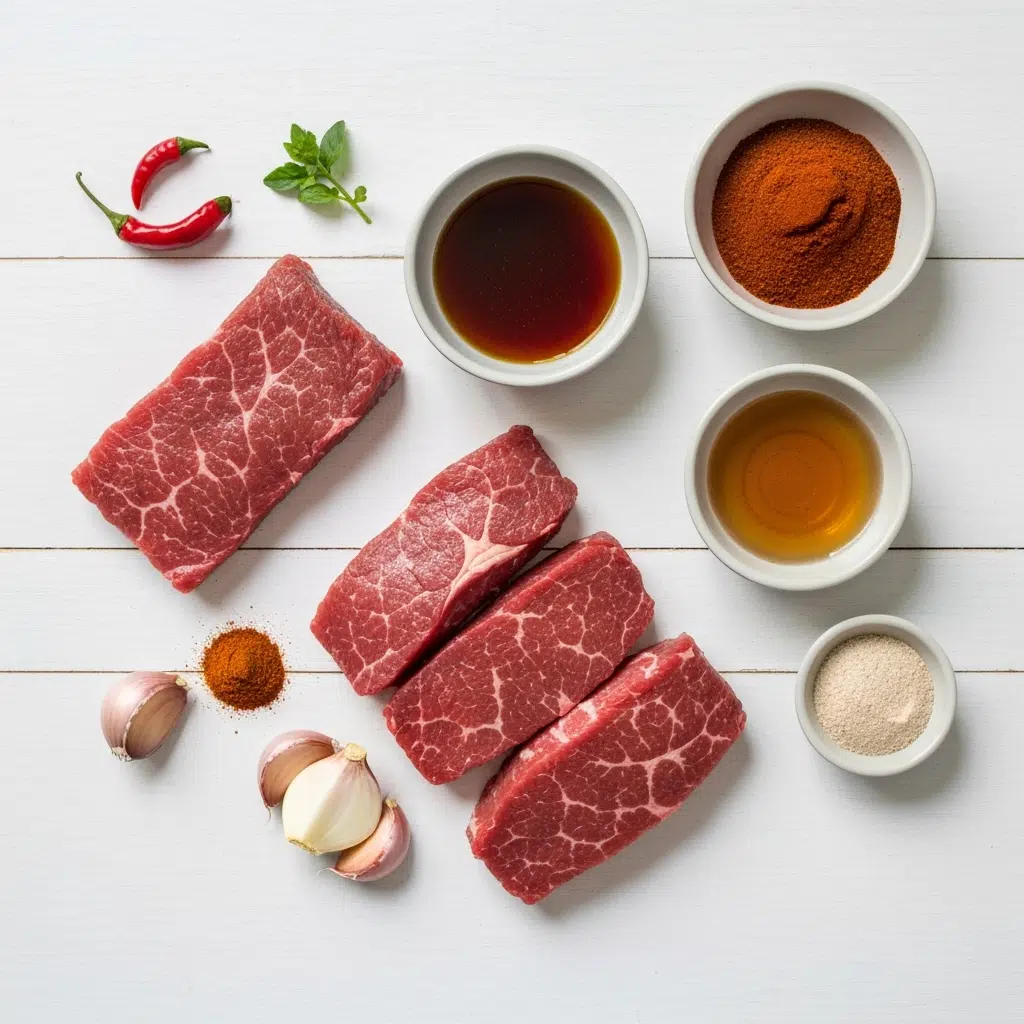
Slow Cooker Chicken & Vegetable Stew

Have you ever wished for a comforting, hearty meal that practically cooks itself while also being mindful of your health? I know I have, especially on those busy weeknights when time is short but a nourishing dinner is non-negotiable. This Slow Cooker Chicken & Vegetable Stew is the answer to that very wish. It is a diabetic-friendly recipe designed to be both deeply satisfying and supportive of stable blood sugar levels.

I remember my grandmother’s stews, bubbling away for hours, filling the whole house with a sense of warmth and security. This recipe captures that same soul-soothing essence, but with a modern, health-conscious twist that fits perfectly into a cardiac diabetic diet food list. It is one of those healthy slow cooker meals that proves you do not have to sacrifice flavor for wellbeing.

For more inspiration on building a complete plate, check out our guide on Crockpot Meals for Diabetics, which includes pairing ideas.

Table of Contents

  • Ingredients List
  • Step-by-Step Instructions
  • Equipment Needed
  • Why You’ll Love This Recipe
  • Healthier Alternatives for the Recipe
  • Serving Suggestions
  • Common Mistakes to Avoid
  • Storing Tips for the Recipe
  • Conclusion
  • FAQs about Slow Cooker Chicken & Vegetable Stew

Ingredients List

This Slow Cooker Chicken & Vegetable Stew comes together with simple, whole ingredients. The beauty of a stew like this is its flexibility; feel free to swap vegetables based on what you have on hand or what is in season.

Slow Cooker Chicken & Vegetable Stew Ingredients for 3

For the Stew:

  • 1.5 pounds boneless, skinless chicken breasts or thighs, cut into 1-inch chunks
  • 1 large yellow onion, diced
  • 3 cloves garlic, minced
  • 2 large carrots, peeled and sliced
  • 2 celery stalks, sliced
  • 1 medium zucchini, chopped
  • 1 cup fresh green beans, trimmed and cut into 1-inch pieces
  • 1 (14.5 oz) can diced tomatoes, undrained
  • 4 cups low-sodium chicken broth

For the Seasoning:

  • 1 teaspoon dried thyme
  • 1 teaspoon dried rosemary
  • 1 bay leaf
  • ½ teaspoon black pepper
  • Salt to taste (be mindful if managing blood pressure)
  • 2 tablespoons tomato paste
  • 1 tablespoon Worcestershire sauce (check for sugar content if strict)

For a Thicker Stew (Optional):

  • 2 tablespoons cornstarch or arrowroot powder mixed with 3 tablespoons cold water

Timing

One of the greatest advantages of this low carb chicken stew is how it respects your time. It is the epitome of a set-it-and-forget-it meal.

  • Prep time: 20 minutes
  • Cook time: 6-8 hours on Low or 3-4 hours on High
  • Total time: As little as 3 hours and 20 minutes

Step-by-Step Instructions

Creating this easy diabetic recipe is a straightforward process that yields incredible results.

Step 1: Prepare the Ingredients

Chop all your vegetables and cut the chicken into uniform pieces. This ensures everything cooks evenly. Taking a few minutes to do this prep work makes the assembly process incredibly fast.

Step 2: Combine in the Slow Cooker

Place the chicken, onion, garlic, carrots, celery, zucchini, and green beans into the slow cooker insert. There is no need to sauté anything first, which saves time and cleanup. Add the canned diced tomatoes, chicken broth, and all the seasonings thyme, rosemary, bay leaf, pepper, tomato paste, and Worcestershire sauce. Gently stir everything to combine and ensure the tomato paste is dissolved into the liquid.

Step 3: Cook to Perfection

Cover and cook on LOW for 6-8 hours or on HIGH for 3-4 hours. The chicken should be tender and easily shred with a fork, and the vegetables should be soft but not mushy. This long, slow cooking process is what develops the deep, rich flavors, making it one of the best diabetic slow cooker recipes for a reason.

Step 4: Thicken the Stew (Optional)

If you prefer a thicker stew, about 30 minutes before serving, create a slurry by whisking the cornstarch with cold water in a small bowl until smooth. Stir this mixture into the stew, cover, and continue cooking on HIGH for the remaining 30 minutes until the broth has thickened.

Nutritional Information

This recipe is a powerhouse of nutrition, carefully crafted for blood sugar management. Per serving (approximately 1.5 cups):

  • Calories: ~280
  • Protein: 28g
  • Carbohydrates: 18g
  • Dietary Fiber: 4g
  • Sugars: 8g
  • Fat: 8g

The high protein and fiber content are key for promoting satiety and preventing blood sugar spikes, making this an excellent choice for prediabetes meals to eat. The vegetables provide essential vitamins and minerals, supporting overall health.

Equipment Needed

You do not need any fancy gadgets for this Slow Cooker Chicken & Vegetable Stew.

  • A 6-quart or larger slow cooker
  • A good chef’s knife
  • A cutting board
  • Measuring spoons and cups

Why You’ll Love This Recipe

This dish is more than just food; it is a tool for a healthier, easier lifestyle.

  • It is incredibly easy. Just chop, dump, and go. It simplifies your day.
  • It is perfectly diabetic-friendly. With its balance of lean protein and low-glycemic vegetables, it is designed for stable energy.
  • It is a complete, hearty meal in one pot. No need for complicated sides unless you want them.
  • It is fantastic for meal prep. This recipe makes several portions, perfect for easy diabetic meal recipes throughout the week.
  • The flavor is deep and comforting. It proves that healthy food does not have to be bland or boring.

Healthier Alternatives for the Recipe

This Slow Cooker Chicken & Vegetable Stew is wonderfully adaptable.

Slow Cooker Chicken & Vegetable Stew Recipe variation for 3

  • For a Keto or Very Low-Carb Version: Omit the potatoes and carrots and add more non-starchy vegetables like cauliflower florets, mushrooms, and bell peppers.
  • For a Paleo Version: Use arrowroot powder instead of cornstarch for thickening and ensure your Worcestershire sauce is compliant.
  • To Reduce Sodium: Use no-salt-added canned tomatoes and a homemade, unsalted chicken broth. This is a crucial adjustment for those also following a meal plan for kidney disease.
  • Protein Swap: You can easily use turkey or even lean beef, answering the common question of what meats can a diabetic eat.

Serving Suggestions

This stew is a complete meal on its own, but here are a few ideas to round it out.

  • For a traditional touch, serve a small portion with a slice of whole-grain bread for dipping.
  • A simple side salad with a vinaigrette dressing adds a fresh, crisp contrast.
  • If you are not strictly low-carb, a small scoop of quinoa or brown rice can be a nice addition.
  • Looking for more easy diabetic dinner ideas? Pair it with our simple roasted asparagus from Stack Sip Snack for a truly balanced plate.

Common Mistakes to Avoid

A great stew is easy, but a few tips can make it perfect.

  • Do not overcook the chicken on the high setting, or it can become dry and stringy. 3-4 hours on high is usually sufficient.
  • Do not skip the tomato paste. It adds a crucial depth of flavor and richness to the broth without adding sugar.
  • Do not add the thickening slurry directly to the hot liquid without mixing it with cold water first, or you will get lumps.
  • Remember to remove the bay leaf before serving. It is inedible and can be a choking hazard.

Storing Tips for the Recipe

This stew is arguably even better the next day as the flavors continue to meld.

Slow Cooker Chicken & Vegetable Stew Storage tips for 3

  • Refrigeration: Allow the stew to cool completely before transferring it to an airtight container. It will keep in the refrigerator for up to 4 days.
  • Freezing: This Slow Cooker Chicken & Vegetable Stew freezes exceptionally well. Portion it into freezer-safe containers or bags, leaving some space for expansion. It can be frozen for up to 3 months. Thaw overnight in the refrigerator before reheating.
  • Reheating: Reheat gently on the stovetop over medium-low heat or in the microwave, stirring occasionally, until heated through.

Conclusion

This Slow Cooker Chicken & Vegetable Stew is a testament to how simple, wholesome ingredients can come together to create something truly special and supportive of your health. It is a reliable, delicious cornerstone for any diabetic friendly meal plan, providing comfort without compromise. It is the kind of meal that makes eating well feel effortless and deeply rewarding. If you enjoy this style of cooking, you might also love our Crockpot Beef Vegetable Soup for another hearty option.

I would love to hear how this recipe works for you and your family. What variations did you try? Share your experience in the comments below. And if you are looking for more inspiration, don’t forget to check out our collection of easy diabetic recipes on Stack Sip Snack for more ideas that simplify healthy eating.

FAQs about Slow Cooker Chicken & Vegetable Stew

Can you put raw chicken in a slow cooker for stew?

Yes, absolutely. Slow cookers are designed to safely cook raw meat, including chicken, from start to finish. The low, consistent heat ensures it cooks thoroughly and becomes tender.

What kind of chicken is best for slow cooker stew?

Boneless, skinless chicken thighs are generally preferred for slow cooker stew. They remain moist and tender over long cooking times, unlike breast meat which can dry out. Bone-in thighs also work but require more effort to debone before serving.

Do I need to brown chicken before slow cooking stew?

Browning chicken before adding it to the slow cooker is optional but recommended. It adds a deeper, richer flavor to the stew and can create a more appealing color, thanks to the Maillard reaction. However, it's not essential for food safety or tenderness.

When should I add vegetables to slow cooker chicken stew?

Root vegetables like carrots, potatoes, and celery can be added at the beginning with the chicken, as they require longer cooking times. Softer vegetables like peas, corn, or spinach should be added during the last 30-60 minutes of cooking to prevent them from becoming mushy.

How do I thicken slow cooker chicken and vegetable stew?

To thicken, you can make a cornstarch slurry (1-2 tablespoons cornstarch mixed with an equal amount of cold water) and stir it into the hot stew during the last 30 minutes of cooking. Alternatively, remove some liquid, whisk in a little flour, and return it to the pot, or mash some of the cooked potatoes/vegetables into the broth.

How long does slow cooker chicken and vegetable stew last in the fridge?

Properly stored in an airtight container, slow cooker chicken and vegetable stew can last for 3-4 days in the refrigerator. For longer storage, it can be frozen for up to 2-3 months.

💬 Let’s Stay Connected!
For daily recipes, kitchen tips, and exclusive content, follow me on:
👉 Facebook for behind-the-scenes & community fun
👉 Pinterest for visual inspiration & meal ideas
👉 X (Twitter) for quick tips & trending recipes

📲 Join the flavor journey, your next favorite recipe is just a follow away!
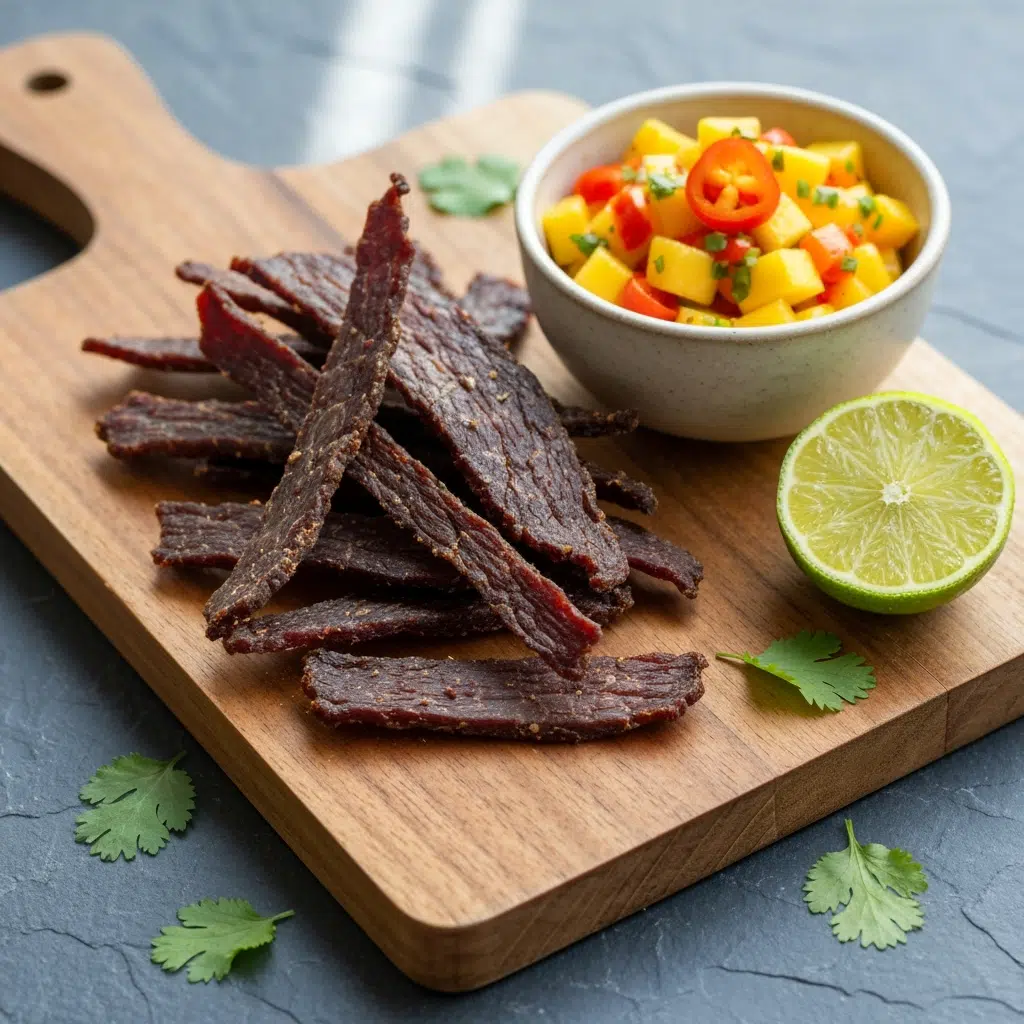
« Previous Page
Next Page »
Adam Rivers, founder of Stack Sip Snack, a 38-year-old dad and healthy lifestyle food blogger

Welcome!
At Stack Sip Snack, my mission is to make protein-rich, energizing food easy and enjoyable, without perfection, pressure, or pretense

More about me

Popular

  • Vibrant tropical green detox smoothie with toasted coconut and mint
    Tropical Green Detox Smoothie
  • Strawberry mango protein smoothie close up creamy tropical recipe.
    Strawberry Mango Protein Smoothie
  • Red white blue Rice Krispie treats with fresh berries
    Red White and Blue Rice Krispie Treats
  • American flag strawberry cheesecake with glossy berry glaze
    American Flag Strawberry Cheesecake

Seasonal

  • Patriotic Fourth of July sugar cookie cake with berries.
    Fourth of July Sugar Cookie Cake
  • Patriotic strawberry pretzel dessert bars with creamy cheesecake layer.
    Patriotic Strawberry Pretzel Dessert Bars
  • Red white blue layered jello cups with fresh berries.
    Red White and Blue Layered Jello Cups
  • Lemon blueberry buttermilk scones with glossy white glaze drizzle.
    Lemon Blueberry Buttermilk Scones

Footer

↑ back to top

About

  • Privacy Policy
  • Disclaimer
  • Terms & Conditions
  • Cookies Policy

Newsletter

  • Sign Up! for emails and updates

Contact

  • About
  • Contact

As an Amazon Associate I earn from qualifying purchases.

Copyright © 2025 Stack Sip Snack