There’s something deeply satisfying about a meal that comes together in a single bowl, where every bite is a little different from the last. For me, that’s the magic of an Easy Korean Bibimbap. It’s the ultimate clean-out-the-fridge dinner, a vibrant mosaic of flavors and textures that feels both nourishing and exciting. I first fell in love with this dish during a busy week when I had a little bit of this and a little bit of that left in the produce drawer.
Instead of making a lackluster stir-fry, I arranged everything neatly over warm rice, crowned it with a fried egg, and drizzled that iconic spicy-sweet Gochujang sauce over the top.
The result was a restaurant-worthy dinner that came together in under 30 minutes, proving that a healthy Korean bowl doesn’t have to be complicated.
Table of Contents
Easy Korean Bibimbap Ingredients
The foundation of any great Easy Korean Bibimbap is a collection of fresh, colorful components. The beauty of this Korean mixed rice is its flexibility; you can use whatever vegetables you have on hand.
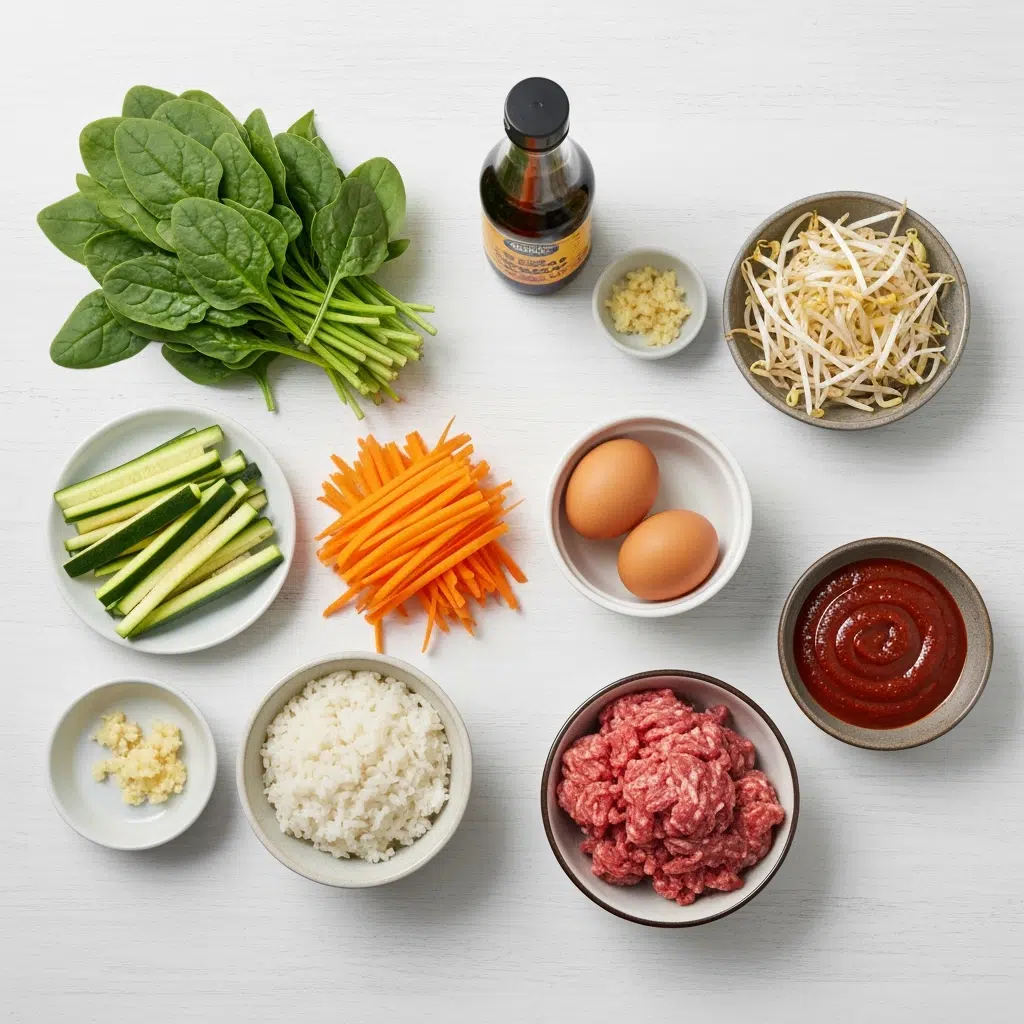
- For the Rice & Protein: 2 cups cooked short-grain white rice, 1 tablespoon sesame oil, ½ pound ground beef (or thinly sliced beef sirloin), 1 tablespoon soy sauce, 1 teaspoon minced garlic.
- For the Vegetables (Choose 4-5): 1 cup spinach, 1 cup bean sprouts, 1 carrot (julienned), 1 zucchini (julienned), 4-5 shiitake mushrooms (sliced), ½ cucumber (julienned).
- For the Gochujang Sauce: 2 tablespoons Gochujang (Korean chili paste), 1 tablespoon rice vinegar, 1 tablespoon sesame oil, 1 teaspoon sugar or honey, 1 teaspoon toasted sesame seeds, 1-2 tablespoons water (to thin).
- For Topping: 4 fried eggs (sunny-side up or over-easy), toasted sesame seeds, sliced green onion.
Smart Substitutions: For a vegetarian bibimbap, swap the beef for crumbled firm tofu or just double up on the mushrooms. If you can't find Gochujang, a mix of sriracha and a little miso paste can work in a pinch, though the flavor will be different. Brown rice or cauliflower rice are excellent healthy alternatives for the base.
Easy Korean Bibimbap Timing
This recipe is famously quick, which is why it's a weeknight hero in my kitchen.
- Prep Time: 15 minutes
- Cook Time: 15 minutes
- Total Time: 30 minutes
Step-by-Step Easy Korean Bibimbap Instructions
The key to a quick bibimbap is organization. Have all your ingredients prepped and ready to go before you start cooking.
Step 1: Prepare the Components
Start by cooking your rice according to package instructions. While the rice cooks, mix all the ingredients for the Gochujang sauce in a small bowl and set aside. Then, prepare all your vegetables by washing, peeling, and cutting them as needed. Having everything prepped makes the cooking process flow seamlessly.
Step 2: Cook the Vegetables & Protein
Heat a large skillet or wok over medium-high heat. You'll cook each vegetable separately to maintain their distinct textures and colors. A quick blanch for the spinach and bean sprouts (about 30 seconds in boiling water, then drained) is all they need. Sauté the carrots, zucchini, and mushrooms separately with a tiny bit of oil and a pinch of salt until just tender-crisp. This should only take 2-3 minutes per vegetable. Set them aside on a plate as they finish.
In the same skillet, cook the ground beef with garlic and soy sauce until browned and cooked through. Drain any excess fat.
Step 3: Assemble Your Easy Korean Bibimbap
Divide the warm rice among four bowls. Drizzle the sesame oil over the rice. Neatly arrange the cooked beef and each vegetable in separate little mounds over the rice. This beautiful, deconstructed presentation is part of the fun! If you love the flavor of Gochujang in noodle form, you'll appreciate how it transforms this rice bowl, much like it does in our Korean Gochujang Noodles.
Step 4: The Final Touch
Top each bowl with a perfectly fried egg. The runny yolk acts as a rich, natural sauce when mixed in. Drizzle generously with the prepared Gochujang sauce and sprinkle with sesame seeds and green onion. Serve immediately and instruct everyone to mix everything together thoroughly before eating. That's the "bibim" in bibimbap it means "mixed rice"!
Nutritional Information
This healthy Easy Korean Bibimbap bowl is a balanced meal in itself. A typical serving (with ground beef) contains approximately:
- Calories: 480
- Protein: 25g
- Carbohydrates: 55g
- Fat: 18g
It's packed with vitamins A and C from the colorful vegetables, iron from the spinach and beef, and protein to keep you full and satisfied.
Equipment Needed for Your Bibimbap Recipe
You don't need any special equipment to make a fantastic homemade bibimbap.
- A large skillet or wok
- A few small bowls for prepped ingredients
- A good chef's knife for julienning vegetables
- A pot for cooking rice and blanching vegetables
Why You’ll Love This Easy Korean Bibimbap
This recipe has earned a permanent spot in my dinner rotation for so many reasons.
- It's Incredibly Customizable: Use what you love or what you have. It’s the perfect vehicle for leftover veggies.
- It's a Complete, Balanced Meal: You get your carbs, protein, and a rainbow of vegetables all in one dish.
- It's Surprisingly Fast: From start to finish, you're only about 30 minutes away from a restaurant-quality dinner.
- The Sauce is Everything: The spicy, savory, slightly sweet Gochujang sauce ties the whole bowl together in the most delicious way.
Healthier Alternatives for Your Easy Korean Bibimbap
This dish is already quite healthy, but you can easily tweak it to fit specific dietary goals.
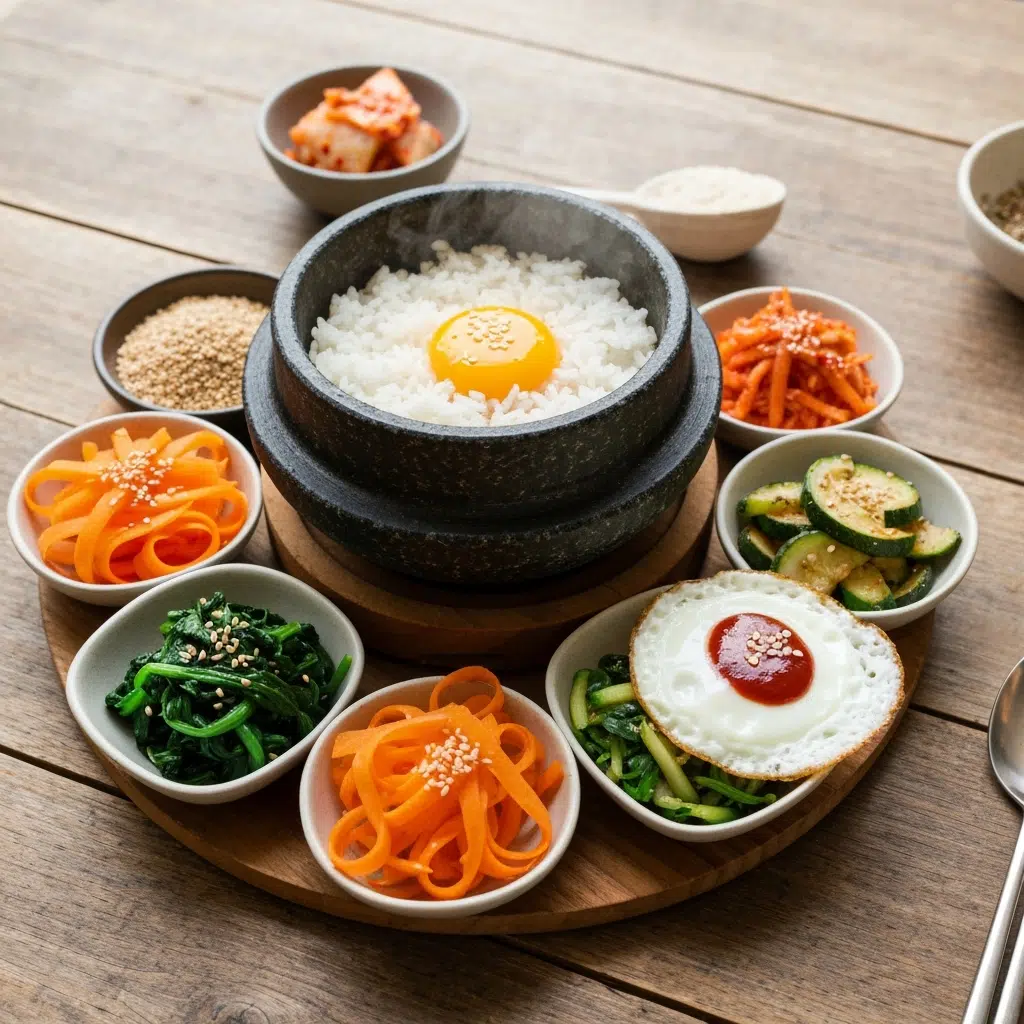
- Low-Carb/Keto: Swap the rice for cauliflower rice. It soaks up the flavors beautifully and cuts the carbs significantly.
- High-Protein: Increase the amount of beef or add an extra egg. You could also use ground chicken or turkey.
- Gluten-Free: Ensure your soy sauce and Gochujang are certified gluten-free brands. Tamari is a great soy sauce alternative.
- Vegan/Vegetarian: Omit the egg and beef. Use sautéed tofu or tempeh as your protein, and check that your Gochujang is vegan (some brands contain tiny amounts of fermented seafood).
Serving Suggestions for Your Korean Mixed Rice
While this Easy Korean Bibimbap is a full meal, you can round it out with a few simple sides. A light, tangy cucumber salad or a small bowl of miso soup are classic accompaniments. For another fantastic bowl meal that's great for prepping ahead, check out our Meal Prep Teriyaki Chicken Bowls. For family-style serving, place all the cooked components, sauce, and rice in separate bowls on the table and let everyone build their own perfect bowl. It's a fun, interactive dinner that everyone enjoys.
Common Mistakes to Avoid with Your Easy Korean Bibimbap
A few small missteps can make the difference between a good bibimbap and a great one.
- Overcooking the Vegetables: The vegetables should be tender-crisp, not mushy. They continue to cook slightly when mixed with the hot rice, so err on the side of undercooking.
- Skipping the Sesame Oil on the Rice: That initial drizzle of nutty sesame oil on the warm rice is crucial for flavor and helps prevent the rice from sticking to the bowl.
- Not Making Enough Sauce: The sauce is the flavor engine of the dish. Make a little extra—you won't regret it. If you're a sauce lover, you'll understand the appeal from our Creamy Gochujang Udon Noodles.
- Using Cold Rice: Always use freshly cooked, warm rice. It makes the bowl more comforting and helps all the elements meld together.
Storing Tips for Your Homemade Easy Korean Bibimbap
This is a great meal to prep ahead, but store the components separately for the best results.
- Refrigeration: Store the cooked rice, vegetables, beef, and sauce in separate airtight containers in the fridge for up to 4 days.
- Reheating: Reheat the rice, vegetables, and beef gently in the microwave or in a skillet. Fry a fresh egg when you're ready to eat. Assemble your bowl and enjoy!
- Freezing: I don't recommend freezing the assembled bibimbap, as the vegetables will become watery and soft upon thawing. However, you can freeze the cooked ground beef separately for up to 3 months.
Easy Korean Bibimbap Conclusion
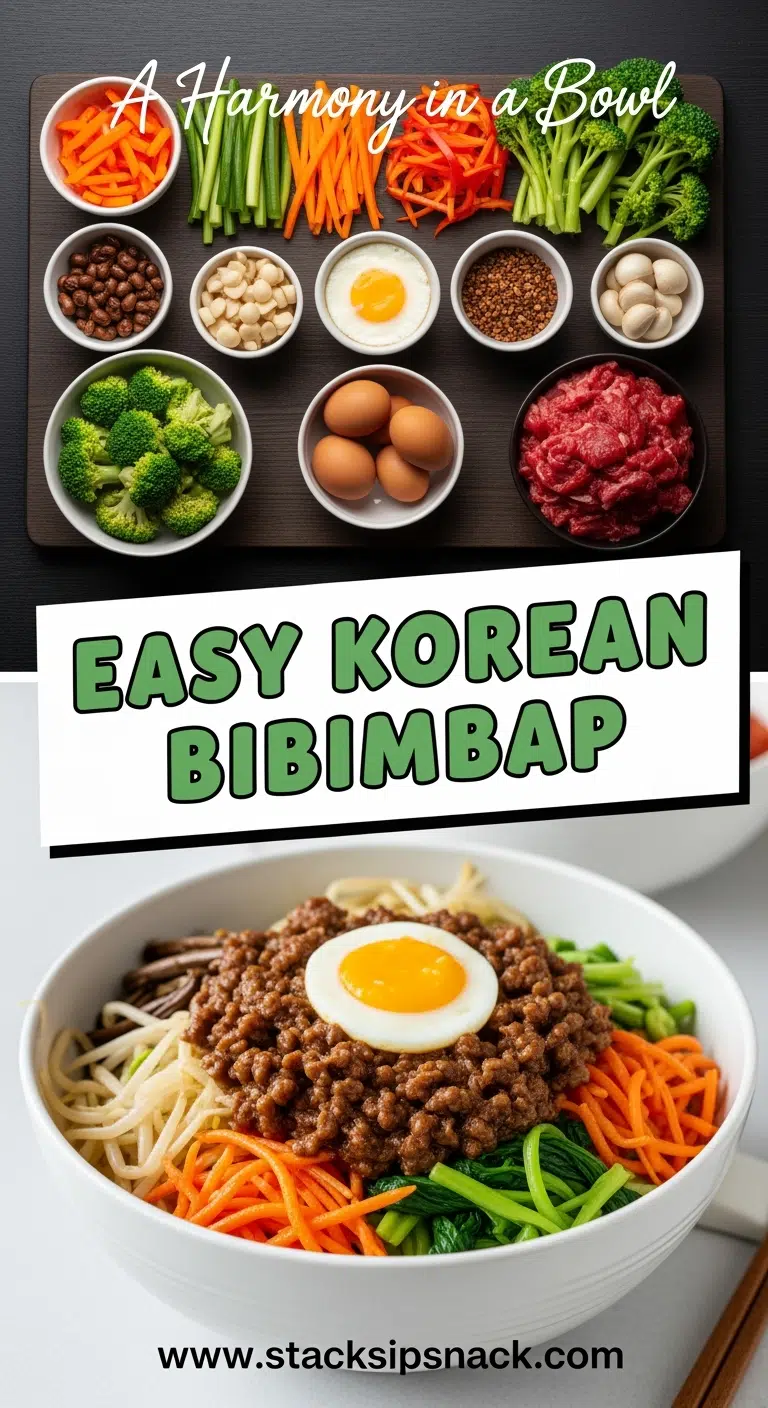
This Easy Korean Bibimbap recipe is proof that a healthy, delicious, and visually stunning dinner doesn't require hours in the kitchen. It's a forgiving, flexible recipe that encourages creativity and helps you reduce food waste. The combination of warm rice, savory protein, crisp vegetables, and that signature spicy sauce is simply irresistible. If you're looking for other quick and satisfying Asian-inspired dishes, our Better Than Takeout Chicken Fried Rice is another weeknight winner. I hope this recipe brings as much joy and flavor to your table as it does to mine.
I’d love to hear how your bibimbap turns out leave a comment below and tell me your favorite vegetable combination! And don’t forget to tag @Stacksipsnack on Pinterest so we can see your beautiful creations.
FAQs about Easy Korean Bibimbap
How do you make bibimbap easy?
To make bibimbap easy, focus on using pre-cooked rice and quick-cooking or pre-made banchan (side dishes). Sauté vegetables briefly or use raw, thinly sliced options. The key is efficient ingredient prep and a good gochujang sauce.
What are the basic ingredients for bibimbap?
Basic bibimbap includes a base of warm rice, an assortment of sautéed or fresh vegetables (namul), a protein like beef or tofu, an egg (fried or raw yolk), and a generous dollop of gochujang (Korean chili paste) for flavor.
Is bibimbap difficult to make at home?
No, bibimbap is not inherently difficult. Its complexity can come from preparing multiple individual ingredients. However, using pre-cut vegetables, pre-cooked proteins, or fewer banchan can significantly simplify the process, making it very accessible for home cooks.
Can you prepare bibimbap ahead of time?
Yes, many components of bibimbap can be prepared ahead. Cooked rice, sautéed vegetables (namul), and cooked protein can be stored separately in the refrigerator for 2-3 days. Assemble just before serving for the best texture and freshness.
What is the best sauce for easy bibimbap?
The quintessential sauce for bibimbap is gochujang. For an easy sauce, simply mix gochujang with a touch of sesame oil, sugar or honey, minced garlic, and a splash of water or rice vinegar to achieve your desired consistency and flavor balance.
Can I use any vegetables for bibimbap?
Absolutely! While traditional bibimbap uses specific namul like spinach, bean sprouts, and carrots, you can easily substitute or add any vegetables you prefer. Bell peppers, zucchini, mushrooms, kale, or even frozen mixed vegetables work well for an easy version.
Easy Korean Bibimbap

A vibrant Korean mixed rice bowl with colorful vegetables, savory beef, and a spicy Gochujang sauce, topped with a fried egg. This easy 30-minute meal is perfect for busy weeknights and completely customizable with your favorite ingredients.
- Prep Time: 15 minutes
- Cook Time: 15 minutes
- Total Time: 30 minutes
- Yield: 4 servings 1x
- Category: Main Course
- Method: Stovetop
- Cuisine: Korean
Ingredients
- For the Rice & Protein: 2 cups cooked short-grain white rice, 1 tablespoon sesame oil, ½ pound ground beef (or thinly sliced beef sirloin), 1 tablespoon soy sauce, 1 teaspoon minced garlic
- For the Vegetables (Choose 4-5): 1 cup spinach, 1 cup bean sprouts, 1 carrot (julienned), 1 zucchini (julienned), 4-5 shiitake mushrooms (sliced), ½ cucumber (julienned)
- For the Gochujang Sauce: 2 tablespoons Gochujang (Korean chili paste), 1 tablespoon rice vinegar, 1 tablespoon sesame oil, 1 teaspoon sugar or honey, 1 teaspoon toasted sesame seeds, 1-2 tablespoons water (to thin)
- For Topping: 4 fried eggs (sunny-side up or over-easy), toasted sesame seeds, sliced green onion
Instructions
- Prepare the Components: Cook rice according to package instructions. Mix all Gochujang sauce ingredients in a small bowl. Wash, peel, and cut all vegetables as needed.
- Cook the Vegetables & Protein: Heat a large skillet over medium-high heat. Blanch spinach and bean sprouts in boiling water for 30 seconds, then drain. Sauté carrots, zucchini, and mushrooms separately with a bit of oil and salt until tender-crisp (2-3 minutes each). Cook ground beef with garlic and soy sauce until browned.
- Assemble Your Homemade Bibimbap: Divide warm rice among four bowls. Drizzle with sesame oil. Neatly arrange cooked beef and vegetables in separate mounds over the rice.
- The Final Touch: Top each bowl with a fried egg. Drizzle generously with Gochujang sauce and sprinkle with sesame seeds and green onion. Serve immediately and mix everything together before eating.
Notes
For vegetarian option: swap beef for crumbled firm tofu or extra mushrooms. For gluten-free: use tamari and certified gluten-free Gochujang. Store components separately in airtight containers for up to 4 days. Reheat gently and fry fresh eggs when ready to serve.
Nutrition
- Serving Size: 1 bowl
- Calories: 480
- Sugar: 8g
- Sodium: 650mg
- Fat: 18g
- Saturated Fat: 5g
- Unsaturated Fat: 10g
- Trans Fat: 0g
- Carbohydrates: 55g
- Fiber: 6g
- Protein: 25g
- Cholesterol: 220mg
💬 Let’s Stay Connected!
For daily recipes, kitchen tips, and exclusive content, follow me on:
👉 Facebook for behind-the-scenes & community fun
👉 Pinterest for visual inspiration & meal ideas
👉 X (Twitter) for quick tips & trending recipes
📲 Join the flavor journey, your next favorite recipe is just a follow away!